





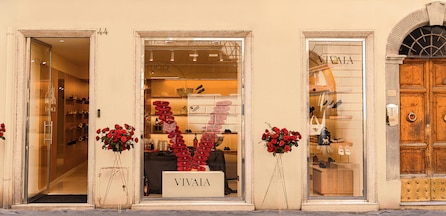


1900s–1920s: Origins of Innocence

The Mary Jane silhouette first appeared in 1902 in Buster Brown, the wildly popular American comic. Its namesake character wore a pair of simple strap shoes that quickly captured the public’s imagination. By 1926, the film adaptation of Buster Brown brought the style to the silver screen, securing “Mary Jane” as the defining term for this shoe.
In the Roaring Twenties, Mary Janes moved beyond children’s wear to become a popular choice for young women. As women abandoned corsets in favor of looser, straight-cut dresses, the shoes came to symbolize a shift from innocence to one of modern freedom.1930s–1950s: Elegance and Everyday Wear
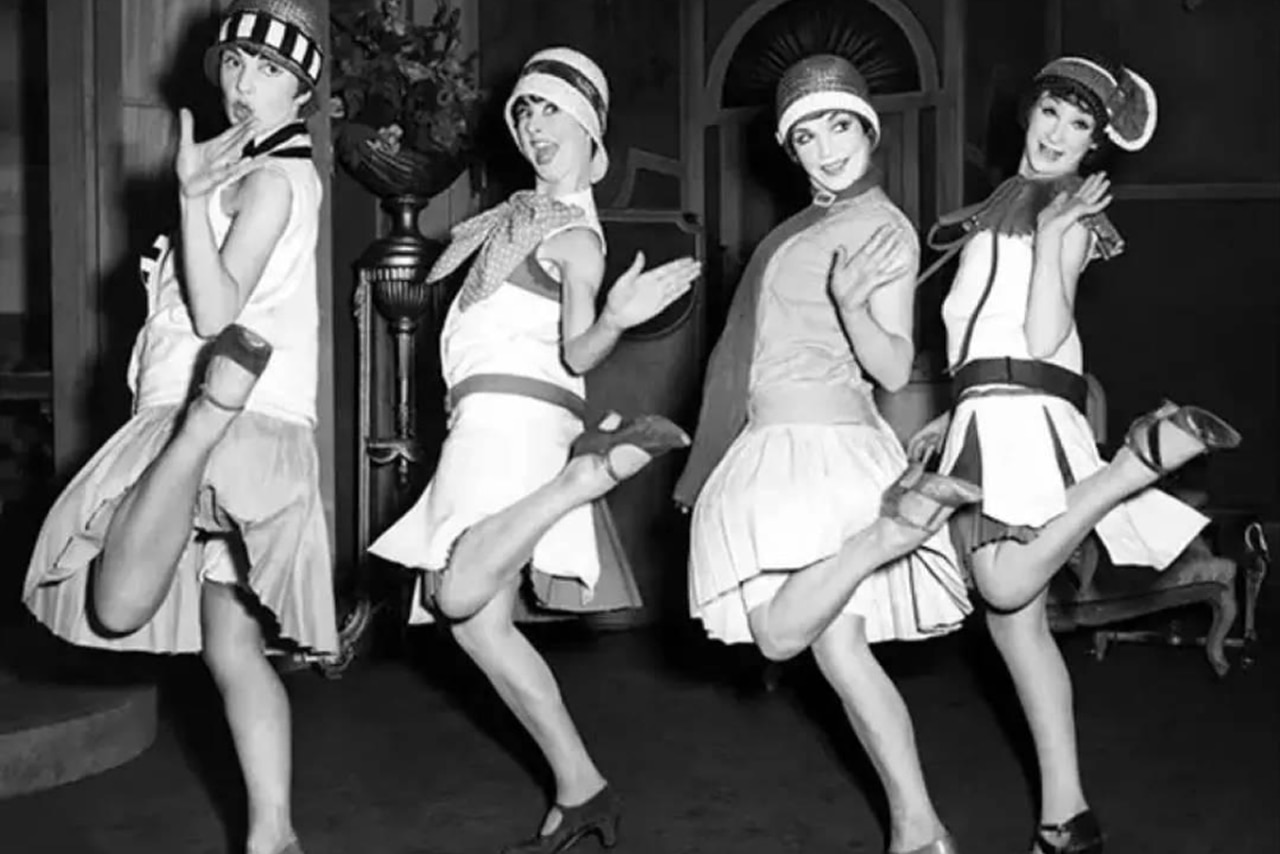
During the 1930s, following the Great Depression, people sought footwear that balanced practicality with subtle elegance. Mary Janes were updated with low heels—typically 2–3 cm—providing comfort for walking while adding a modest touch of refinement, making them a suitable choice for everyday wear.
In the 1940s, during World War II, material shortages led to simpler designs and the use of alternatives such as canvas and rubber, resulting in durable, versatile shoes suited to the practical needs of wartime life.By the 1950s, with post-war economic recovery, Mary Janes largely returned to leather construction with rounded toes and wide straps. They became standard for children’s school shoes, often paired with the era’s full skirts, leaving a lasting impression on a generation’s memories of youth.1960s–1990s: Diversification and Personal Expression
In the 1960s, with the rise of hippie culture, Mary Jane shoes began to explore bold colors and materials. Yellow and red patent leather versions appeared, often adorned with fringe or embroidery, reflecting the Bohemian aesthetic. For example, vintage 1960s red leather Mary Janes with rounded toes, wide straps, and chunky heels exemplify this trend.
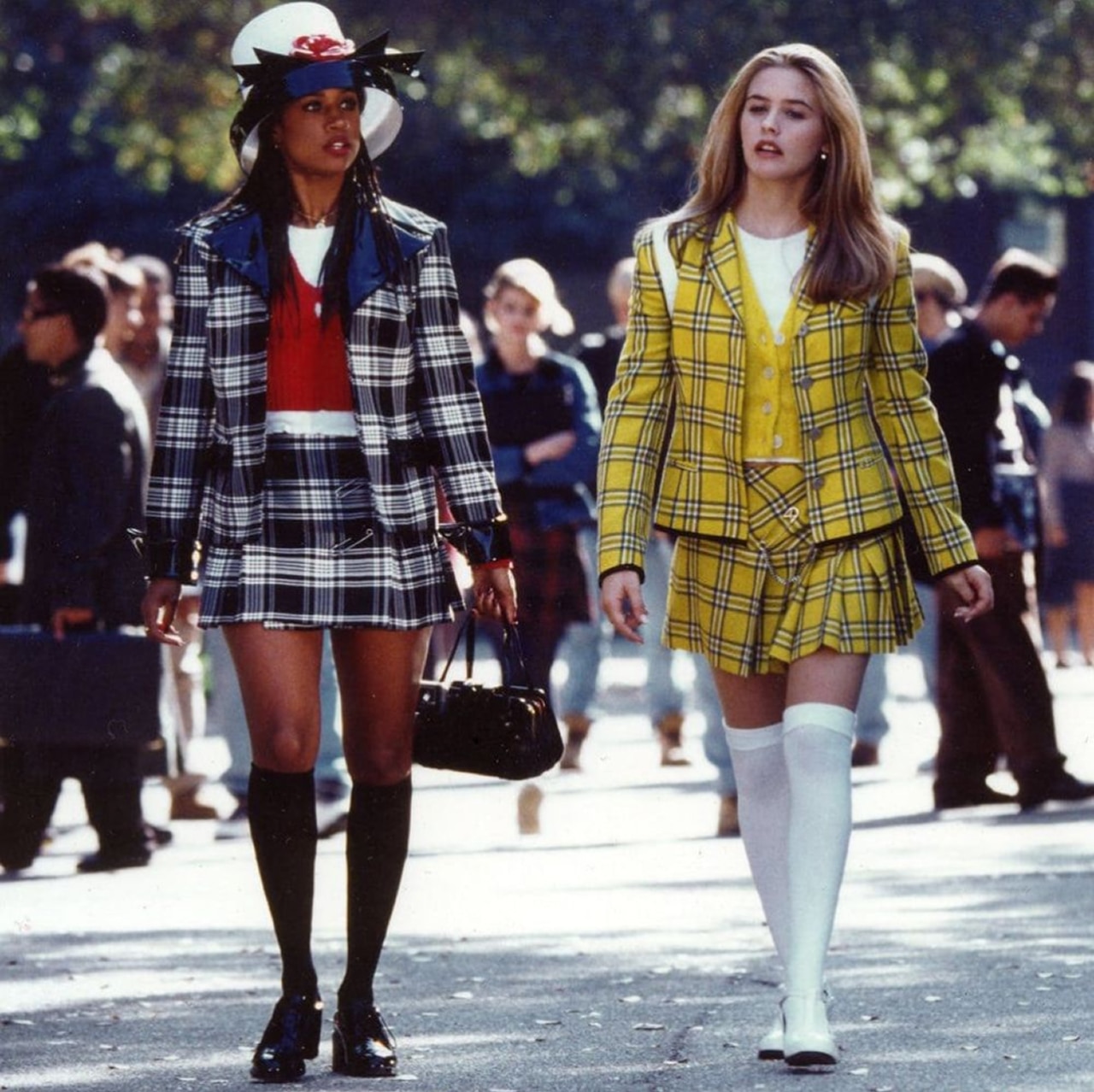
During the 1970s, punk fashion influenced Mary Janes, introducing black patent leather shoes with thicker heels and metal-studded straps, challenging the shoe's traditional sweet image. These designs captured the era’s rebellious spirit while keeping the shoe functional.By the 1990s, the retro revival saw platform Mary Janes with 5–6 cm heels rise to prominence. Often paired with knee-high socks, they became a hallmark of youth fashion. A standout example is the 1995 film Clueless, in which Alicia Silverstone’s Cher Horowitz paired platform Mary Janes with a plaid skirt and cropped top, perfectly capturing the iconic “American schoolgirl” style. At the same time, the Spice Girls—most notably Baby Spice, Emma Bunton—made platform Mary Janes a pop-cultural signature, pairing them with babydoll dresses during performances and turning the shoe into a symbol of “girl power.”
And then came the moment of myth-making: Sex and the City (1998). Sarah Jessica Parker’s Carrie Bradshaw discovers a pair of Manolo Blahnik Mary Janes in Vogue’s closet and gasps: “These are an urban myth!”—forever cementing the shoe’s legendary status in fashion lore.Beyond film and television, Mary Janes appeared across 1990s fashion editorials, advertising campaigns, and runway presentations, underscoring their versatility and continued cultural significance.2000s–Present: Revival and Versatility

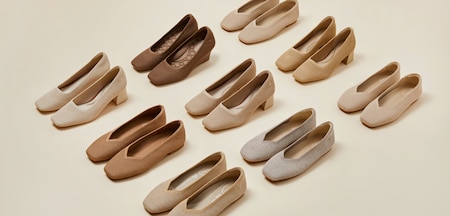
In the 21st century, Mary Janes evolved with versatility and innovation. The silhouette expanded to pointed and square toes, varied heel heights, and materials ranging from leather and patent to velvet, glitter, and knit fabrics. Strap designs diversified—buttons, Velcro, and pearl accents—blending classic heritage with modern flair.
No longer tied to a single age or style, Mary Janes complement school uniforms, soften tailored office looks, or add edge to streetwear and Y2K-inspired outfits. They continue to feature in editorials, runway collections, and lifestyle spreads, embodying a balance of nostalgic charm and contemporary playfulness.© VIVAIA All Rights ReservedTerms of Service - Privacy Policy -