












What Are Loafers?

Loafers are lace-free slip-on shoes designed for easy wear, combining comfort, versatility, and timeless style. Originally inspired by Norwegian fisherman shoes and moccasins, loafers have evolved into essential footwear for both casual and formal settings. Today, they come in many styles, including penny loafers, tassel loafers, horsebit loafers, and modern sustainable designs.
The Origins of Loafers: Where Loafer Shoes Began
In 1926, London shoemaker Wildsmith crafted a bespoke slip-on for King George VI’s country estate.
Made from supple calfskin with a seamless upper and a lighter sole than traditional Oxfords, this shoe became known as the Wildsmith Loafer. It launched the loafer’s timeless appeal, combining polished style, practical design, and understated elegance.
Penny Loafers and Tassel Loafers: Classic Loafer Styles
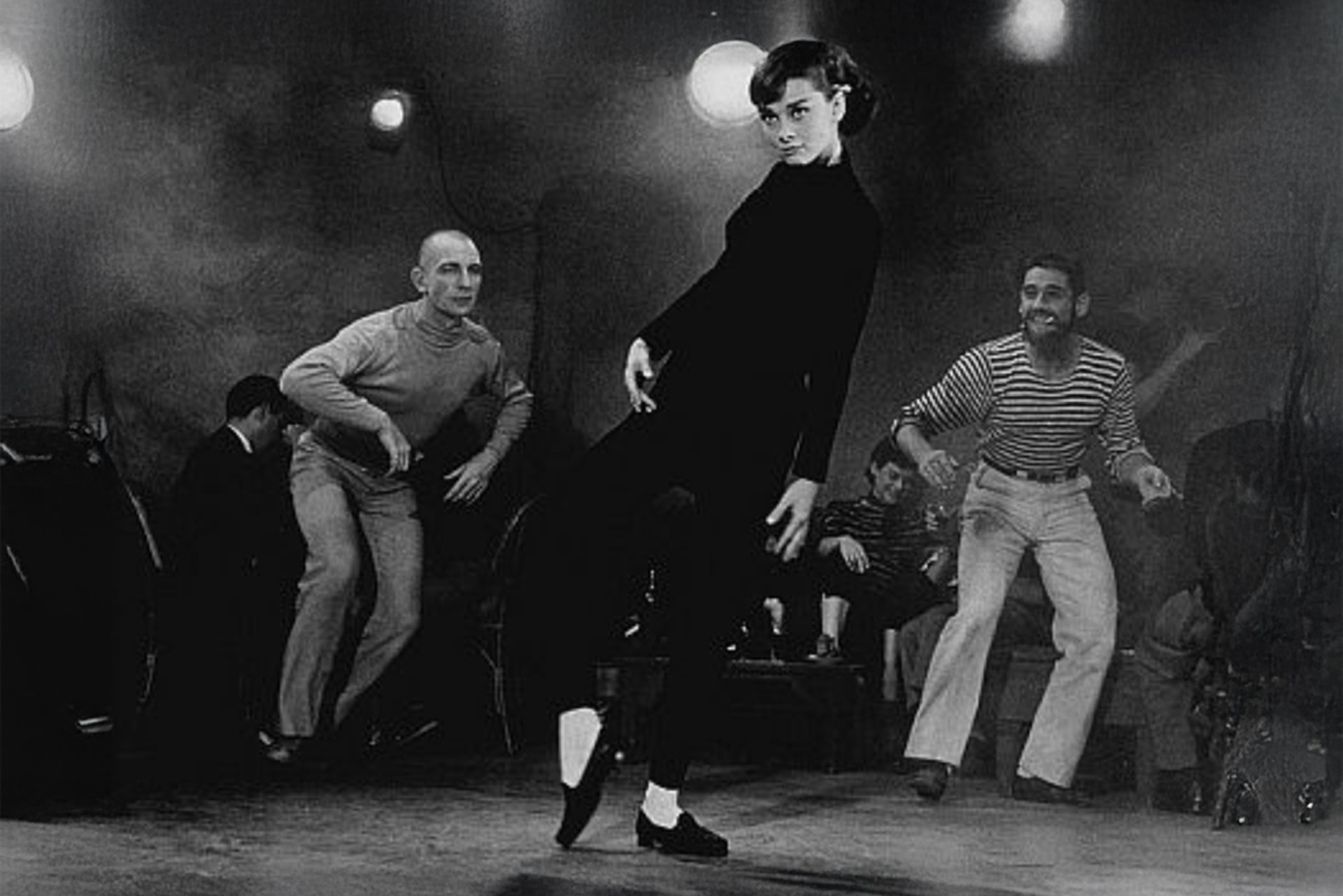
Across the Atlantic, the loafer took on a new identity. In 1936, American brand G.H. Bass reimagined the silhouette with a strap featuring a diamond-shaped cutout — the famous Weejun, short for “little Norwegian.” Students began tucking a penny into the slot, supposedly to emergency payphone calls (two pennies for two calls). Thus, the “Penny Loafer” was born, carrying a sense of wit and understated privilege.
By the 1950s, the penny loafer became an Ivy League staple. The look — brown leather loafers, white socks, rolled chinos — defined preppy style. From John F. Kennedy’s sockless strolls to Audrey Hepburn’s effortless dance in Funny Face (1957), the loafer embodied a youthful, intelligent rebellion against stiff formality.
Tassel loafers soon followed, blending playfulness with polish. When Brooks Brothers refined the design in 1957 with layered leather details, the shoe evolved from campus wear into office attire — bridging the worlds of academia and ambition.
Horsebit Loafers: When Loafers Became Luxury Icons

In 1966, metal horsebit elevated a casual shoe into a symbol of luxury and authority.
By the 1980s, the horsebit loafer became Wall Street’s unofficial uniform, pairing perfectly with pinstripe suits to convey ambition and understated wealth.
Iconic moments, like Dustin Hoffman’s loafers-with-socks look in Kramer vs. Kramer (1979), cemented its place in business fashion.
Horsebit loafer as a design defines an era.
Loafers in Modern Fashion: From Formal to Everyday Wear

In the 1990s and 2000s, loafers shed their elite image and became a pop culture staple. Michael Jackson moonwalked in black loafers with white socks, turning them into a global phenomenon.
Madonna and Bananarama paired worn loafers with cropped trousers and boyish shirts, redefining them as gender-fluid and edgy. Punk and goth styles added studs, chains, and chunky soles, infusing rebellion into the classic silhouette.
By the 2000s, loafers were fully democratized — versatile for office or street, crafted in leather, velvet, or colorful suede — embodying style that is effortless, lived-in, and universally accessible.
Modern Loafers Today: Comfort, Sustainability, and Innovation
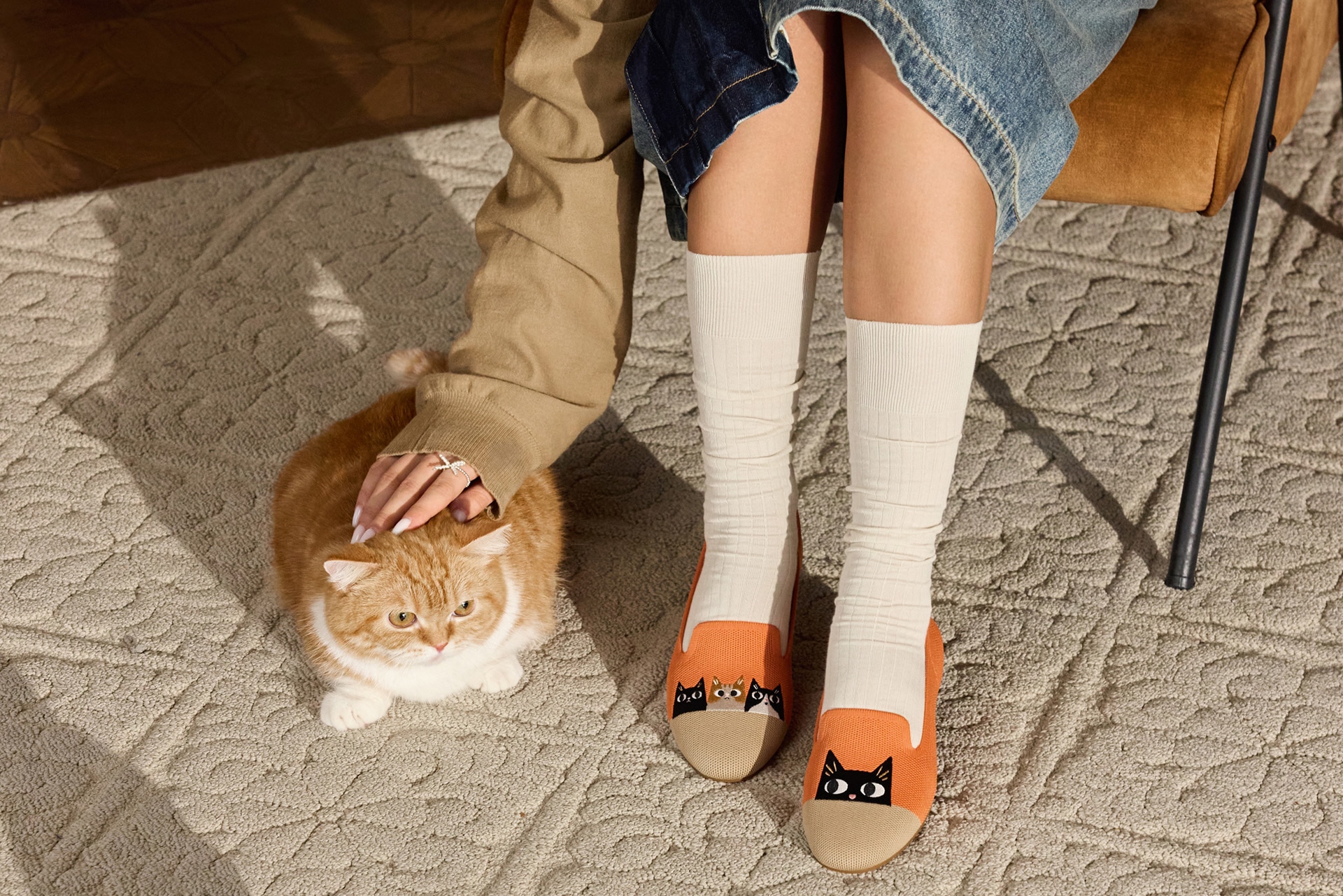
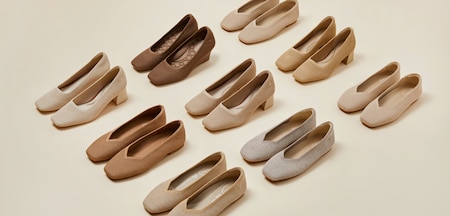
The loafer’s century-long journey balances style and comfort. Modern designs — knits, platforms, slip-ons — suit any occasion and gender.
Sustainable brands like VIVAIA add arch support, cushioned insoles, and recycled materials, proving that effortless elegance, comfort, and care can coexist. Loafers remain timeless, versatile, and quietly stylish.



© VIVAIA All Rights ReservedTerms of Service - Privacy Policy -