














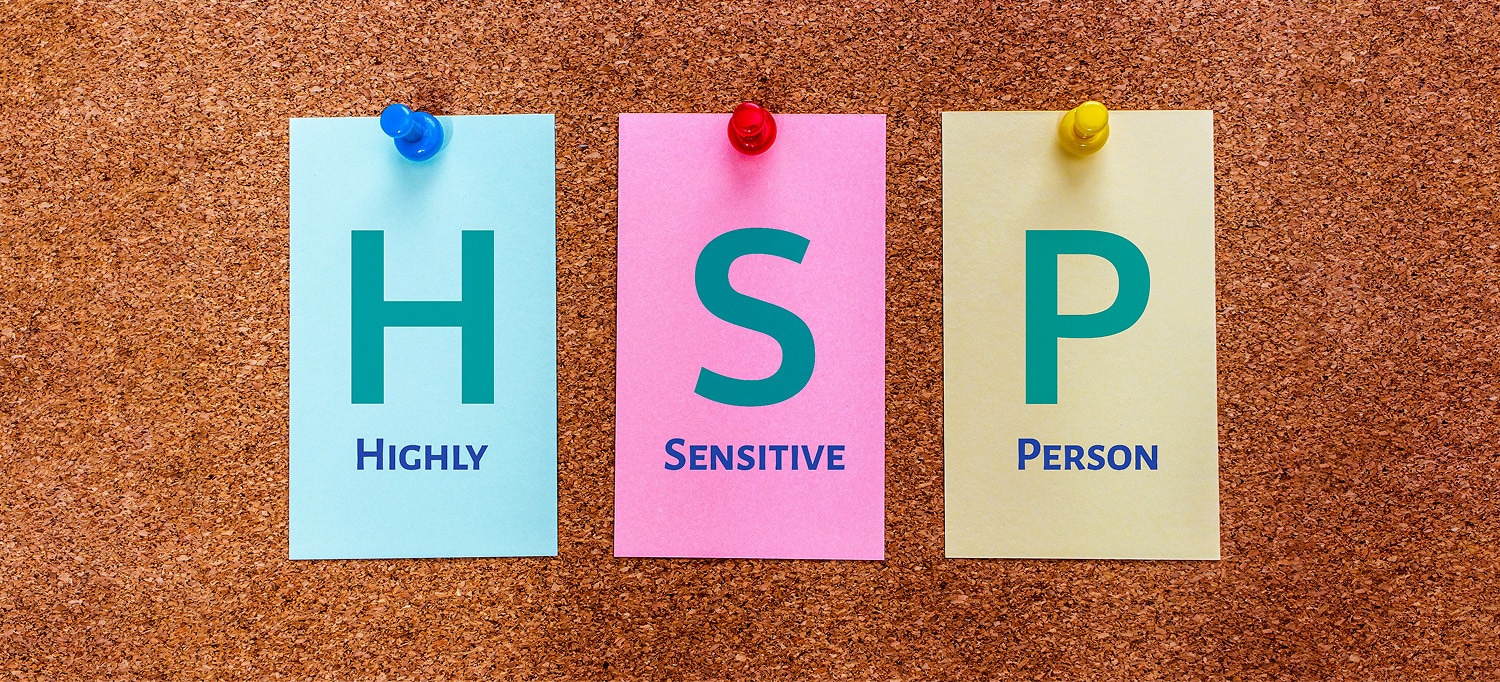
What Is a Highly Sensitive Person?
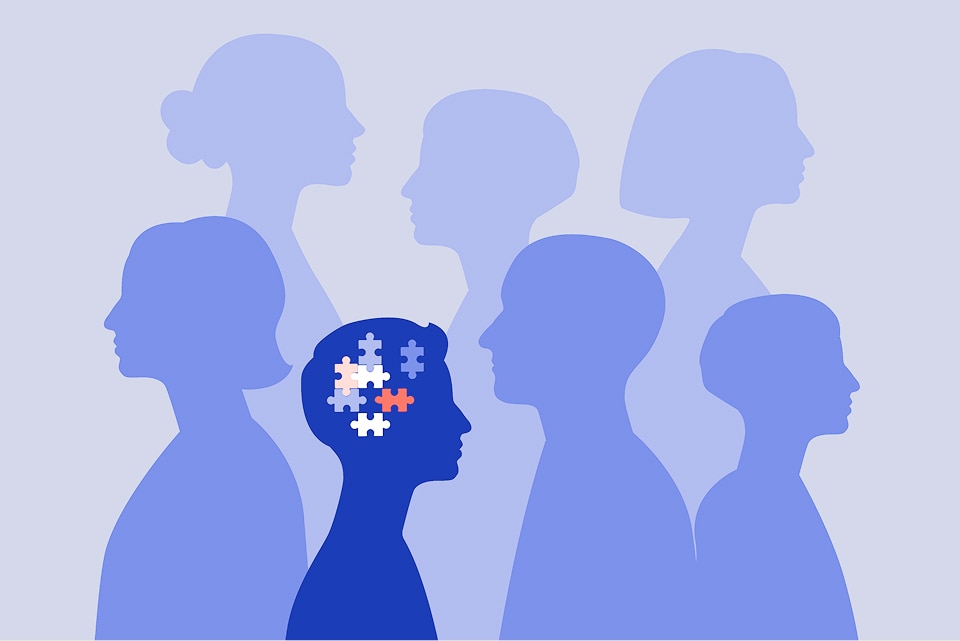
The concept of the Highly Sensitive Person (HSP) was introduced by American psychologist Elaine N. Aron in 1996. In psychological research, it is referred to as Sensory Processing Sensitivity (SPS).
HSP is not a disorder; it is a stable, enduring personality trait, present in roughly 15–20% of the population. Studies show that the nervous systems of HSPs process external information more finely, with heightened activity in sensory and emotional brain regions (e.g., the insula and amygdala), enabling them to perceive the world in greater depth.The Four Core Traits of High Sensitivity (D.O.E.S. Model)
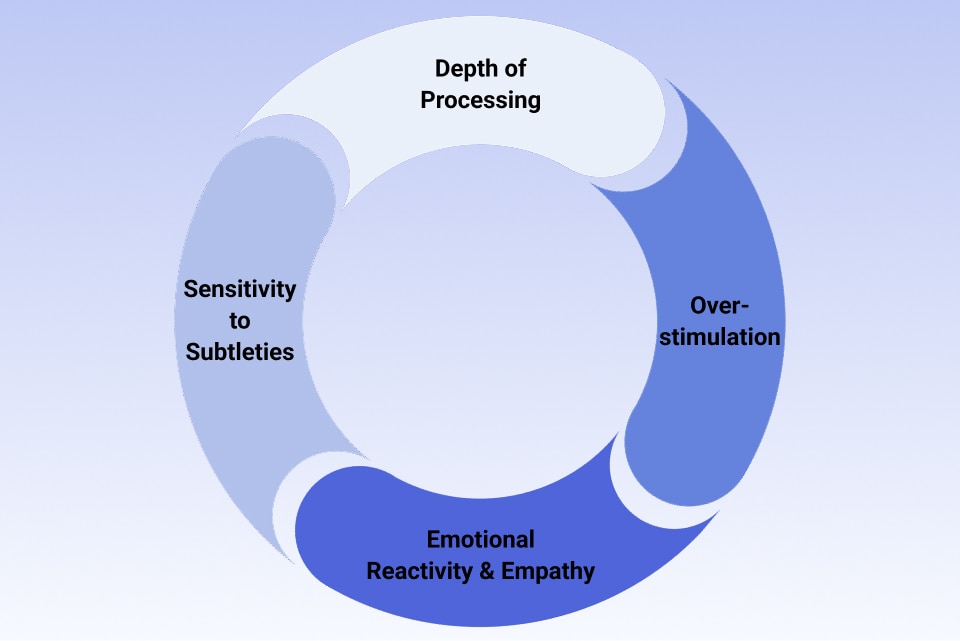
According to Dr. Aron, HSPs typically exhibit the following four traits:
Depth of Processing: Their brains tend to analyze and reflect on information deeply, noticing details and understanding cause-effect relationships. This makes them creative, but can also lead to hesitation or overthinking.Overstimulation: Due to heightened sensitivity, HSPs tire more easily. Bright lights, noise, crowded environments, or emotional tension can overwhelm them.Emotional Reactivity & Empathy: HSPs are particularly attuned to others’ emotions, with stronger mirror neuron activity. This makes them empathetic, but also more susceptible to being affected by others’ feelings.Sensitivity to Subtleties: They notice details that others often miss—changes in lighting, subtle shifts in tone, or the emotional atmosphere. This trait is valuable in art, counseling, and research.Misunderstood Sensitivity
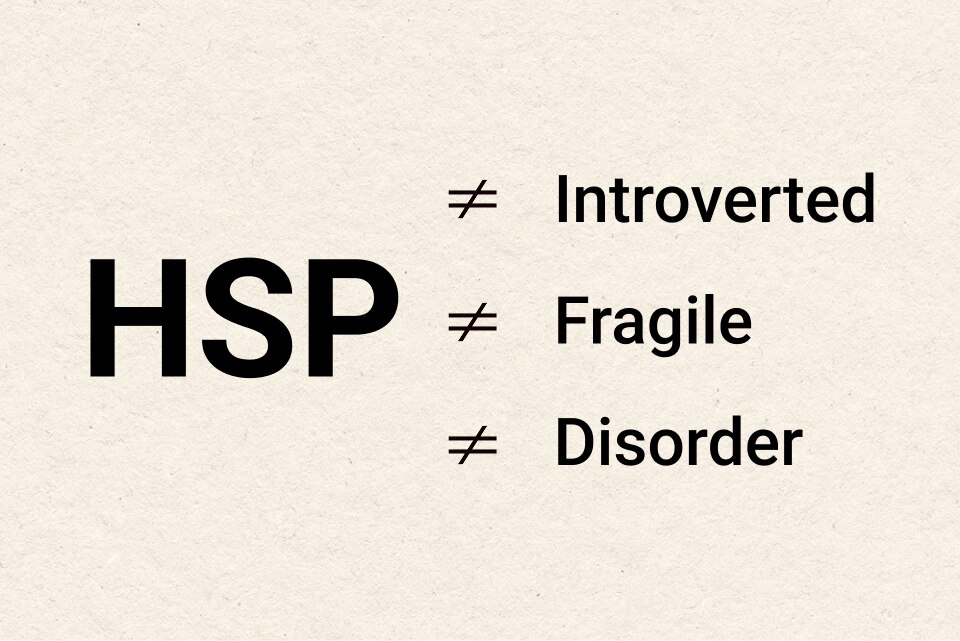
High sensitivity is not “overly emotional” or “fragile.” Psychologically, it reflects depth of perception and cognition.
HSP ≠ Introverted: About 30% of HSPs are extroverted. They enjoy social interaction but require alone time to recharge.HSP ≠ Fragile: Though emotions may fluctuate, HSPs generally have strong emotional awareness and regulation skills.HSP ≠ Disorder: Sensory Processing Sensitivity differs from Autism Spectrum Disorder (ASD) or anxiety disorders. The main challenge is information overload, not social communication difficulties.Research indicates that without a supportive environment, HSPs are more prone to anxiety or depression. Conversely, in warm and understanding environments, their happiness, creativity, and learning ability can exceed that of the general population (Aron & Aron, 1997; Lionetti et al., 2018).The Unique Gifts of Highly Sensitive People
Insight & Creativity: HSPs often possess strong intuition and emotional perception. From Van Gogh’s color worlds to Faulkner’s stream-of-consciousness narratives, sensitivity fuels artistic creation.
Empathy & Social Intelligence: They can quickly perceive others’ emotions and subtle cues, making them well-suited for counseling, communication, education, and service-oriented professions.Cautious & Forward-Thinking Decision-Making: HSPs think carefully and weigh options before acting, avoiding impulsive mistakes—an advantage in complex or high-risk situations.Self-Regulation and Growth Guide for HSPs

Accept Yourself: Sensitivity is an innate trait, not a flaw. Acceptance means allowing yourself to feel more.
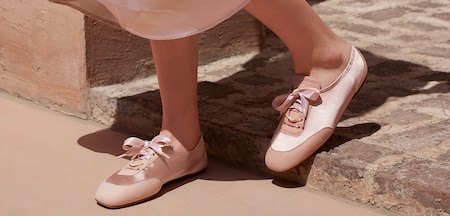
Set Boundaries and Protect Your Energy: Identify the people or situations that drain you, and learn to decline gently. Books like Nonviolent Communication and The Pyramid Principle provide practical tools:Observe, Don’t Judge: Describe facts without labeling. Example: Change “You never reply to me” to “I noticed my message wasn’t replied to yesterday.”Express Feelings, Not Blame: Use “I feel…” instead of “You make me…”State Needs and Requests Clearly: E.g., “I need some quiet time” or “Can we discuss this tomorrow?”Start with the Conclusion, Then the Reason: Example: “I’d like to leave the gathering early because I’m tired.” This reduces misunderstandings.Layered Thinking: Organize ideas hierarchically: main topic → sub-points → examples. Example: Conclusion (project needs extension) → Reason (lack of resources) → Impact (quality risk) → Solution (request a one-week delay).Writing to Think: Record your thoughts and emotions to bring clarity. Example: “I feel anxious because tomorrow’s presentation makes me afraid of mistakes.” Writing transforms vague emotions into comprehensible signals.Create a “Sensitivity-Friendly” life—find calm in nature, express through art or writing, and unwind in comfort with supportive shoes from VIVAIA’s Lightweight Collection.© VIVAIA All Rights ReservedTerms of Service - Privacy Policy -