






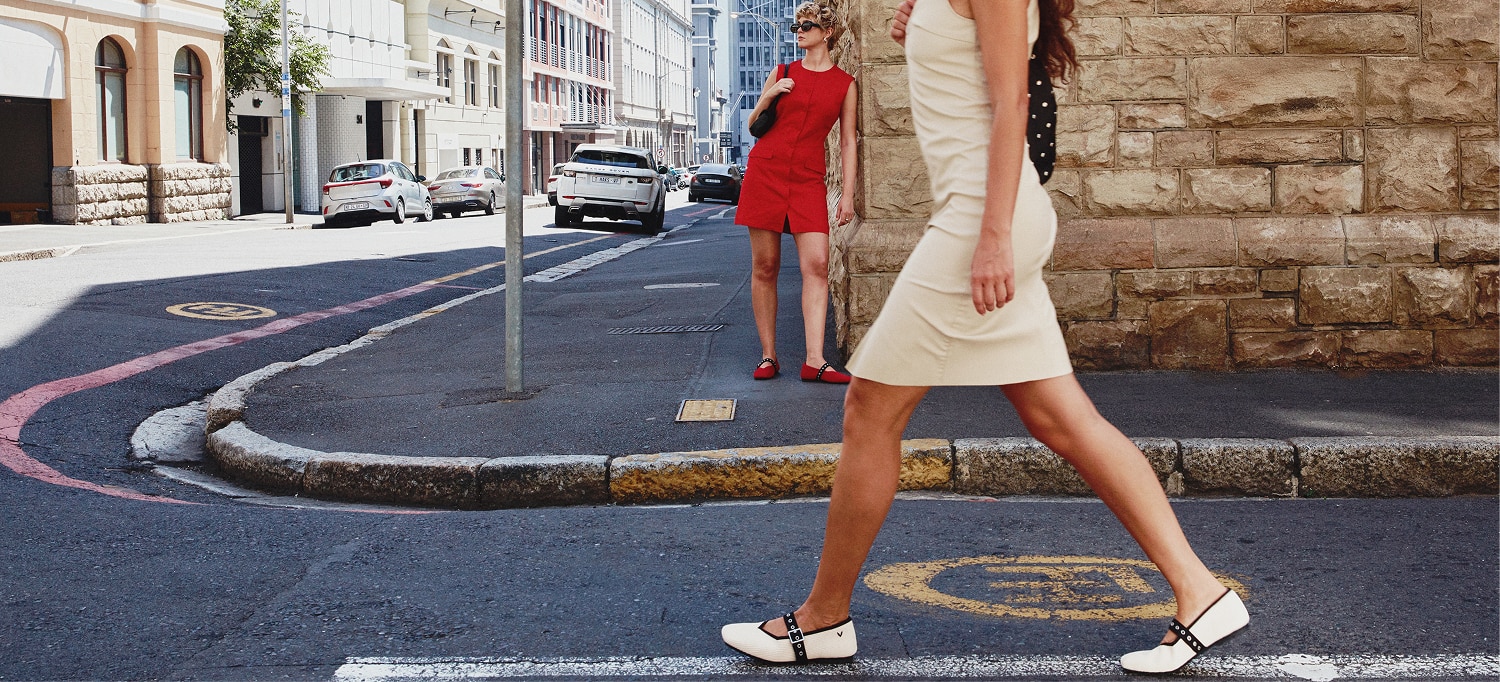
What Makes a Shoe Actually Packable
The Three Criteria: Foldable, Light, and Recoverable
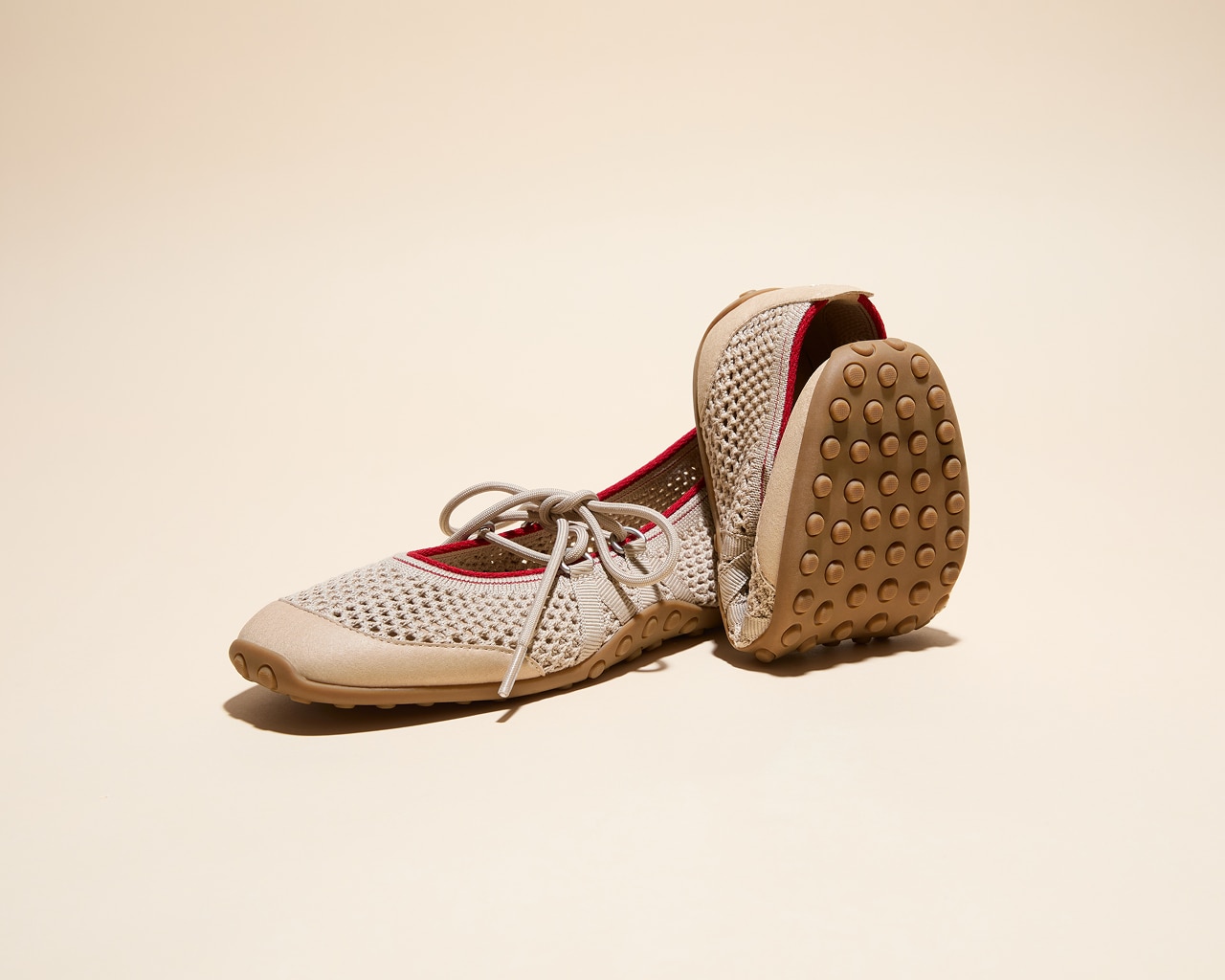
A shoe earns the "packable" label by clearing three checks, and all three matter.
1. Foldable or compressible construction.
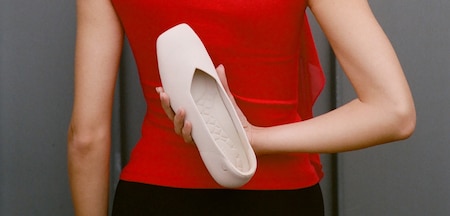
The upper material is the deciding factor. Knit, soft woven fabric, and stretchy textiles can fold flat or compress without permanently creasing. Hard leather and rigid shell uppers cannot. If a shoe can't fold in half without cracking or holding a crease, it doesn't qualify as a true packable shoe.
2. Weight under 200g per shoe (about 7 oz).
A reliable reference point for lightweight women's footwear built for travel. A single shoe under 200g disappears in your bag. Once you're above 9 oz (250g) per shoe, you feel the difference in total luggage weight. Knit and mesh styles routinely hit the 3.5–6.5 oz (100–180g) range per shoe, making them the most practical choice.
3. Shape recovery after compression.
A truly packable shoe bounces back on its own once removed from your bag. If it needs reshaping or stuffing to wear it again, the material wasn't designed for compression in the first place.
Test the Shoes Yourself
Skip the product label entirely. Place the shoe into a space roughly the size of a lunch container, about 6 by 8 inches. If it lays flat without forcing, it's genuinely packable. If it doesn't fit or requires real pressure to squeeze in, no marketing copy changes that reality.
What You Give Up and What You Don't Have To
Soft soles offer less stiffness than thick rubber running soles. That's a real trade-off worth knowing upfront. What softness doesn't automatically mean, though, is poor support. Support comes from insole design. A knit flat with a contoured, arch-supporting insole (at least 1/8 inch or 3mm thick) can outperform a hard-soled shoe with no insole at all.
What you genuinely don't need to give up: style, material quality, or outfit versatility. Those are design decisions, with no connection to foldability.
Which Type of Packable Shoe Fits Your Trip
The right starting point isn't shoe style. It's destination. Here's how to match packable footwear to where you're actually going.
City Trips and Museum Days
● The demand: 5–10 miles of walking per day, in settings where sneakers look out of place.
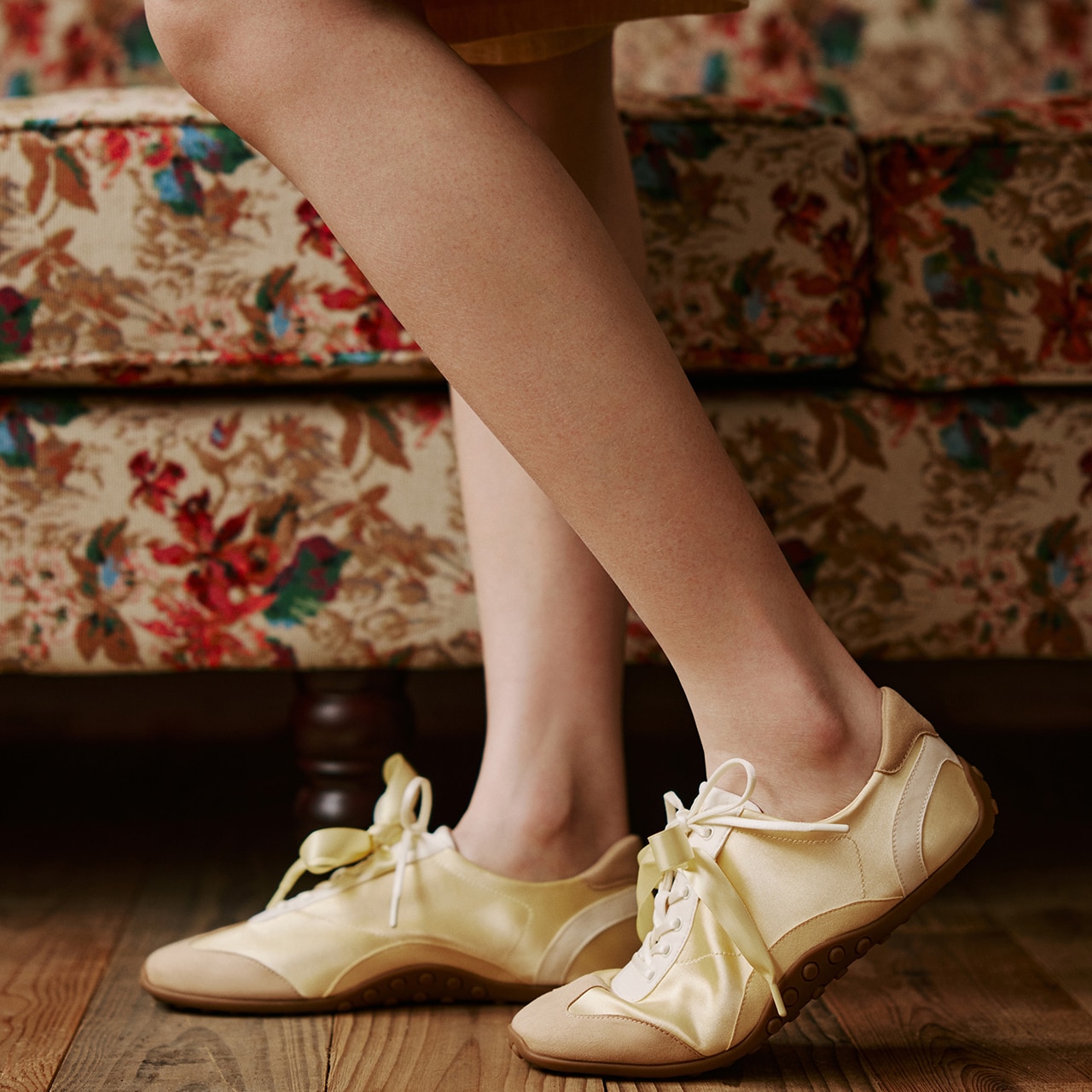
● Best fit: Foldable flats for travel with arch-supporting insoles, or Mary Jane styles in soft fabric. Look for an insole at least 1/8 inch or 3mm thick and a knit or woven upper that folds flat. This construction hits the sweet spot between packability and all-day comfort.
● Avoid: Ultra-thin ballet flats with no insole. They fold beautifully, but after six hours on cobblestones, your forefoot will register a complaint.
Warm-Weather and Resort Trips
● The demand: Breathability, low weight, and fast drying.
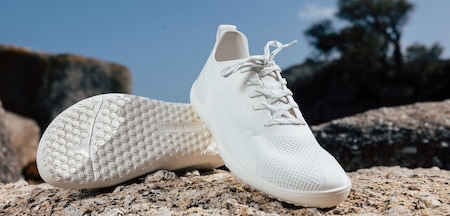
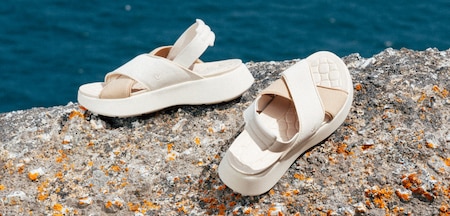
● Best fit: Mesh or woven-fabric flats and lightweight adjustable sandals. These are typically the lightest options available, with many under 5.3 oz (150g) per shoe. Knit materials dry quickly after unexpected rain or a poolside splash, which means they're back in rotation the next morning.
Business Travel and Smart Casual
● The demand: Polished enough to go from the airport to a dinner or meeting without a wardrobe change.
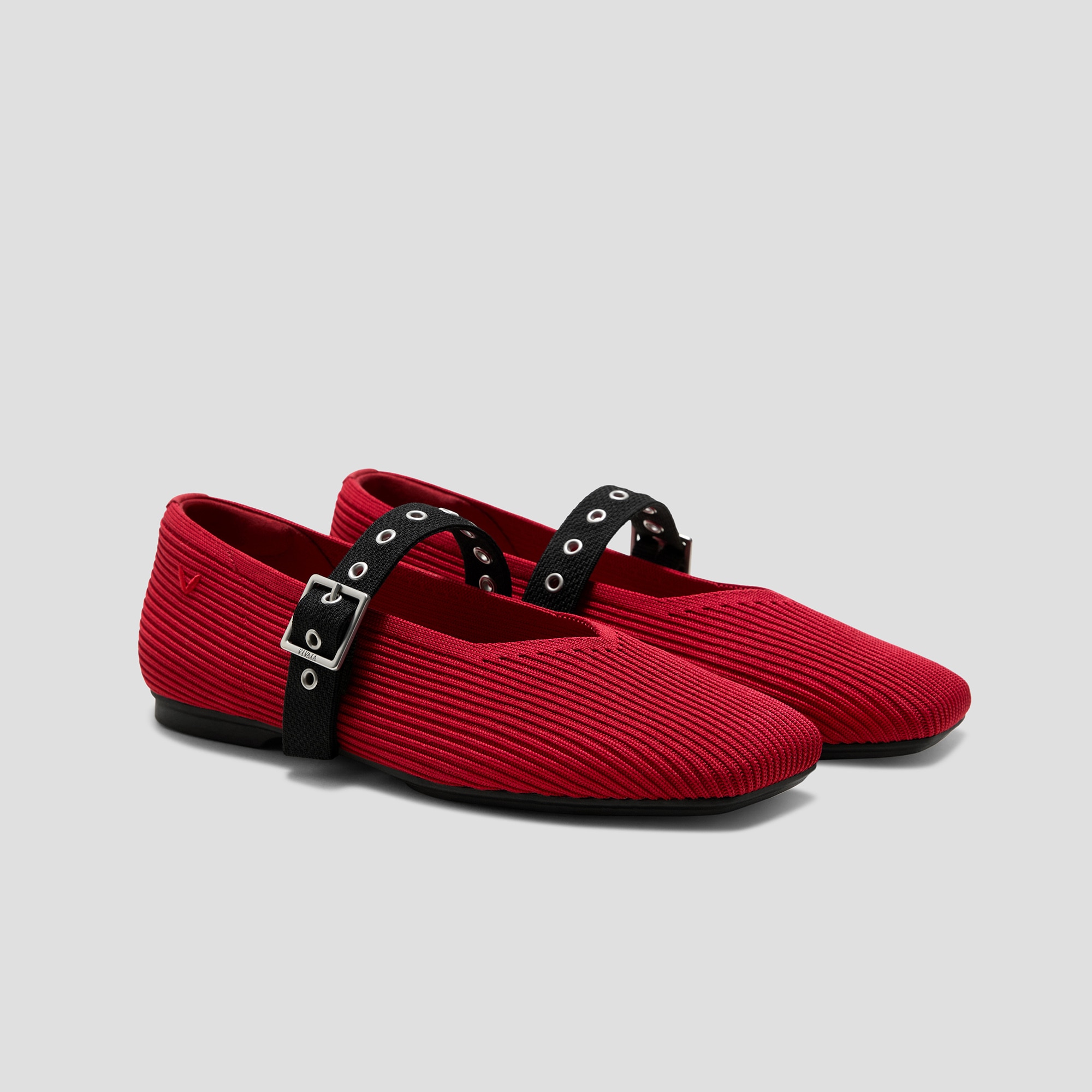
● Best fit: Square-toe or pointed-toe packable flats in black, nude, or warm brown. The formality of a shoe at this level comes from toe shape and color, not from having a heel. A square-toe knit flat in black reads as intentional and put-together in most business casual settings. Neutral-toned packable flats carry far more versatility across professional contexts than heeled styles that are harder to walk in all day.

Do Packable Shoes Actually Look Good
The Honest Answer
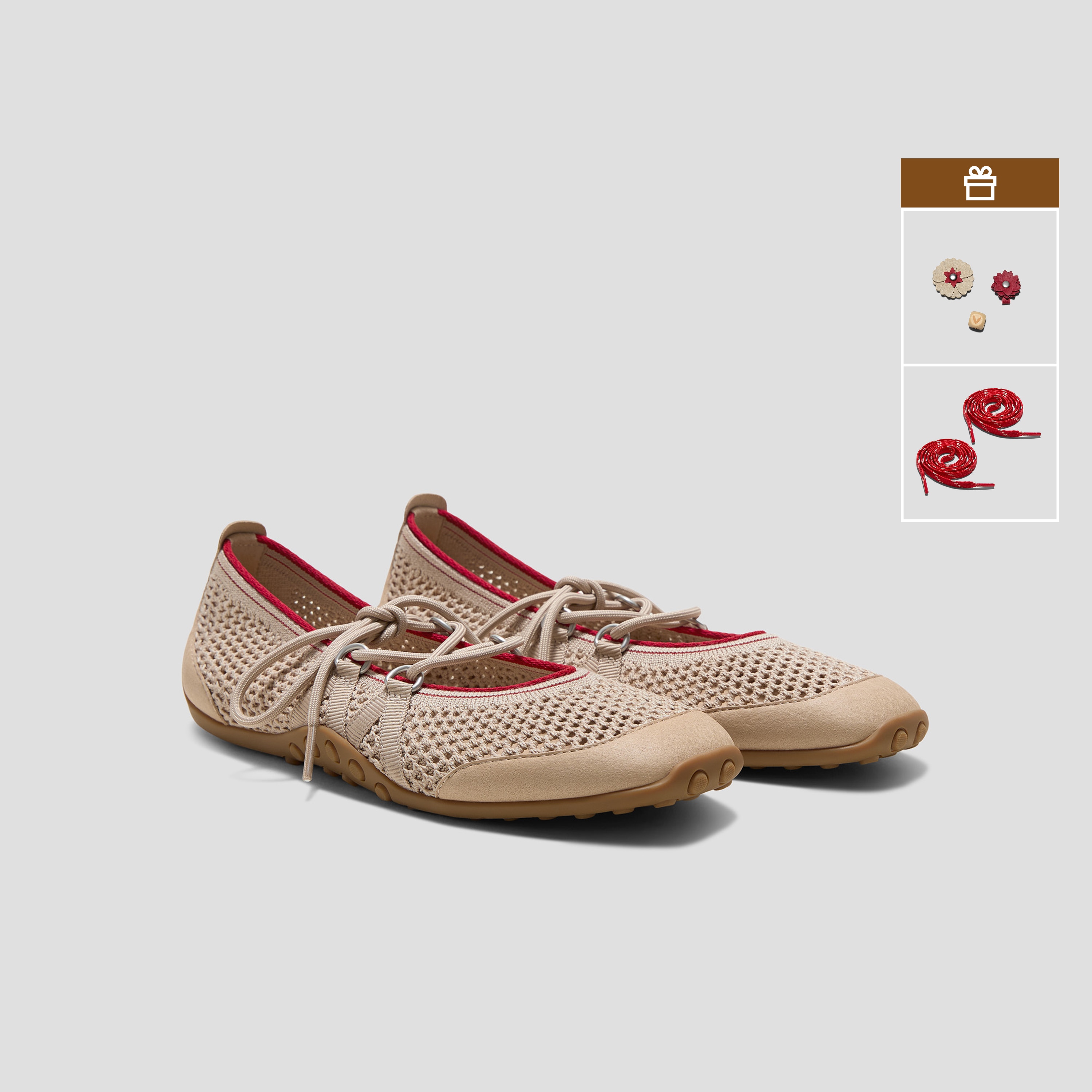
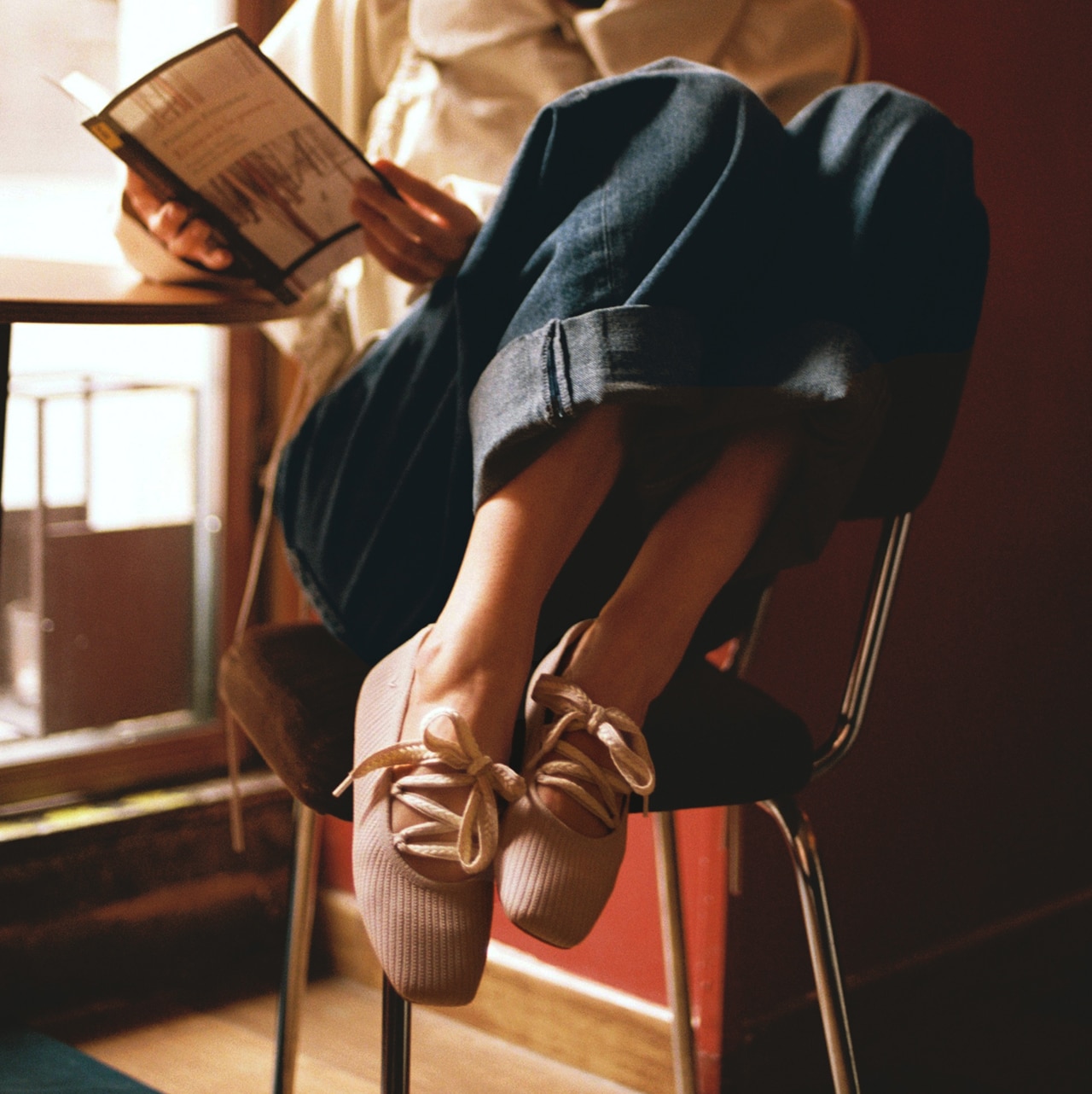
Yes, with the right pair. Packability describes structure: foldable, lightweight. It says nothing about aesthetics. A shoe looks good or not based on its material quality and design, two things that have nothing to do with foldability.
What Separates Good-Looking Packable Flats From the Rest
Three visual signals separate well-designed foldable flats for travel from the ones that look like an afterthought:
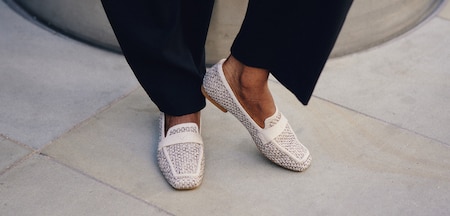
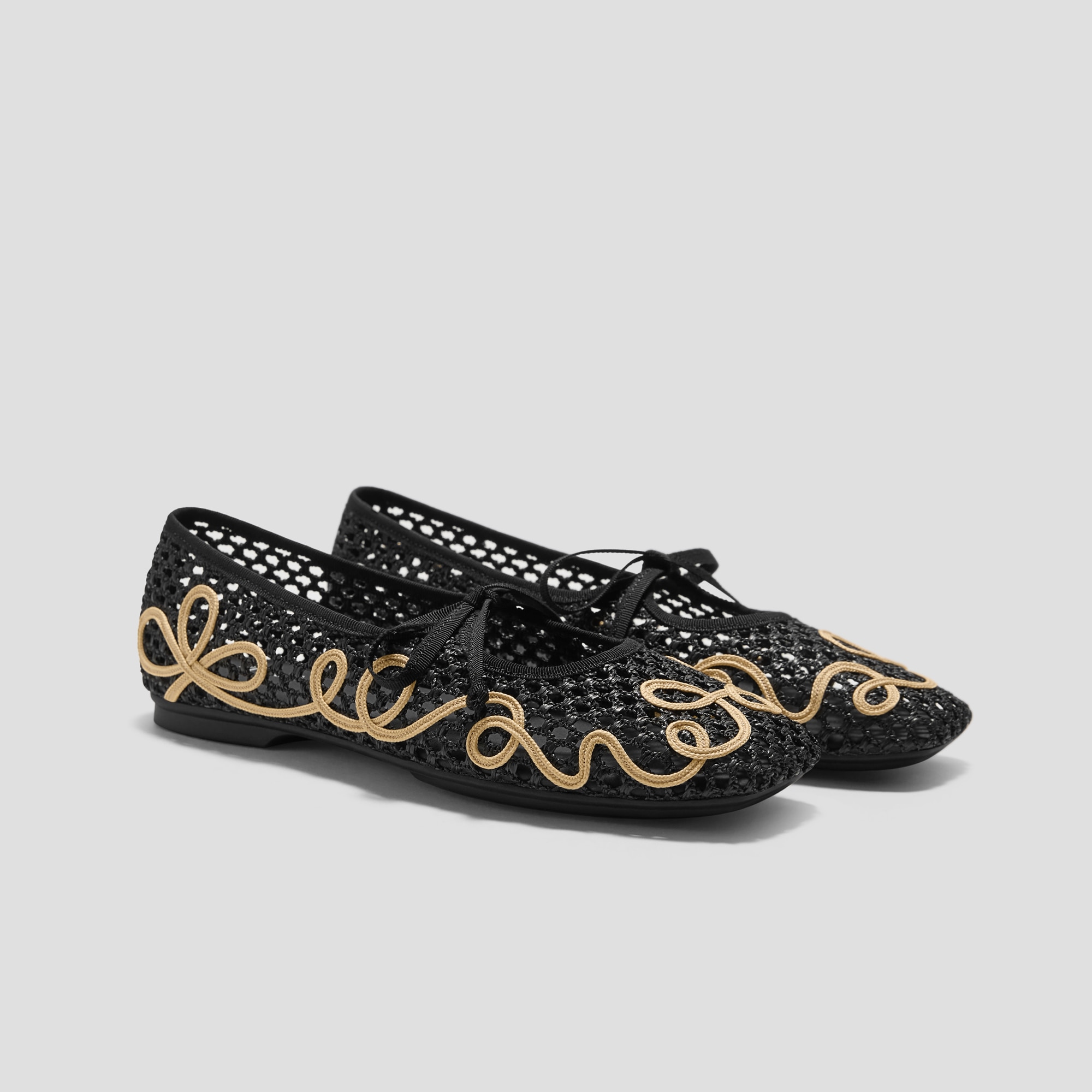
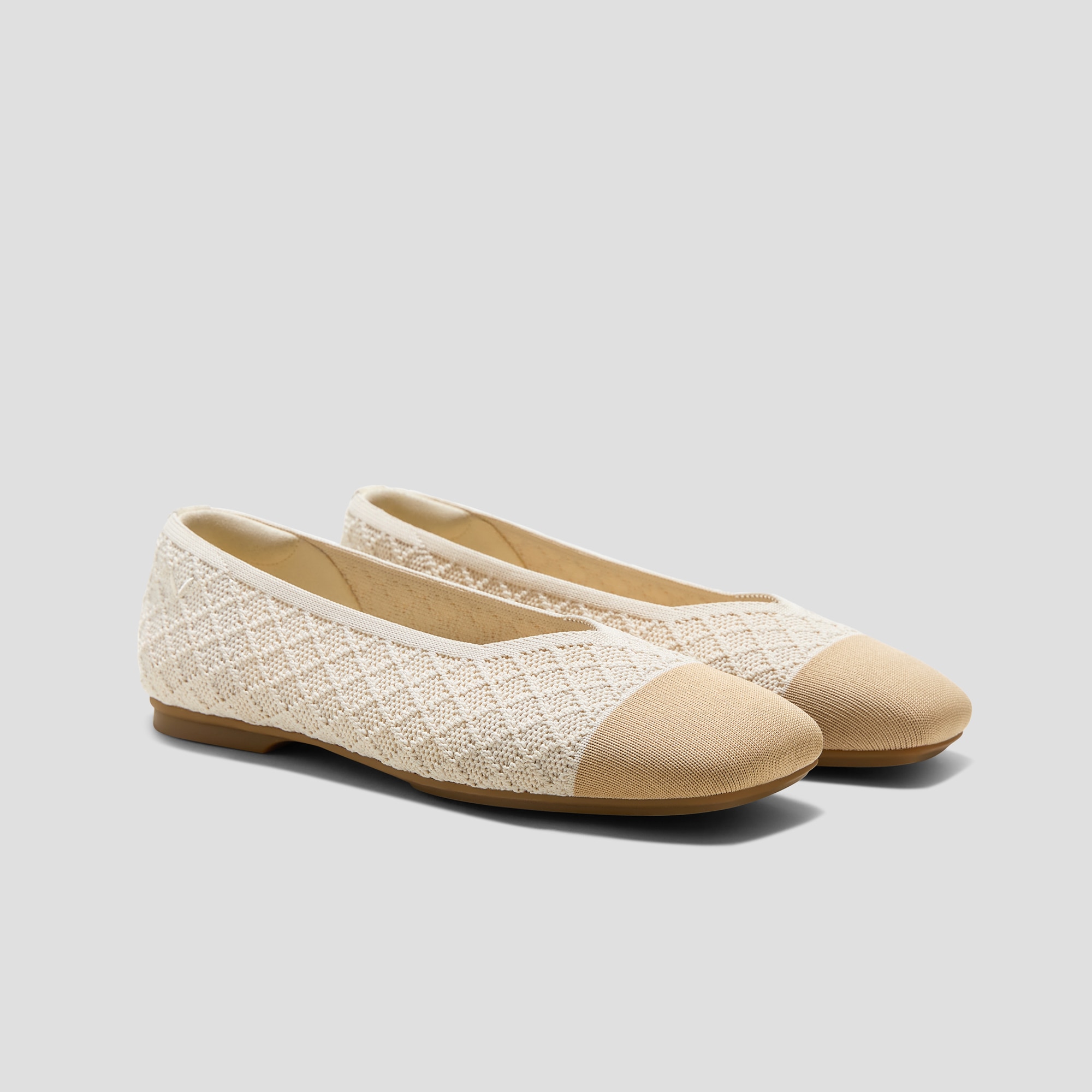
● Material texture. High-density knit and precision 3D-woven fabric have a visible surface quality, a slight sheen and a clean weave pattern, that reads as intentional and elevated. Cheaper synthetic uppers look flat and dull. The difference is obvious side by side.
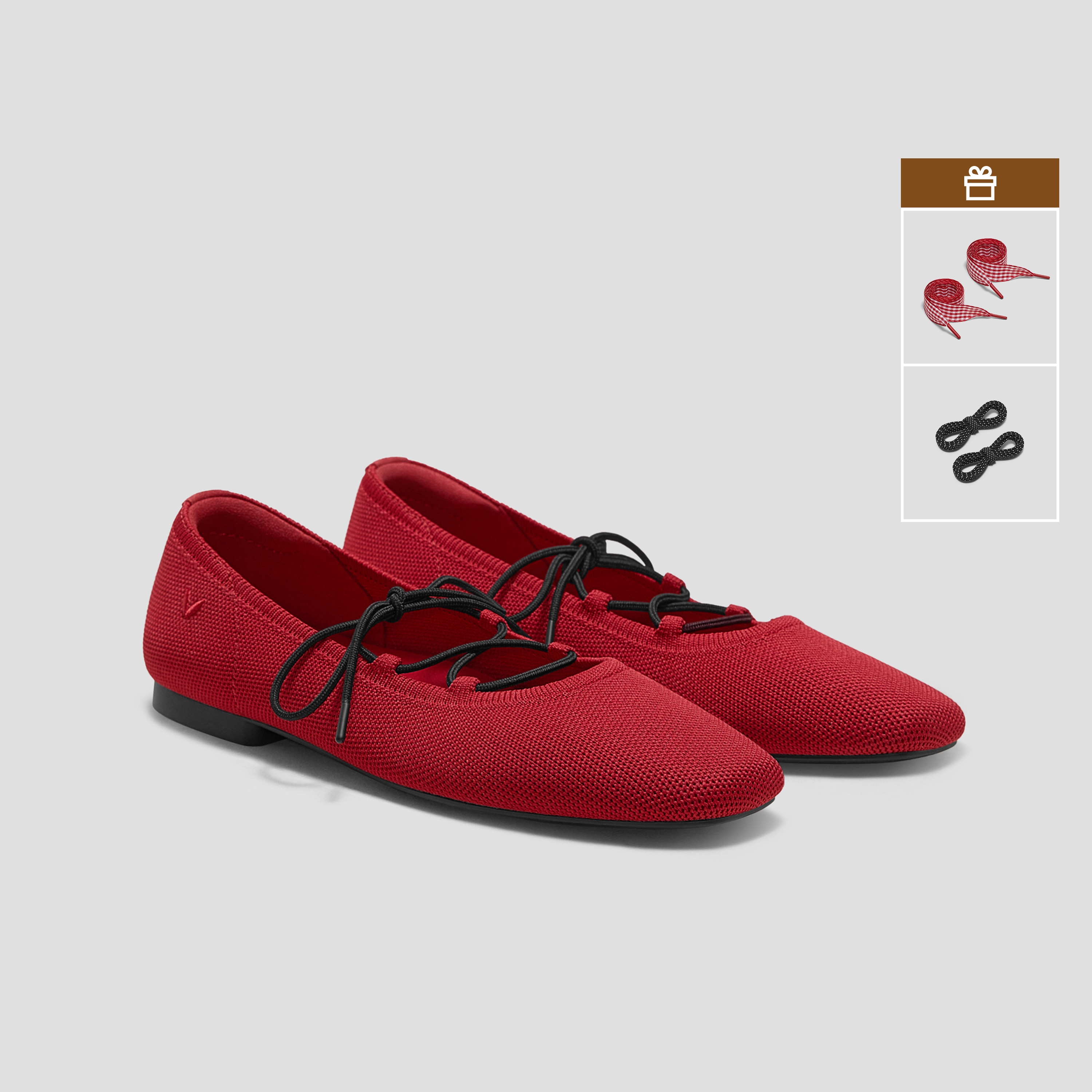
● Toe shape. Square-toe and pointed-toe silhouettes read as more considered than round-toe. Two knit flats in the same color and material, and the square-toe version almost always looks sharper.
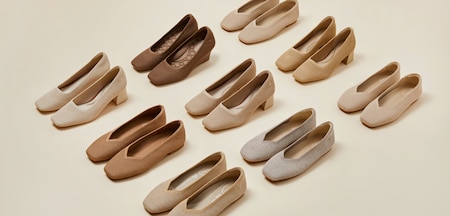
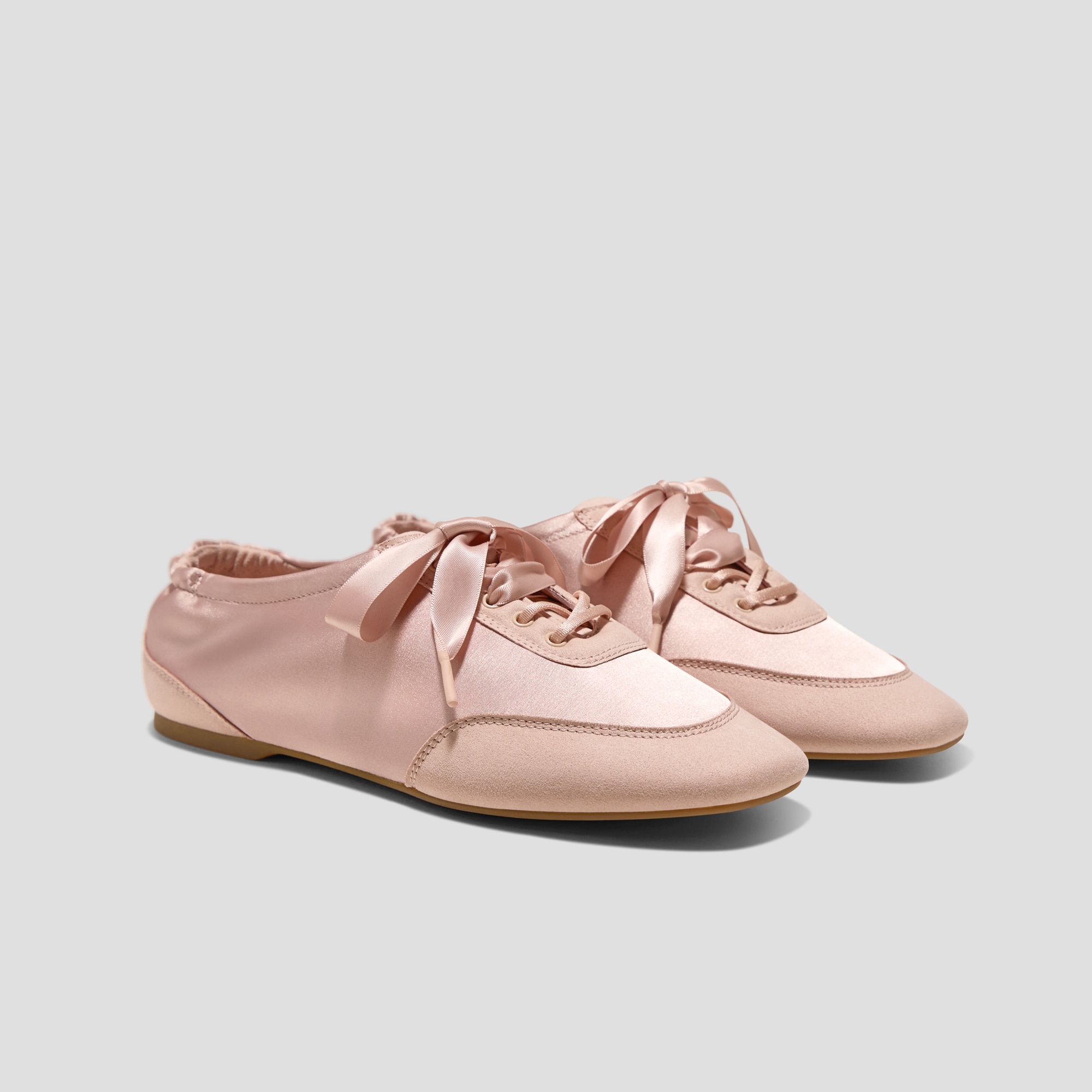
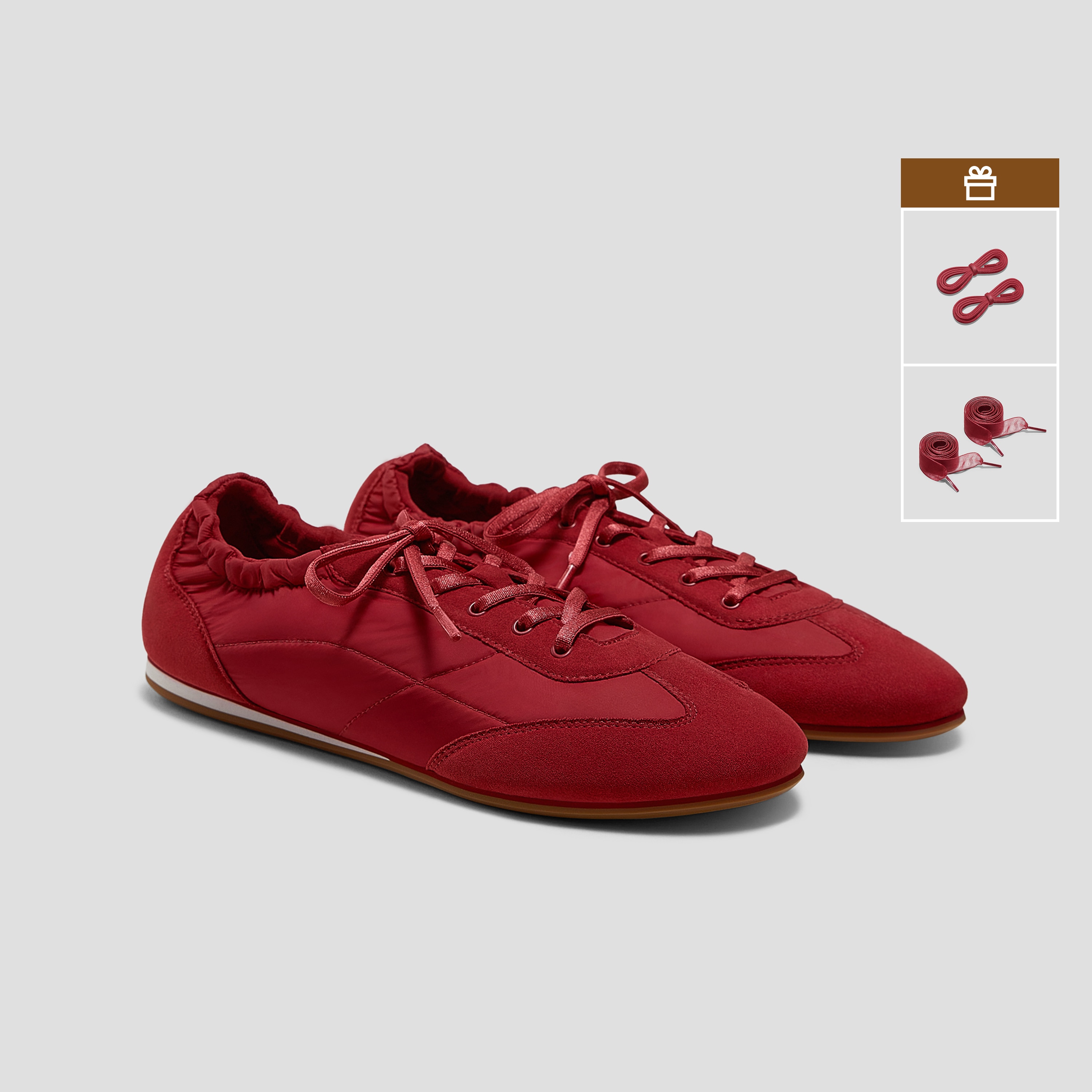
● Color. Nude, black, and deep warm brown carry a built-in polish. They pair with nearly everything in a travel wardrobe and photograph well. Bright colors narrow your outfit options and can shift a packable flat from sleek into casual.
The Machine-Washable Advantage for Travel
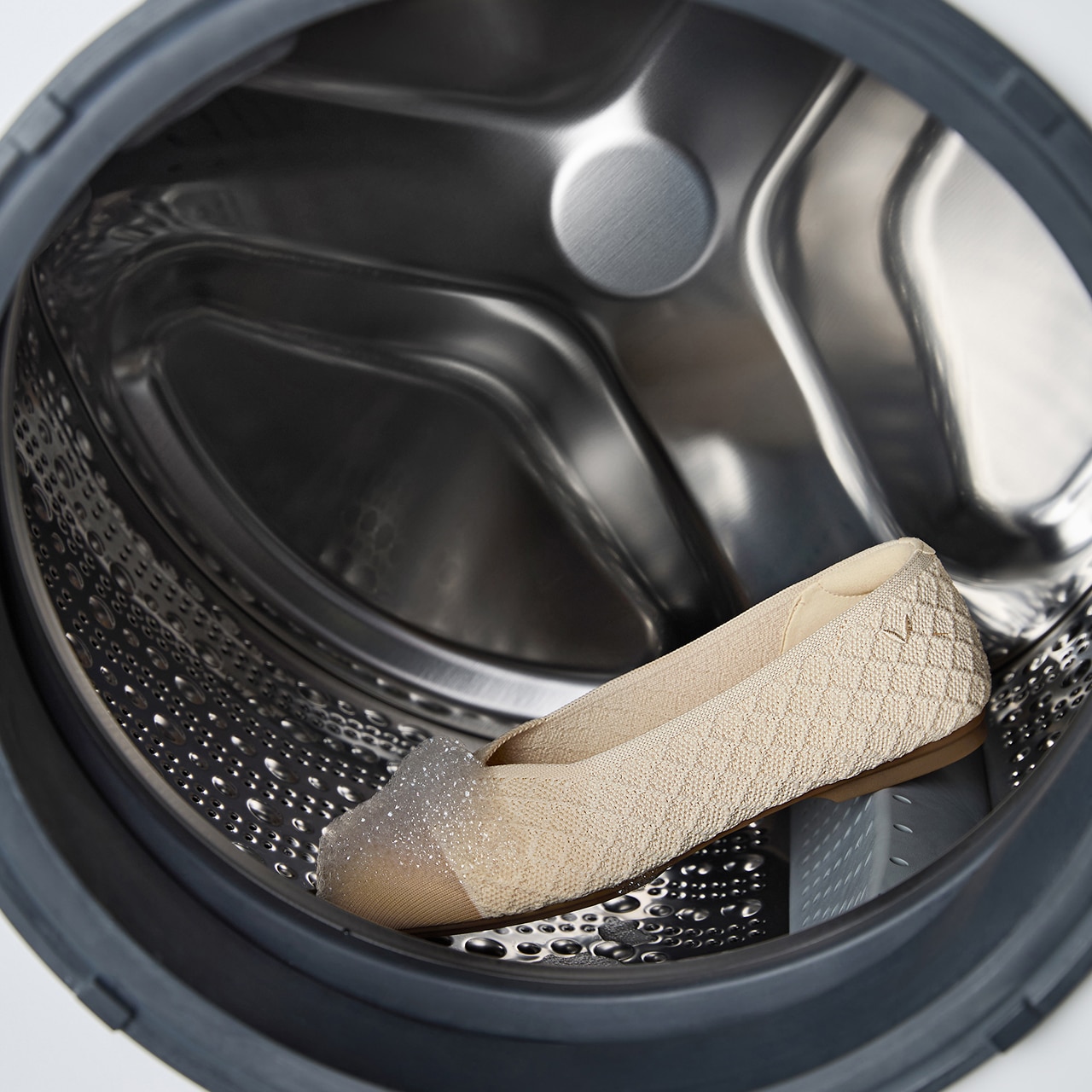
Shoes get dirty on trips. Cobblestones, dust, unexpected puddles: by day three, a shoe that looked sharp on departure can look tired. Packable knit flats that are machine washable solve this quietly. A quick wash in the hotel laundry or at the sink, and they're ready to wear again by morning.
That's where lightweight women's footwear built from technical knit fabric earns its keep across the full length of a trip, across every day of the trip, not only the first VIVAIA's flat collection is built around exactly this combination: foldable construction, sub-200g weight per shoe, and machine-washable fabric that holds its shape and color wash after wash, making them a practical fit for travel from day one to day ten.
How to Pack Shoes to Save Even More Space
Choosing the right shoe gets you most of the way there. Packing them well closes the gap.
Use the Inside of Your Shoes
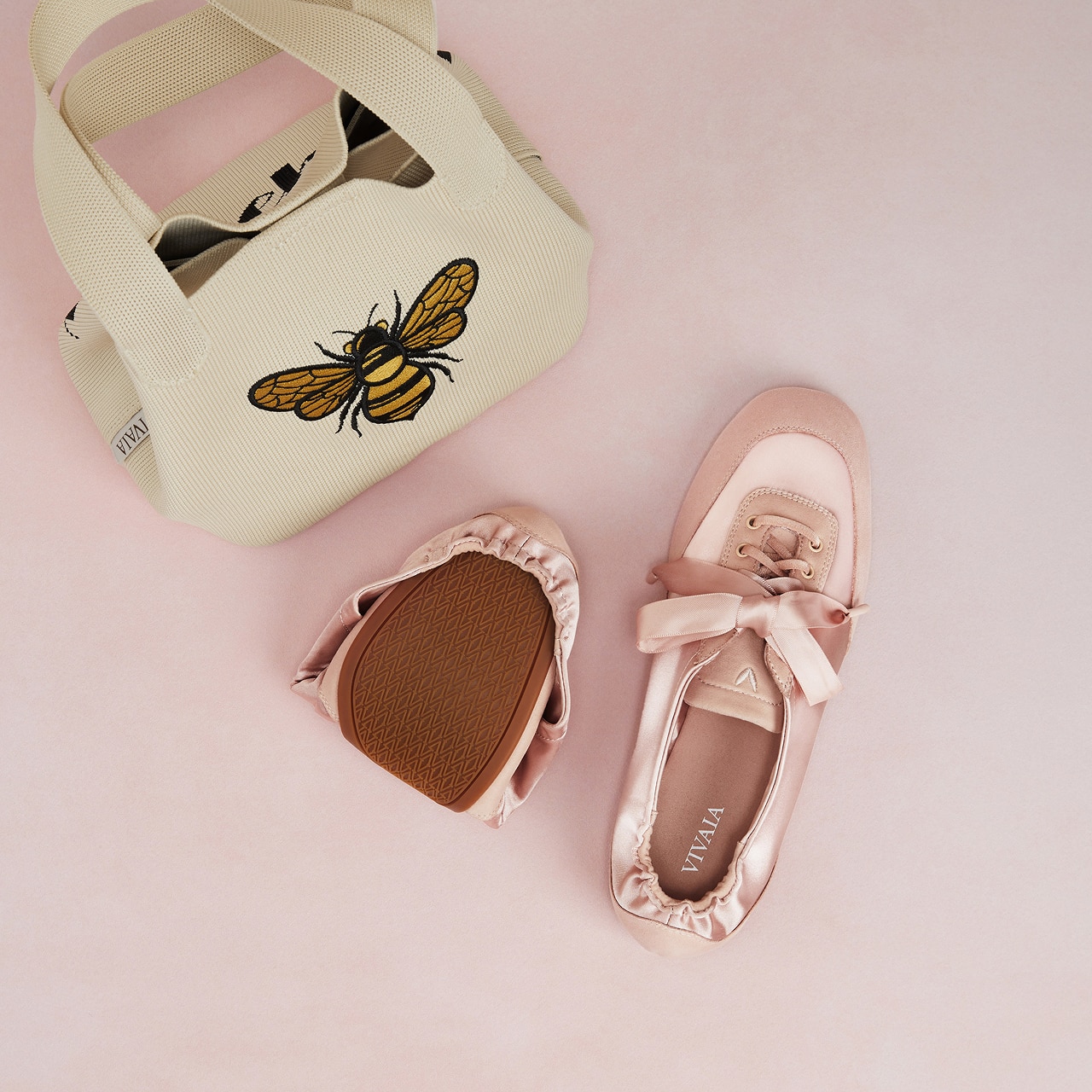
Stuff socks, a charging cable, a hair tie, or a folded tote bag inside each shoe prior to packing. Soft-soled packable shoes have an interior that conforms to whatever you put in it, so the filled shoe and its contents compress together as a single unit. Hard-soled shoes have fixed interior dimensions that you're either using or wasting.
Face Them Toe-to-Heel
Nest the two shoes together with the toe of one shoe pointing into the heel area of the other. This pairing reduces their combined footprint by roughly 20–30%. Soft packable soles make this easy to execute. A rigid outsole makes it awkward.
Where They Go in Your Suitcase
Place shoes near the wheel end of your suitcase, the base when the bag stands upright. This keeps weight low and the bag balanced. Packable knit shoes have an added edge here: they compress to fit irregular gaps along the suitcase edges and corners. A hard-soled shoe needs a flat, dedicated space. A soft packable flat finds a space.
The Real Number You Need
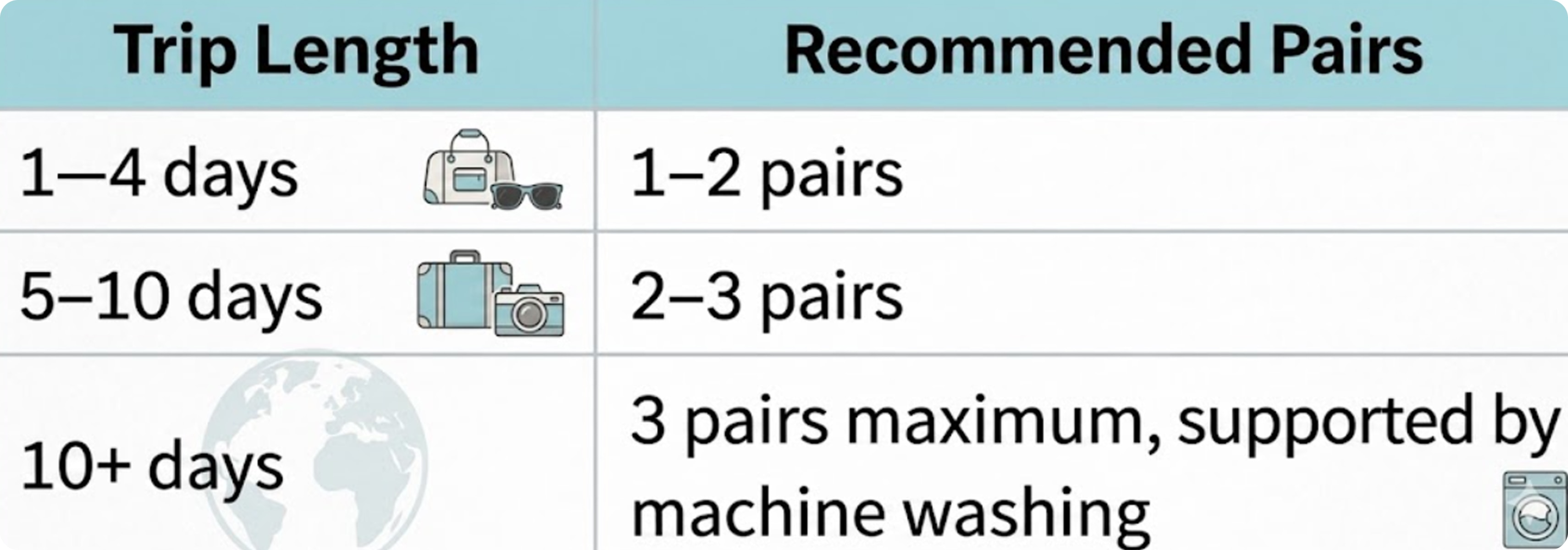
The longer the trip, the more washability compounds in value. Three packable, washable pairs on a two-week trip outperform five non-washable pairs in both luggage space and day-to-day practicality.
Conclusion
A genuinely packable shoe clears three bars: soft material that folds without damage, weight under 200g per shoe, and the ability to recover its shape after compression. From there, match the type to your destination, choose material and toe shape based on the visual result you want, and pack efficiently to reclaim even more space. Keep your total shoe count at three or under, and make sure every pair is something you'd actually reach for once you arrive. Browse VIVAIA's flats and Sneakerina collection to find packable styles built for real travel days.
FAQs
Q1: Are packable shoes good for walking all day?
It depends on the insole, not on foldability. A knit flat with a contoured arch-supporting insole can handle a full day of walking more comfortably than a hard-soled shoe with no insole at all. When evaluating any travel flat, check insole thickness (3mm or more) and if the product describes arch support. That detail is more reliable than outsole hardness.
Q2: Can I wear packable flats to a nice dinner or a business meeting?
Yes, with the right color and shape. A black or nude knit flat with a square or pointed toe reads as polished in most smart casual and business casual settings. The key is avoiding designs that signal athletic use: thick soles, bright colors, or sporty details. Toe shape and color do more work for formality than material type alone.
Q3: How do I keep packable shoes from losing their shape in my suitcase?
Three approaches work well together. First, stuff the interior with socks or small items to help the shoe hold its form. Second, use a shoe bag or dust bag to prevent other items from pressing directly on the upper. Third, position shoes along the suitcase edge rather than in the center where other items stack on top. Knit and woven materials have natural elasticity, so most packable soft shoes recover their shape on their own once unpacked.
Q4: Are packable shoes worth the price compared to regular flats?
For frequent travelers, two or more trips per year, yes. The luggage space recovered by switching to packable shoes is consistent and adds up over time. For occasional travelers, a lightweight everyday flat that also packs well can serve the same purpose without a dedicated purchase. The investment makes the most sense when you're regularly deciding between checking a bag and fitting everything into a carry-on.
Q5: What is the lightest type of travel shoe?
Knit or mesh flats and lightweight sandals are typically the lightest options, with most coming in at 100–180g per shoe. Standard athletic sneakers usually run 250–400g per shoe; hard-soled flats fall in the 200–300g range. If weight is the deciding factor, check the listed gram weight on the product page rather than estimating by material category. Weights vary across constructions even within the same material type.

© VIVAIA All Rights ReservedTerms of Service - Privacy Policy -