



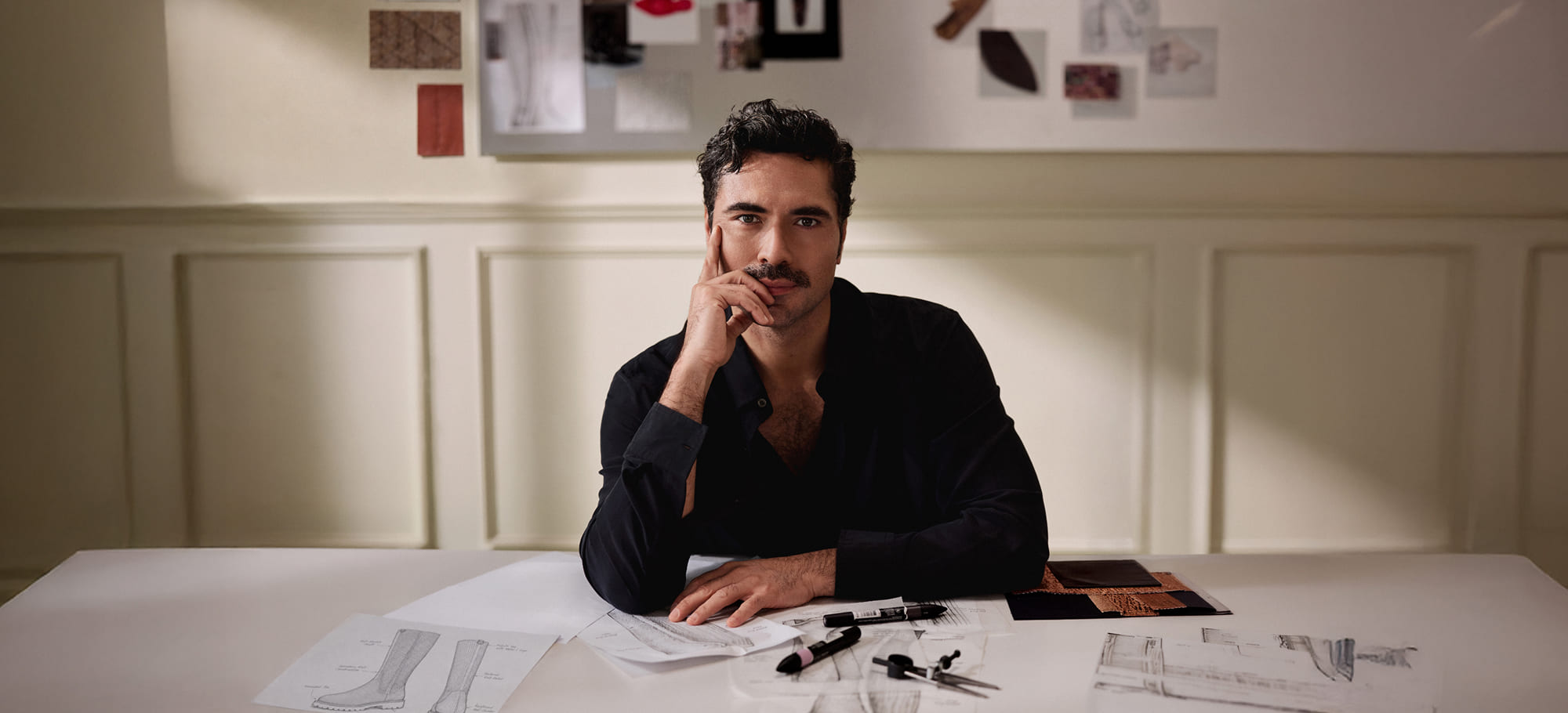
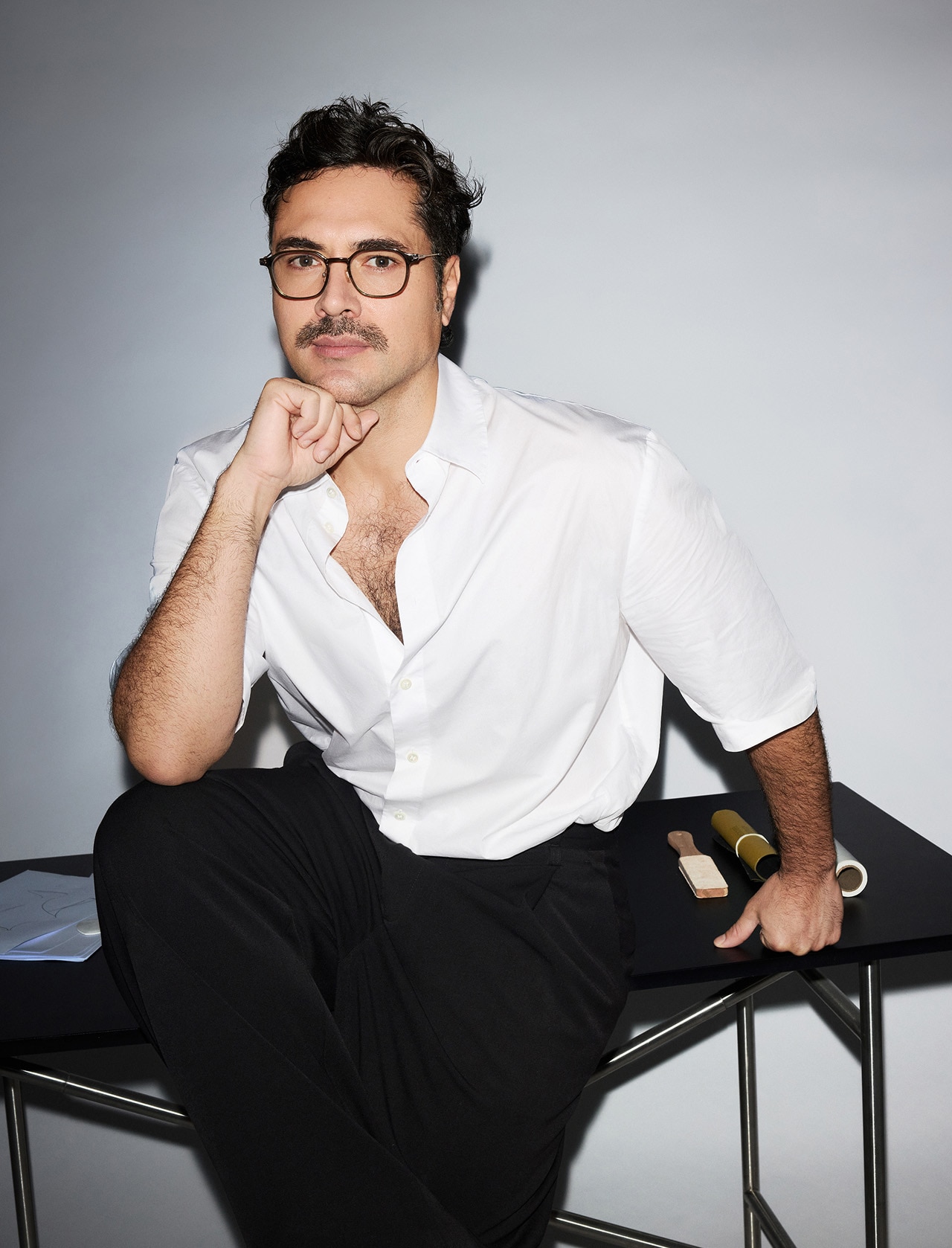
For VIVAIA’s Creative Director, it makes perfect sense. His days move between the parts of a shoe people see and the parts they don’t, testing insoles, refining fit, and shaping the details that define a finished pair.
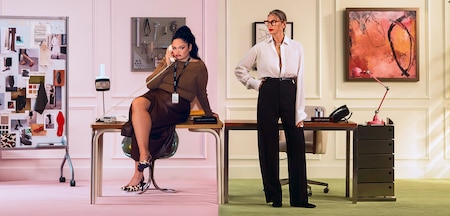
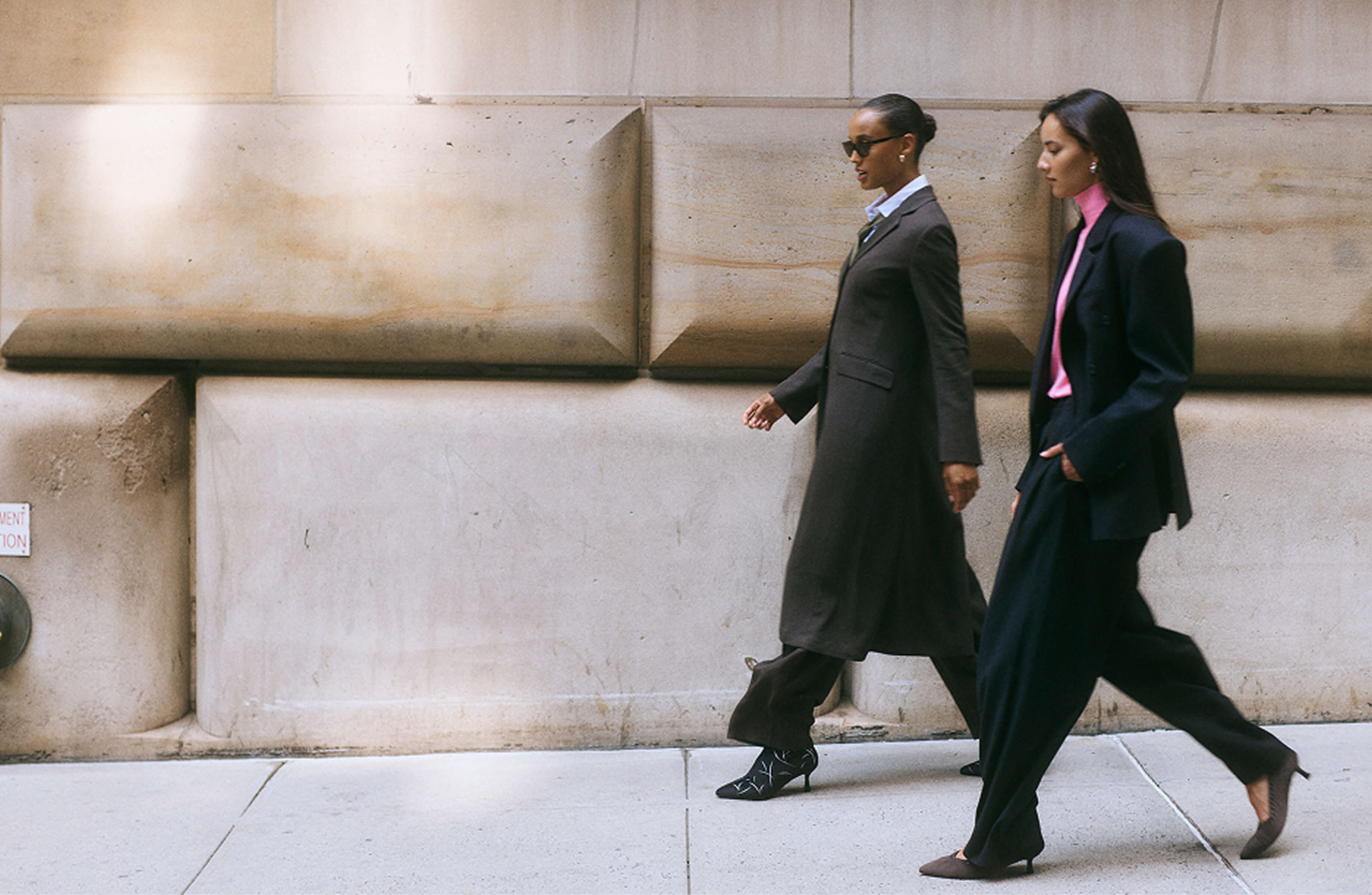
That way of thinking runs through his first FW26 collection, The Other Side of Nature. Bare branches become botanical embroidery, velvet takes on a softer matte finish, and even the pressures of office life become something to approach with humor through re:work, a campaign Alan had imagined before joining the brand.
We sat down with Alan to talk about where the collection began, the style he is most excited about, and how his approach to design continues to evolve.
What story were you trying to tell with this Fall/Winter collection?
The overall idea was to look at things from a different perspective and find beauty or humor in situations that might not immediately feel that way.
I often find beauty, fun, and connection in places that are unfamiliar.
That idea runs through the whole collection.
What did “the other side” mean to you creatively?
When we think about nature, we tend to picture flowers, greenery, sunshine.
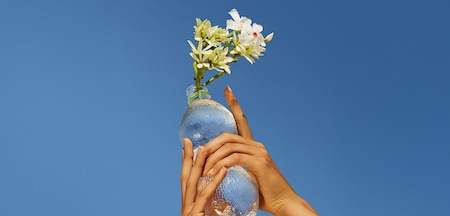
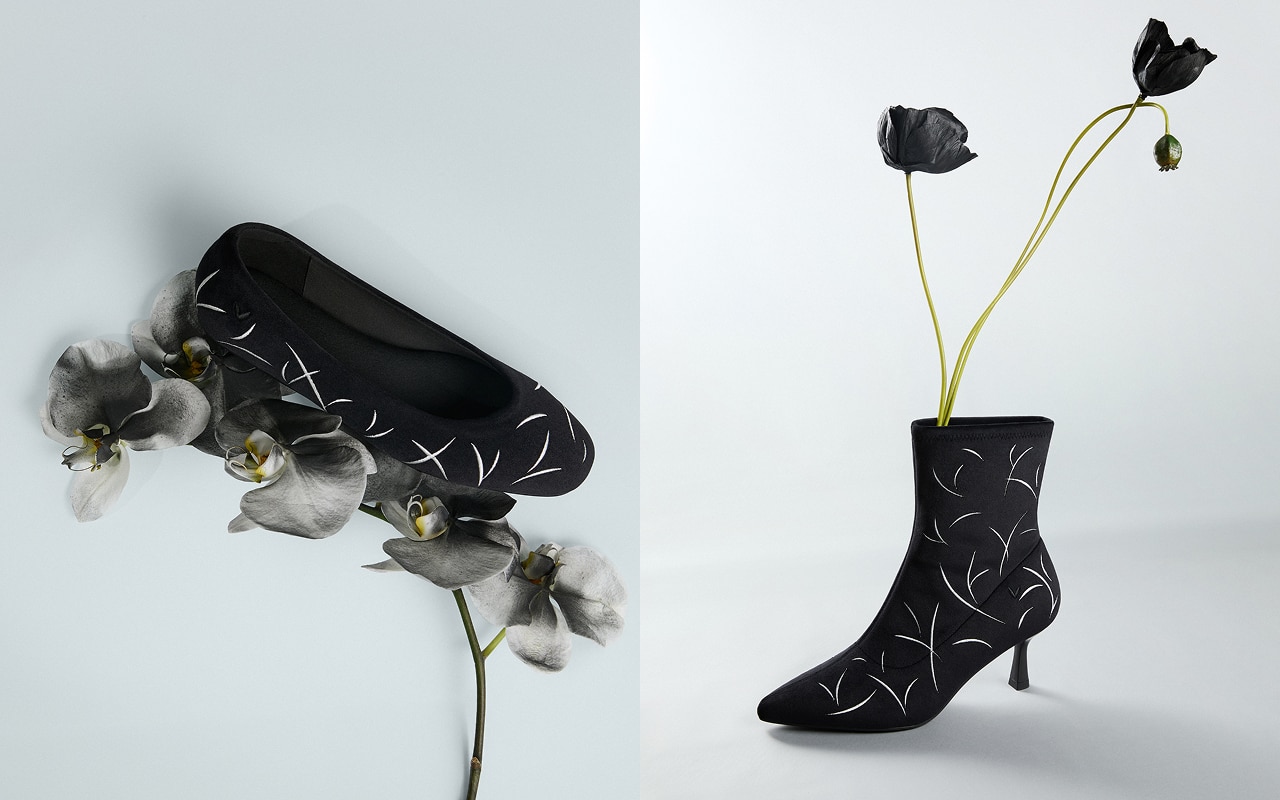
For this collection, I became interested in what remains when the leaves are gone: the branches, stems, and structures you might not have noticed before.
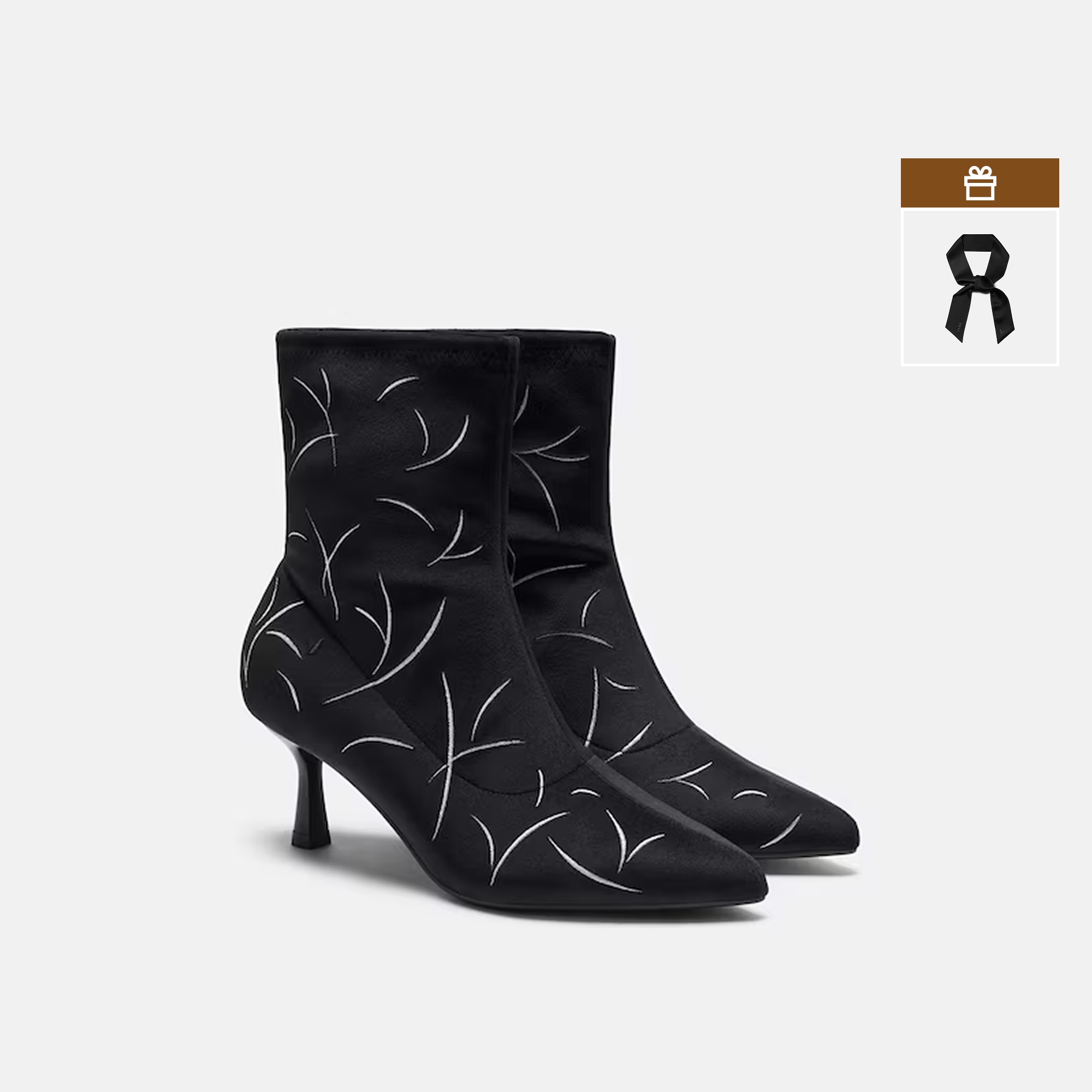
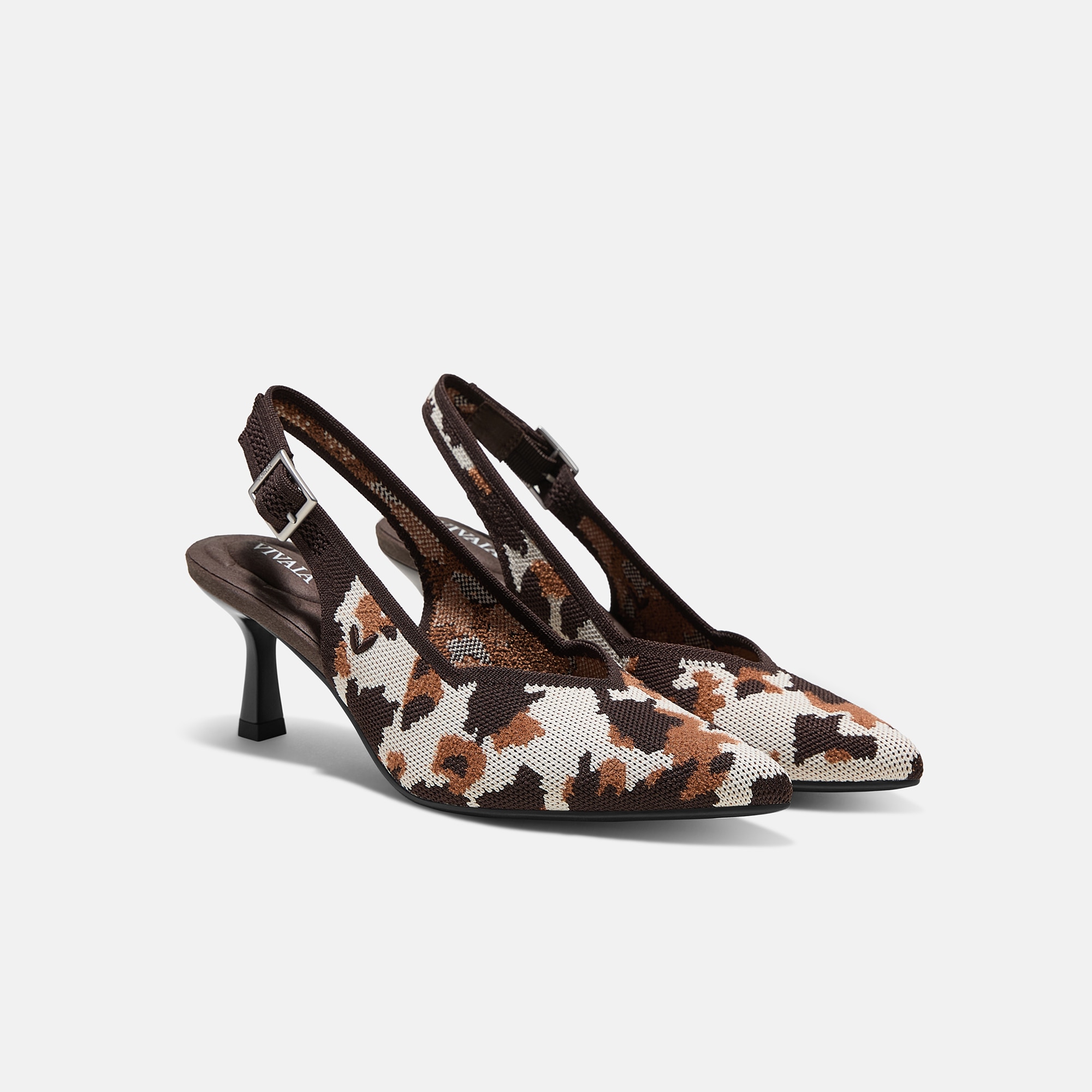
That came through particularly in the embroidery on styles like Errai, Jazura, and Laban.
There's a little nostalgia to it, but I didn't want it to feel sad.
“There’s another kind of beauty when all of that falls away. You’re just looking at a different side of it.”
What did studying podiatry change about the way you design shoes?
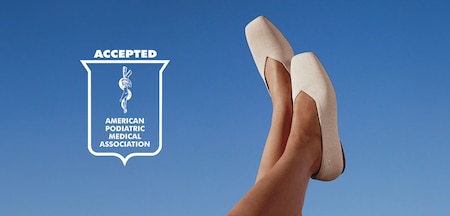
Working with a podiatrist, I saw firsthand how many problems can come from shoes that are simply too tight.
I'd known about barefoot brands and very wide toe boxes before that, but realistically, the whole world isn't suddenly going to start wearing oversized shoe shapes.
So my takeaway became:
"What is the maximum amount of room we can give the foot while still making the shoe beautiful?"
What changed when you started designing around the foot instead of an imagined woman?
The biggest challenge is that everybody's foot is different.
You could put twenty women in front of me who all wear a size 37, and you still wouldn't have twenty identical feet. Unless something is made to measure, you're never going to create one fit that is perfect for everyone.
So the question becomes: how do we accommodate as many women as possible?
We work with different fit models and constantly test where we can give more room, where we need more support, and how the shoe actually feels when someone walks in it.
That's very different from starting with an imaginary woman and designing around her age, city, or lifestyle. We started much closer to the foot itself.
How has your definition of luxury changed?
I think the definition of luxury is changing.
Growing up, luxury often meant something expensive. It represented craftsmanship, creativity, and a level of quality people trusted.
Beauty is powerful, and people will always be attracted to beautiful things. But after studying podiatry, I started looking at shoes differently.
For me now, luxury is also about fit, quality, value, and what the customer actually experiences when they wear something
What kept pulling you back to velvet?
When I think about winter and materials that feel warm and comforting, velvet has always interested me.
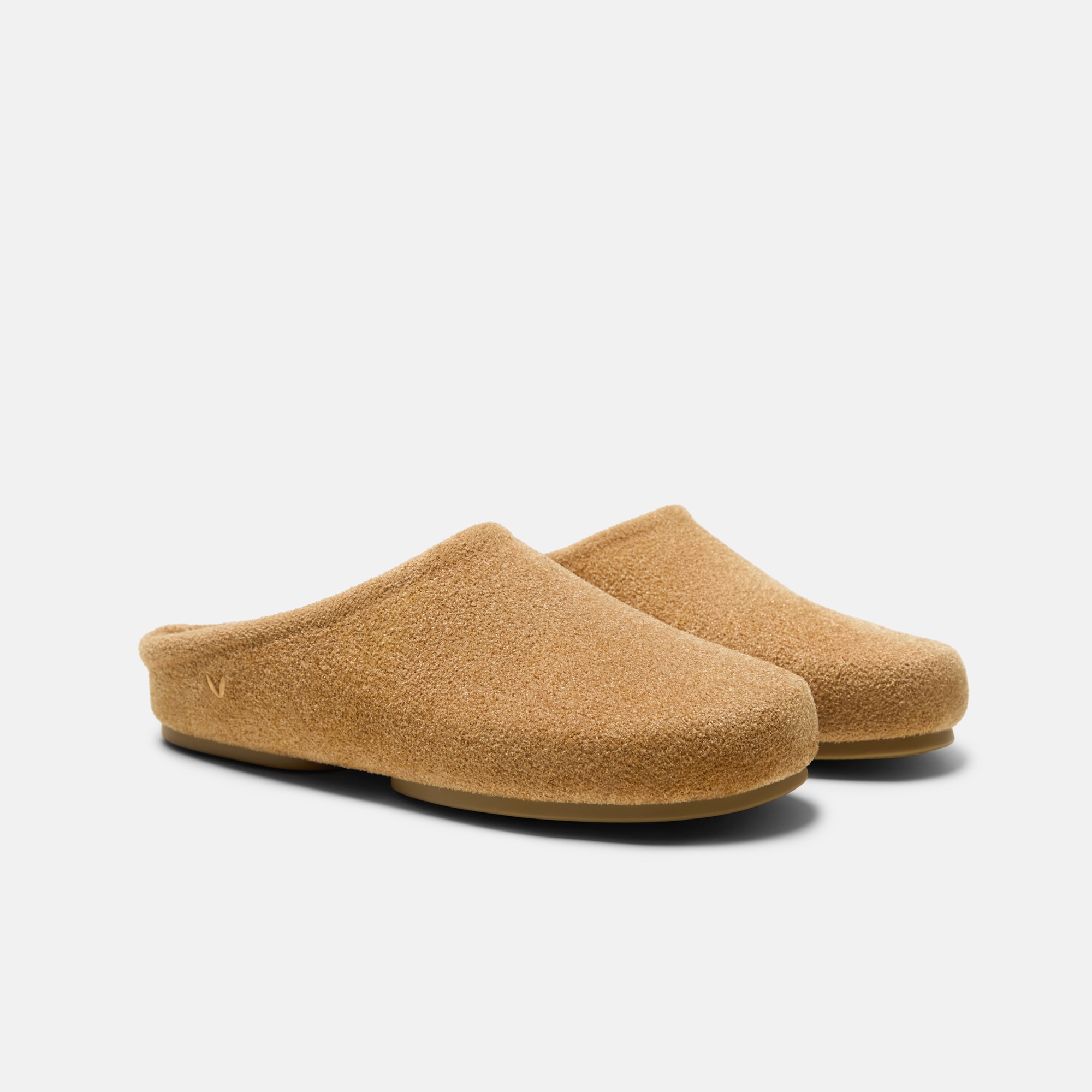
A lot of velvet can be quite shiny, with a longer pile. I wanted something much lower and more compact, almost like suede. Matte, soft, and rich to the touch.
We went through a lot of suppliers and testing to get there, but once we saw it on the shoes, the reaction was immediate. It gave us another material to play with and pushed us beyond what people already expected from VIVAIA.
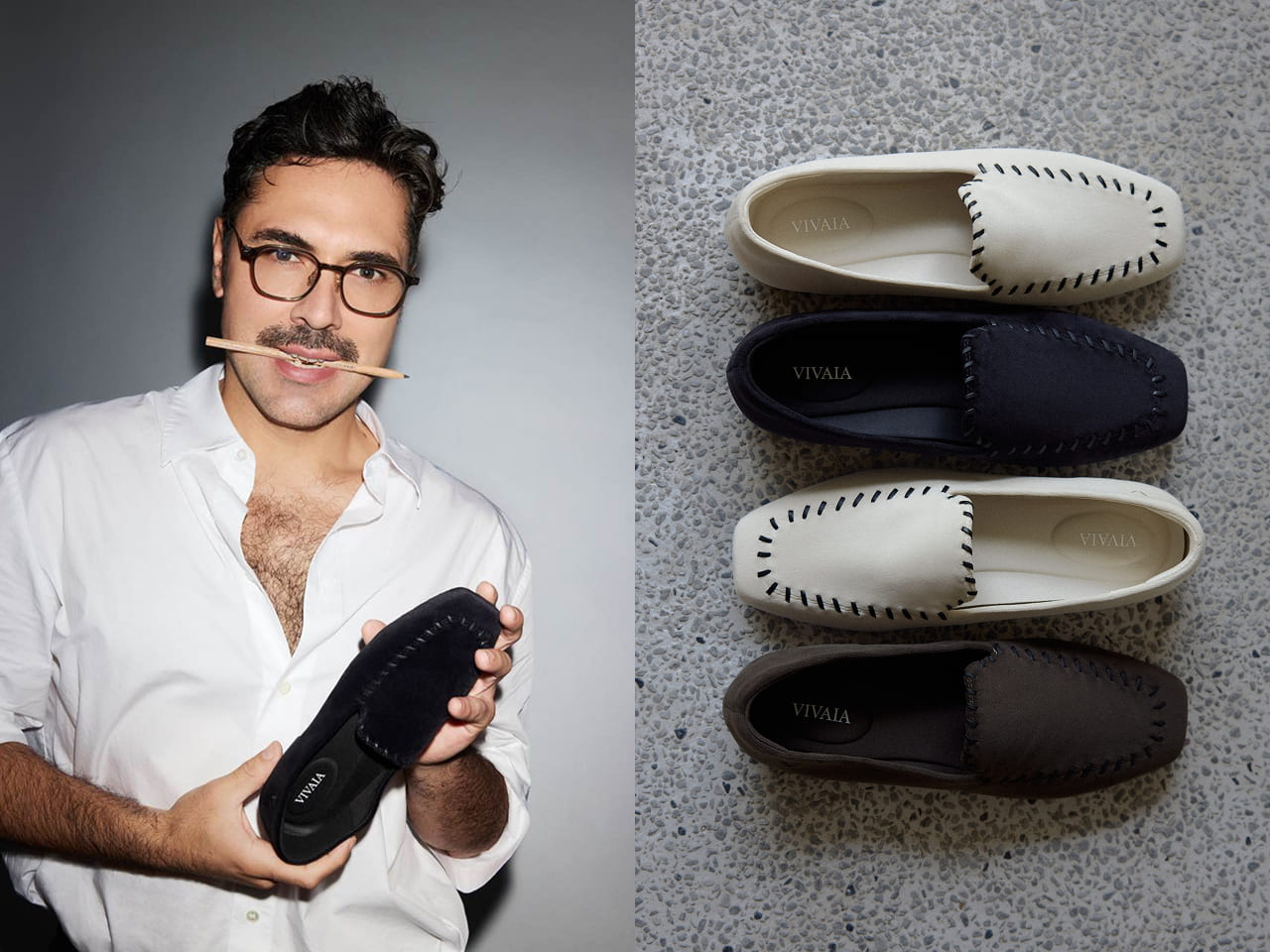
Which shoe surprised you most once you saw the finished version?
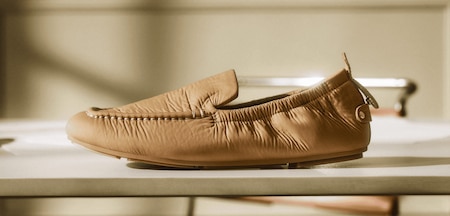
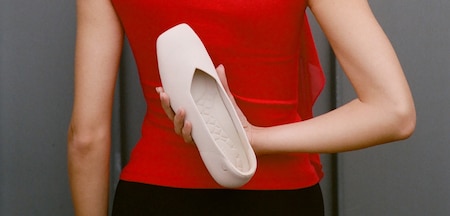
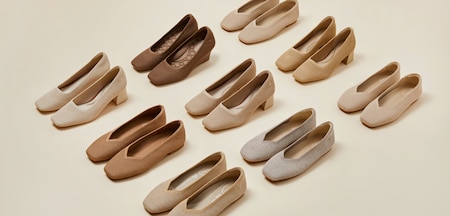
It's a ballerina built around a new toe shape we developed in Italy, and the design is incredibly minimal. You barely notice a seam.
The difficulty with a shoe that simple is that there's nowhere to hide.
When we saw it finished in velvet, everything came together. I was very proud of that one.
"The toe shape, topline, proportions, and material all have to be right."
What is one detail in the collection that took more work than people might realize?
The insole.
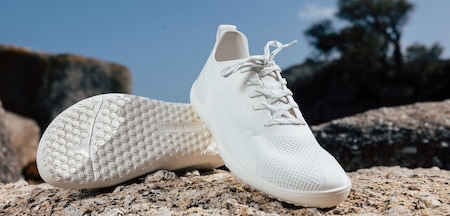
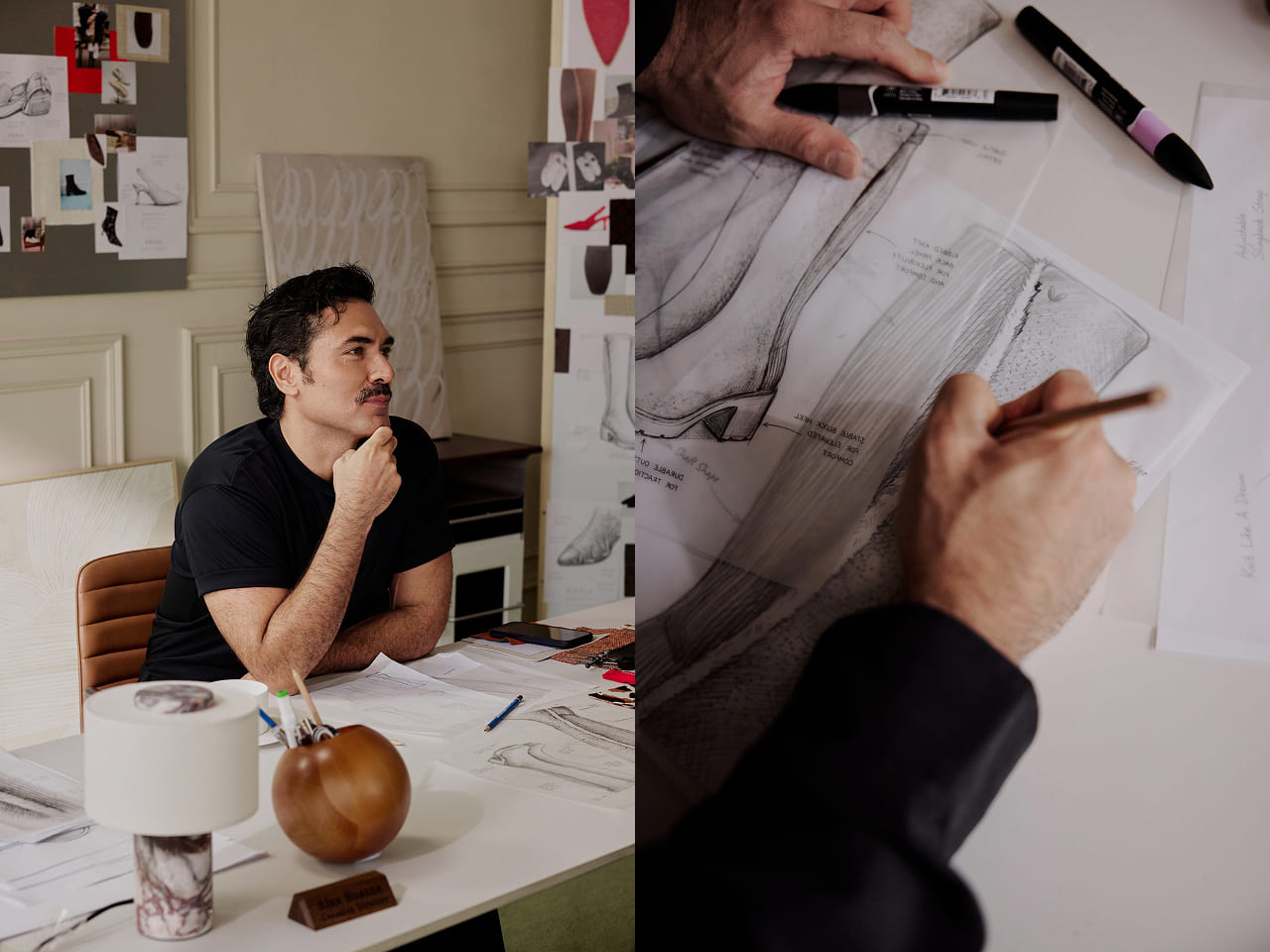
When you put your foot into a shoe, that padding isn't just something the factory takes from the stockroom and puts inside. It goes through constant testing.
One part might need to be softer, another firmer. The back might need something different from the front.
I think people naturally focus more on the outside of the shoe, but the inside is what they actually experience.
They might not have the technical language to say, "This is a really good insole." They just put the shoe on and say, "This feels really comfortable."
What does this collection say about where VIVAIA is heading next?
The things customers already love about VIVAIA, like fit, comfort, and color, aren't going anywhere. I almost think of those things as our heritage.
What we're layering on top is more newness, without simply chasing trends. I want us to create details and shapes that you can only find at VIVAIA.
“We’re moving from ‘I love VIVAIA shoes’ toward ‘I love VIVAIA.’”
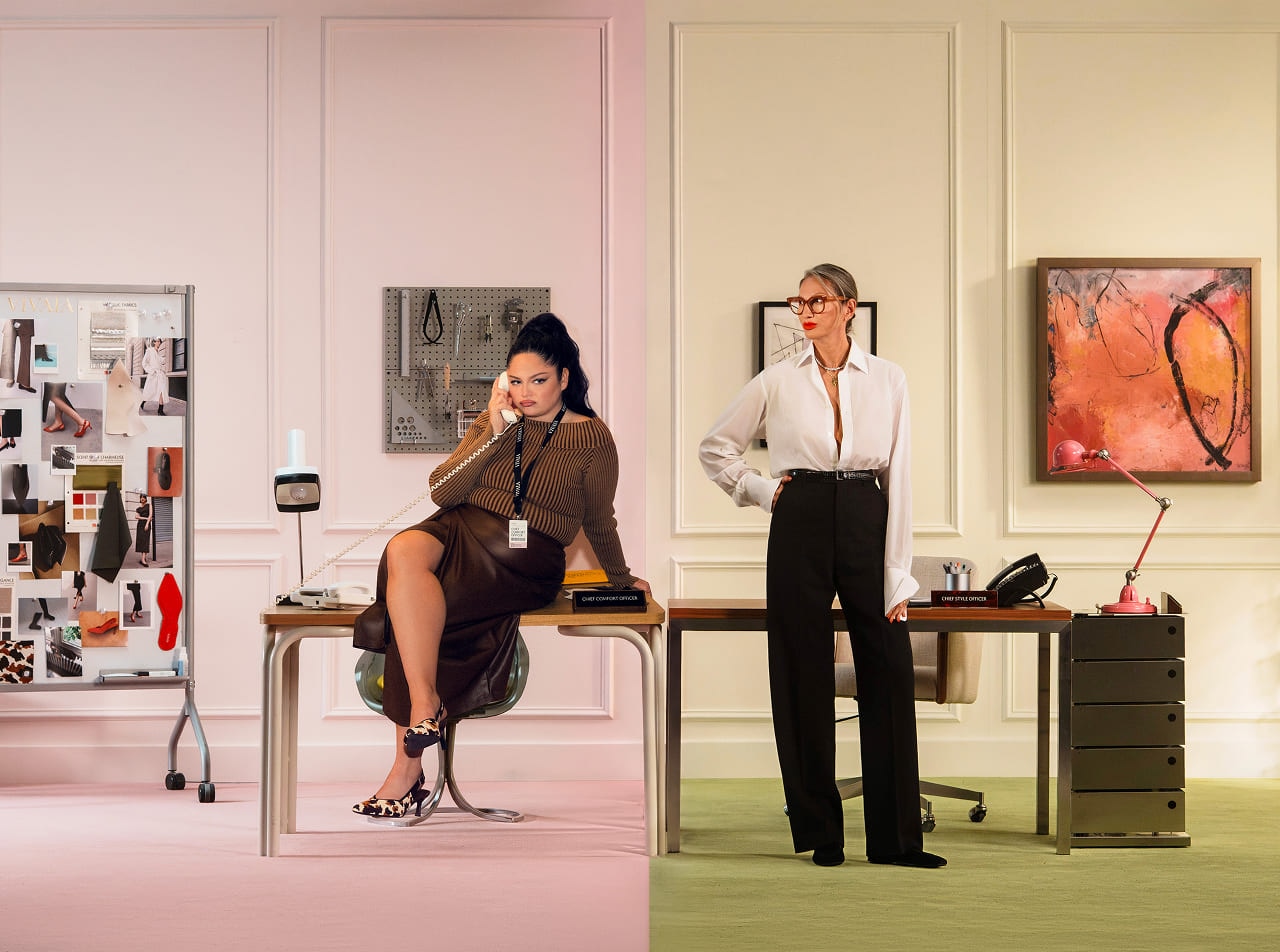
Was there a moment when it stopped feeling like an idea and suddenly felt real?
For me, it was on set.
We'd already spent days preparing. I'd seen the set, the lighting, the rehearsals, everything coming together. But in the back of my mind, I was still thinking about all the things that could go wrong.
Then the director called everyone to set, and I met Jenna there for the first time. She was dressed, she knew the script, and the lights were on.
We clicked straight away, and suddenly this idea I'd had before I even joined VIVAIA was actually happening in front of me.
How did sustainability shape the creativity behind this collection?
As a design team, we try to change the way we talk about sustainability.
Instead of thinking, I can't do this or I have to work this way, we try to flip it into: I get to have this challenge. I get to work with a new material. I get to learn something new.
With our knit, that means asking what else we can do with it: weaving, printing, layering, and embroidery.
Sustainability pushed us to reinvent materials we already believe in.
You’ve said re:work is really about freedom. What does workwear mean in 2026?
Work is everywhere. People work from home, on airplanes, in coffee shops, and in corporate offices. Wherever you work, you still want to feel prepared, dressed, ready, and comfortable.
But everyone's version of that is different.
For one woman, that might mean a heel, doing her hair, and putting on makeup. For someone working from home, it might mean a loose sweater and a clog that makes her feel like the workday has started.
For me, workwear was never just about the visual representation of an office. It was more about the state of mind.
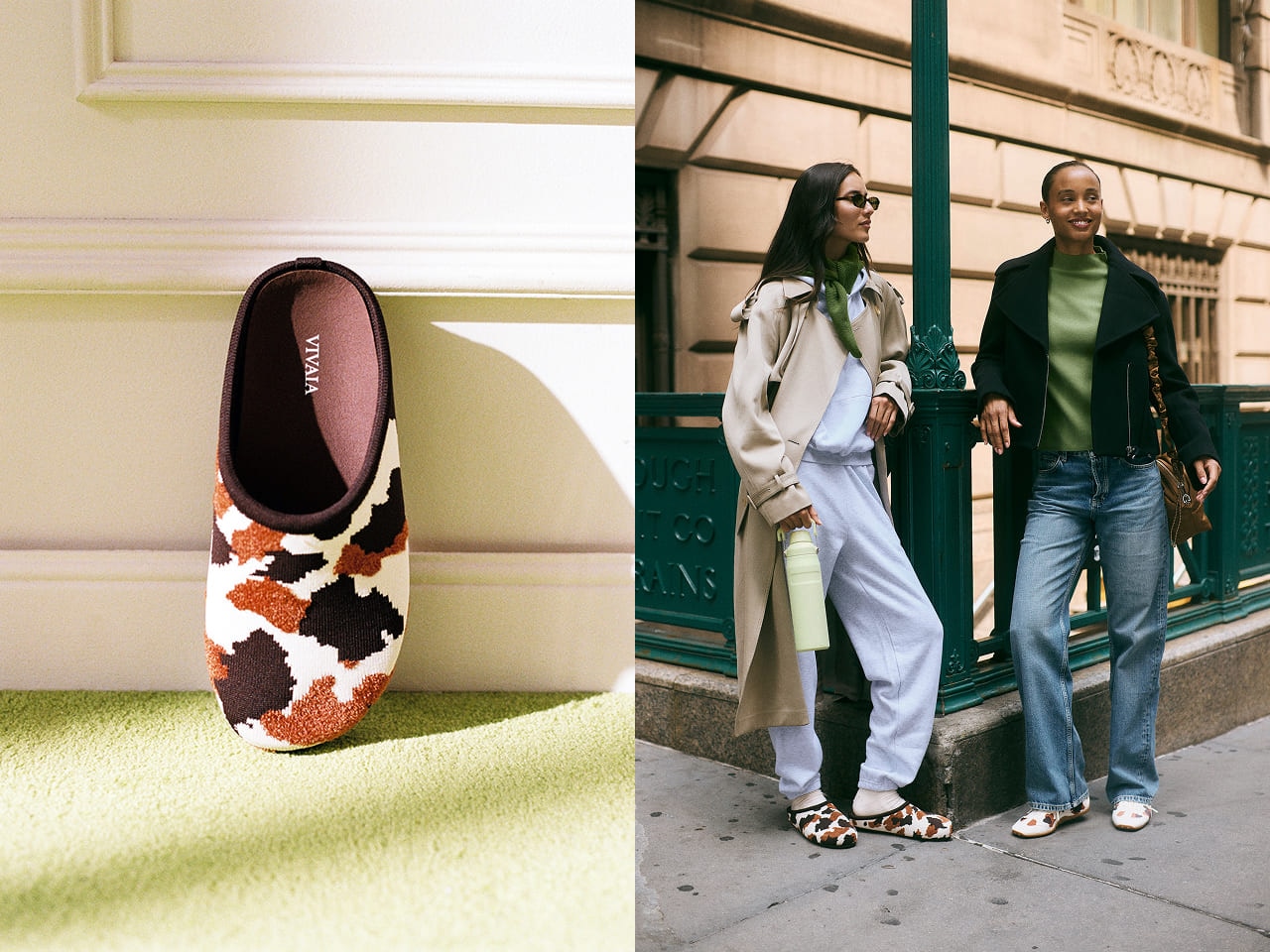
“We all feel the pressures of work, and if we can learn to laugh at that, I think it makes us more powerful."
© VIVAIA All Rights ReservedTerms of Service - Privacy Policy -