





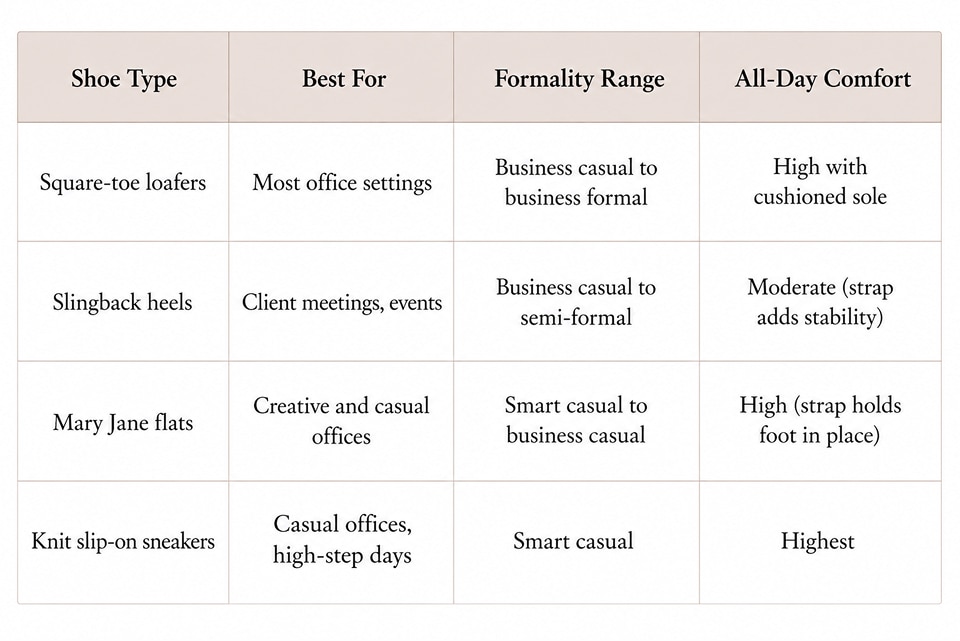
Quick-Glance Comparison
What Business Casual Shoes Look Like in 2026
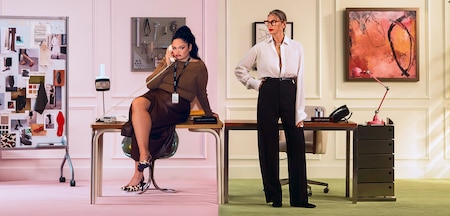
The gap between "office shoes" and "everyday shoes" barely exists anymore. Flexible schedules mean one pair may need to cover a morning meeting, an afternoon at the office, and dinner plans after work.
Dress codes reflect that shift. Outside of finance and law, most offices now sit between business casual and smart casual. Polished-looking sneakers are accepted in many workplaces. Pure athletic running shoes usually are not.
Three Things Your Work Shoes Need to Do Now
That is a lot to ask from one pair of shoes. But the right ones can do it.
1. Last the full day. A shoe you can only tolerate for three hours does not fit a schedule that runs from commute to evening plans.
2. Cross between settings. One shoe that works in a team standup and a client dinner saves you from packing a backup pair.
3. Hit the right visual register. Too relaxed reads as careless; too formal feels out of step. That middle point shifts by industry and company culture.
The Four Work Shoe Types and What Each One Covers
Office dress codes vary, but four shoe types cover nearly all of them.
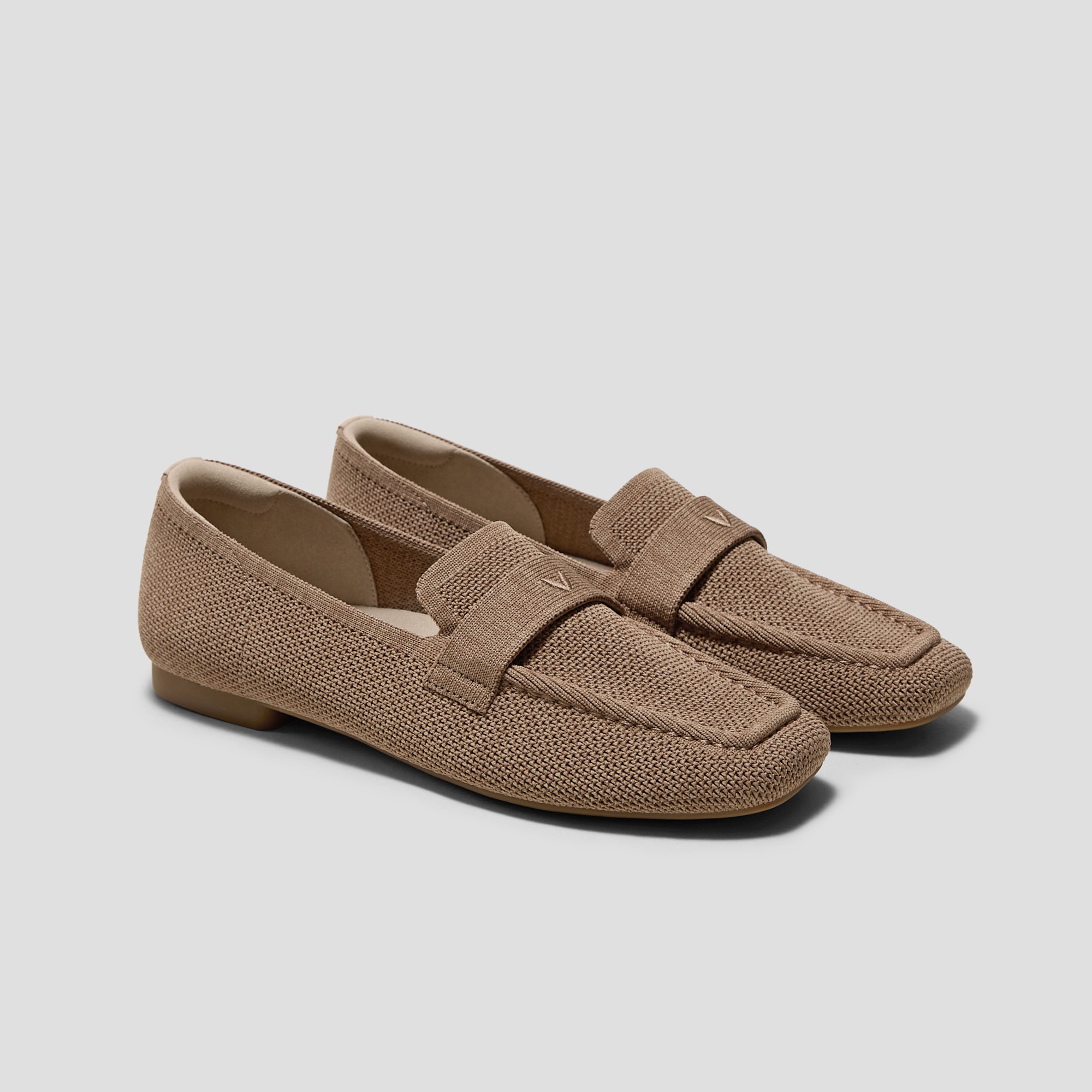
Square-Toe Loafers
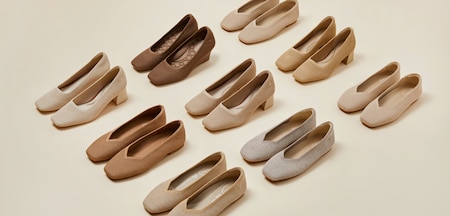
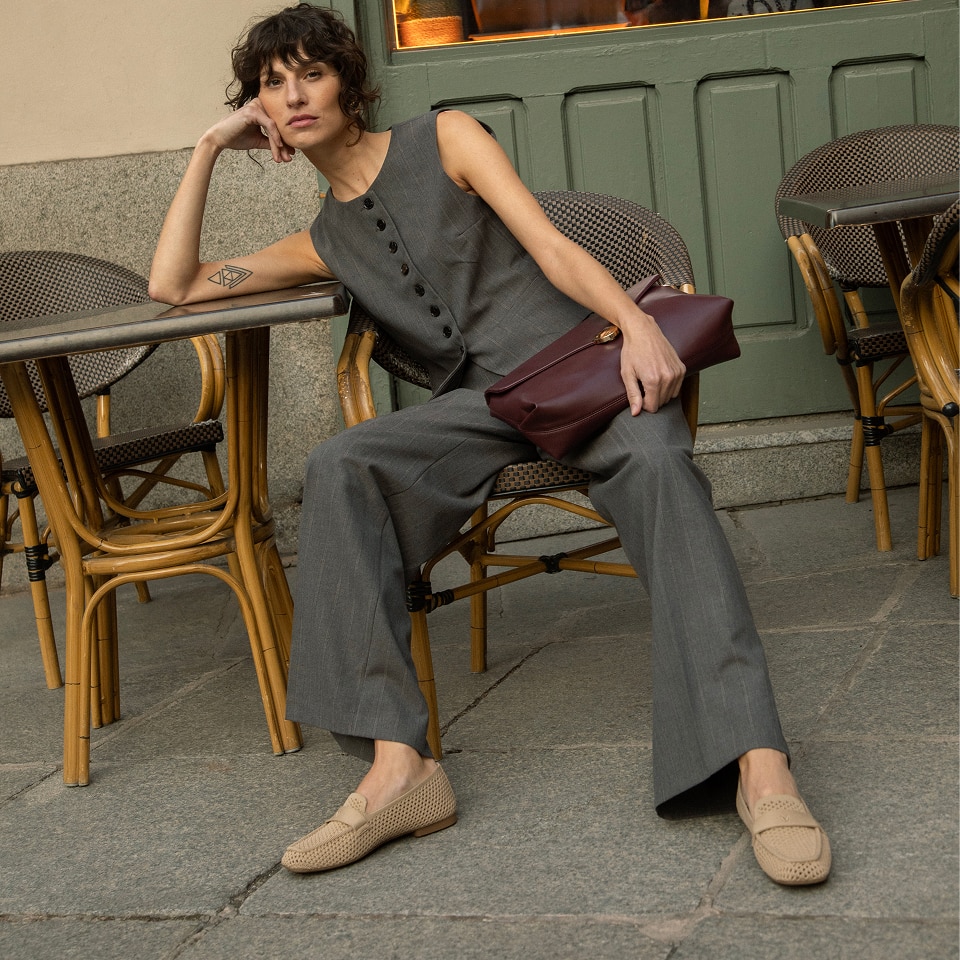
Square-toe loafers carry the strongest "I chose this on purpose" signal among flat work shoes. The square-toe shape reads more current than a round toe and pairs with trousers, midi skirts, and wide-leg pants equally well. Pick a pair with a cushioned sole. Skip the cushioning, and you will feel every step on hard office floors.
Works for: Business casual through business formal offices.
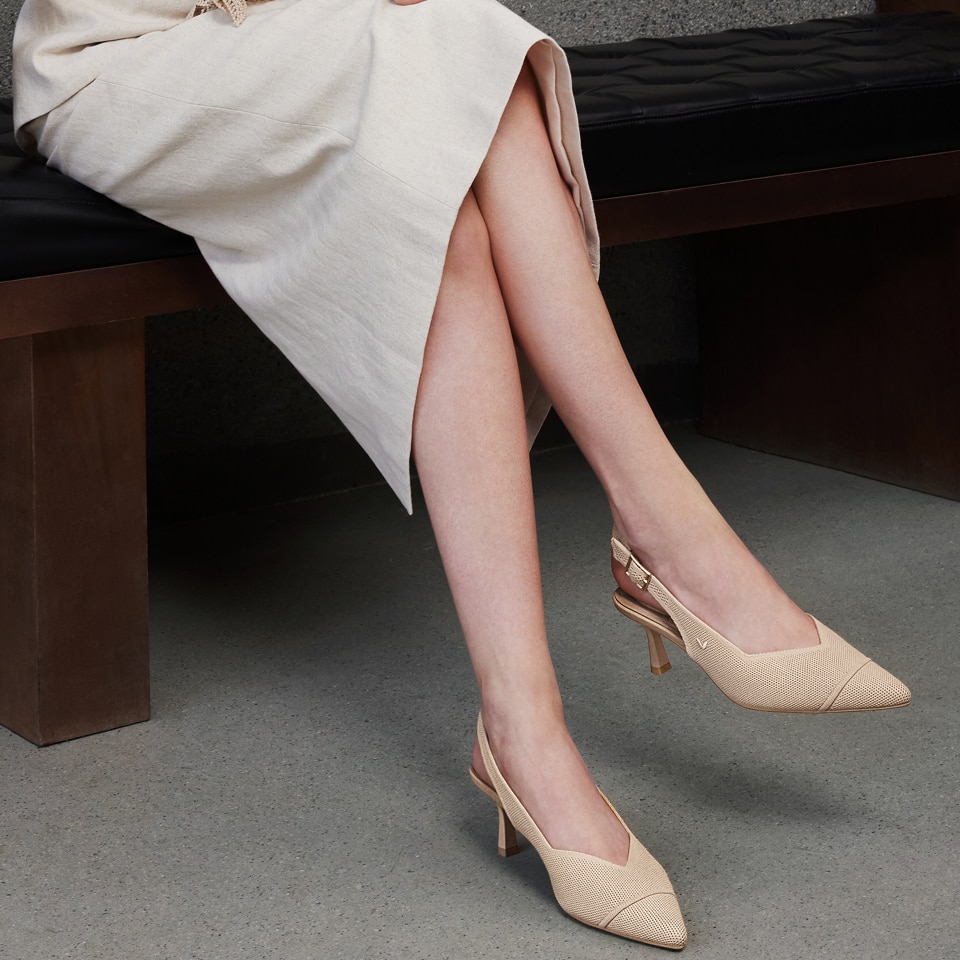
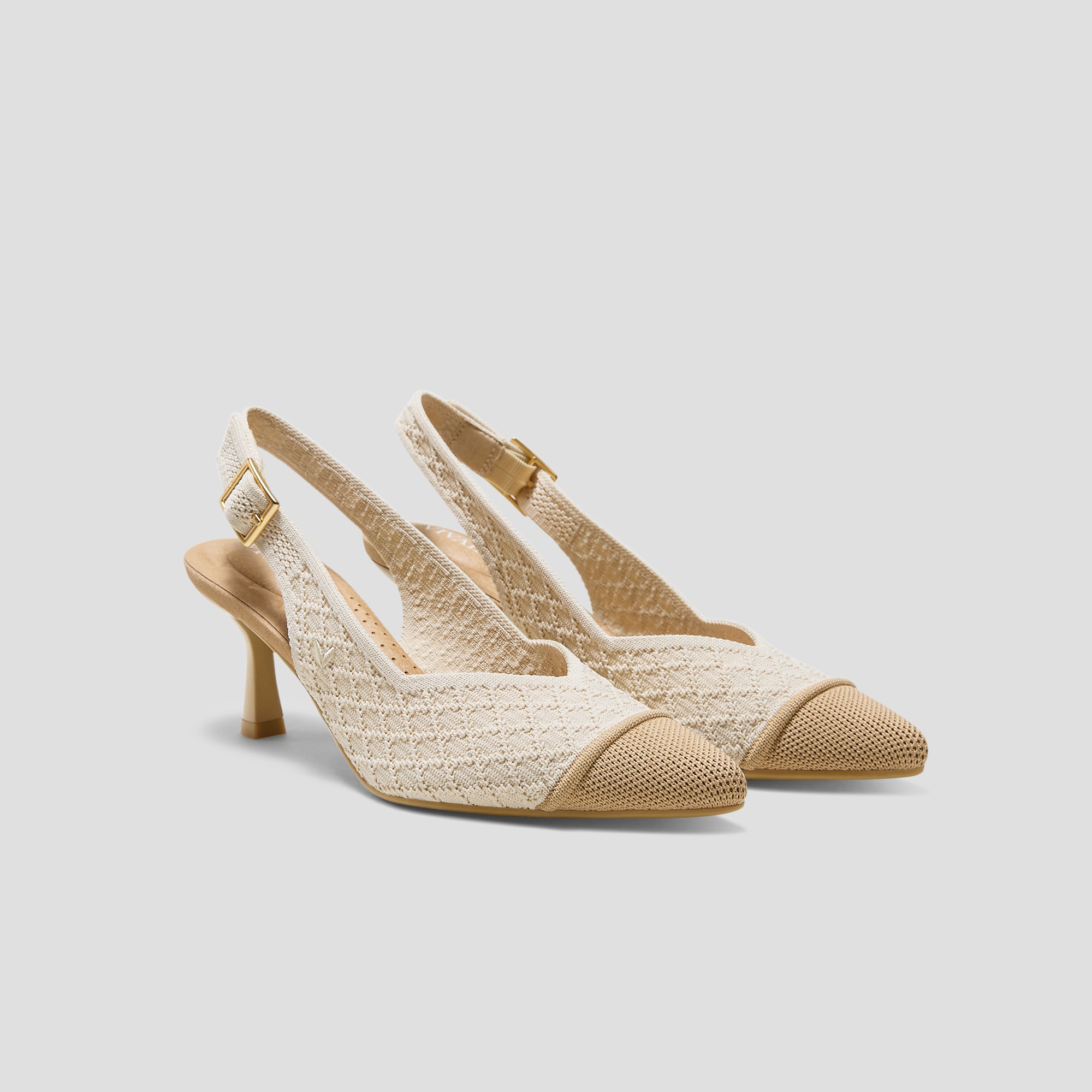
Slingback Heels
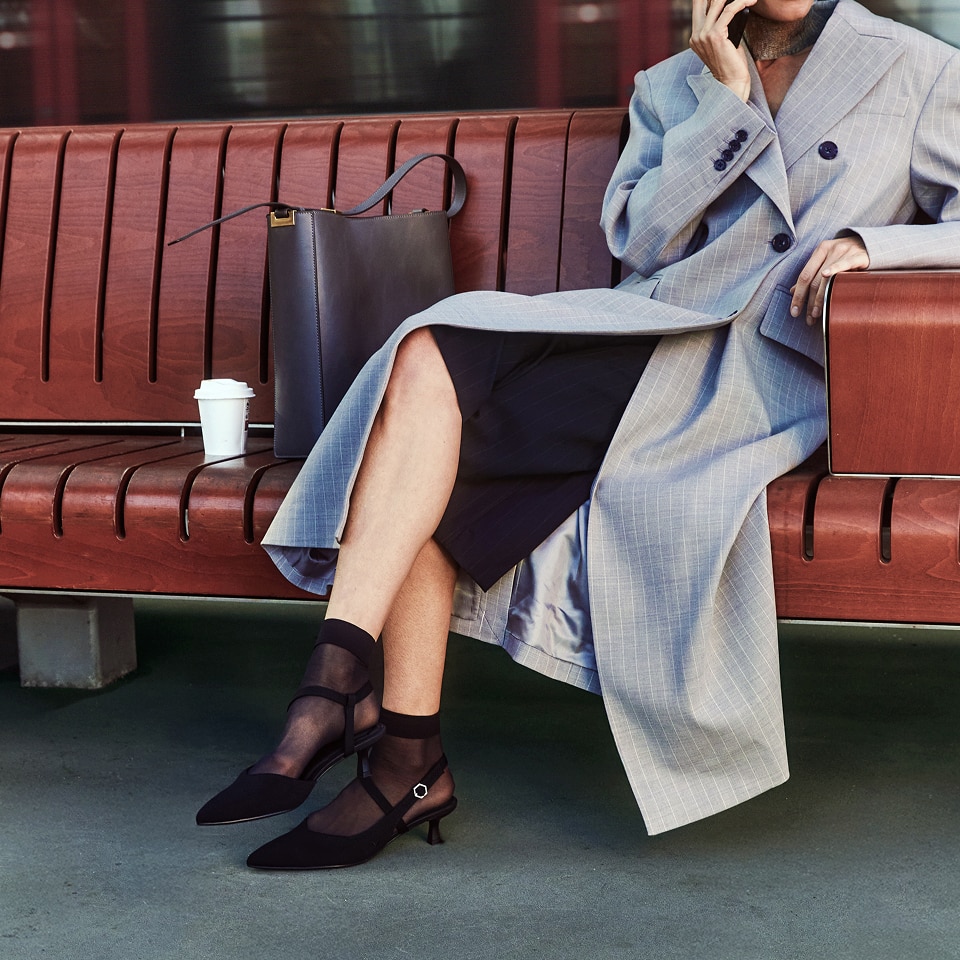
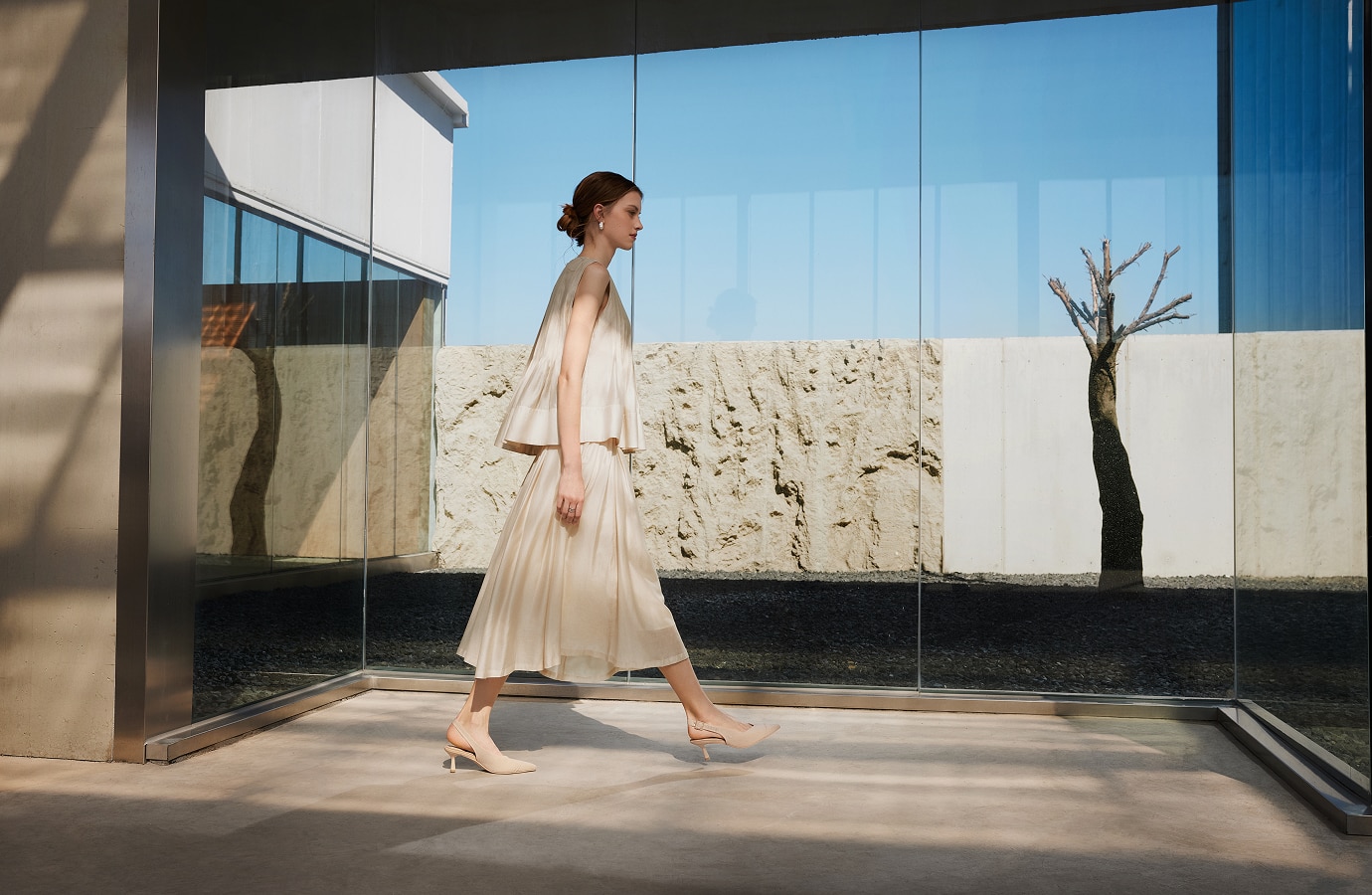
Slingback heels around 2 to 3 inches deliver polish without the commitment of a traditional pump. The strap keeps the shoe locked to your foot, giving you stability that slip-on heels cannot match. Client meetings, company events, and presentations all feel right in a slingback.
Works for: Business casual to semi-formal environments.
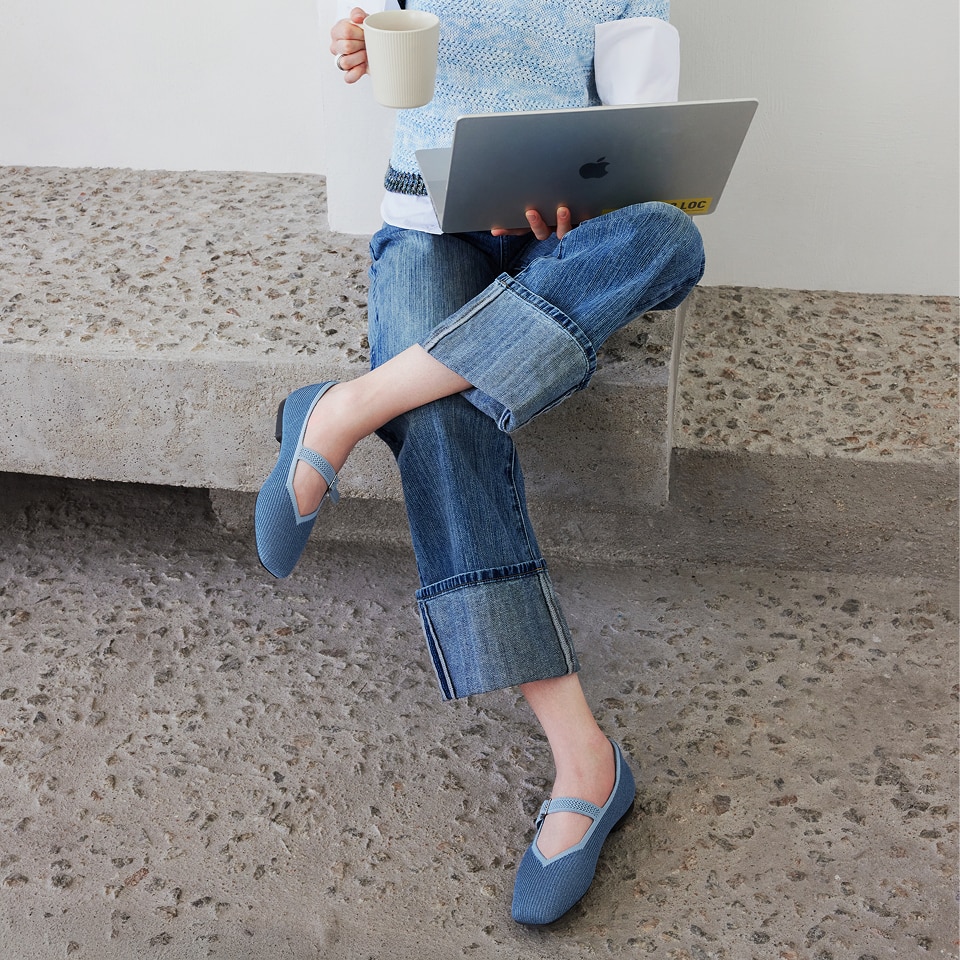
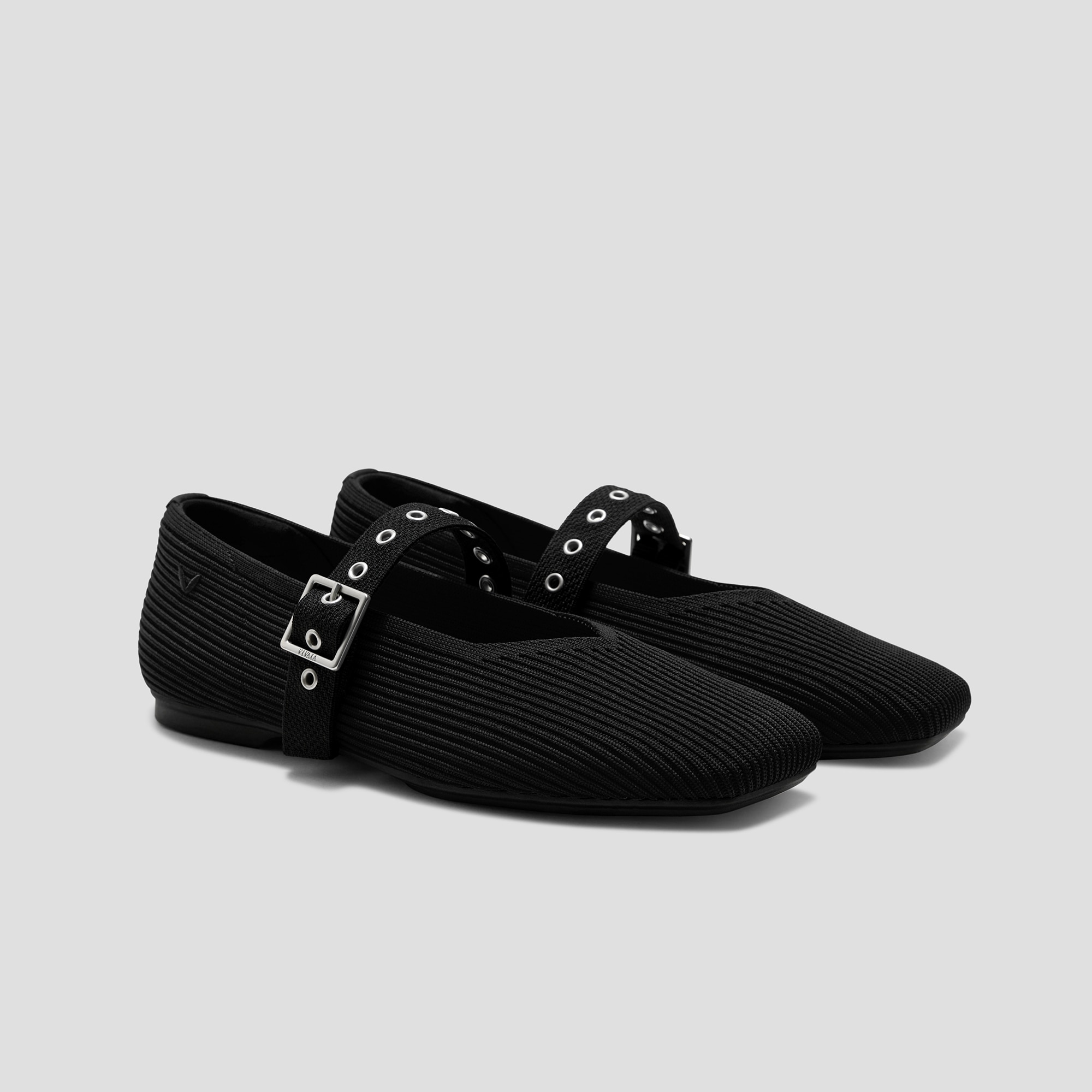
Mary Jane Flats (Square-Toe, V-Cut)
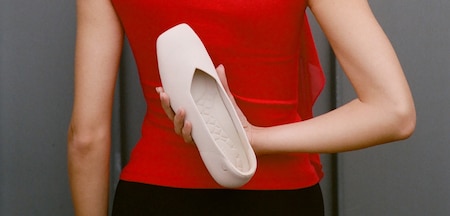
Mary Jane flats bring design detail without being loud. A V-cut front and square toe give the shape a current update. The instep strap holds the shoe to your foot, so your toes do not have to grip the sole to keep it in place. After a full day of walking, your toes will notice the difference.
Works for: Creative offices, tech, education, business casual settings.
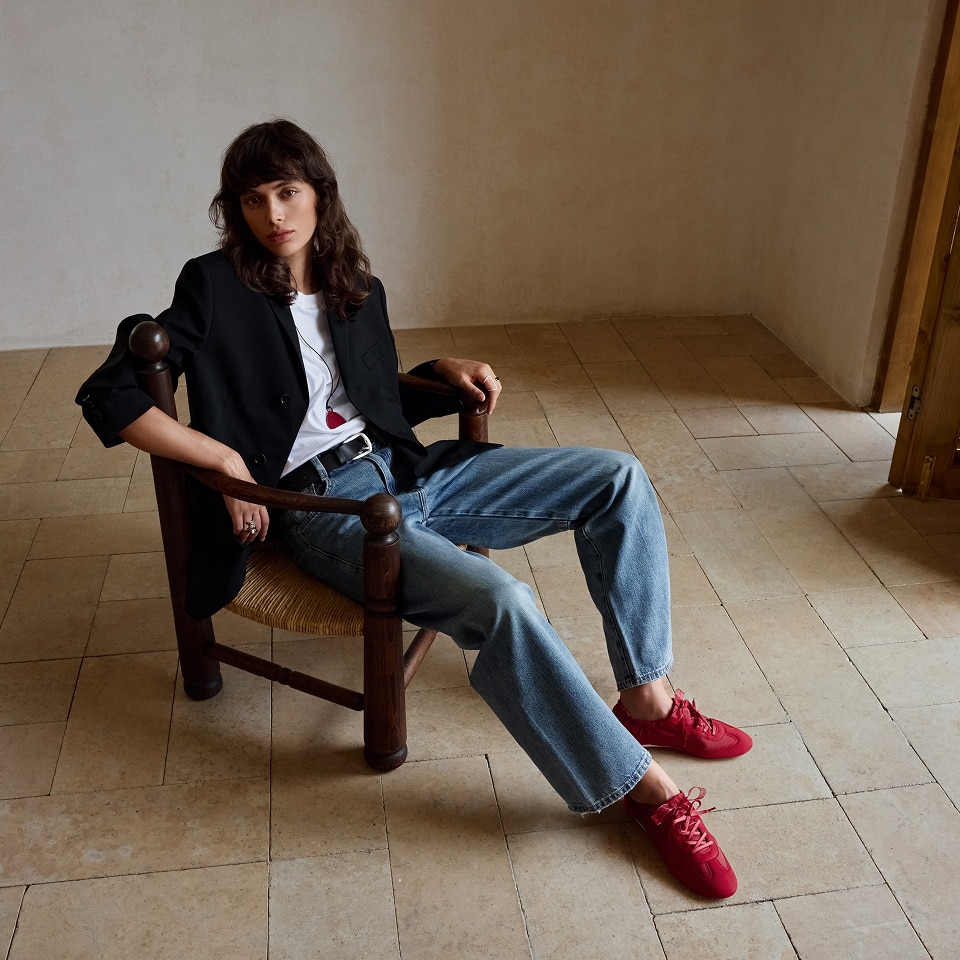
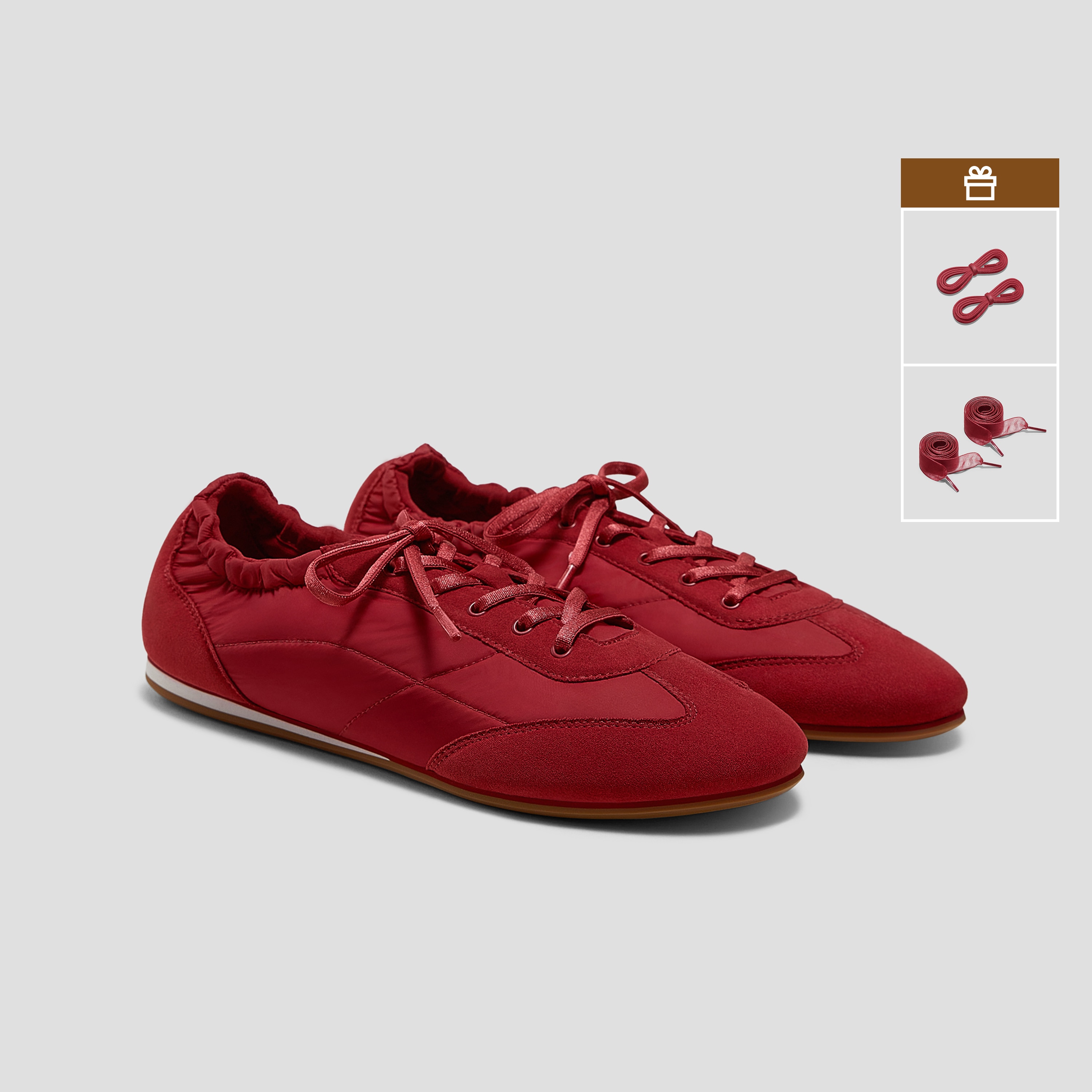
Knit Slip-On Sneakers
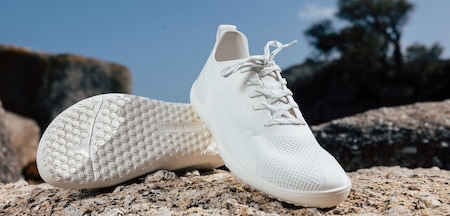
In offices that accept a sporty silhouette, a knit slip-on sneaker offers the highest all-day comfort on this list. Choose a pair with a clean profile and structured knit upper. There is a clear line between a sleek mesh slip-on and a bulky running shoe. Your coworkers can see it too.
Works for: Casual offices, remote-first teams on in-office days.

How to Match Work Shoes to Your Office Dress Code
Before picking a shoe type, answer three quick questions: What do your coworkers wear on their feet? Do you regularly meet external clients? How much walking do you do inside the office on an average day?
Formal and Business Formal
These environments expect closed-toe shoes with a polished finish. A slingback heel (2 to 3 inches, neutral color) or a square-toe loafer in leather or leather-look knit fits well. Stick to black, dark brown, or nude.
Business Casual
All four shoe types work here. Square-toe loafers are the most versatile default. Mary Janes add personality without risk. A slingback heel covers days that need extra polish. Knit sneakers are fine on high-step days. Colors can branch beyond strict neutrals.
Smart Casual and Creative
Knit sneakers are fully at home. Mary Janes and loafers pair with jeans and relaxed trousers. Shoes with color often read as a plus, not a risk.
A Note on Commuting
If you walk or take the subway to work, factor commute comfort into your pick. Knit sneakers and cushioned flats handle long walks far better than heels. If you drive, this matters less.
What to Look for in a Work Shoe That Lasts All Day
Picking the right type is half the decision. The other half is whether a specific pair can handle a full day, often 6,000 to 10,000 steps, without wearing you down.
Arch Support in the Insole
A flat insole lets your arch do all the work alone. You will feel the pull well before the day ends. Look for visible arch support, or check if the insole is removable so you can swap in a custom orthotic.
A Cushioning Layer in the Sole
Press the midsole with your thumb. If it springs back, there is EVA foam or similar material inside. A rigid sole with no rebound means minimal shock absorption across a long day.
Enough Width Across the Toe Box
Feet swell 3 to 5 percent in circumference by the afternoon. A shoe that fits snugly at 9 a.m. can pinch by 3 p.m. Square-toe and wide-fit designs leave room for that natural expansion.
A Secure Fit on Your Foot
Shoes without a strap or closure rely on your toes gripping to keep the shoe in position. Over thousands of steps, that constant gripping tires out your toes and forefoot. Straps, slingbacks, and adjustable buckles keep the shoe attached so your muscles can relax.
A Complete Work Shoe Wardrobe With Three Pairs
You do not need a full shelf of work shoes. Three pairs, each with a clear job, cover almost everything.
Pair One: Your Everyday Shoe
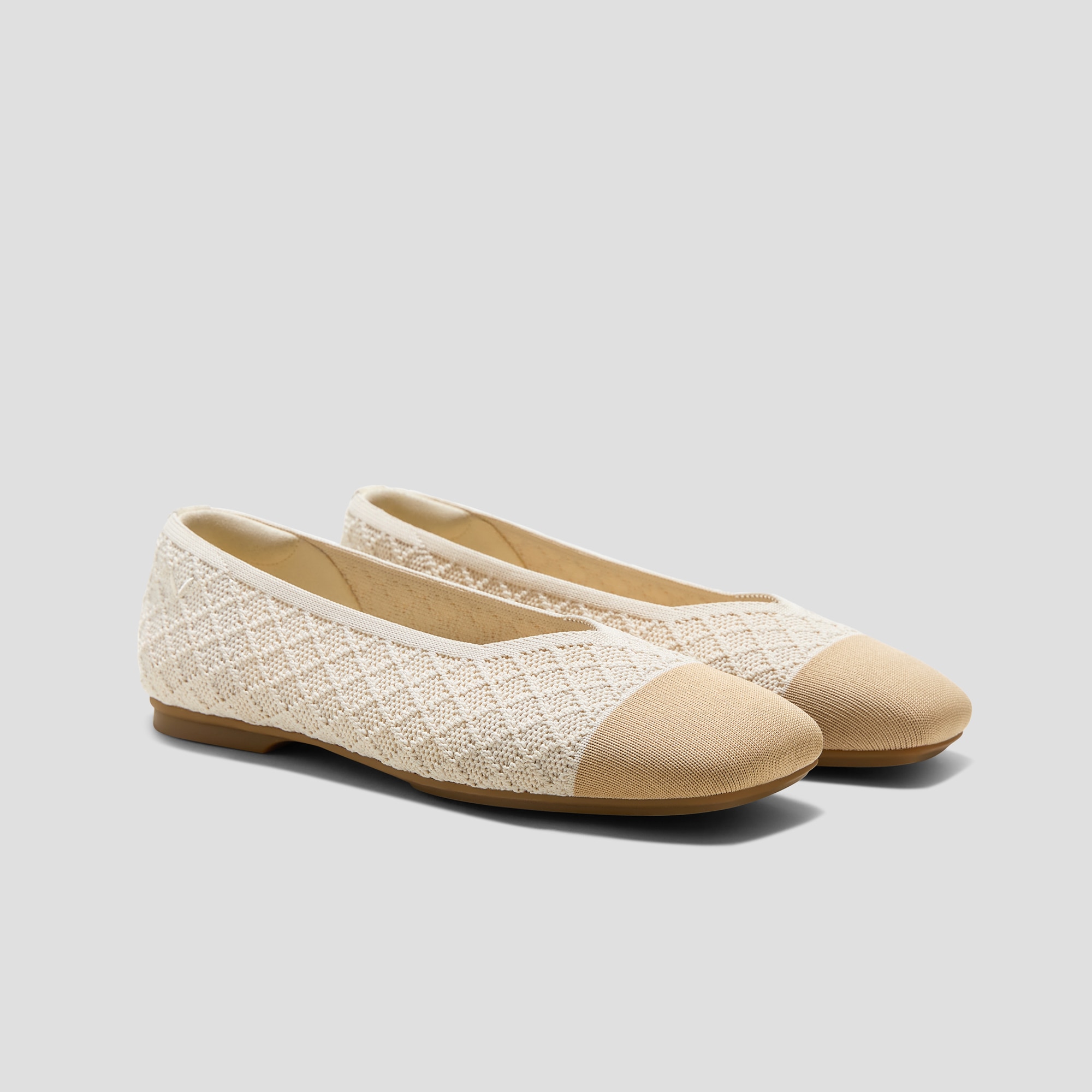
Needs full-day comfort, broad outfit compatibility, and a look that fits your office. A square-toe Mary Jane flat suits most business casual and smart casual offices. A square-toe loafer works for more formal settings. Prioritize arch support, cushioning, and a machine-washable upper.
VIVAIA match: Margot™ Mary Jane 3.0 or Margot™ 3.0 V-Cut. Both are machine washable with triple-layer cushioning.
Pair Two: Your Polished Upgrade
For important meetings, client-facing days, and company events. A slingback heel in a neutral color (black, almond, or deep red) fills this role.
VIVAIA match: Addison Pointed-Toe Slingback Heels (2.56" heel, arch support, AdaptAll Strap™).
Pair Three: Your Comfort Reserve
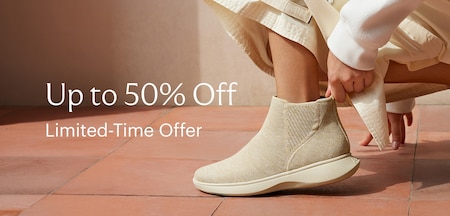
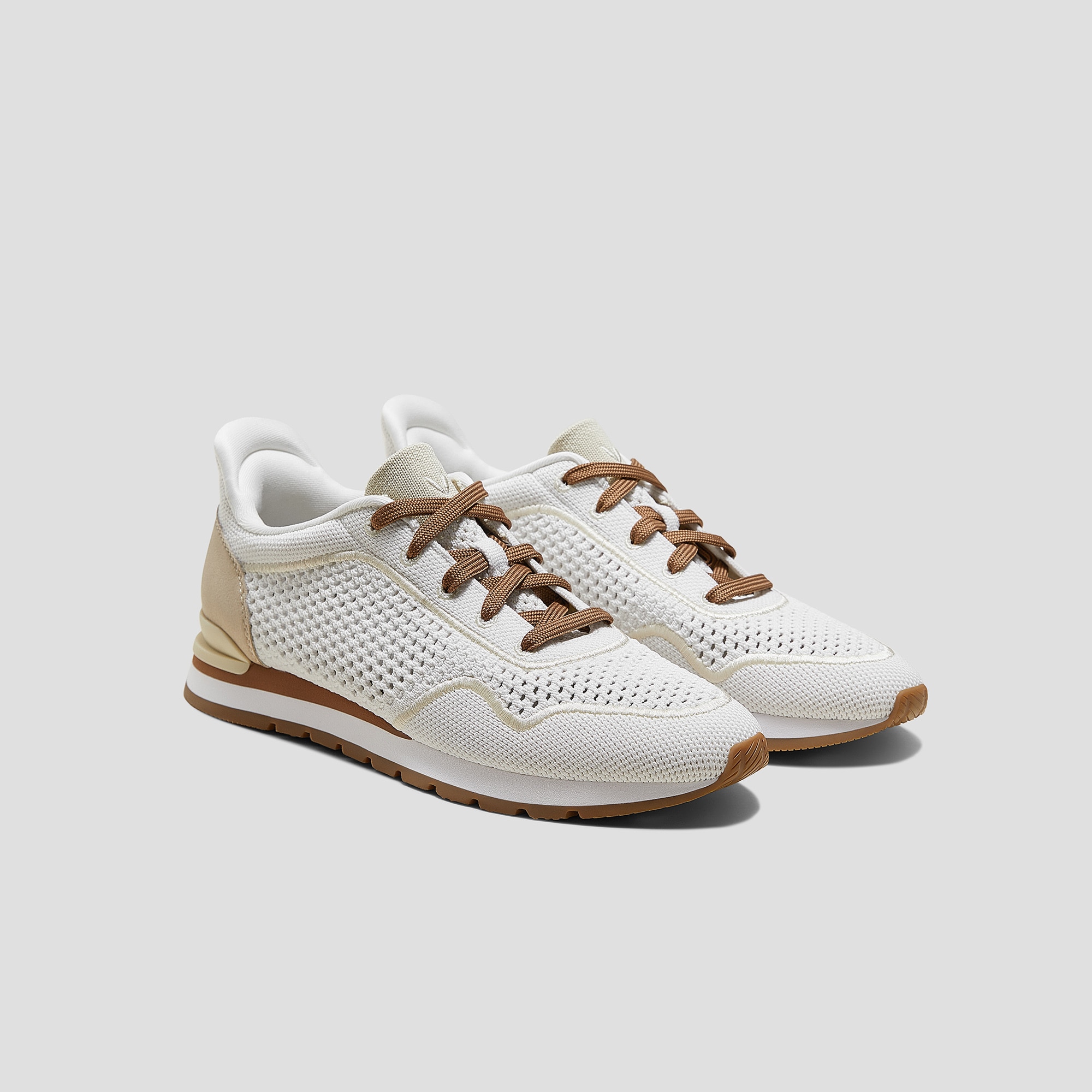
Covers casual Fridays, remote days with a quick office visit, and any heavy-walking workday. A knit slip-on sneaker with a clean profile keeps you comfortable without looking like gym wear.
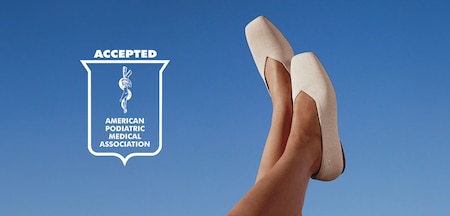
VIVAIA match: Allday Slip-On Mesh Sneakers. Machine washable, APMA accepted, EVA and rubber outsole, about 9.6 oz per shoe.
Color Logic for Three Pairs
Neutral for your everyday shoe (black or dark brown). A different neutral for the upgrade (if everyday is black, go nude or almond for the slingback). The comfort reserve pair can carry a bolder color for more relaxed days.

Comfortable Feet, Confident Days
The right work shoes do not ask you to trade comfort for looking put-together. A pair that supports your arch, fits your toe shape, and matches your office culture can carry you through a full day without a second thought about your feet. That frees up your energy for the work and the people that matter. VIVAIA designs every pair around that idea. Take a look at VIVAIA when you are ready to find yours.
FAQs
Q1: Can I Wear Sneakers to Work in 2026?
It depends on the industry. Tech, design, and media offices widely accept them. Finance and law firms generally do not. A quick test: look at what your direct manager wears. If athletic shoes feel risky, a polished knit slip-on is the safest middle ground.
Q2: What Work Shoes Are Best for Standing All Day?
Shoes for all-day standing need EVA foam cushioning, built-in arch support, and a non-slip outsole. APMA-accepted styles are a reliable benchmark. Adding a supportive orthotic insole can help if your current shoes feel flat inside.
Q3: How Do You Transition Work Shoes From Summer to Fall?
Light-colored flats in nude or beige work across both seasons. They look airy with summer dresses and hold up alongside dark trousers in early fall. Adding thin socks or tights in autumn extends warm-weather shoes a few extra weeks. Open-toe styles and very pale sandals are the ones that need to rotate out.
Q4: Are Pointed-Toe Work Shoes Still Appropriate in 2026?
Yes. Pointed toes remain fully accepted in professional settings, especially formal offices. The broader 2026 trend leans toward square and almond toes for new purchases, but that is an aesthetic shift, not a rule. If you own pointed-toe work shoes you like, keep wearing them.
© VIVAIA All Rights ReservedTerms of Service - Privacy Policy -