









Waterproof vs. Water Repellent: Which Do You Need?
A lot of people overbuy here. So here's the short version.
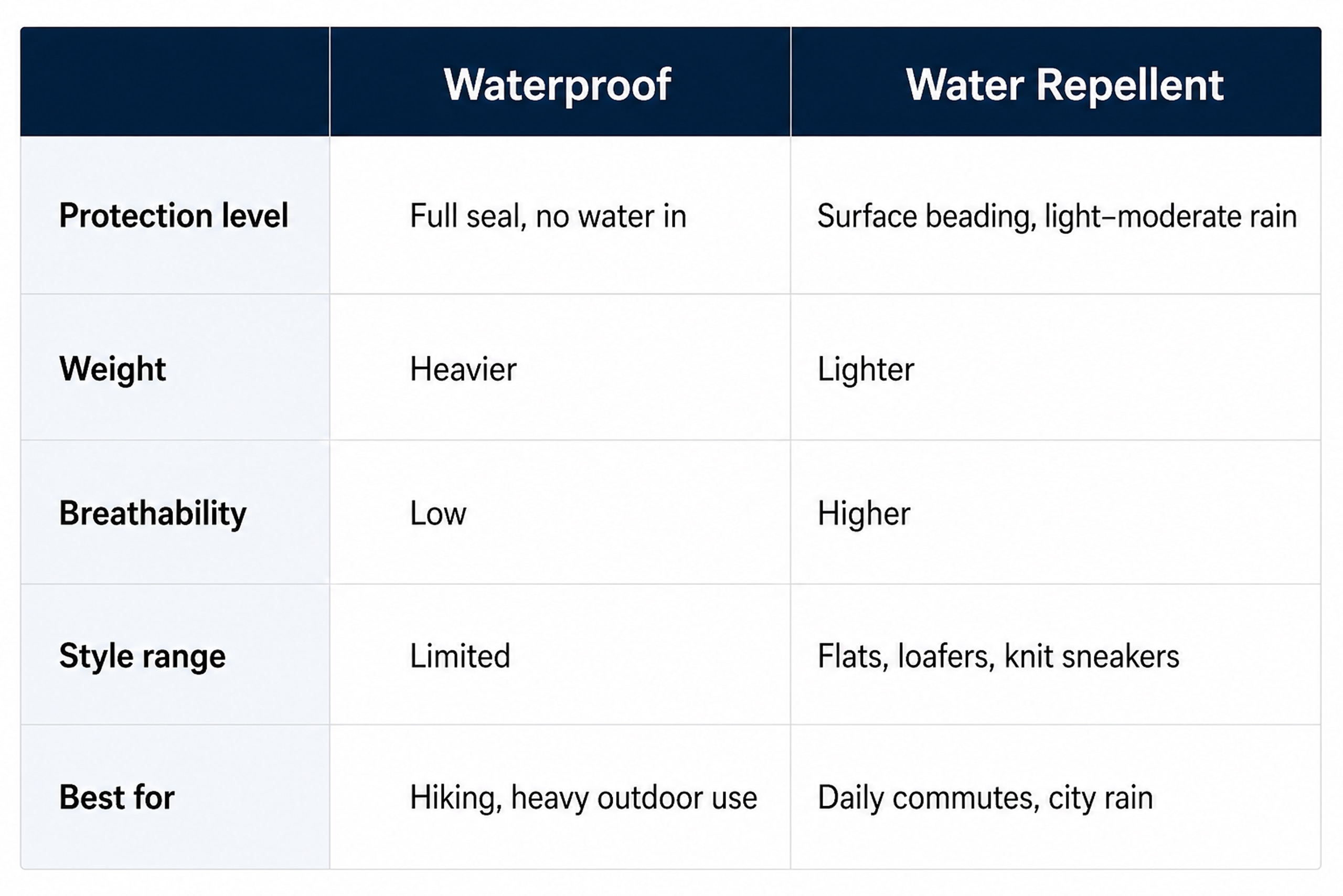
Waterproof means the shoe is fully sealed. Water cannot get in, even if you step into a puddle or stand in heavy rain for a long stretch. That level of protection requires thick membranes and bonded construction, which makes the shoe heavier, stiffer, and almost always less stylish. In summer rain, they trap heat fast. And walking into an office in rubber boots reads more "survived a flood" than "got dressed this morning."
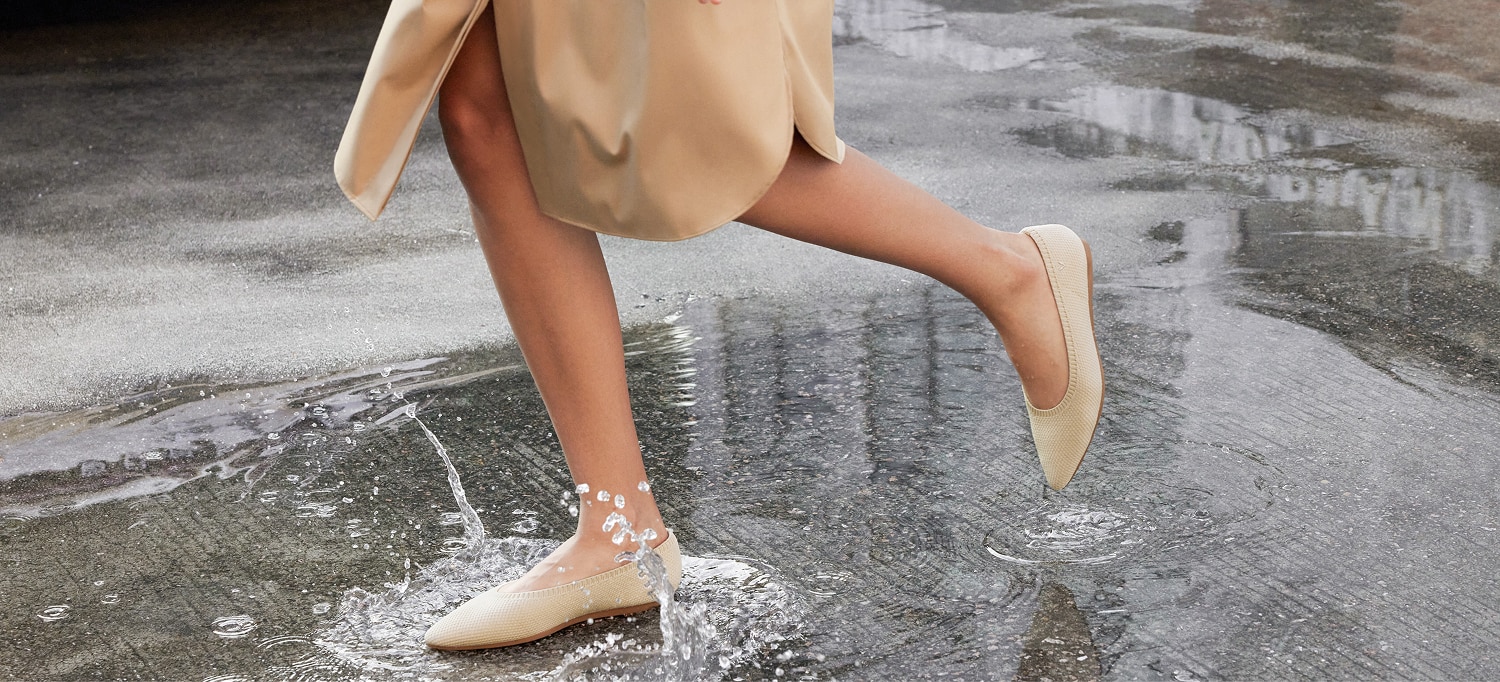
Water repellent means the surface is treated or structured so water beads up and rolls off rather than soaking in. The shoe breathes. It feels like a normal shoe. And for walking to the subway, crossing a wet parking lot, or getting through a typical city drizzle, it handles everything you need.
When Do You Actually Need Waterproof?
Hiking in the rain for hours. Wading through streams. Extended outdoor exposure in a downpour. If your commute involves any of that, waterproof makes sense. For everyone else (anyone heading to an office, running errands, or meeting friends on a rainy Saturday), water repellent shoes cover it completely, at a fraction of the bulk.
What Makes a Shoe Water Repellent?
Not all water repellent shoes work the same way. There are two approaches, and they perform differently over time.
The Coating Approach
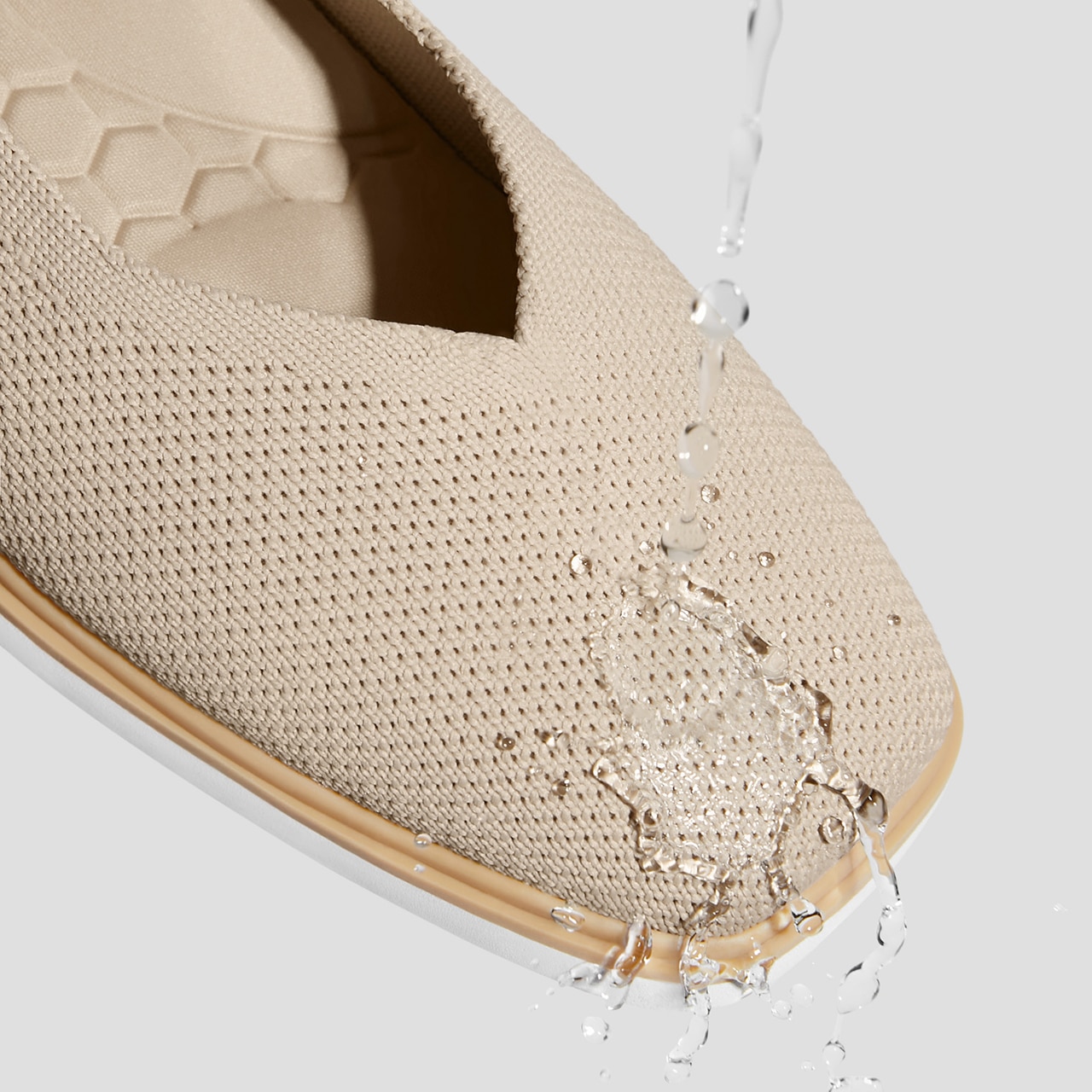
Most water repellent shoes are treated with a finish called DWR (Durable Water Repellent). It's sprayed onto the upper and creates a surface that water can't easily penetrate. It works well out of the box, but the coating wears down with use and eventually needs to be reapplied.
The Fiber Approach
Some shoes skip the coating entirely. Certain tightly knit fabrics, particularly those made from recycled PET fibers, have a smooth, dense surface structure that naturally resists water. No chemical layer on top; the material itself does the work. These shoes tend to hold their repellency longer, and many are machine washable, making upkeep far simpler. VIVAIA's knit styles are built this way, using recycled materials that combine water repellency with a lower environmental footprint.
What to Actually Look for When Buying
Skip the label for a second. Two things are better indicators than any tag:
The upper material. A tight, dense knit or smooth synthetic fabric outperforms a loose mesh or an untreated suede. If water has texture to grab onto, it will.
The seam count. Every seam is a potential entry point. A cleaner, simpler upper with fewer panels holds up better in the rain than a shoe stitched together from multiple pieces.
Best Commuter Shoes for Rainy Spring and Summer 2026
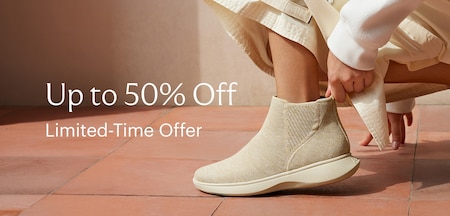
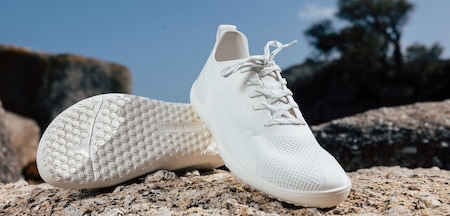
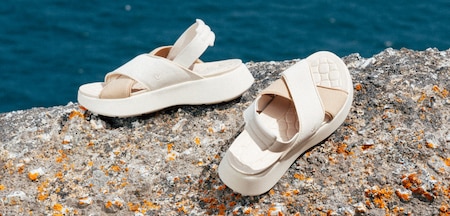
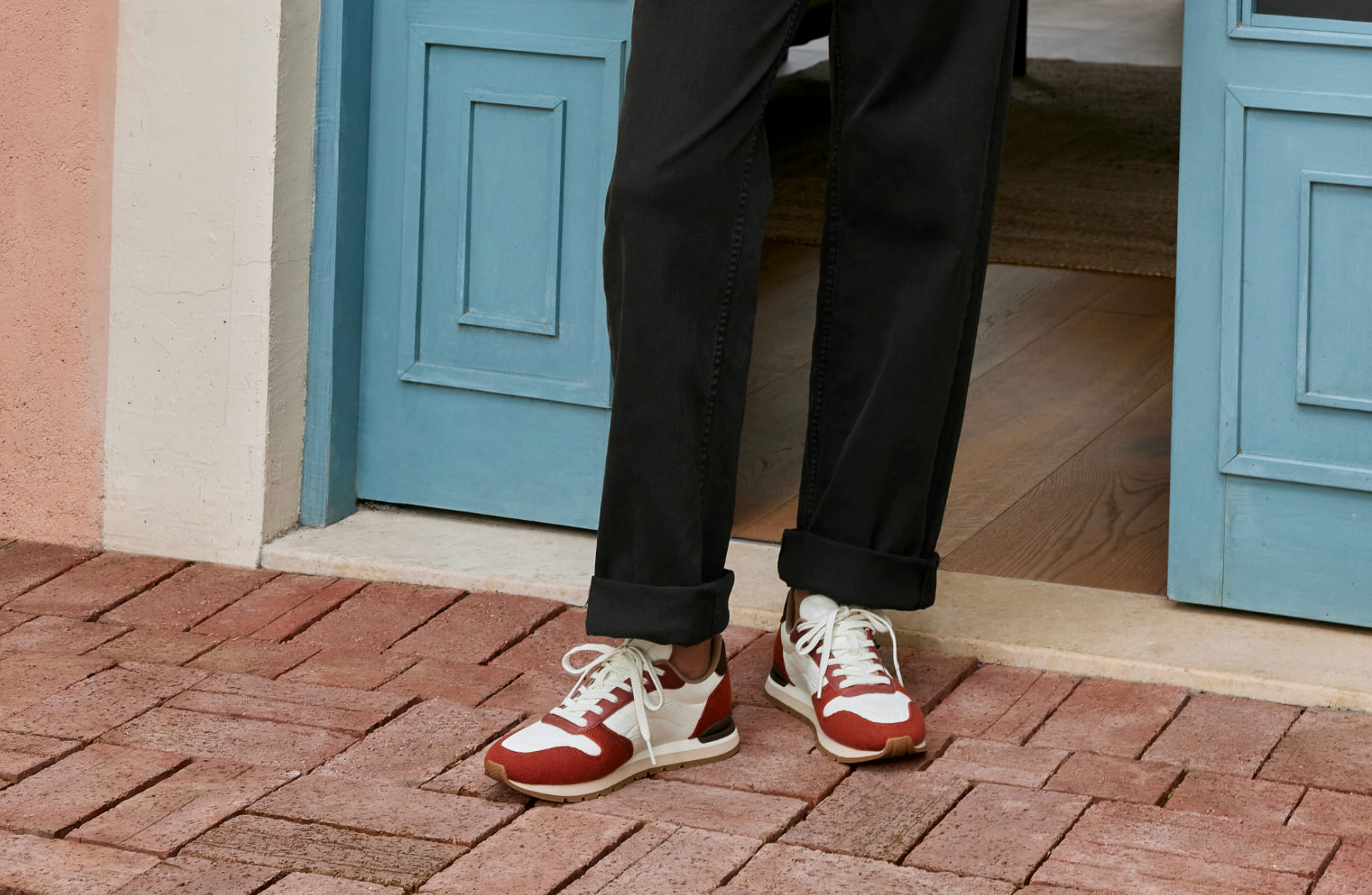
For spring and summer, the goal shifts: you want shoes that either repel water well or dry fast. All four styles below work for a rainy commute, pair easily with warm-weather outfits, and won't leave you overheated the way boots do.
Water-Repellent Footwear
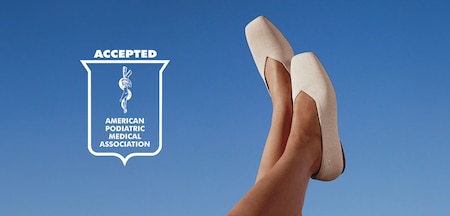
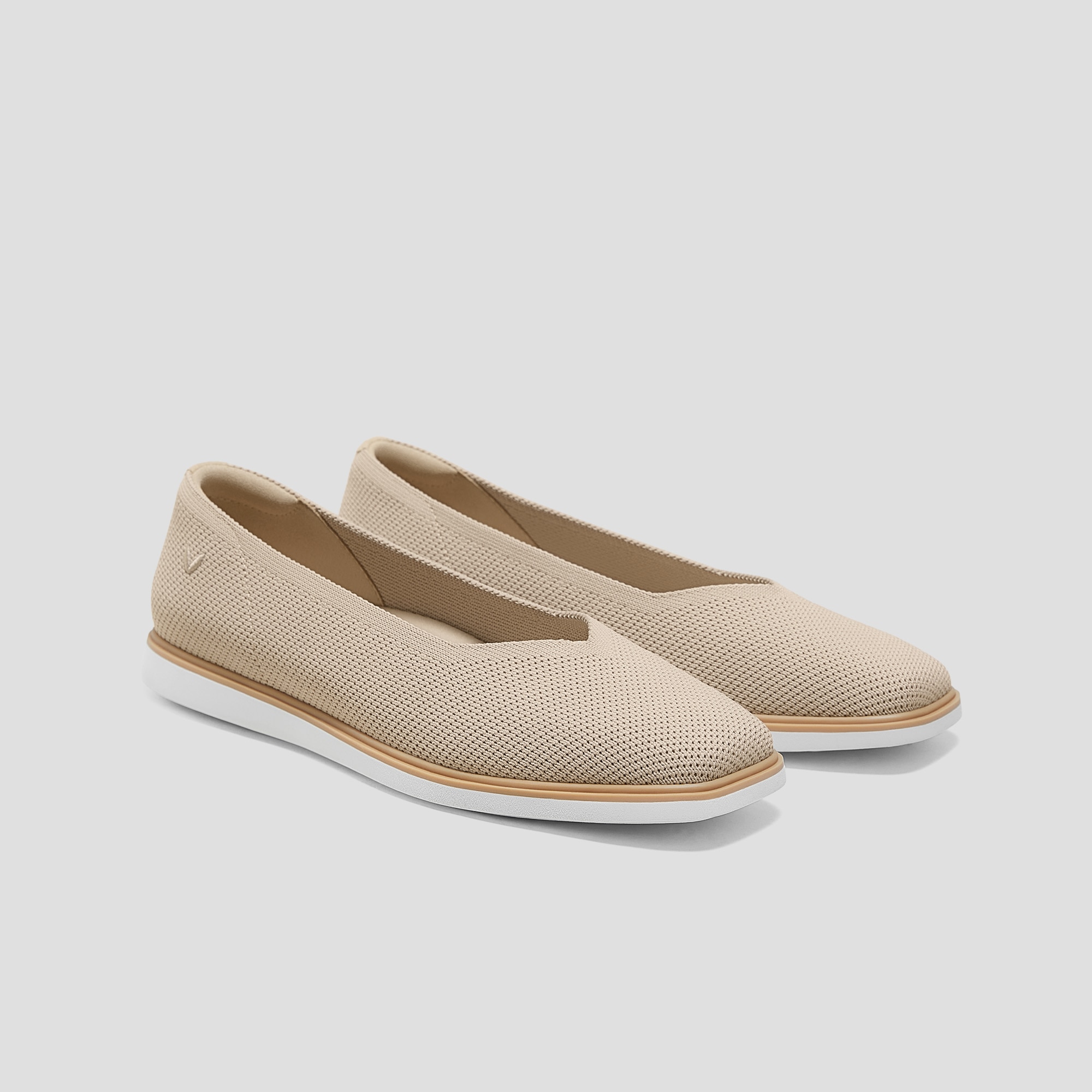
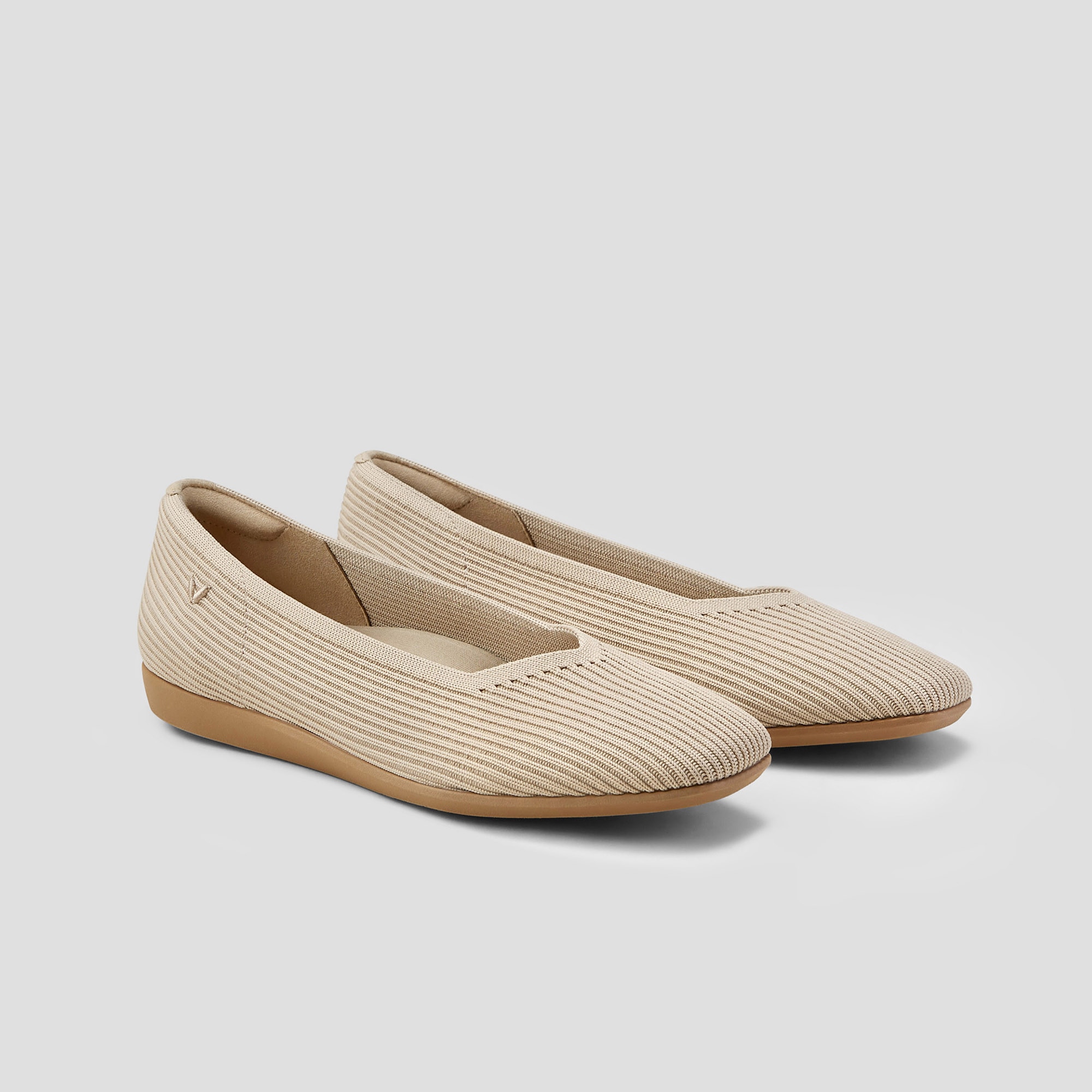
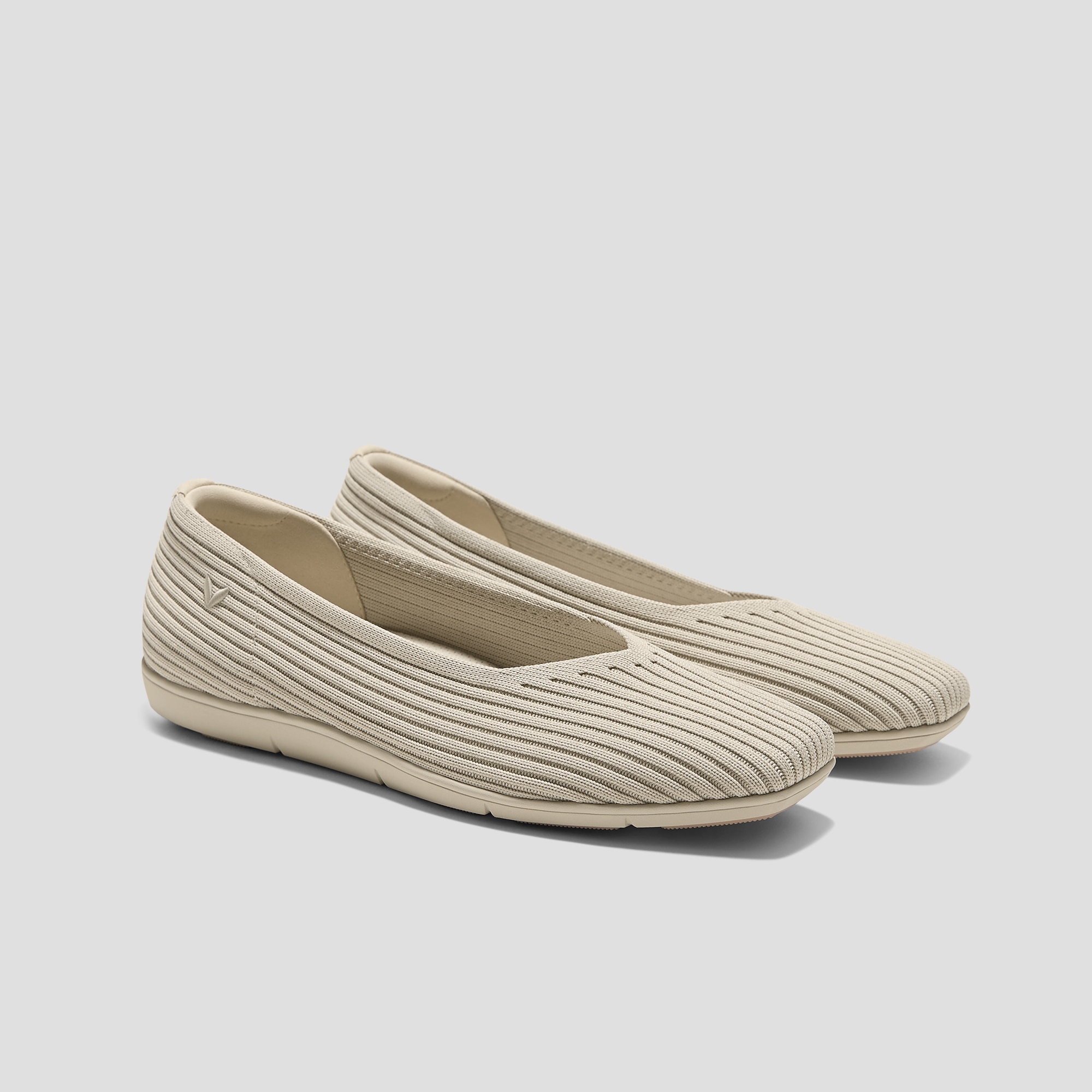
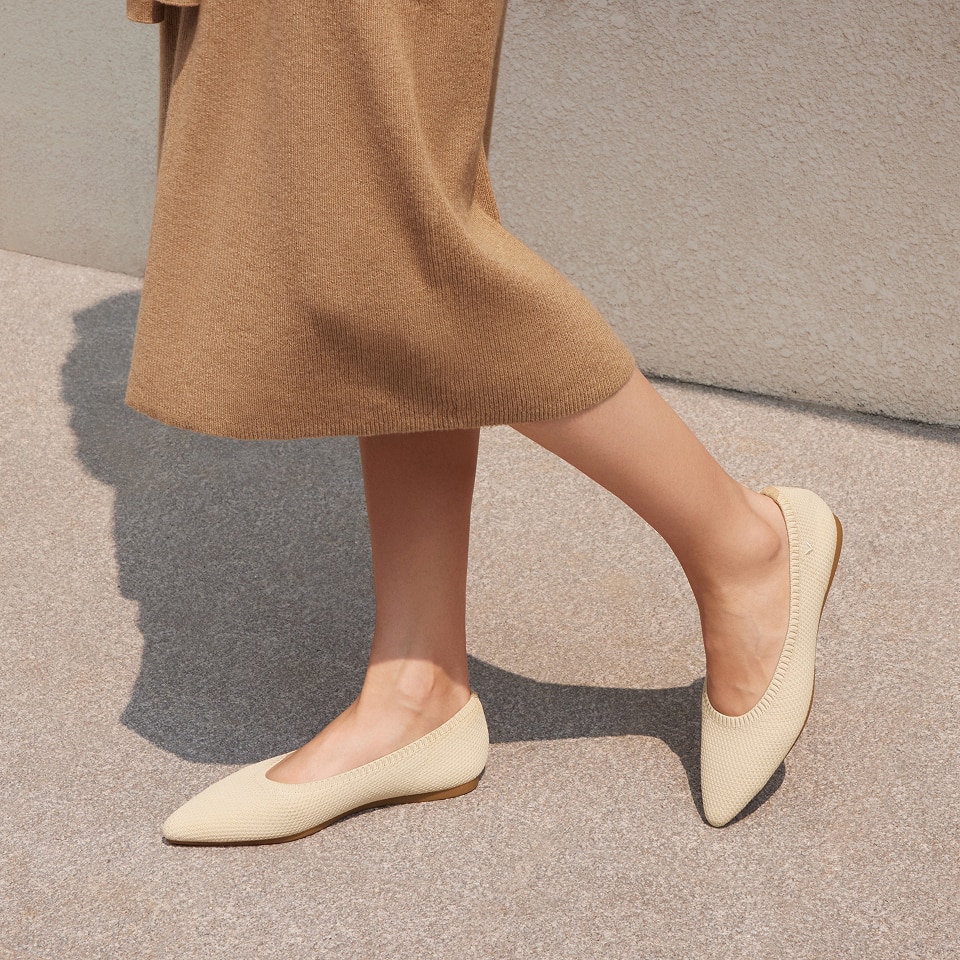
A water-repellent flat is the lightest option in this lineup and the easiest to wear across different outfit formulas. Works with trousers, midi skirts, or dresses. Keep the hem slightly above the ankle so it stays clear of wet pavement. The key is the upper: a tight knit with minimal seaming keeps water out far better than a loosely woven or paneled style.

How to Keep Water-Repellent Shoes Working Longer?
Water repellency fades, and it fades faster with bad habits.
The Signs It's Going
Water stops beading and starts spreading flat across the surface. For coated shoes, dirt and oil residue are the main culprits: they clog the surface structure over time.
Three Habits That Extend It
Dry them before storing. Putting wet shoes straight into a bag or closet traps moisture inside. That breaks down materials faster and encourages odor. Let them air out for at least an hour after a wet day.
Deal with surface grime quickly. Oil residue is particularly damaging to water-repellent finishes. A quick wipe with a damp cloth after a rough commute makes a real difference.
Re-spray coated shoes periodically. A DWR spray from any shoe or outdoor store restores the finish on treated uppers. Apply to clean, dry shoes and follow up with low heat from a hair dryer to help the treatment bond properly.
Shoes with a dense knit structure are the exception: most can go straight into the washing machine. No sprays, no special products, no maintenance routine to keep track of.
Rain and Style Are Not at Odds
The right water repellent shoes make rainy days a non-issue. They work without asking you to dress around them. VIVAIA's knit flats and loafers are built from recycled fibers that repel water, hold their shape, and carry you from a wet commute to an indoor meeting without a second thought.
FAQ
Q1: What is the difference between waterproof and water repellent shoes?
Waterproof shoes use sealed construction to block water entirely, useful for heavy outdoor exposure. Water repellent shoes have a treated or structured surface that causes water to bead and roll off rather than soak in. For city commutes and everyday rain, water repellent is sufficient and far more comfortable to wear.
Q2: How long does water repellent coating last on shoes?
A DWR coating typically performs well for a few months of regular use before it starts to break down. The clearest sign: water stops beading and starts spreading flat across the surface. Reapply with a DWR spray and a pass of low heat to restore it. Shoes with fiber-based repellency, like dense knit uppers, last longer because there's no coating layer to wear away.
Q3: Are knit flats good for rainy days?
Water resistant flats with a tight knit upper are a strong choice for rainy days. The dense fiber structure resists light to moderate rain without any coating, and the flat sole provides better ground contact and grip than a heel on wet surfaces. Look for styles with minimal seaming for the best coverage.
Q4: What shoes work best for a rainy commute to work?
Rain-friendly work shoes with a close-fitting, tightly knit or treated upper hold up best on a wet commute. Flats and loafers are the most practical choice: flat soles grip better on wet ground, and a clean upper with few seams gives water fewer places to get in. Pair with dark trousers to keep water marks out of the picture.
Q5: Can eco-friendly shoes still be water repellent?
Yes. Eco-friendly water repellent footwear made from recycled PET fibers often performs as well as or better than traditionally coated shoes. Recycled knit fibers have a naturally smooth, dense surface that resists water without relying on a chemical finish. Unlike DWR coatings, which degrade over time, the fiber structure stays consistent through repeated washing.

© VIVAIA All Rights ReservedTerms of Service - Privacy Policy -