United States
Live Chat
StoresFind a Store




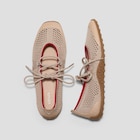
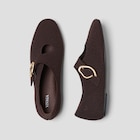
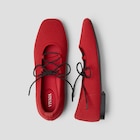
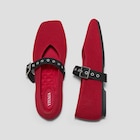
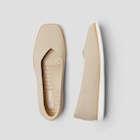
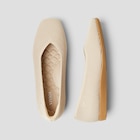
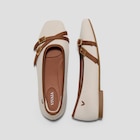

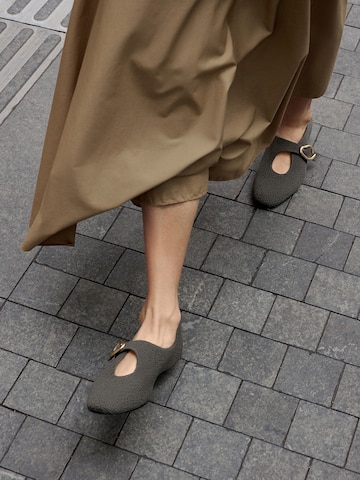









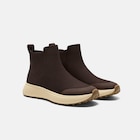
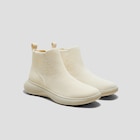
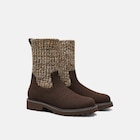
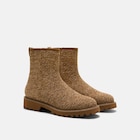
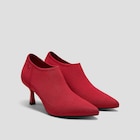
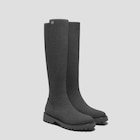
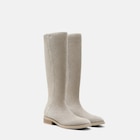
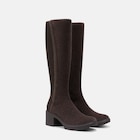






























What Is a Bunion?
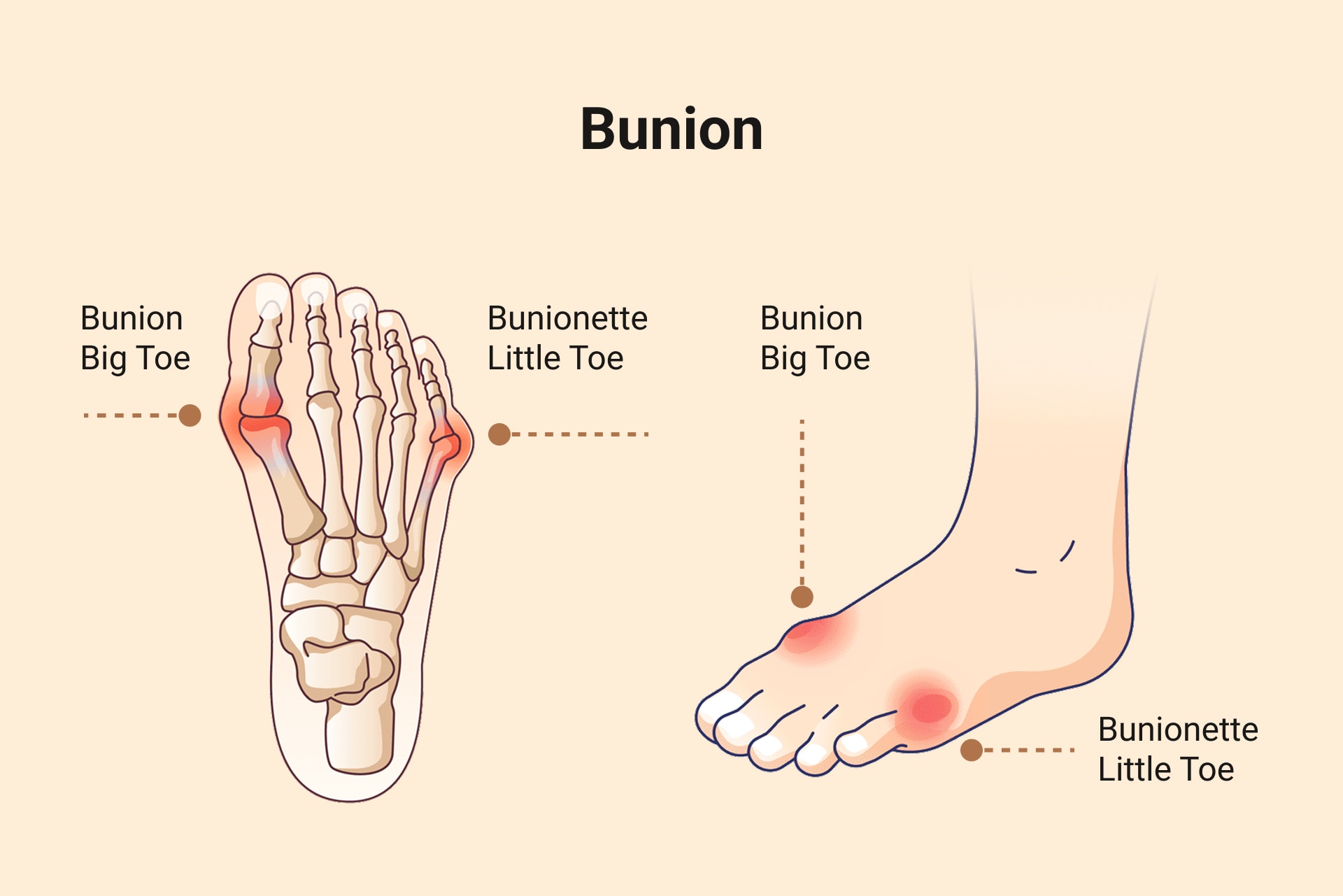
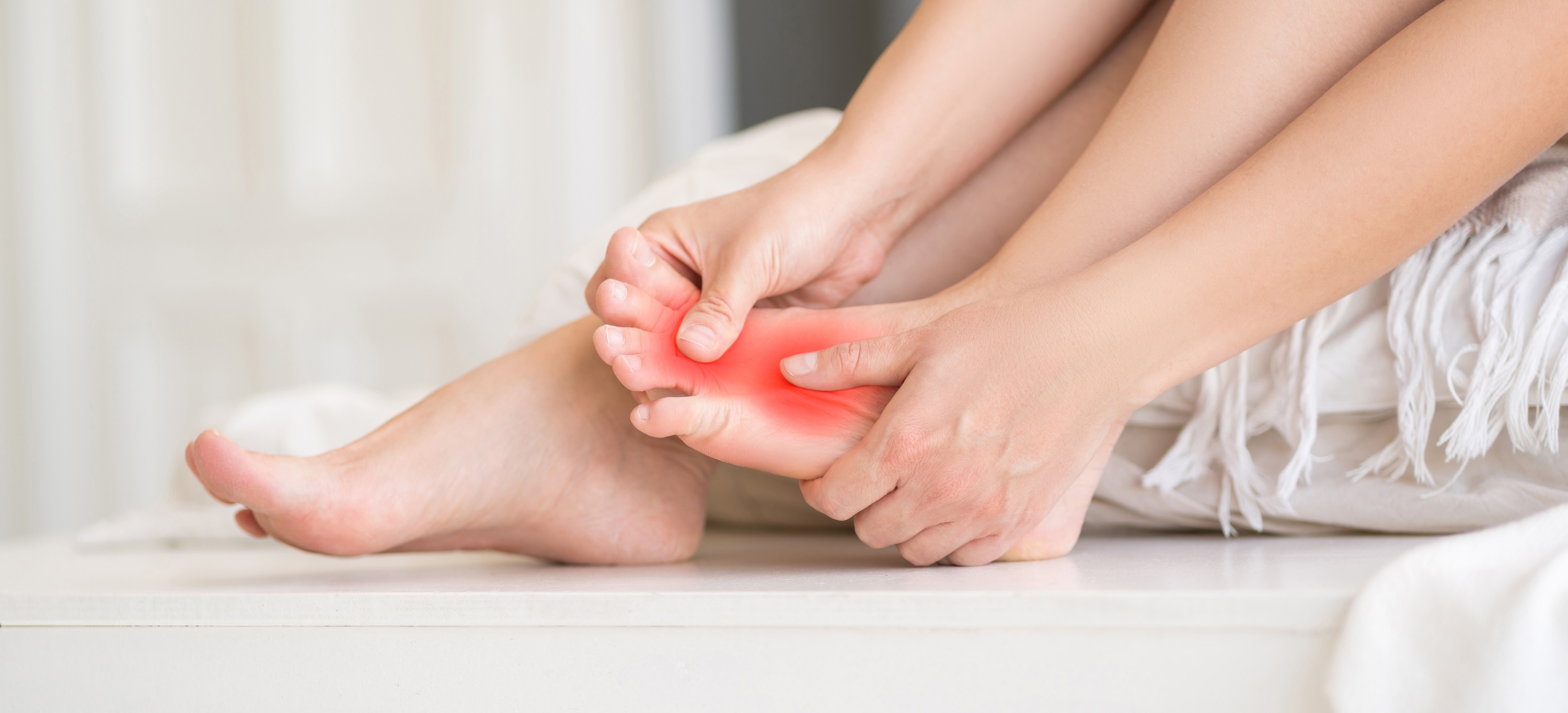
A bunion, medically called hallux valgus, is a deformity of the metatarsophalangeal (MTP) joint, where the big toe drifts toward the lesser toes. This shift creates a bony prominence on the inside of the big toe joint. Over time, the misalignment can cause pain, swelling, difficulty walking, and progressive toe deformities.
Bunions most often result from a combination of genetic foot structure, abnormal biomechanics, and external pressure such as tight or narrow footwear. Smaller bunions, known as bunionettes, can form at the base of the little toe.Common symptoms include:1. A prominent bump on the inside of the base of the big toe.2. Swelling, redness, or soreness around the MTP joint.3. Corns or calluses from overlapping toes.4. Intermittent or persistent pain.5. Decreased motion or stiffness of the big toe.6. Difficulty finding shoes that fit comfortably.7. Hard skin under the forefoot due to altered weight-bearing.How to Treat and Prevent Bunions
The following information is educational and not a substitute for personalized medical advice; patients should consult a healthcare professional for diagnosis and treatment.
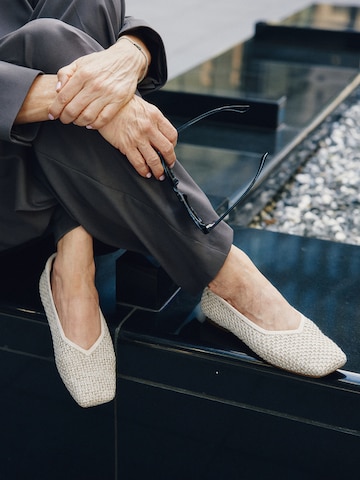
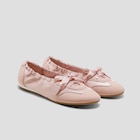
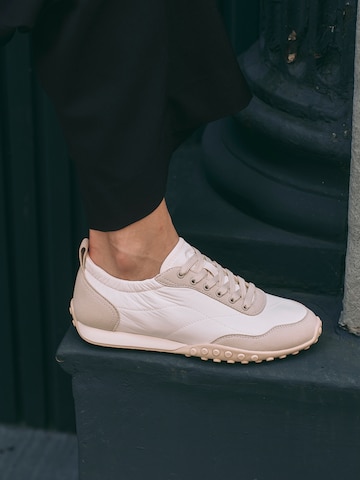
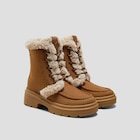
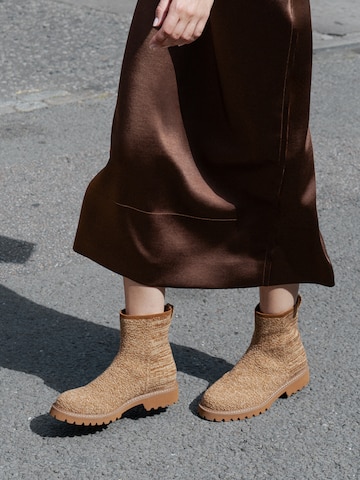
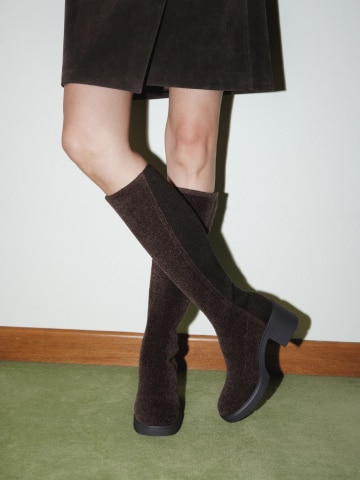
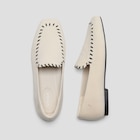
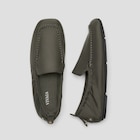
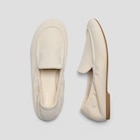
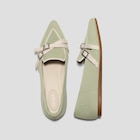
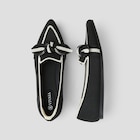
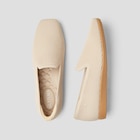
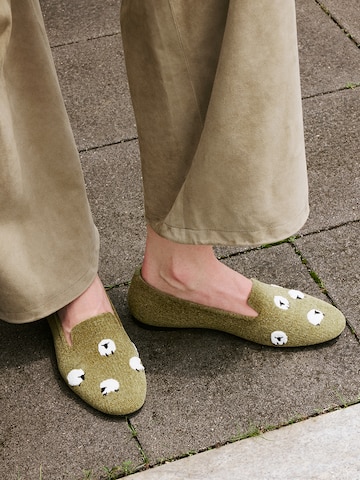
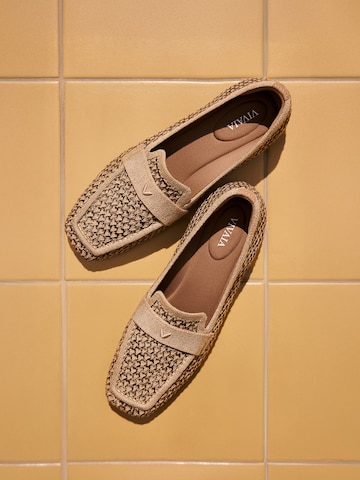
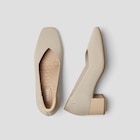
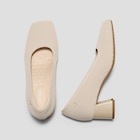
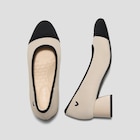
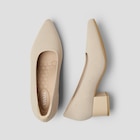
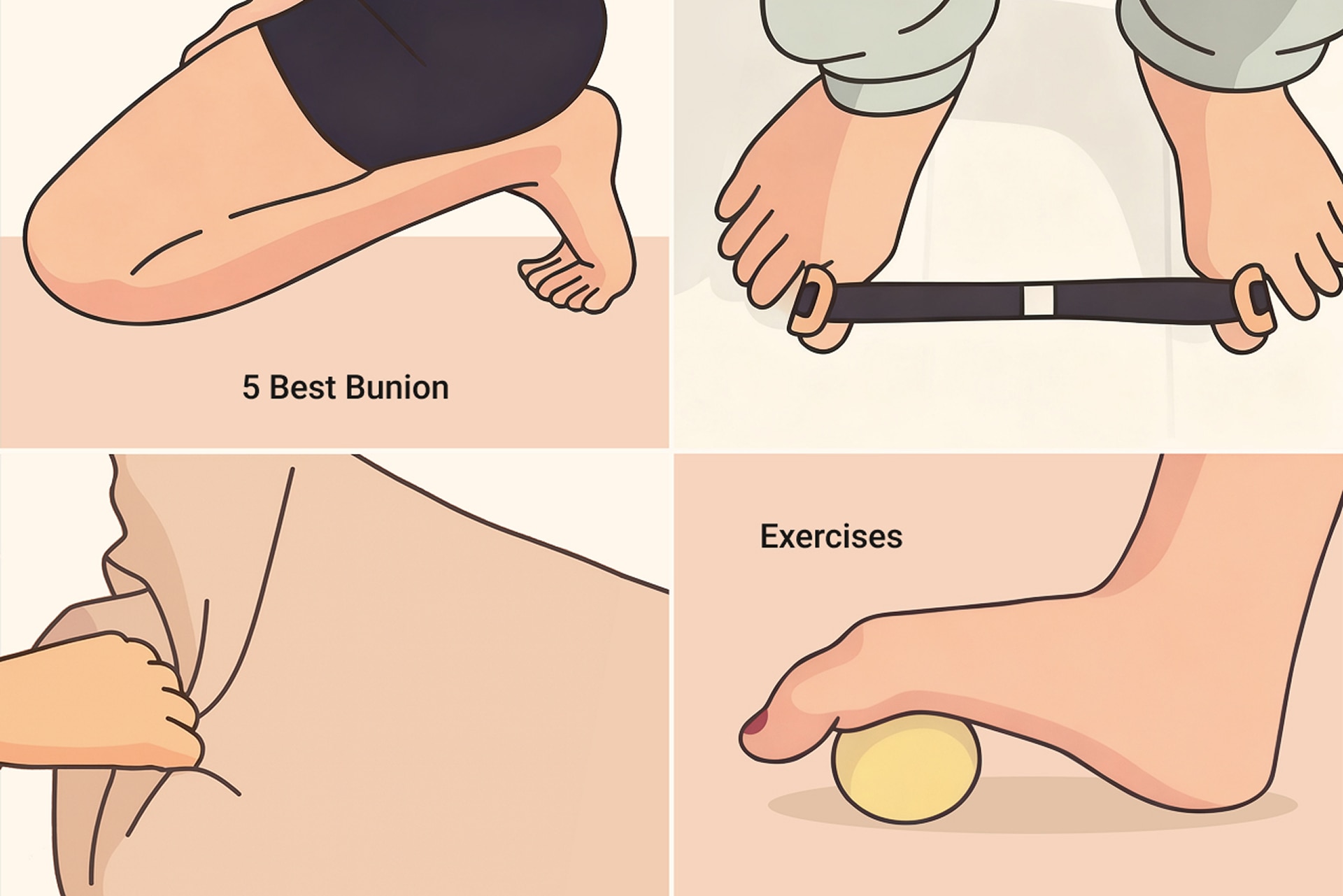
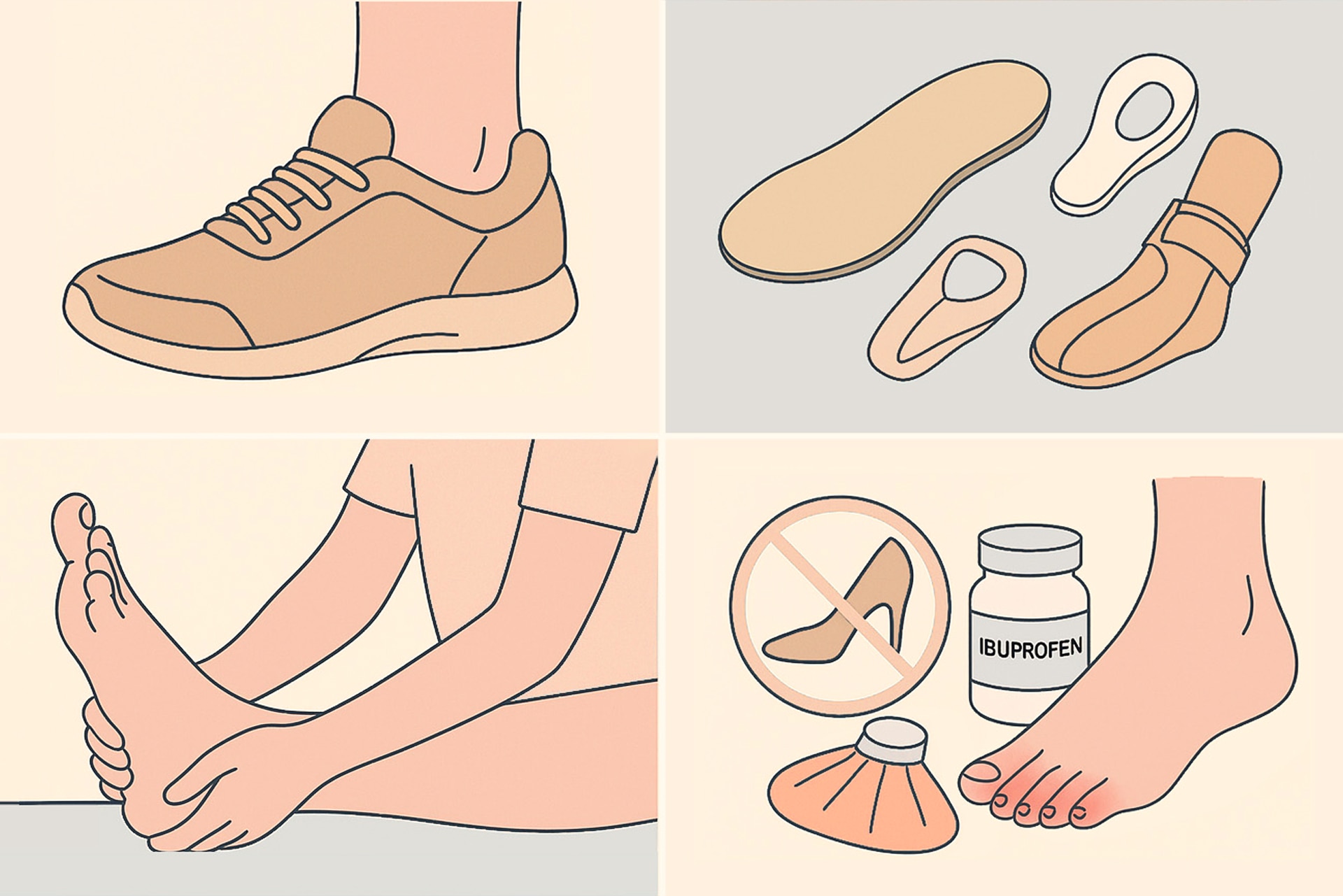
Conservative bunion care focuses on reducing joint pressure and improving foot mechanics. The first step is footwear modification—wide toe-box, supportive shoes that match the foot’s natural shape help relieve stress on the big-toe joint. Ensuring about a thumb’s width of space between the longest toe and the front of the shoe.Orthotics, whether prefabricated or custom, further redistribute pressure and support alignment. Toe spacers or night splints may reduce discomfort, though they do not correct the deformity. Avoiding high heels and narrow footwear.Pain and inflammation can be managed with short-term NSAIDs, ice, and activity modification. Physical therapy, including foot-muscle strengthening, calf and plantar fascia stretching, and joint mobilization, helps improve movement and reduce strain. Corticosteroid injections are reserved for cases with acute bursitis or significant inflammation.Bunion FAQs
1. Do bunions go away on their own?
No. Bunions do not reverse without surgery. Conservative treatments reduce symptoms but do not realign bone.2. When should I see a doctor?See a provider if you have persistent pain, a visible bump, difficulty walking, or trouble finding shoes that fit.3. Can I prevent bunions?You can slow progression by wearing supportive footwear and addressing foot mechanics early.4. Do all bunions need surgery?No. Most bunions are managed successfully with non-surgical treatments unless daily function is affected.5. Are bunions hereditary?Yes. Over 70% of bunion patients have a family history of foot structure that predisposes them to hallux valgus.ReferencesCleveland Clinic – Bunions: Symptoms, Causes, Diagnosis & TreatmentMayo Clinic – Bunions: Symptoms, Causes, Risk Factors & PreventionAmerican Academy of Orthopaedic Surgeons (AAOS) – Hallux Valgus Clinical Practice GuidelinesNHS UK – Bunions: Overview and ManagementAmerican Podiatric Medical Association (APMA) – Foot Mechanics & Footwear Recommendations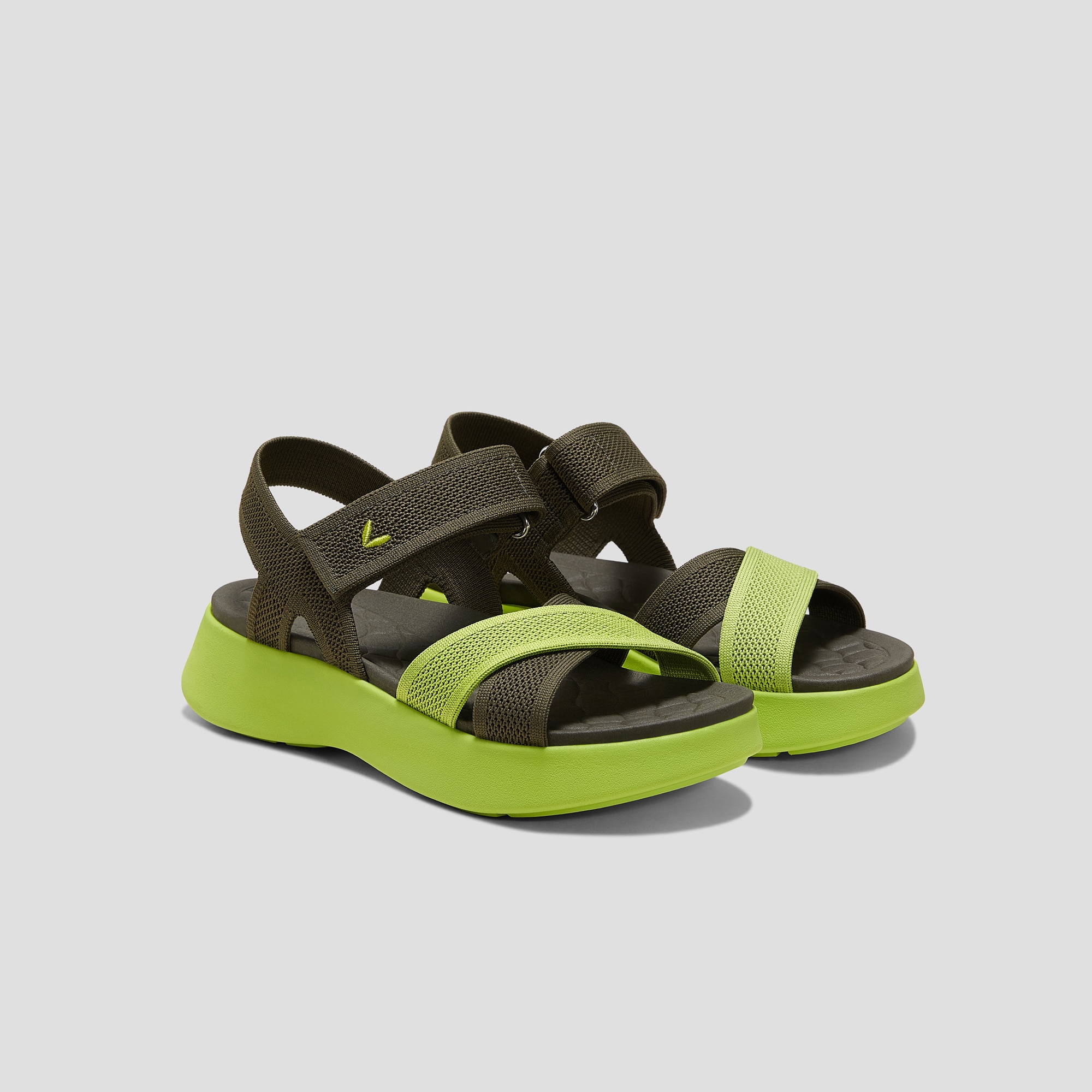
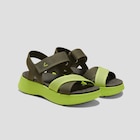
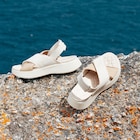
Walker Sandals (Kiara)
$99.00$149.00
View Details

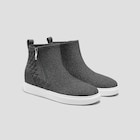
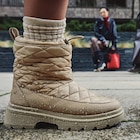
Round-Toe Slip-On Sneaker Boots (Urban Boots)
$149.00$179.00
View Details

Unisex Sneaker Sliders (Urban) - Mesh
$139.00
View Details
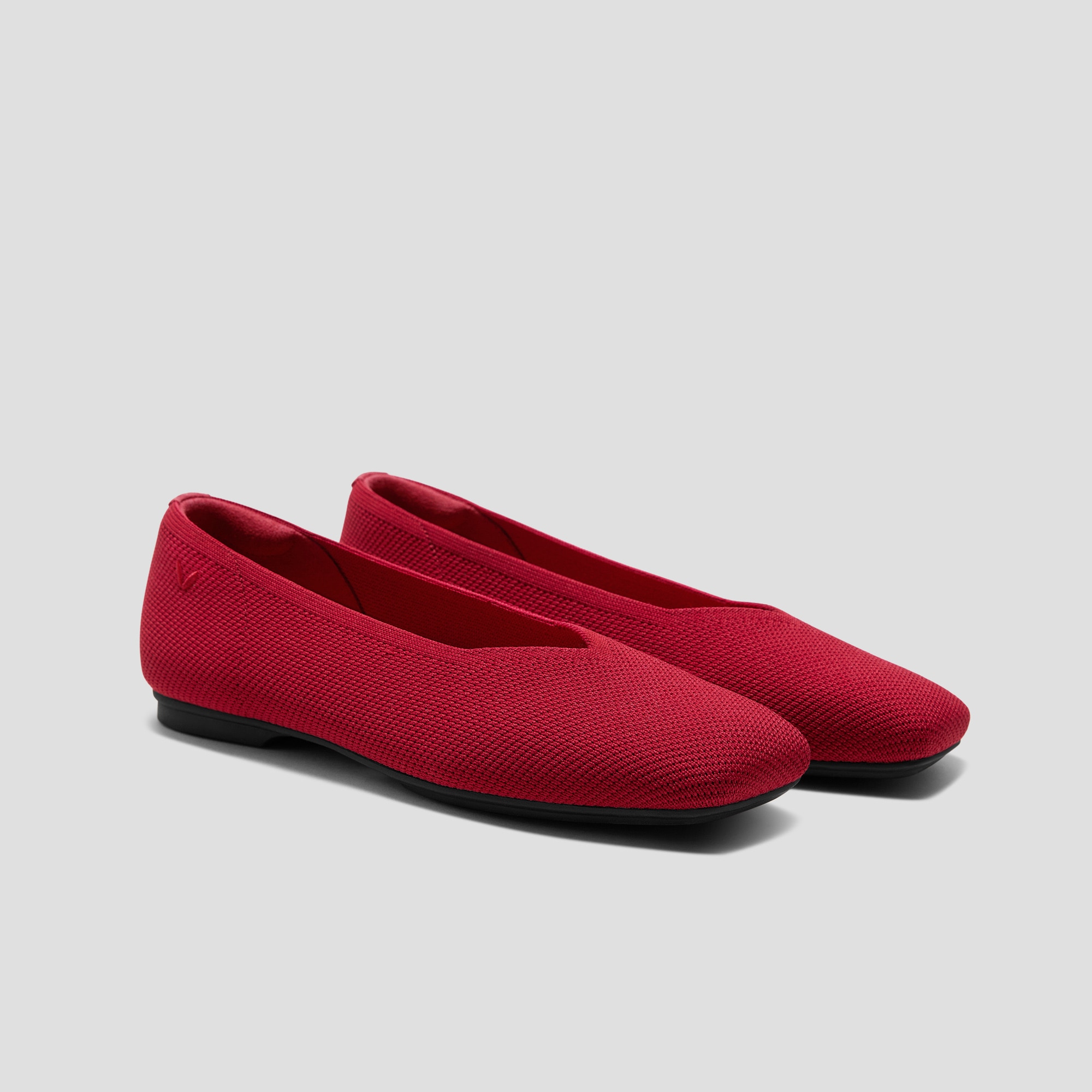
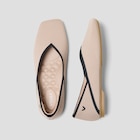
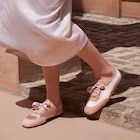
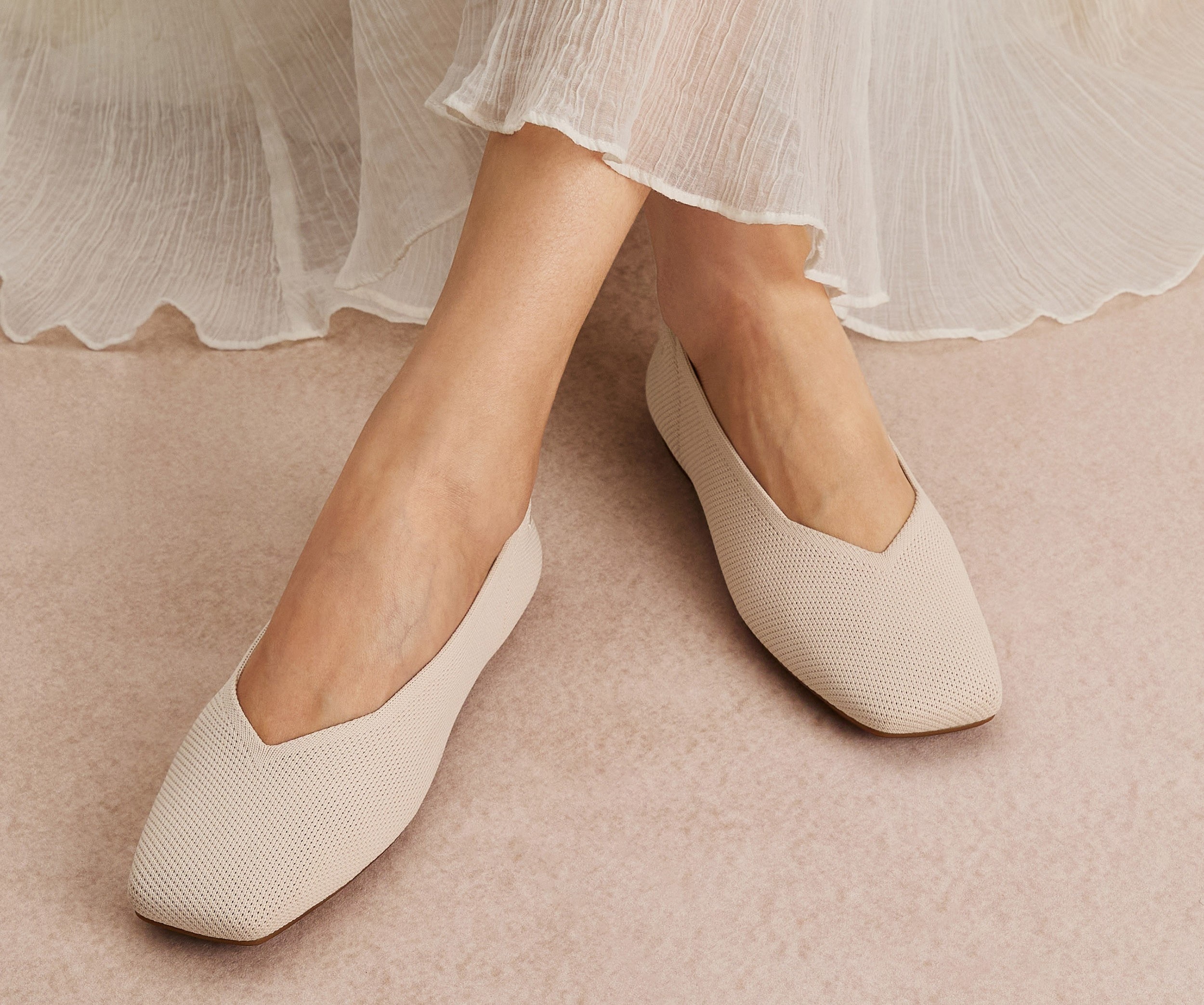
Square-Toe Margot V-Cut Flats (Margot 3.0)
$129.00
View Details
© VIVAIA All Rights ReservedTerms of Service - Privacy Policy -