








What Makes a Travel Shoe Actually Comfortable
Not all comfort is created equal. A shoe that feels great in a store for five minutes can feel terrible after eight hours on stone floors. Four specific factors separate a travel shoe that actually works from one that just seems like it will.
The Four Comfort Factors That Matter
Cushioning.
Travel surfaces (cobblestones, airport marble, concrete) are far harder than carpeted offices or home floors. That impact travels straight up through your feet, knees, and lower back. Look for at least 0.4 inches (10mm) of midsole cushioning.
Arch support.
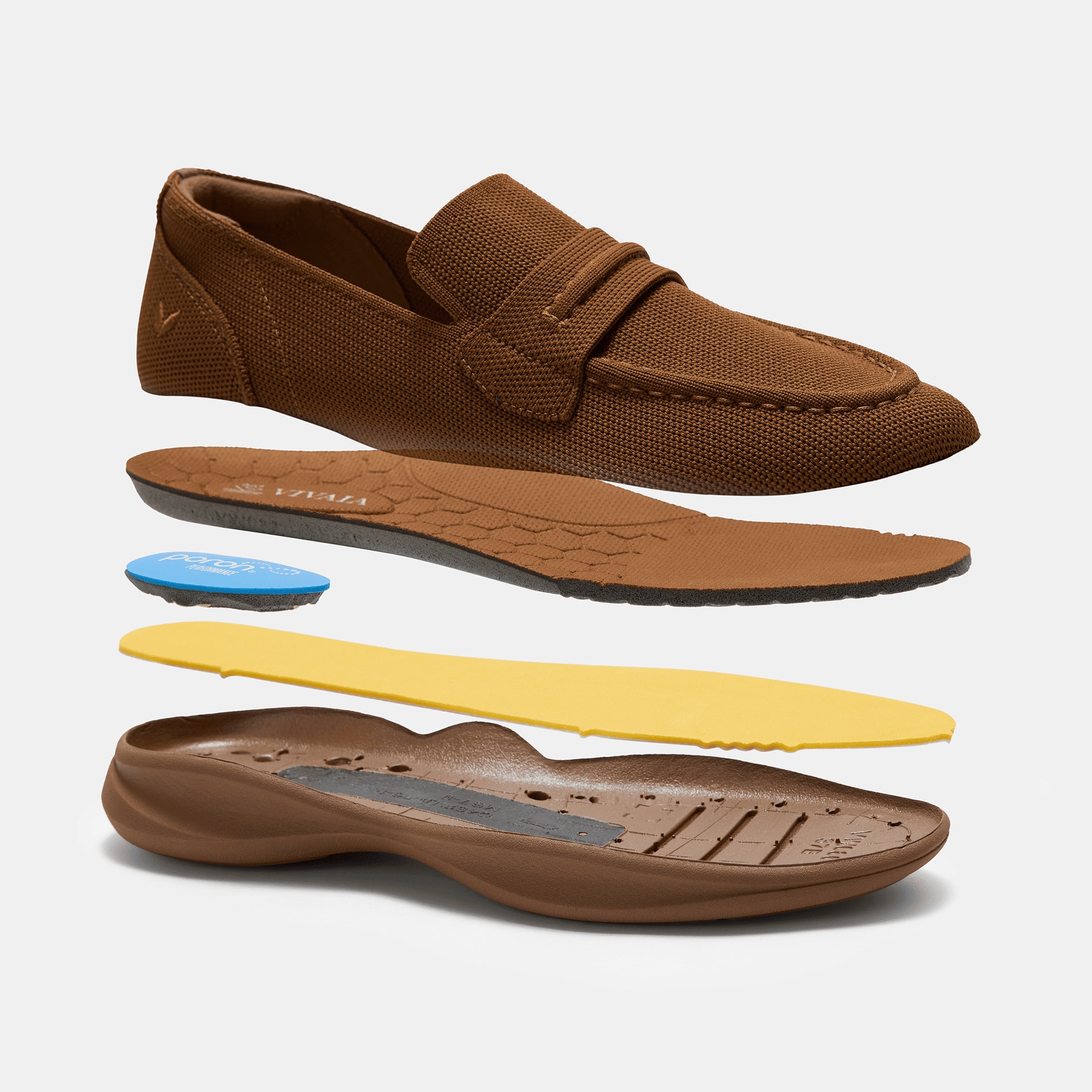
Quick test before buying: press your thumb upward against the inner midsole in the arch area. A firm curve pushing back means support is there. Completely flat means it isn't.
Weight.
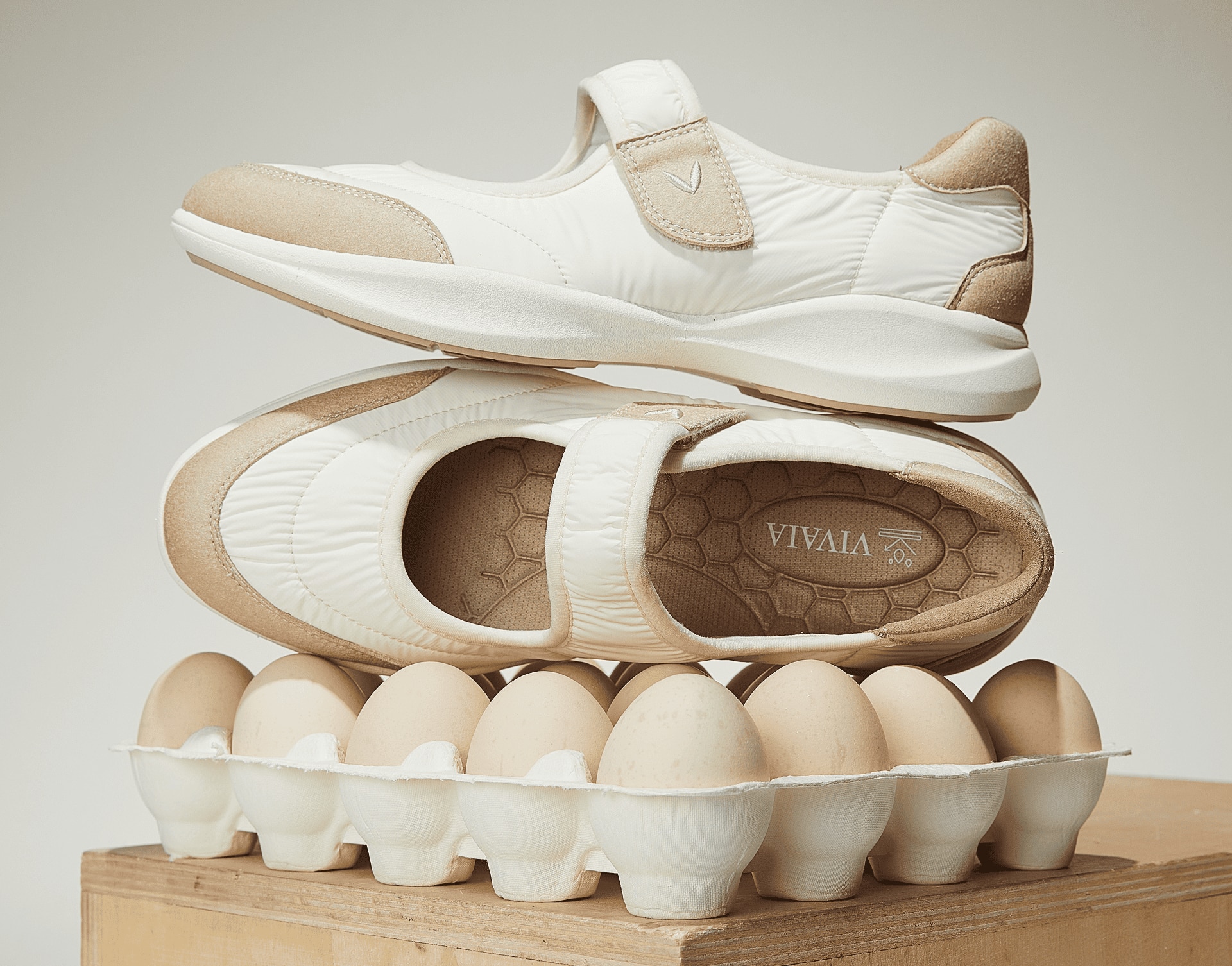
Under 9 oz (about 255g) per shoe is the practical reference point. Check the product page for the listed weight. Weight is easy to misjudge by feel alone.
Upper flexibility.
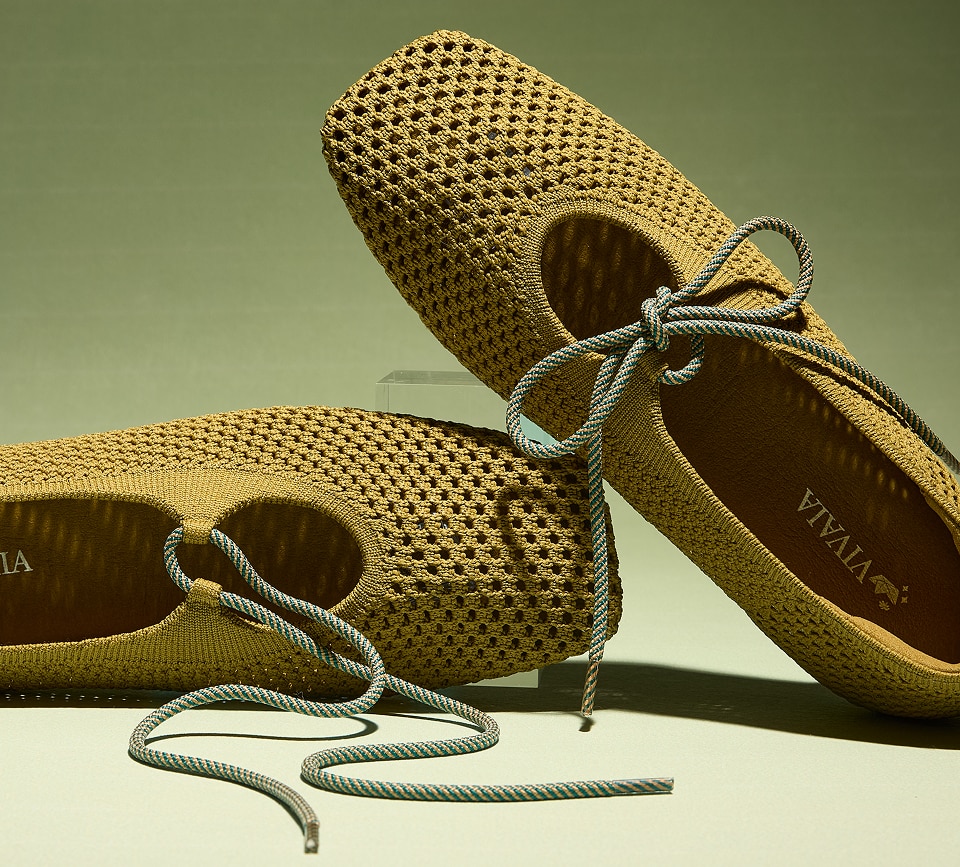
Knit and mesh uppers flex as your foot moves and expands. Hard leather and rigid shells don't. When your feet swell mid-trip, a flexible upper prevents new friction points. A rigid one creates them.
Try-On Comfort vs. All-Day Comfort
Five minutes in a store tells you almost nothing about ten hours on your feet. Three things to check:
● About half an inch of space between your longest toe and the shoe's front. Your foot slides forward with each step.
● Any heel friction, even mild. It becomes a blister by hour three.
● No interior seams or stitching pressing against the foot. These don't ease with wear.
Why Your Feet Hurt More When You Travel
Those four factors matter because travel puts your feet through conditions that daily life never does. Four specific things explain why.
Your Feet Swell on the Flight
Cabin pressure and extended sitting slow circulation, and feet can swell noticeably on long flights. Shoes that fit fine at home can start rubbing the moment you land.
Two fixes: give your feet 20–30 minutes to adjust before starting a full walking day, and choose knit or mesh uppers, or size up half a size.
Your Daily Steps Multiply on the Road
The average daily step count at home is around 5,000. A typical day of city sightseeing runs 15,000–20,000 steps, and a full museum day can push even higher. Any tiny friction point that your shoes tolerated at home gets multiplied three to four times over. The most reliable way to prepare is starting to wear your travel shoes regularly two weeks before departure, building up to three continuous hours of walking with no hot spots before you pack them.
The Ground Is Harder Than at Home
Three surfaces come up repeatedly when traveling, and all of them are harder on feet than what most people walk on daily:
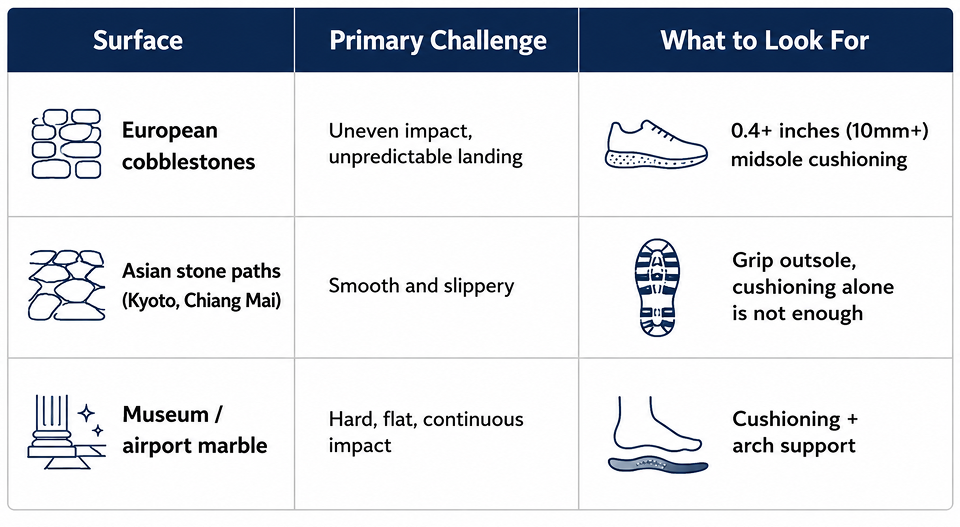
Ultra-flat shoes with less than 0.4 inches (10mm) of midsole feel fine on carpet and suffer on all three.
You Wear the Same Shoes Every Day
At home, shoes rotate naturally. Travel usually means one pair worn seven to ten days straight, with the same pressure points getting friction every day. Rotating between two pairs gives irritated skin 24 hours to recover before it becomes a blister.
Which Type of Shoe Is Right for Your Trip
The goal isn't finding one perfect shoe. It's knowing which shoe does which job and packing accordingly.
City Sightseeing
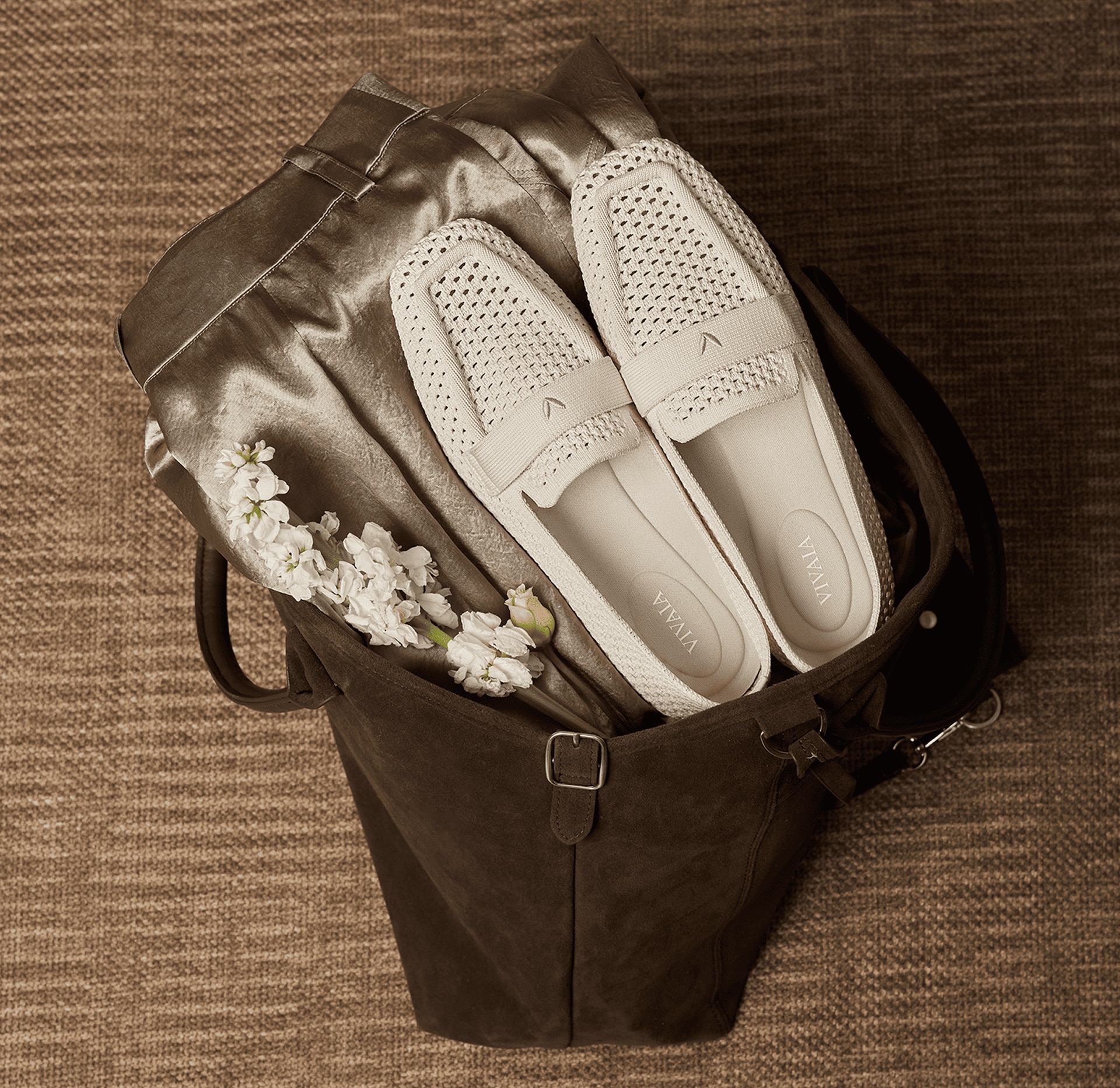
What you need: All-day walking support that doesn't look out of place at a nice dinner.
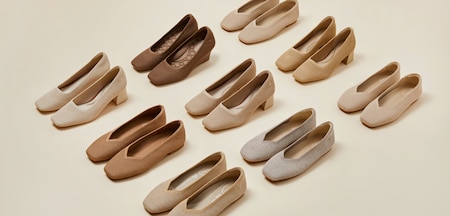
A knit flat with arch support insole covers this. Key specs: arch support insole, knit or soft fabric upper, weight under 9oz. Packable travel flats compress into a tote, take up almost no luggage space, and go from afternoon streets to a restaurant without a shoe change.
Warm-Weather and Beach Trips
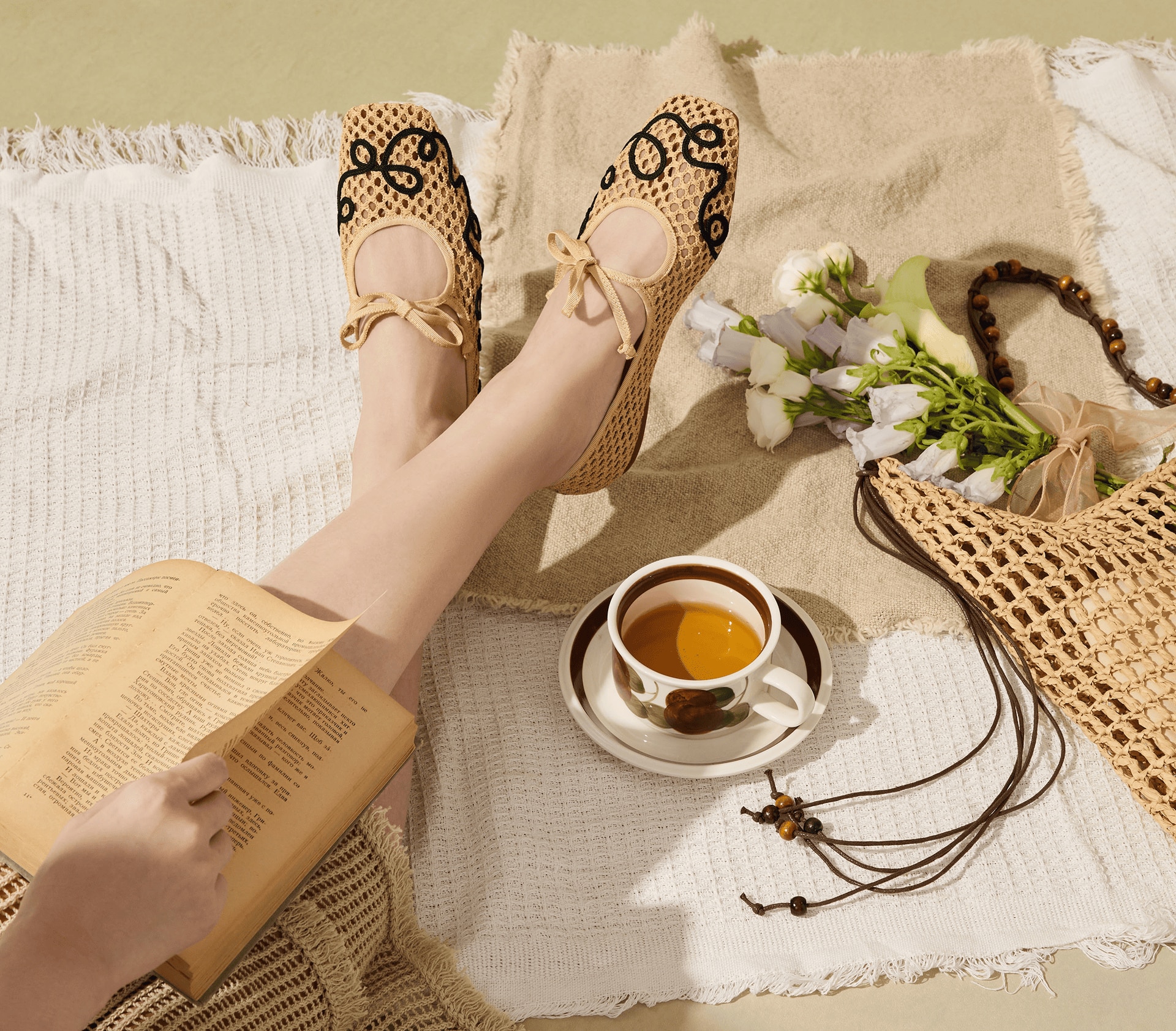
What you need: Breathability, quick drying, and light weight.
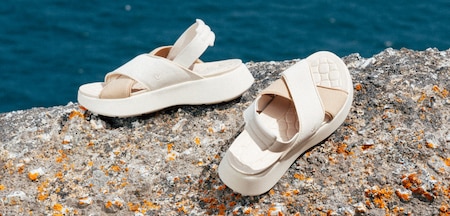
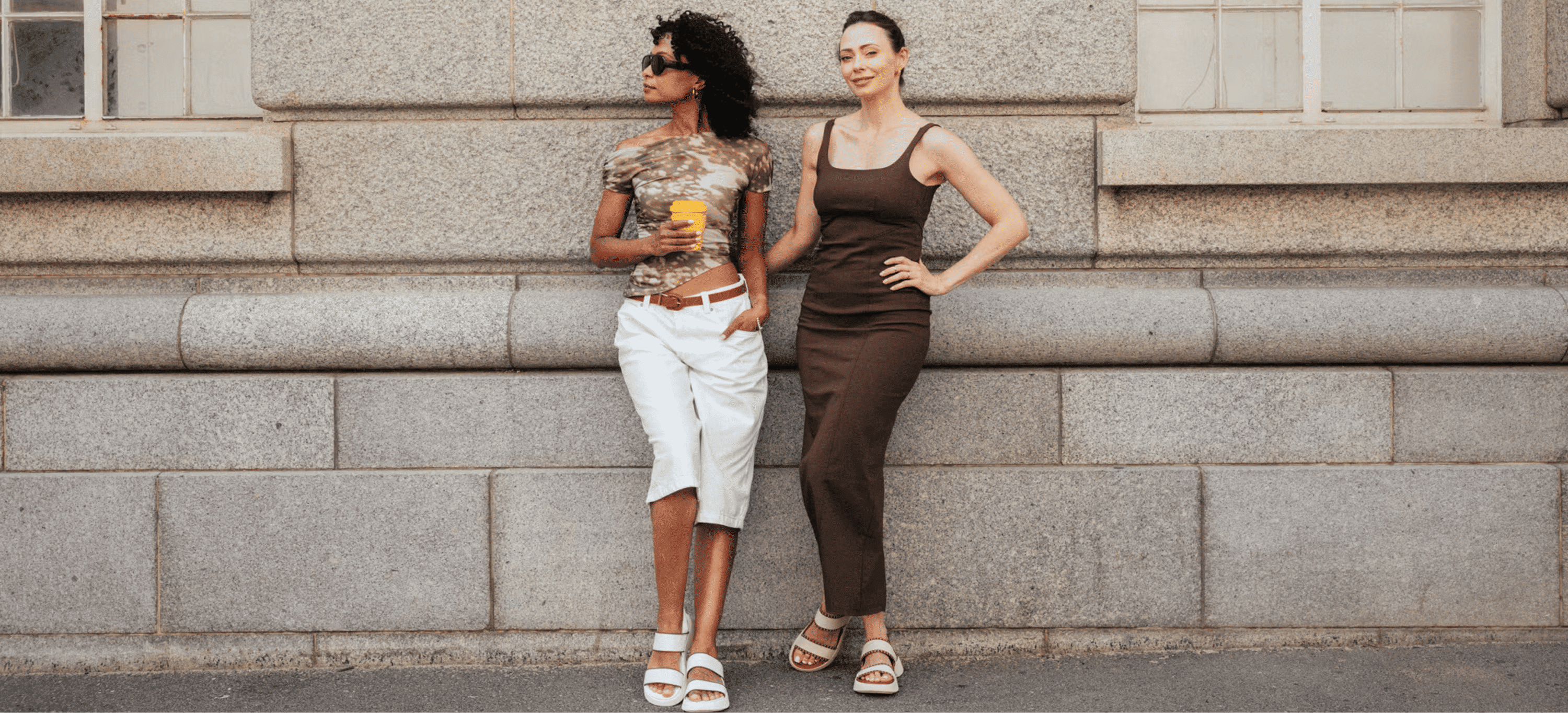
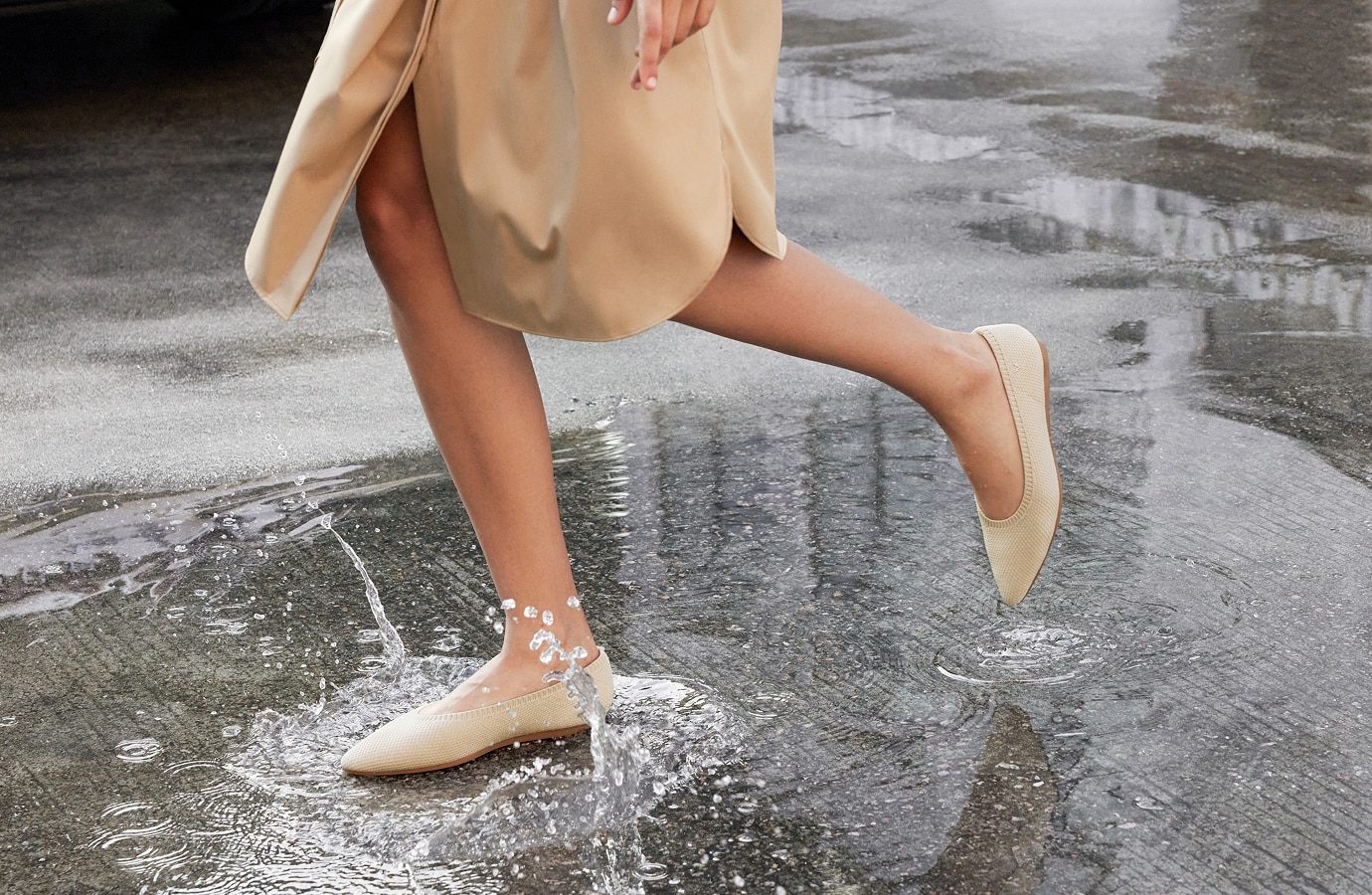
Knit or mesh uppers dry fast, which matters when you get caught in rain or step through shallow water. Adjustable-strap sandals with lightweight soles add beach-to-street versatility. Avoid canvas in humid climates; it holds moisture and takes overnight to dry.
Business and Smart Casual Travel
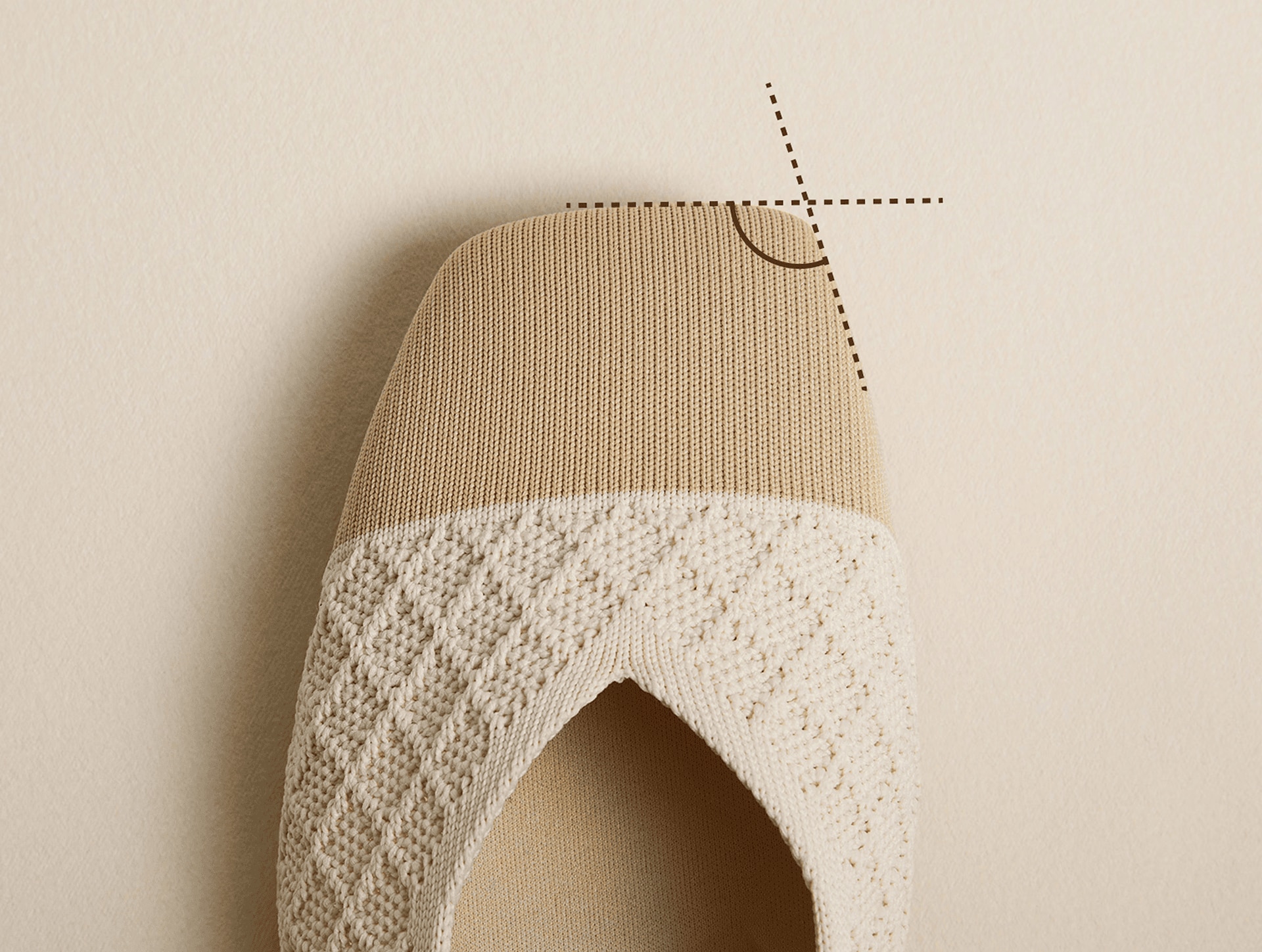
What you need: A polished look without sacrificing support.
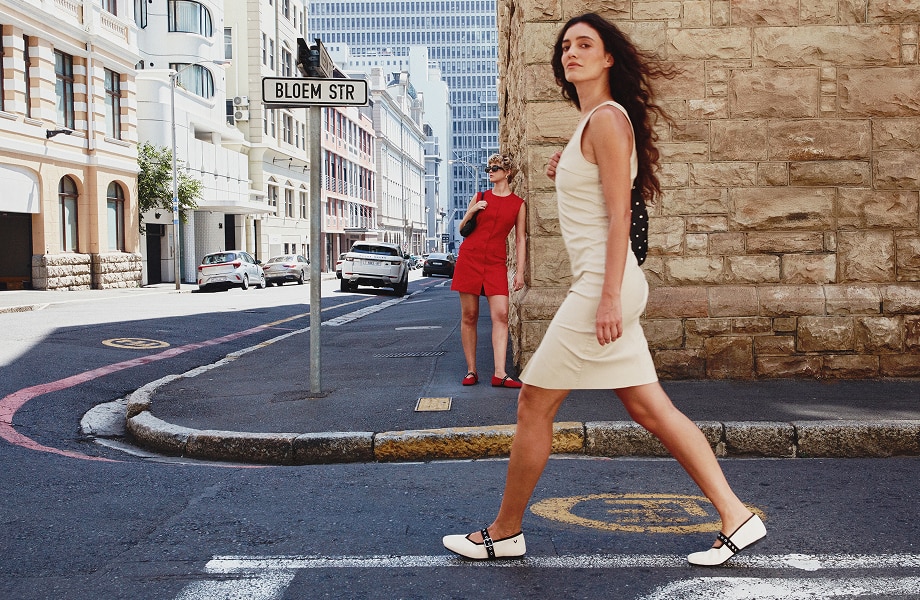
The visual formality of a shoe comes from its toe shape and upper material, not its heel height. A square-toe or pointed-toe flat in a soft solid fabric (black, camel, or nude) reads as polished in most professional and smart casual contexts. Sole thickness still matters: a 0.4–0.5 inches (10–12mm) midsole under a sleek upper gives full-day comfort without changing the shoe's visual profile.
When One Pair Has to Cover Everything
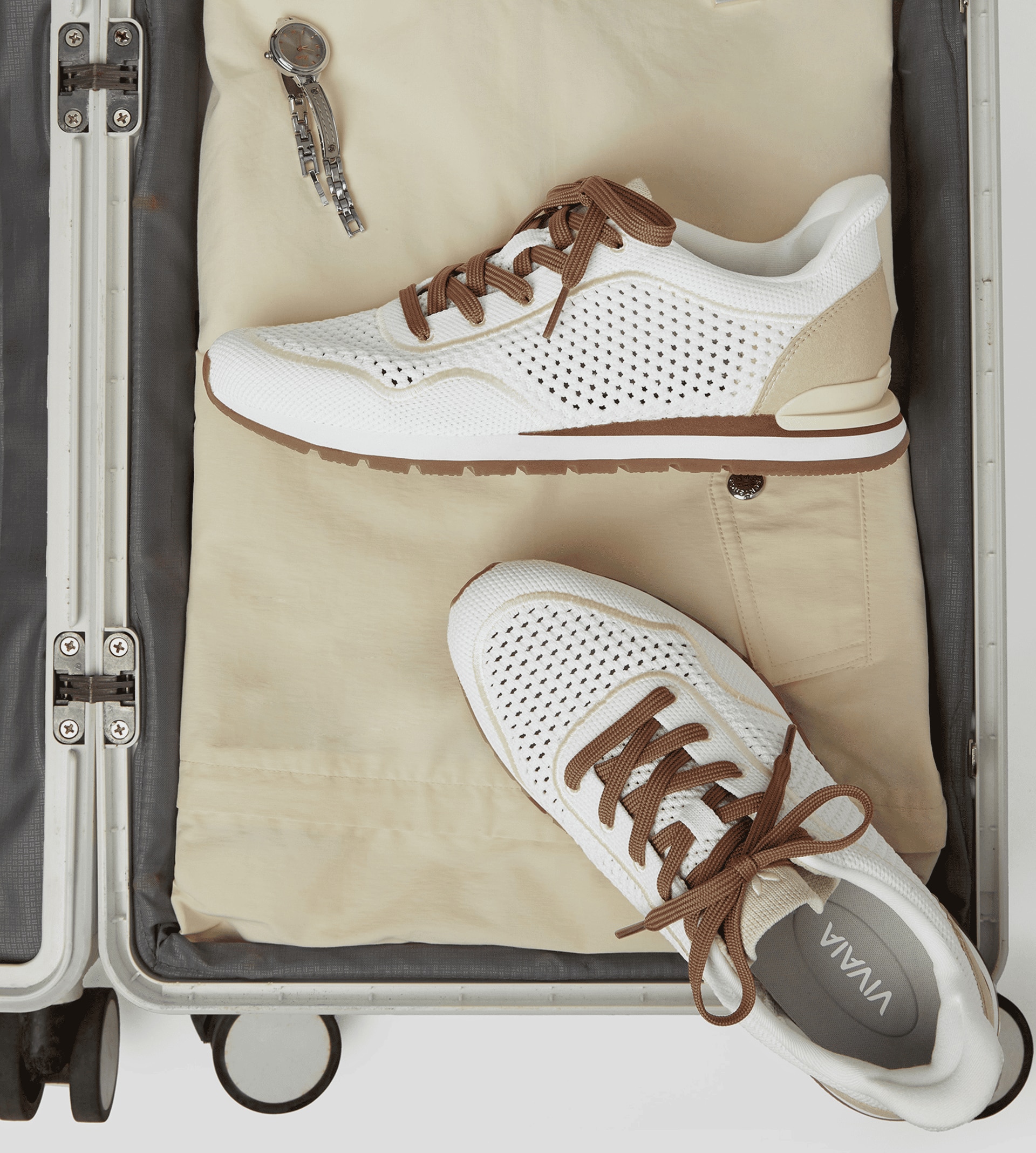
If you're actually packing one primary shoe for a mixed itinerary, it needs to meet four criteria: 0.4–0.6 inches (10–15mm) midsole, neutral color, knit or soft upper, arch support insole. Check all four and one shoe handles sightseeing, light business, and casual dinners with minimal compromise.
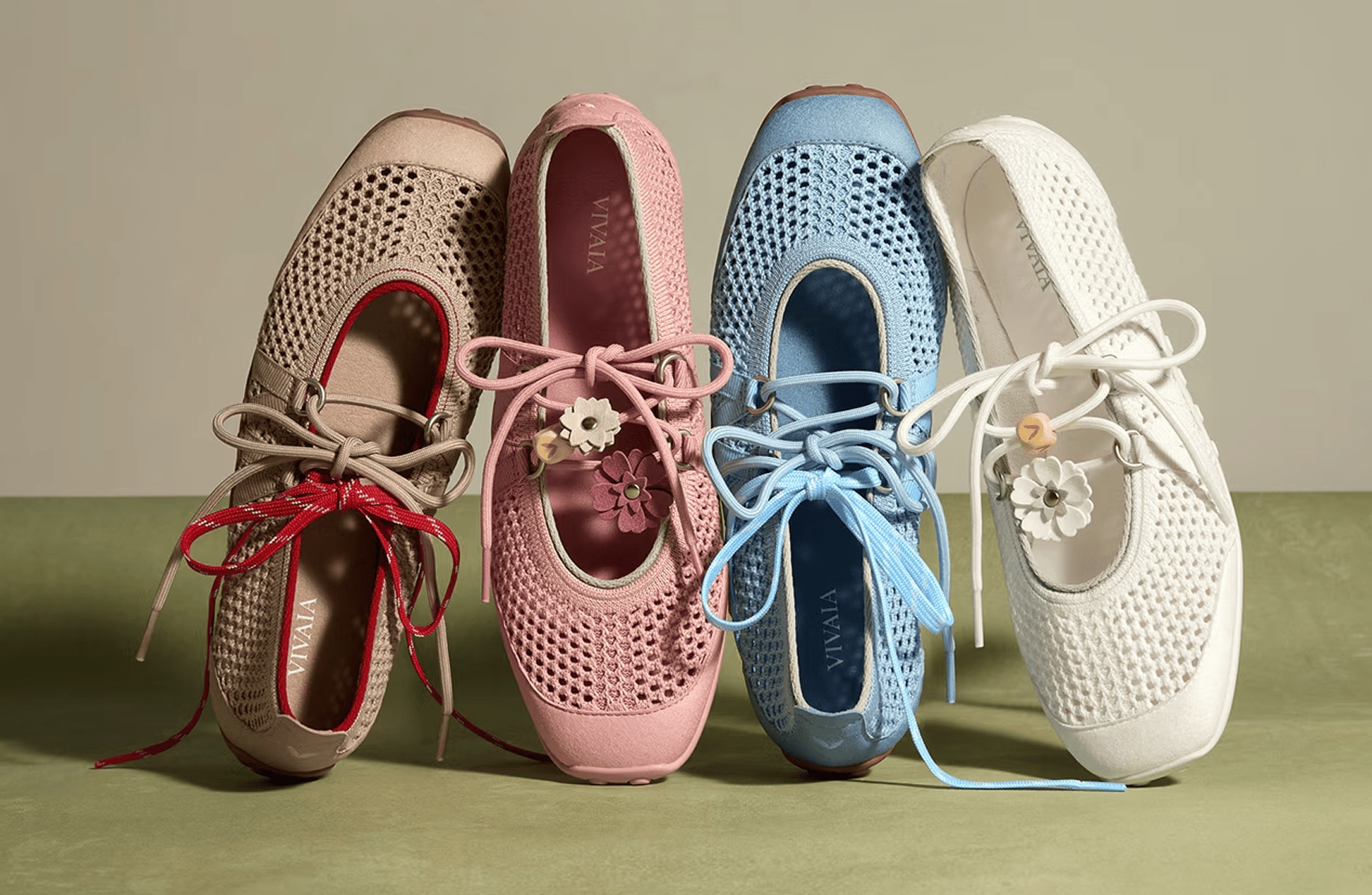
Some knit flat collections, like those from VIVAIA, are built around this combination: knit uppers, arch-supportive insoles, and machine-washable construction that keeps the shoes fresh a week into a trip. The Sneakerina styles add a sleeker look for smart casual moments while keeping the same knit-upper flexibility.
How to Prevent Blisters When Traveling
Blisters don't happen randomly. Friction creates heat, heat causes fluid to build up under the skin. Break that chain early and you prevent the blister.
Break In Your Shoes Before You Go
New shoes and travel don't mix. Most blister complaints trace back to shoes worn for the first time on a trip. Not bad quality, just no break-in. Start wearing your travel shoes daily two to three weeks before departure, adding time each session until you can walk three continuous hours with zero friction hot spots. Knit uppers conform within a few wearings; leather and stiff synthetics take longer.
Pick the Right Socks
Cotton holds moisture against the skin and accelerates friction. Switch to merino wool or nylon-blend socks: they wick moisture away and reduce fabric sliding inside the shoe. If you blister at a specific spot consistently, double-layer anti-friction socks target exactly that area.
Catch the Hot Spot Before It Becomes a Blister
A friction hot spot takes roughly 20–30 minutes to develop into a full blister. That's your window. Three things worth carrying in your day bag:
● Blister cushions: Apply the moment you feel warmth or rubbing. Hydrocolloid-style pads conform to skin and stay in place for days.
● Anti-friction balm: Apply to the heel, outer pinky toe, and ball of the foot before walking, not after.
● A spare pair of socks: Swap out a damp pair mid-day. It's one of the simplest blister prevention moves there is.
What to Do If You Already Have One
Small blister (under half an inch across): Leave it intact. Cover it with a blister cushion and keep walking. The intact skin protects the tissue underneath.
Large blister (over half an inch, affecting your gait): Cover with a blister cushion, leave the skin intact and switch to another pair of shoes to shift the friction point. See a pharmacist or doctor if it worsens.
How Many Pairs of Shoes Should You Pack
Pack by function, not by number.
Two Pairs for Most Trips
For trips of one to seven days, two pairs cover almost everything:
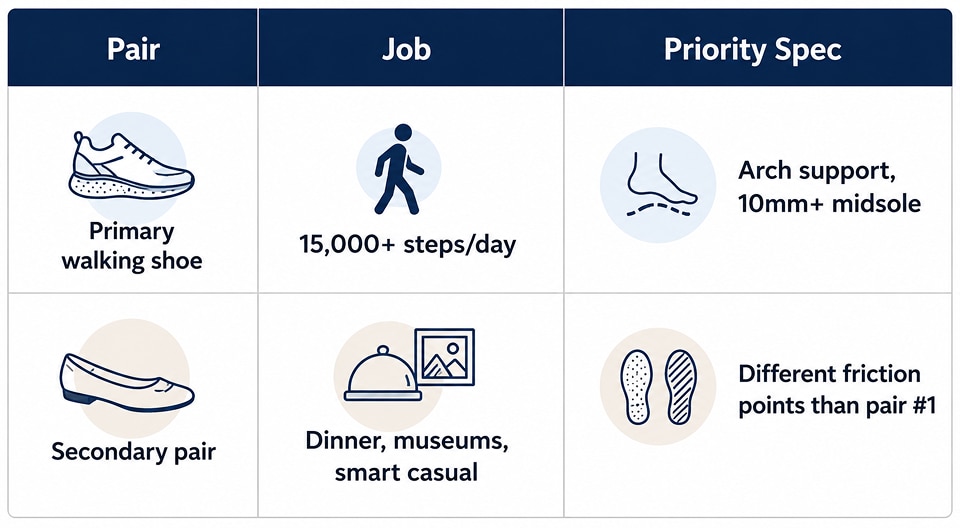
Two pairs work because they put pressure on different areas. Rotating daily gives irritated skin 24 hours to recover.
When You Need a Third Pair
Three pairs make sense for trips over ten days, itineraries mixing very different contexts (beach + city + business), or travelers who blister easily. The third shoe should be ultra-light and packable (under 5 oz / about 140g), with flexibility as its only job.
How to Pack Them Without Wasting Space
● Toe-to-heel nesting (one shoe facing forward, one facing back) cuts the combined footprint by 20–30%.
● Soft knit shoes compress into bag corners and gaps where rigid shoes can't fit.
● Stuff socks and small items inside shoes to use dead space.
● Machine-washable shoes let you travel with fewer pairs on longer trips: wash one pair, wear the other, alternate.
The Payoff Is Worth the Planning
Comfortable travel shoes need four things: cushioning (10mm+ midsole), arch support, light weight (under 9 oz or 255g), and a flexible upper. Break them in before you go, pair them with the right socks, and carry a small blister kit. Get those things right and the shoes stop being something you think about.
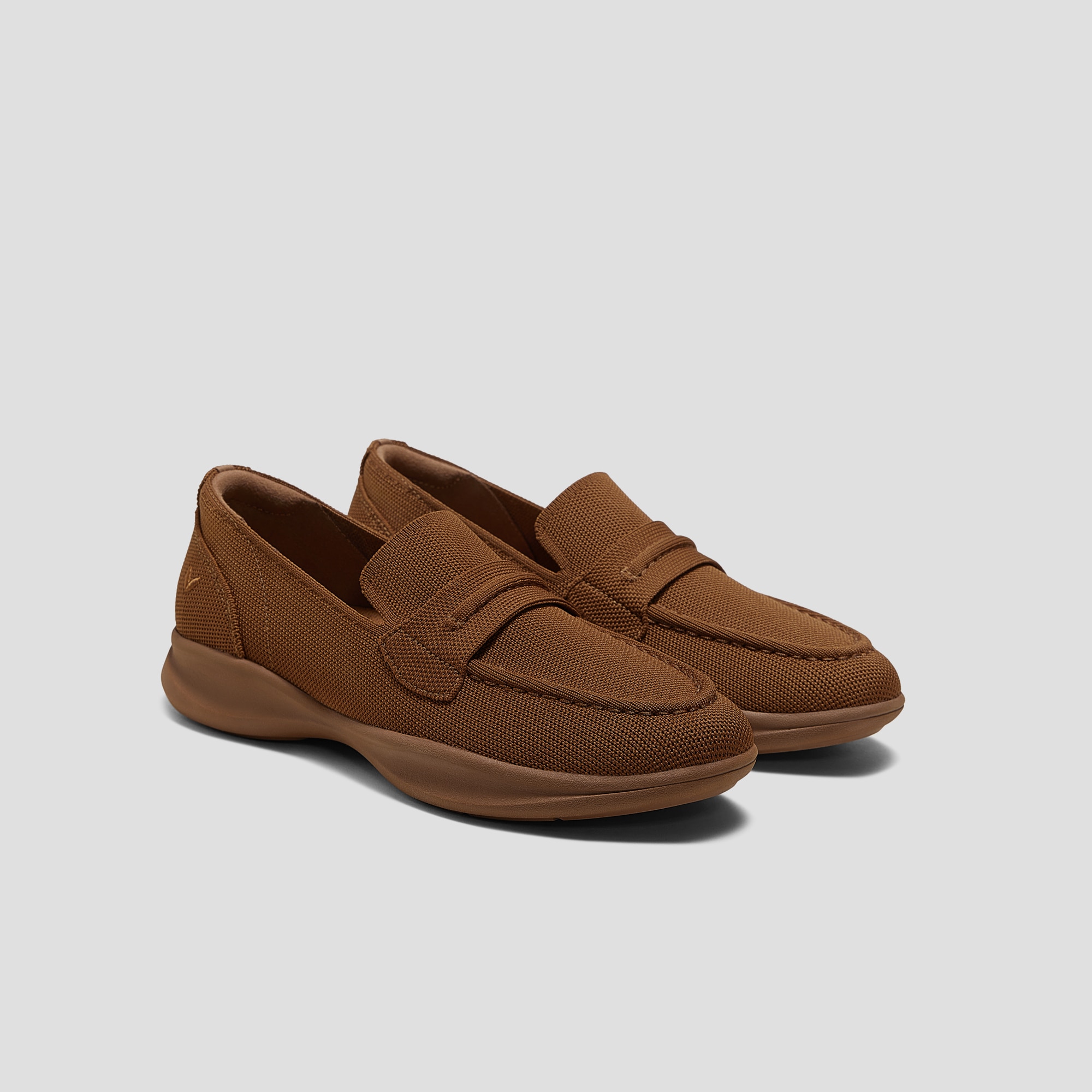
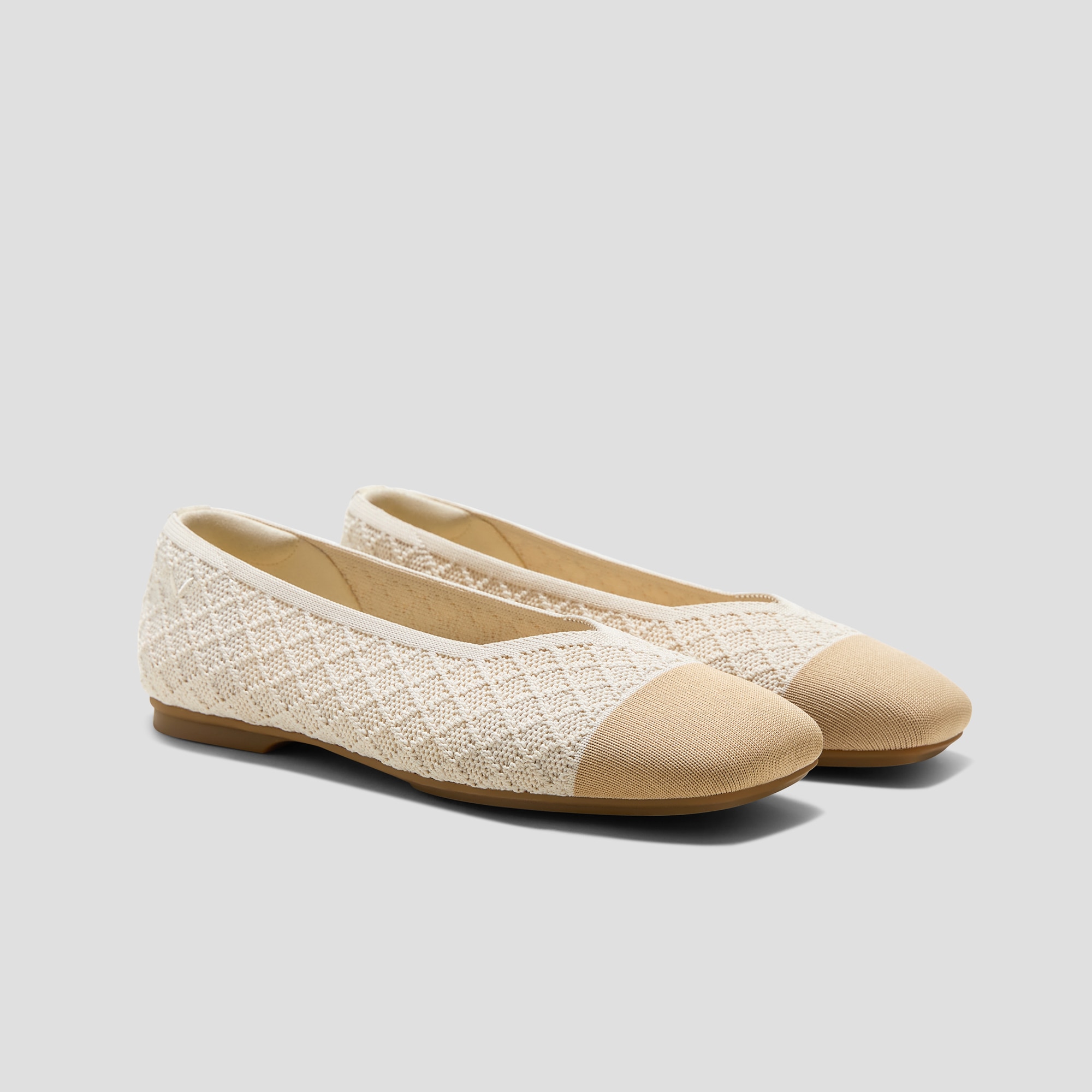
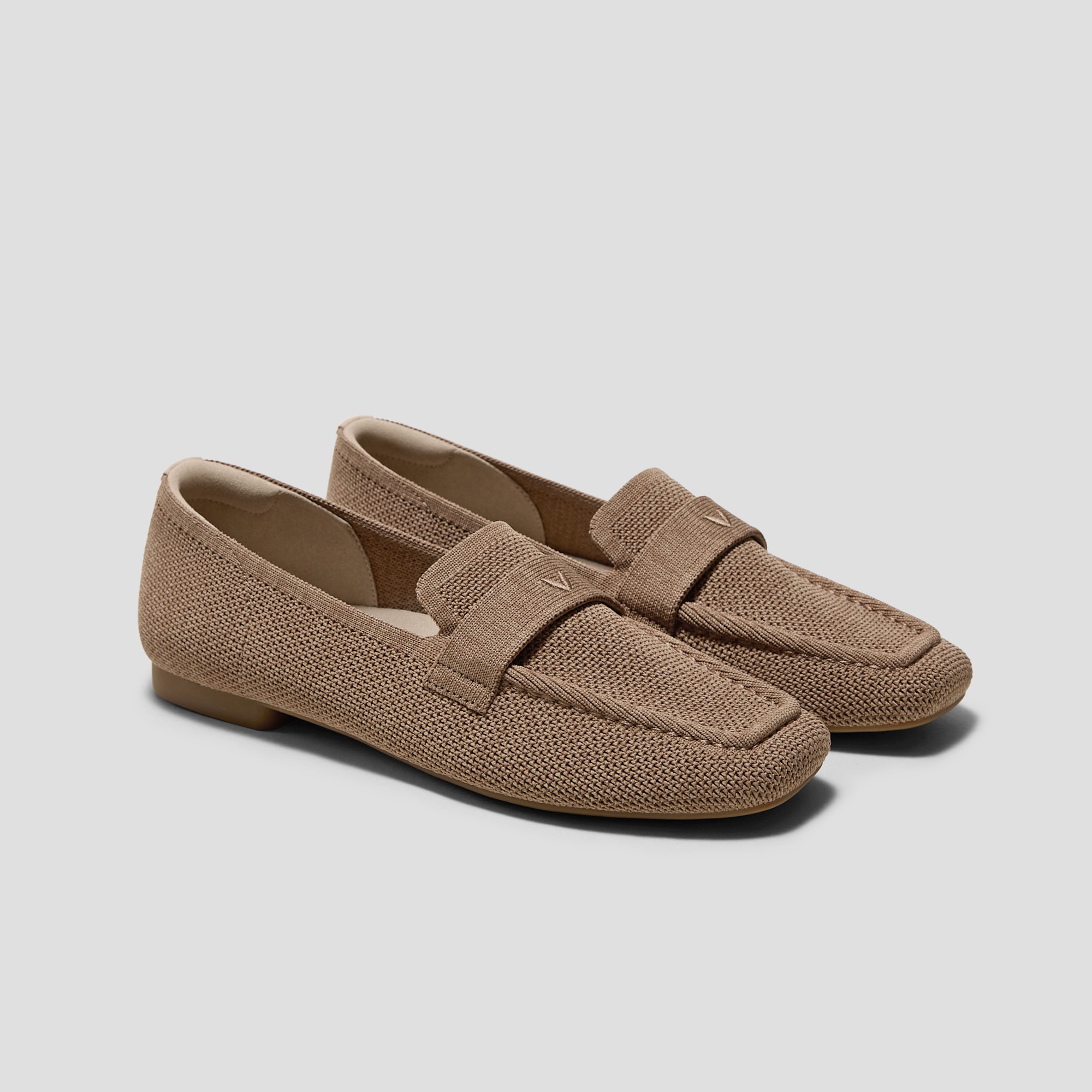
VIVAIA's lightweight knit travel shoe collection, including the Walker Pro series, Margot™ flats, and Sneakerina styles, is built for exactly this kind of trip: machine-washable, arch-supported, and well under 9oz per shoe.

Frequently Asked Questions
Q1: I have plantar fasciitis. What should I look for in travel shoes?
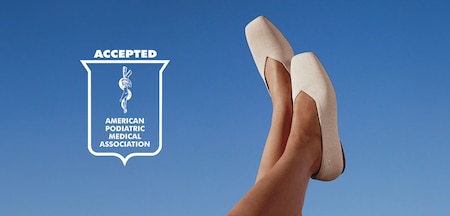
Prioritize three things: a firm arch support with at least 0.15–0.2 inches (4–5mm) of lift, a deep heel cup that keeps the heel bone stable, and a midsole with some firmness. Completely flat soles cause the plantar fascia to over-stretch with every step. Shoes with APMA (American Podiatric Medical Association) acceptance are a reliable starting point for PF travelers.
Q2: My shoes start to smell after a few days of travel. How do I fix that?
Rotate between two pairs so each gets 24+ hours to dry out. Wear socks to absorb moisture before it reaches the shoe. Choose knit or mesh uppers for airflow. For trips over five days, a machine wash clears bacteria at the source, which beats any spray.
Q3: I'm visiting Japan and Southeast Asia where you remove shoes frequently. What should I wear?
Slip-on entry is non-negotiable: no full lacing or multiple buckles. Wear socks in good condition; removing shoes in Japan fully exposes them, and bare feet are a cultural misstep. A knit slip-on flat with an elastic opening is the best fit: fast on and off, flexible, and easy to rinse clean.
Q4: My feet feel fine, but my knees and back hurt after a long day of walking. Is it my shoes?
Very likely. Thin soles send ground impact straight up through the knees and lower back. Quick check: press your thumb into the center of the midsole. It should compress slightly and push back. Also look for 0.3–0.5 inches (8–12mm) of heel-to-toe drop; zero-drop shoes concentrate impact at the heel with every step.
Q5: How do I keep my travel shoes clean without a washing machine?
For light marks, a damp cloth on the knit upper works if you catch it early. For deeper stains, soak in cold water with a small amount of laundry detergent, rinse cold, press into a dry towel, and air-dry away from heat. If the shoe is machine-washable: cold gentle cycle, laundry bag, air-dry overnight.
© VIVAIA All Rights ReservedTerms of Service - Privacy Policy -