








Measure and Confirm Your Foot Type and Gait
Arch Type: The Arch Height Index (AHI)
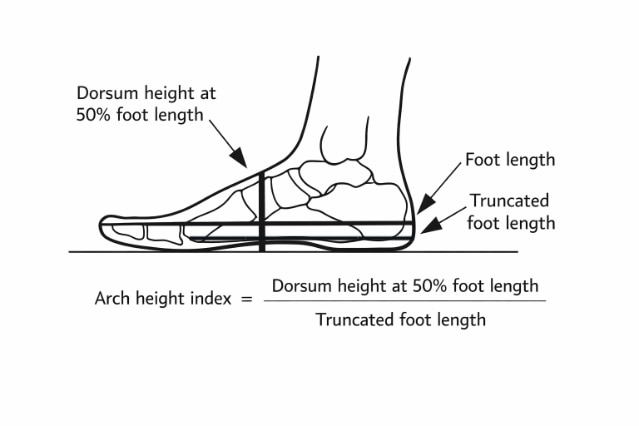
Warm tips: A professional arch assessment should be conducted by a podiatrist or sports therapist.
Steps:
Stand upright with weight evenly distributed on both feet during measurement.
1. Measure foot length (heel to longest toe, cm).
2. At 50% of foot length, measure dorsum height (floor to highest point on foot, cm).
3. Measure Truncated Foot Length.
Measure the distance from the back of your heel to the base of your big toe joint (not the tip of your longest toe). Record this in centimeters (cm).
4. Calculate AHI = Dorsum Height ÷ Truncated Foot Length.
Reference Ranges:
Flat foot (Pes Planus): AHI < 0.21
Normal arch: 0.21 ≤ AHI ≤ 0.26
High arch (Cavus foot): AHI > 0.26
Research confirms AHI is more consistent than simple “wet footprint” methods.
Gait Type (Pronation vs Supination vs Neutral)
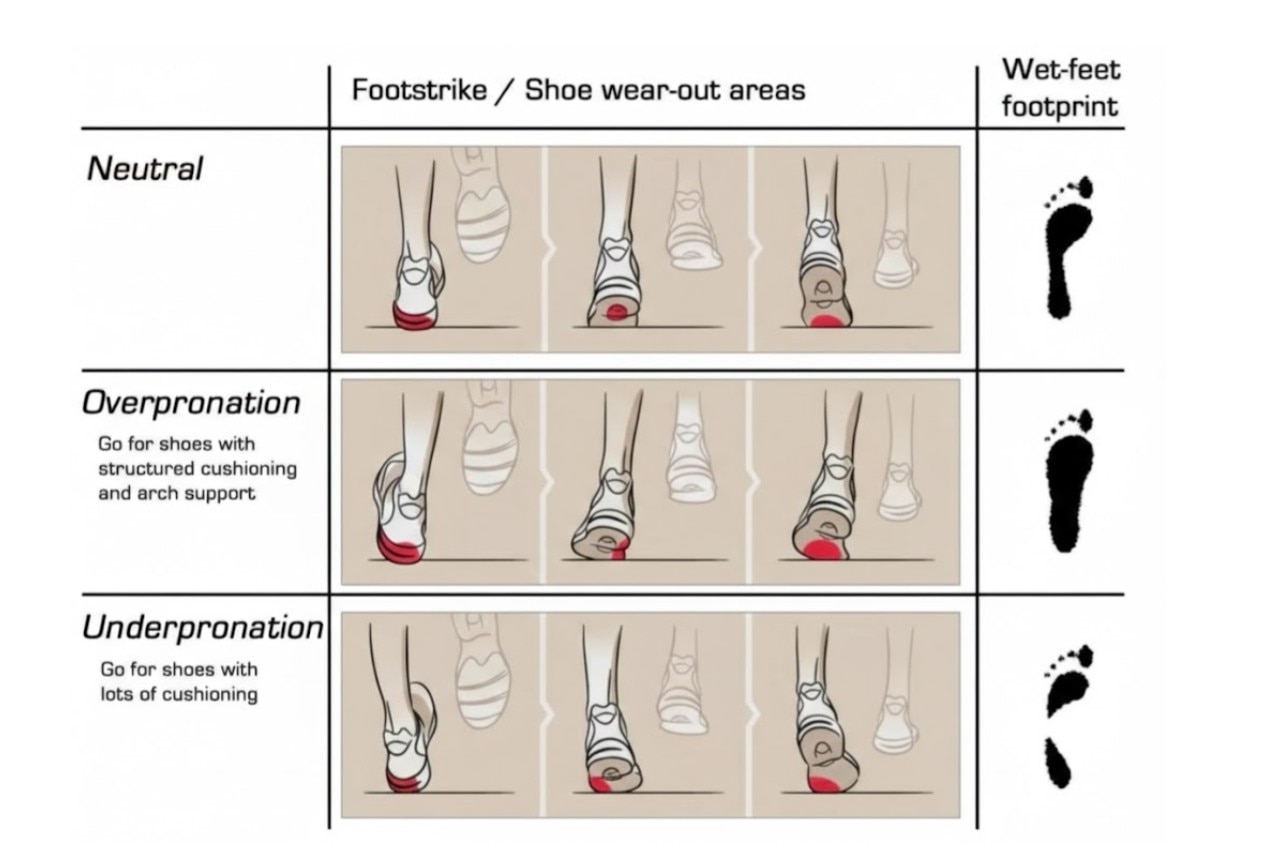
Professional gait assessment should be done by a clinician. At home, check shoe wear and record your walk to assess ankle motion.
Inner-heel wear may indicate overpronation, outer-heel wear suggests supination, and even wear points to a neutral gait. A quick treadmill video can help—if your ankles collapse inward, it may be overpronation; roll outward, possible supination; balanced motion indicates a neutral gait.

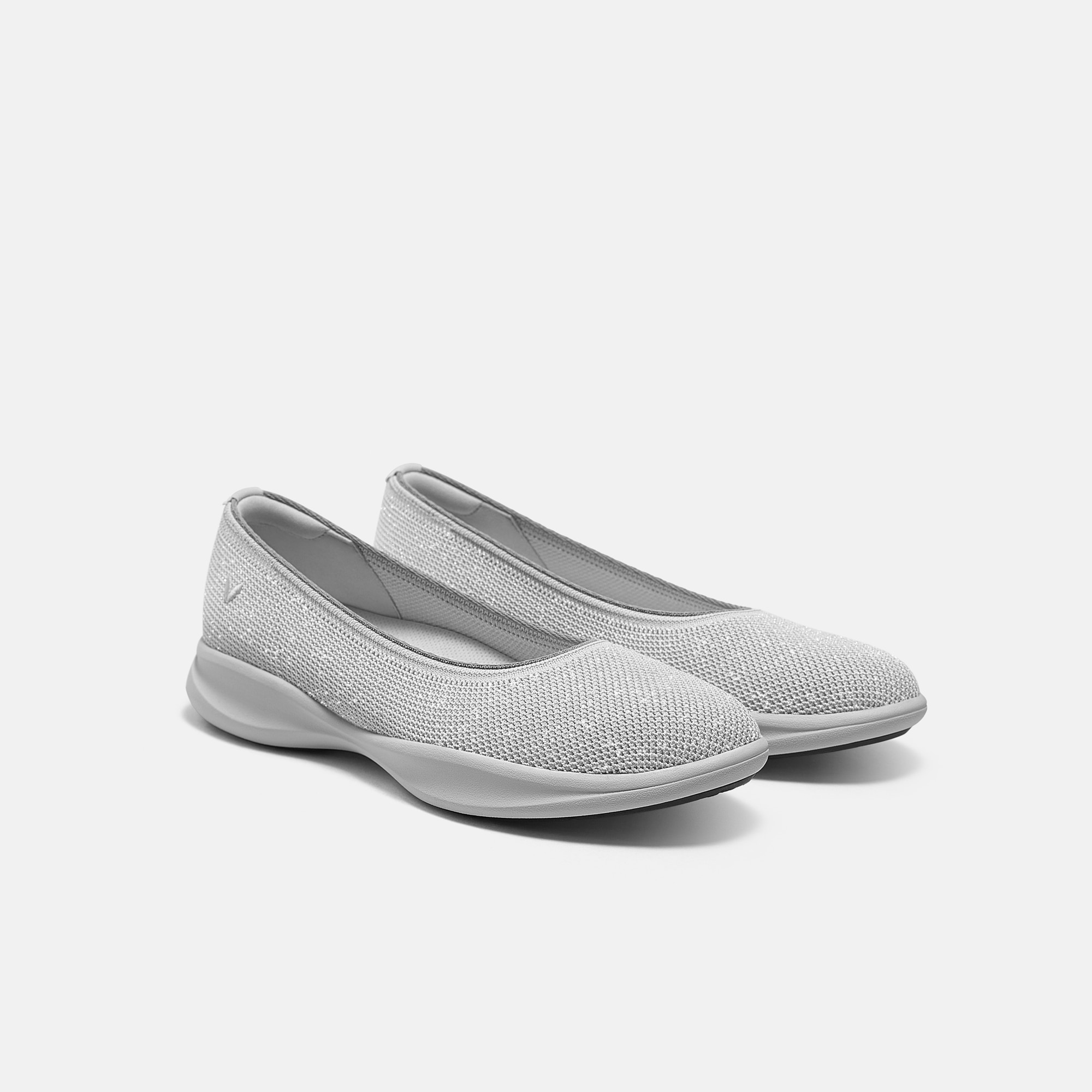
Shoe Recommendations by Foot Type, Gait, and Toe Shape
Normal Arch & Neutral Gait
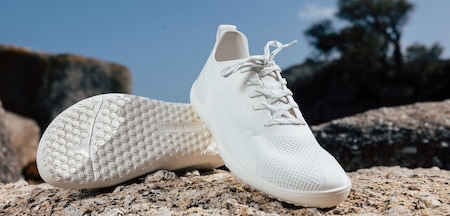
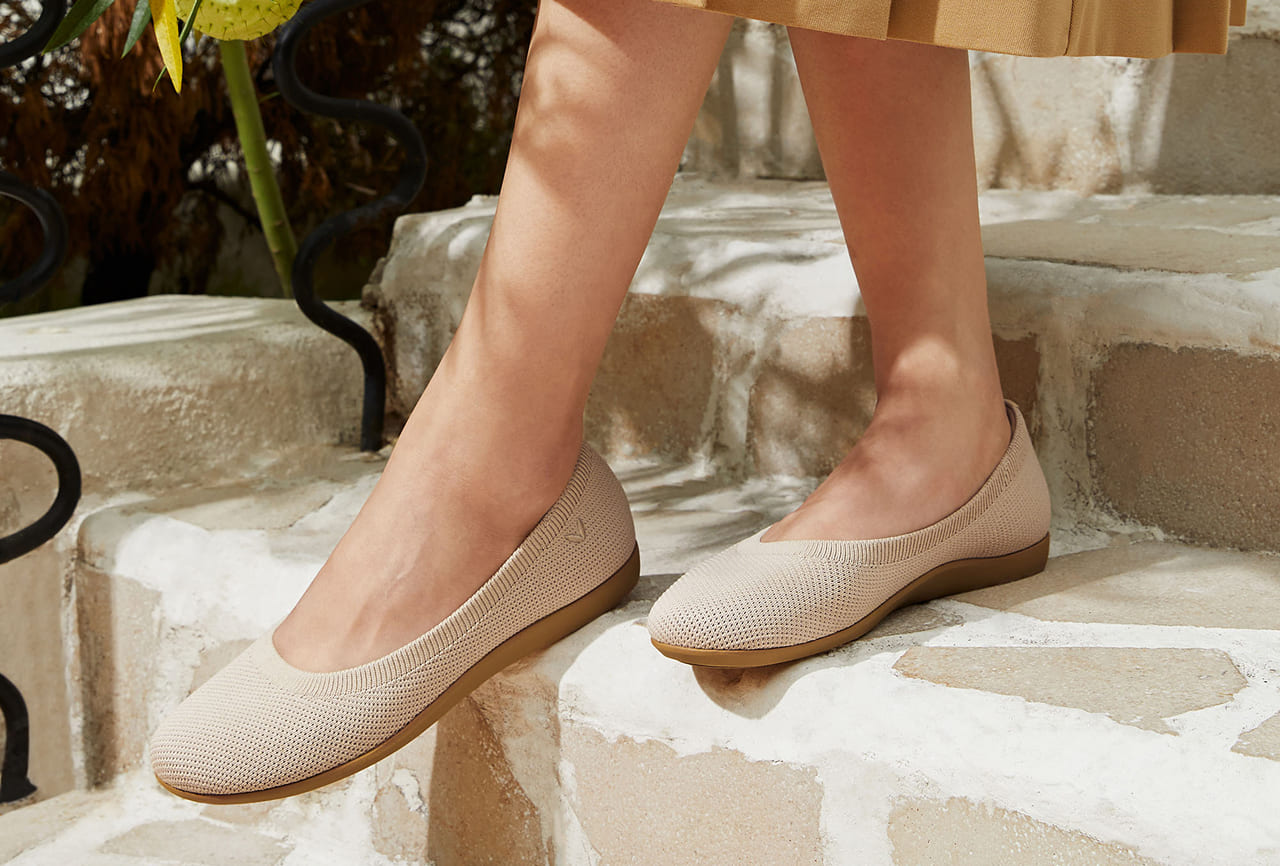
For those with a normal arch and neutral gait, opt for cushioned, lightweight sneakers or comfortable casual shoes with flexible midsoles and moderate support. Breathable uppers improve all-day comfort. Avoid narrow or overly rigid shoes that restrict natural motion.
(APMA; PubMed: Normal Arch Biomechanics, 2023)
High Arches (Cavus Foot)
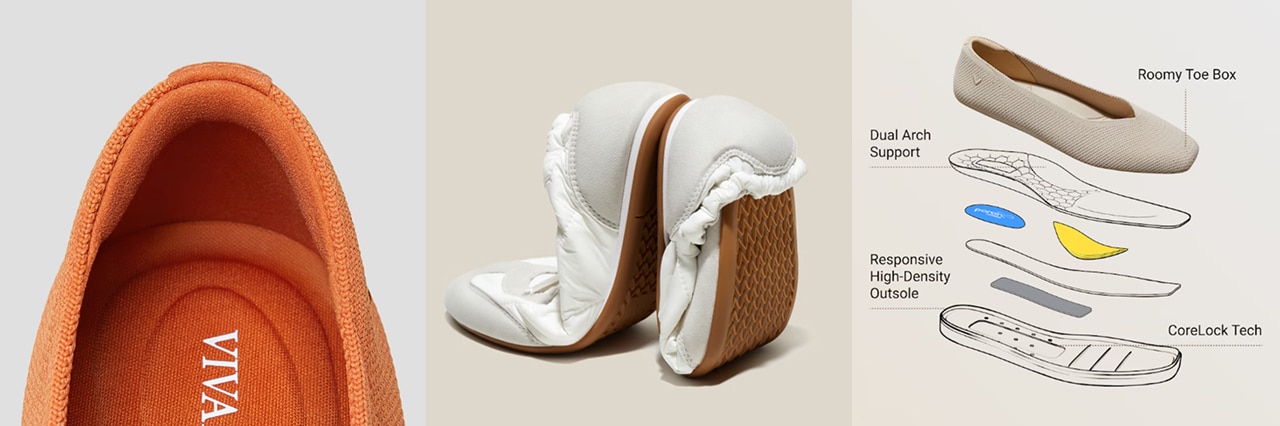
If you have a high arch (cavus foot), choose sneakers with highly cushioned midsoles made from EVA or PU foam, excellent shock absorption, and supportive heel cups to relieve pressure on the heel and forefoot. Avoid hard-soled shoes without cushioning or arch support.
(Source: Journal of Foot & Ankle Research, 2021; APMA
Flat Feet / Overpronation (Pes Planus)
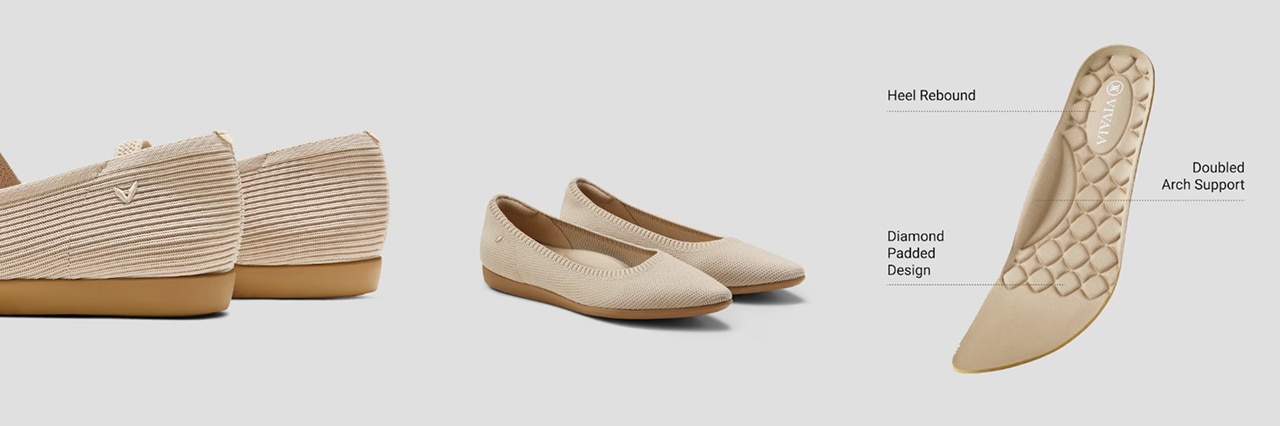
Those with supination or underpronation benefit from soft, shock-absorbing shoes with flexible forefoot structures and good lateral support to distribute impact evenly. Hard, inflexible shoes that fail to cushion impact should be avoided.
(PubMed: High Arches & Supination, 2022; APMA)
Bunions (Hallux Valgus)
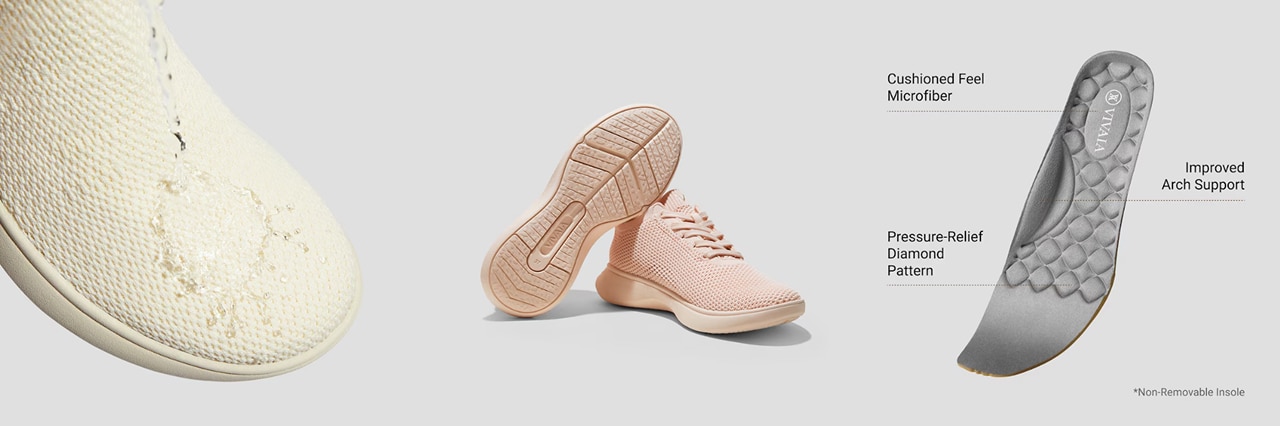
For bunions, select wide-toe shoes made of soft, stretchable materials with low heels (≤3 cm). Adequate forefoot space and adjustable closures help minimize friction. Pointed or narrow shoes that squeeze the toes should be avoided.
(PMC: Bunion Conservative Footwear, 2019)
Toe Shapes and Shoe Fit
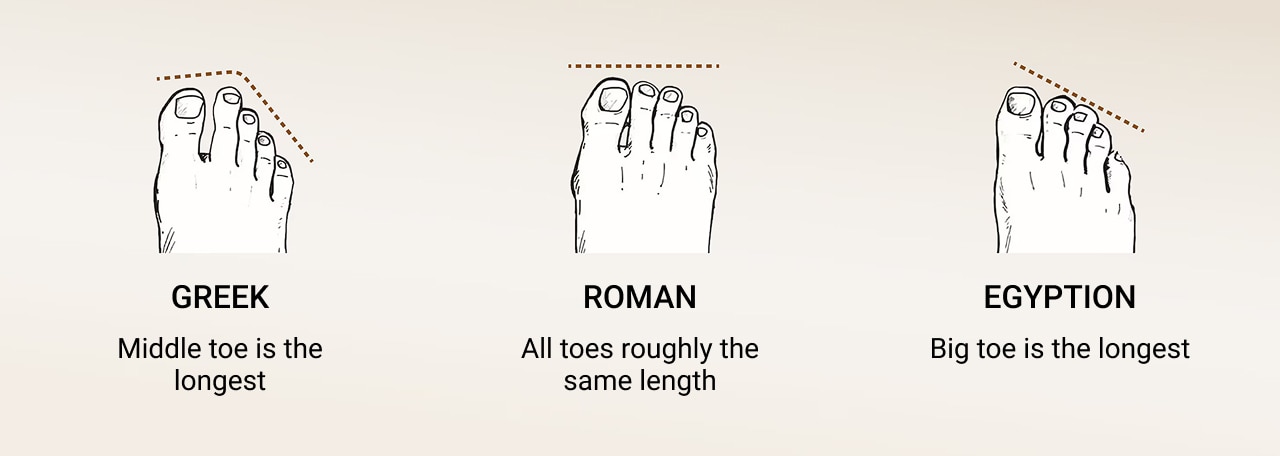
Those with an Egyptian toe shape—where the big toe is longest—should choose cushioned shoes with slightly rounded or tapered toe boxes and flexible midsoles. Avoid narrow or rigid designs that compress the big toe.
(APMA; Cleveland Clinic Foot Health Guide)
If you have a Roman toe (first three toes similar in length), select shoes with a wider toe box to accommodate the forefoot, ideally with cushioning for comfort. Avoid narrow or pointed shoes that squeeze the front of the foot.
(APMA Footwear Guidelines; Cleveland Clinic)
For a Greek toe (Morton’s toe), where the second toe is longest, pick shoes with a roomy or slightly elongated toe box, cushioned midsoles, and breathable uppers to reduce pressure on the second toe. Tight or narrow footwear that compresses this area should be avoided.
(APMA; Foot & Ankle Research Journal, 2021)
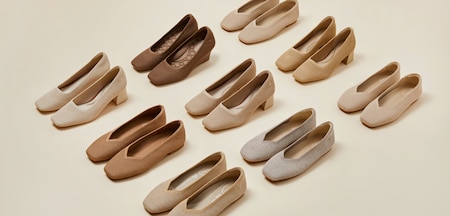
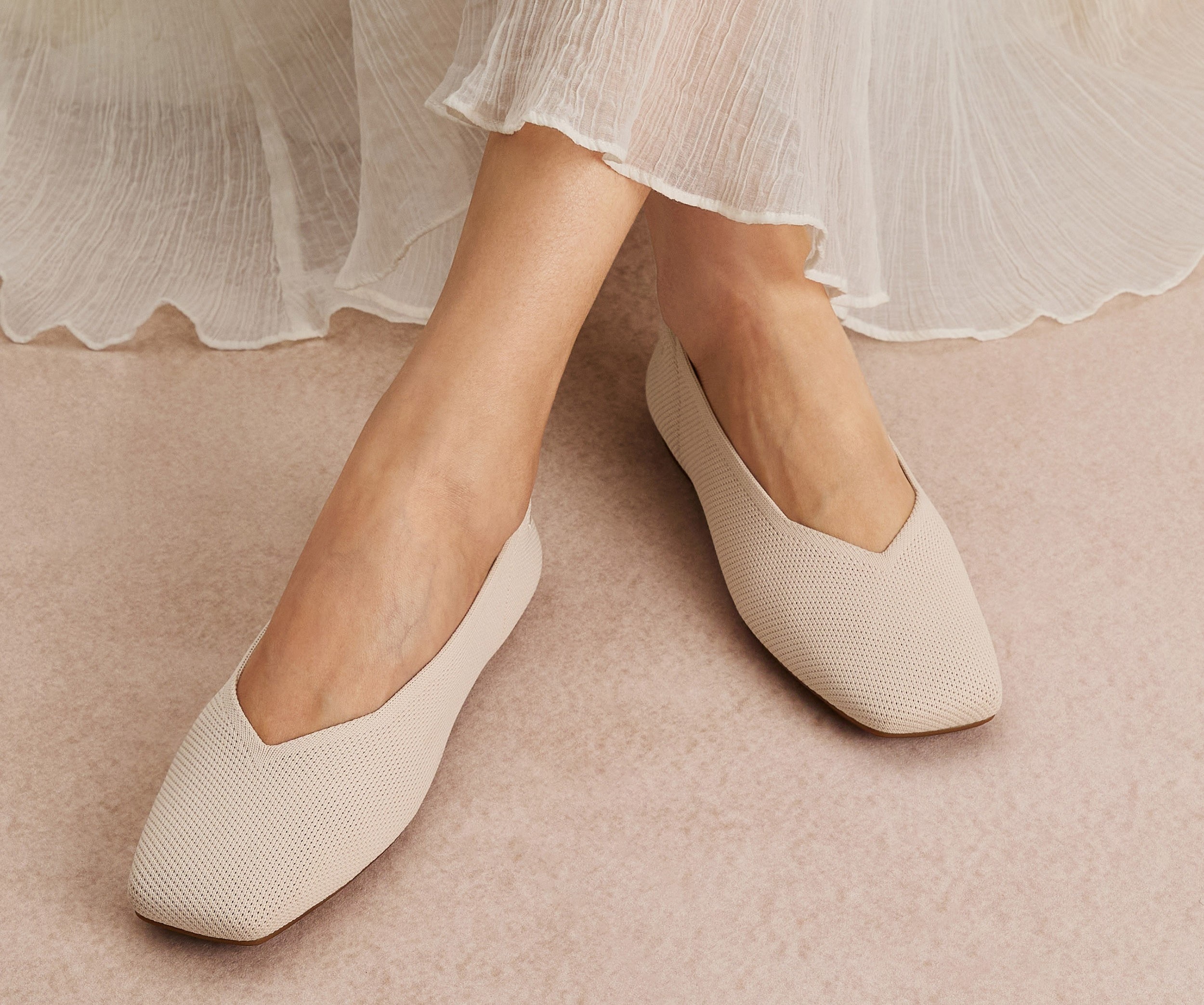
Lastly, those with a square toe shape should look for shoes with a wide, boxy toe area and flexible uppers to accommodate a broader forefoot. Narrow, tapered designs that crowd the toes can cause discomfort and should be avoided.
(APMA; Cleveland Clinic)
© VIVAIA All Rights ReservedTerms of Service - Privacy Policy -