






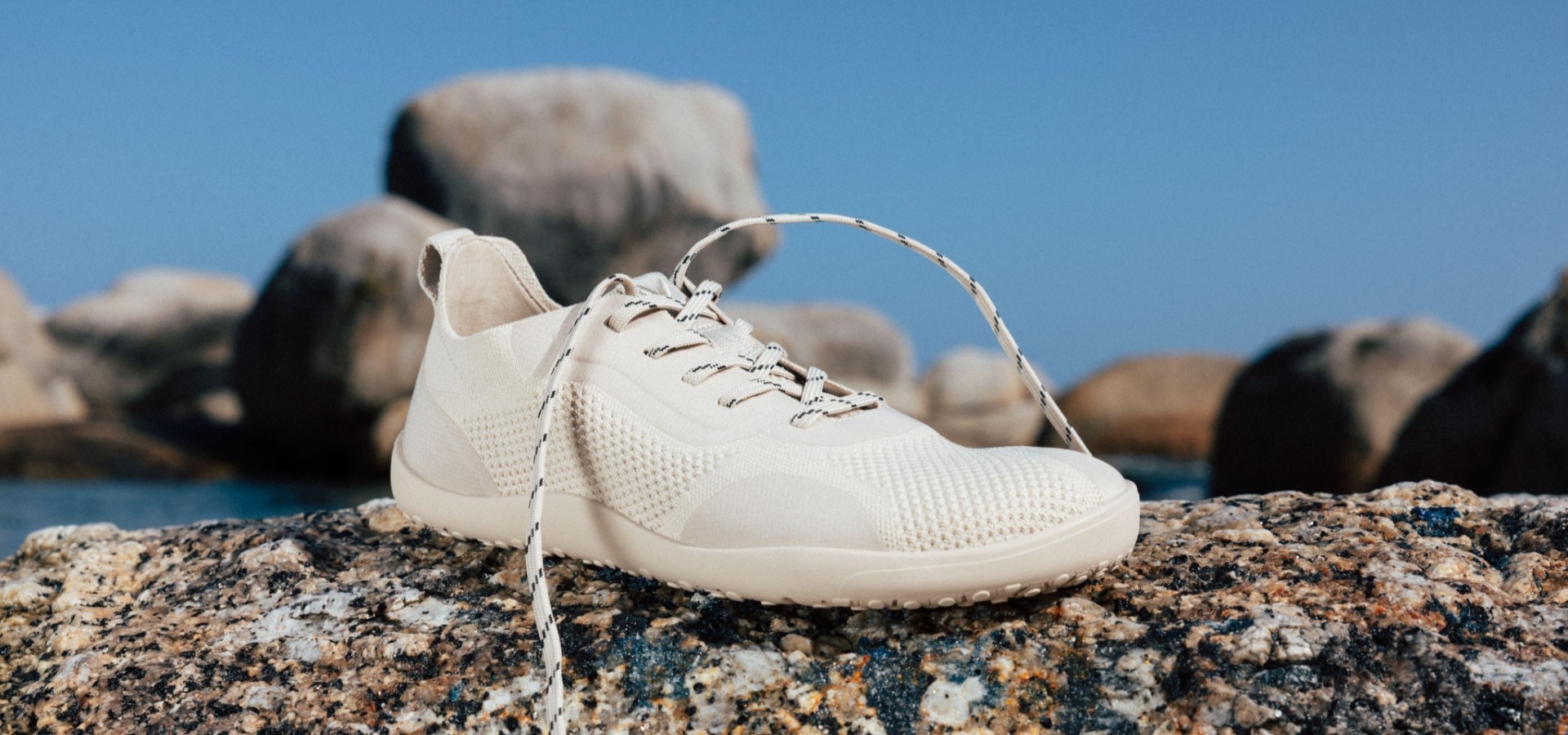
What are Barefoot Shoes?
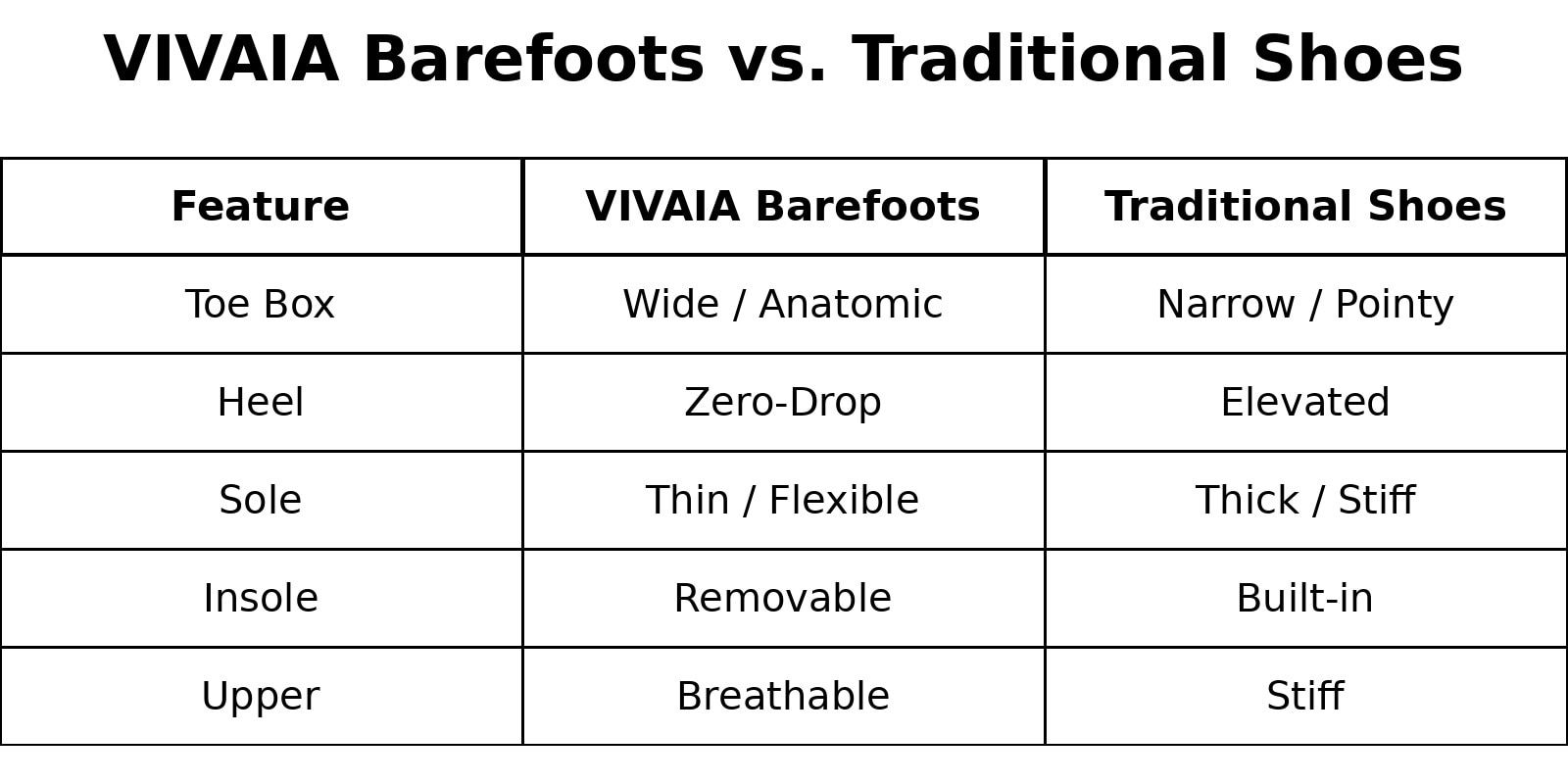
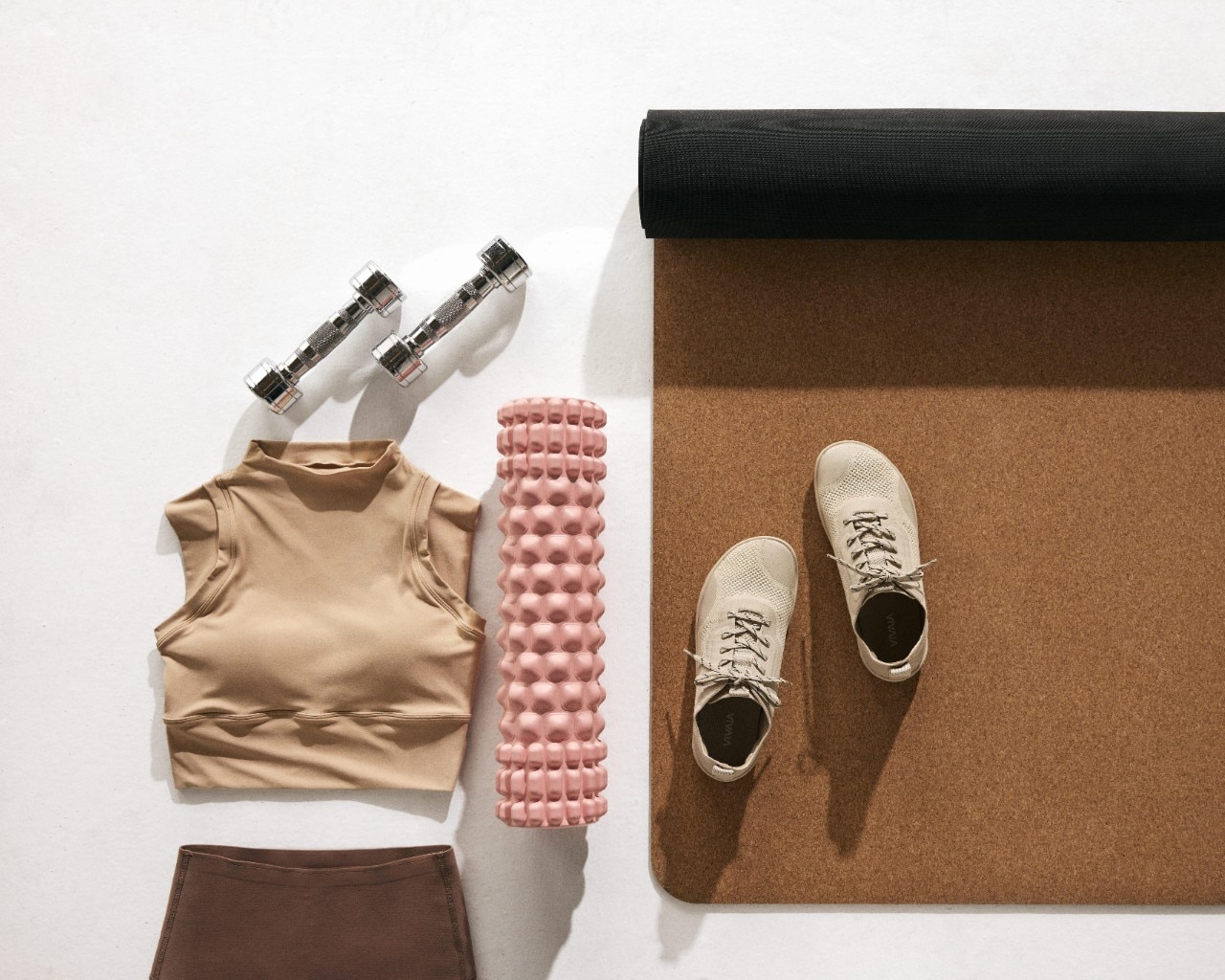
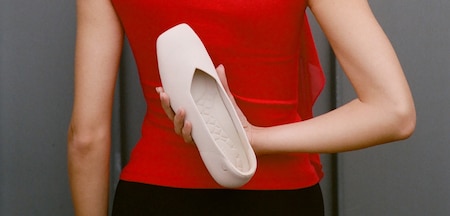
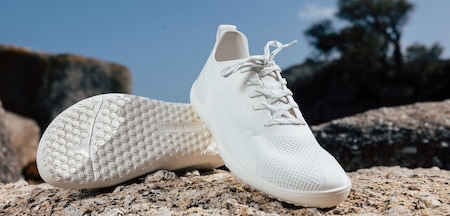
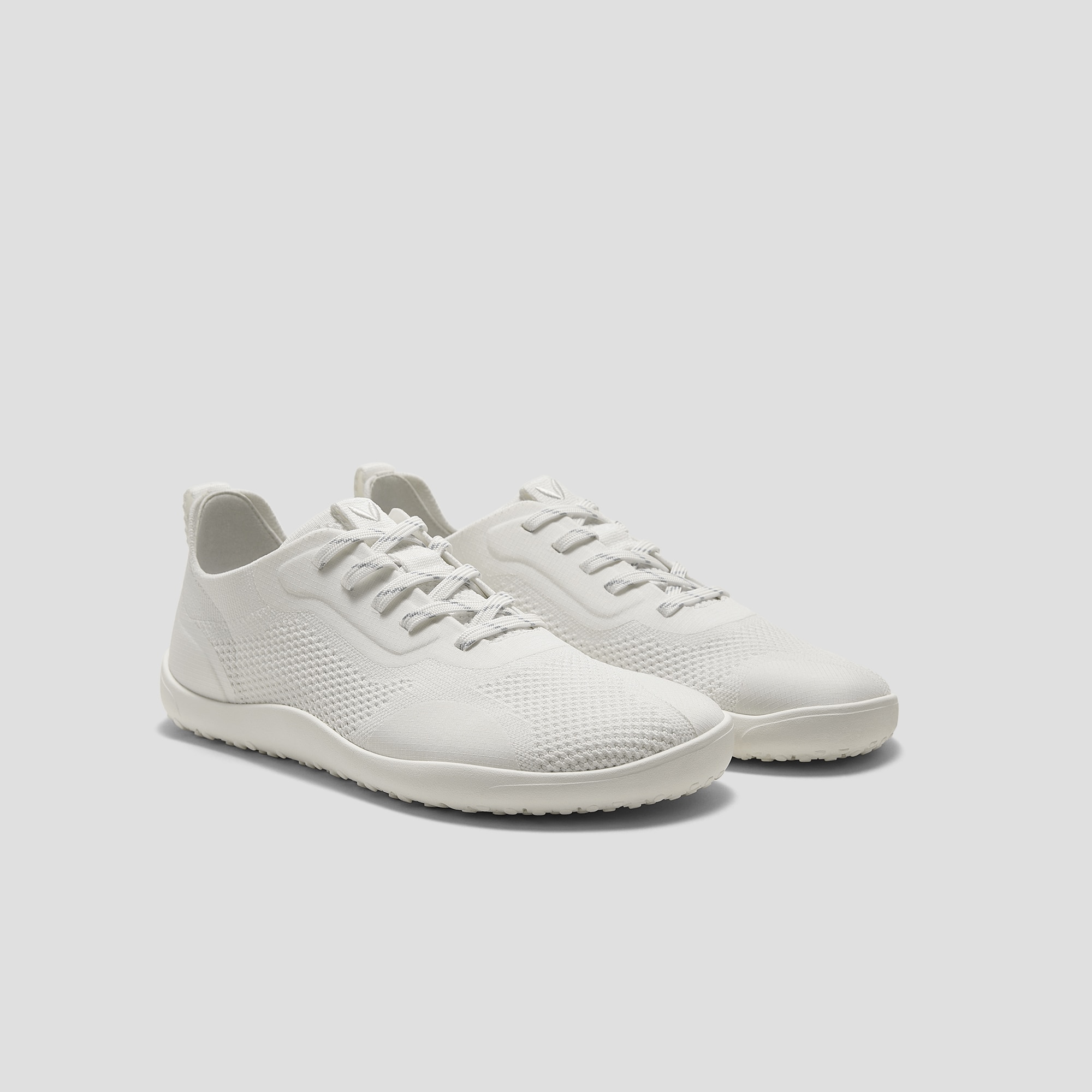
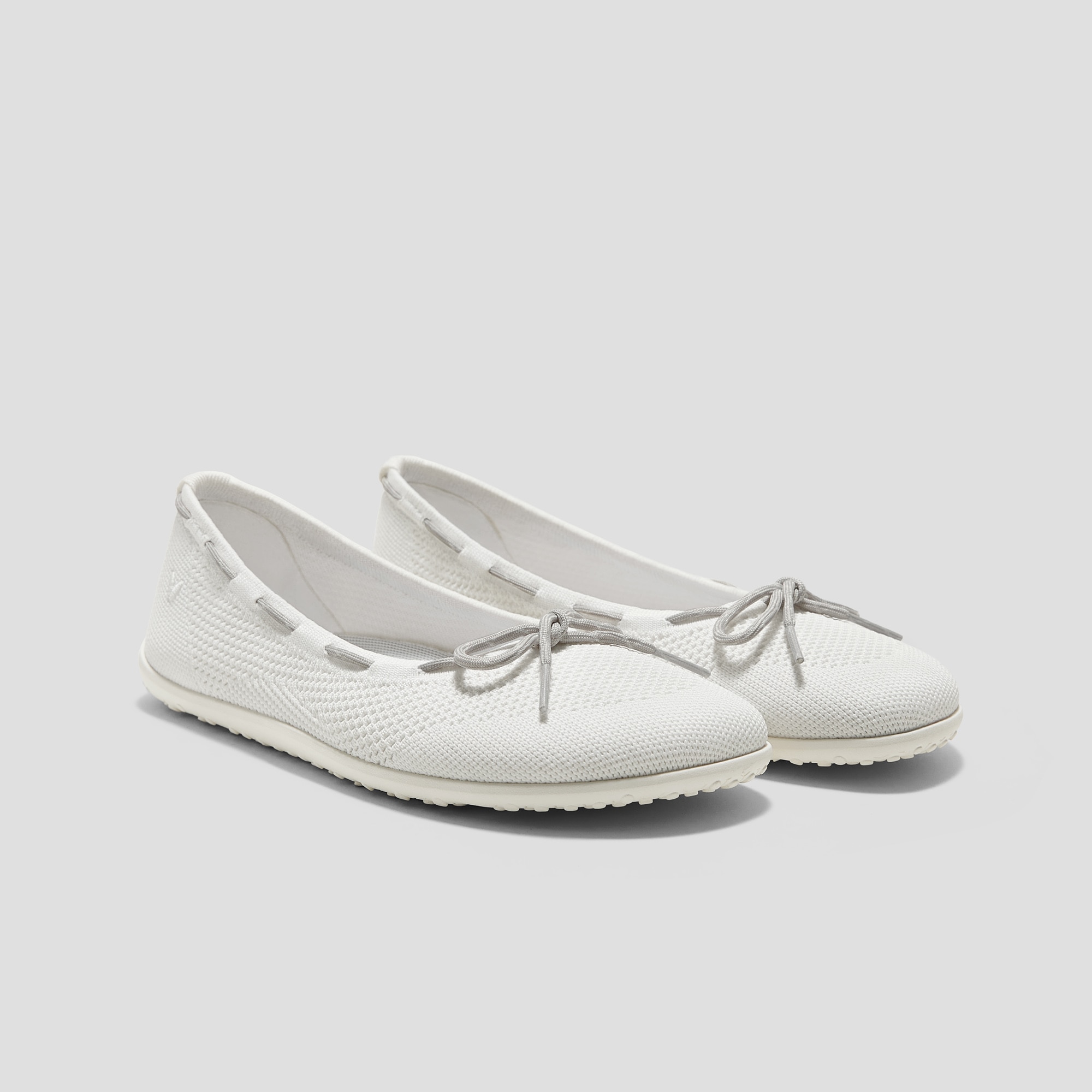
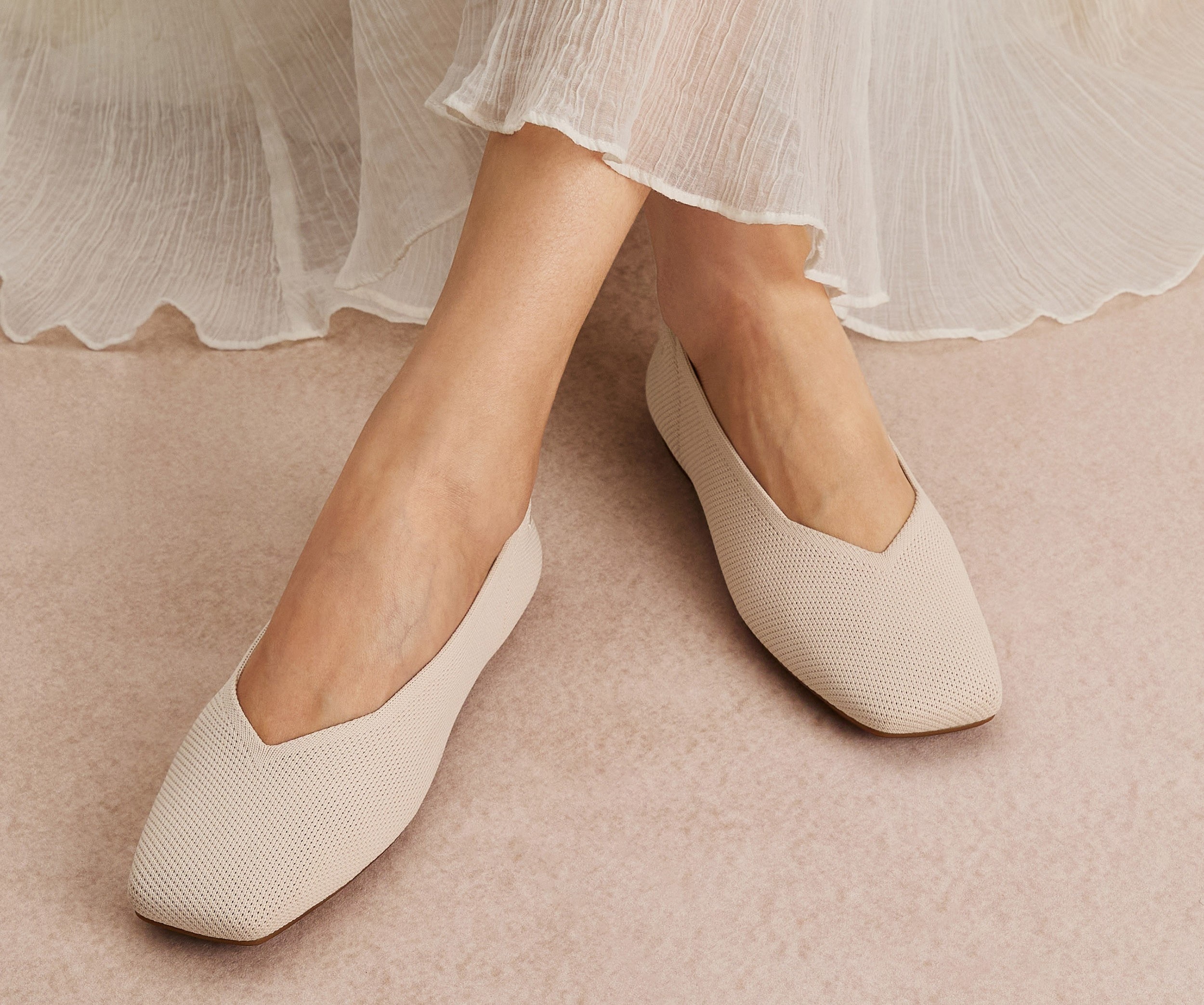
Barefoot shoes (also called minimalist shoes) are designed to mimic the natural feeling of walking barefoot, typically featuring a wide toe box, Zero heel-to-toe drop, and flexible outsole that allow the foot to move more naturally.
Are Barefoot Shoes Good for Your Feet?
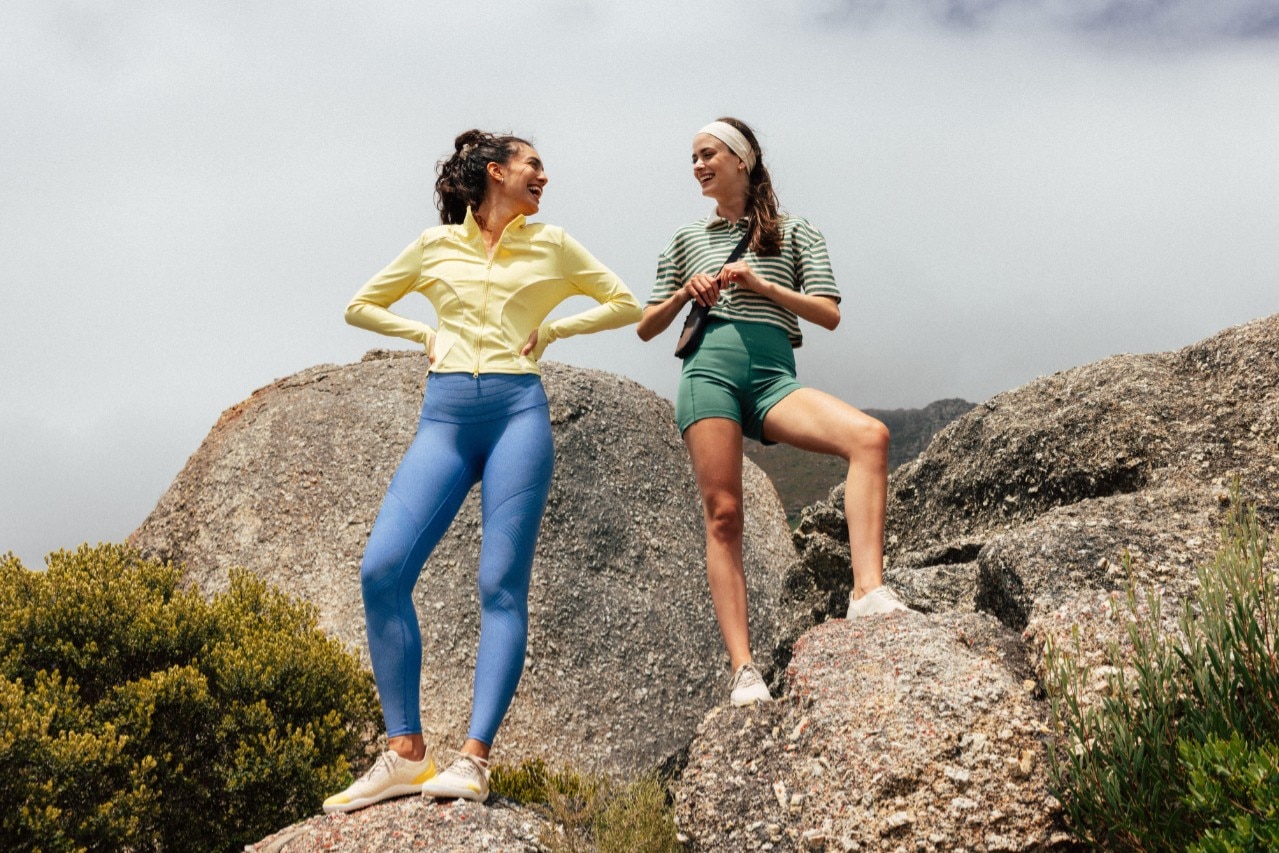
Barefoot shoes promote natural foot movement, toe splay, and activation of the intrinsic foot muscles. Research in Gait & Posture and the Journal of Foot and Ankle Research suggests that, when introduced gradually, they may improve foot strength and proprioception.
Are Barefoot Shoes Right for You?
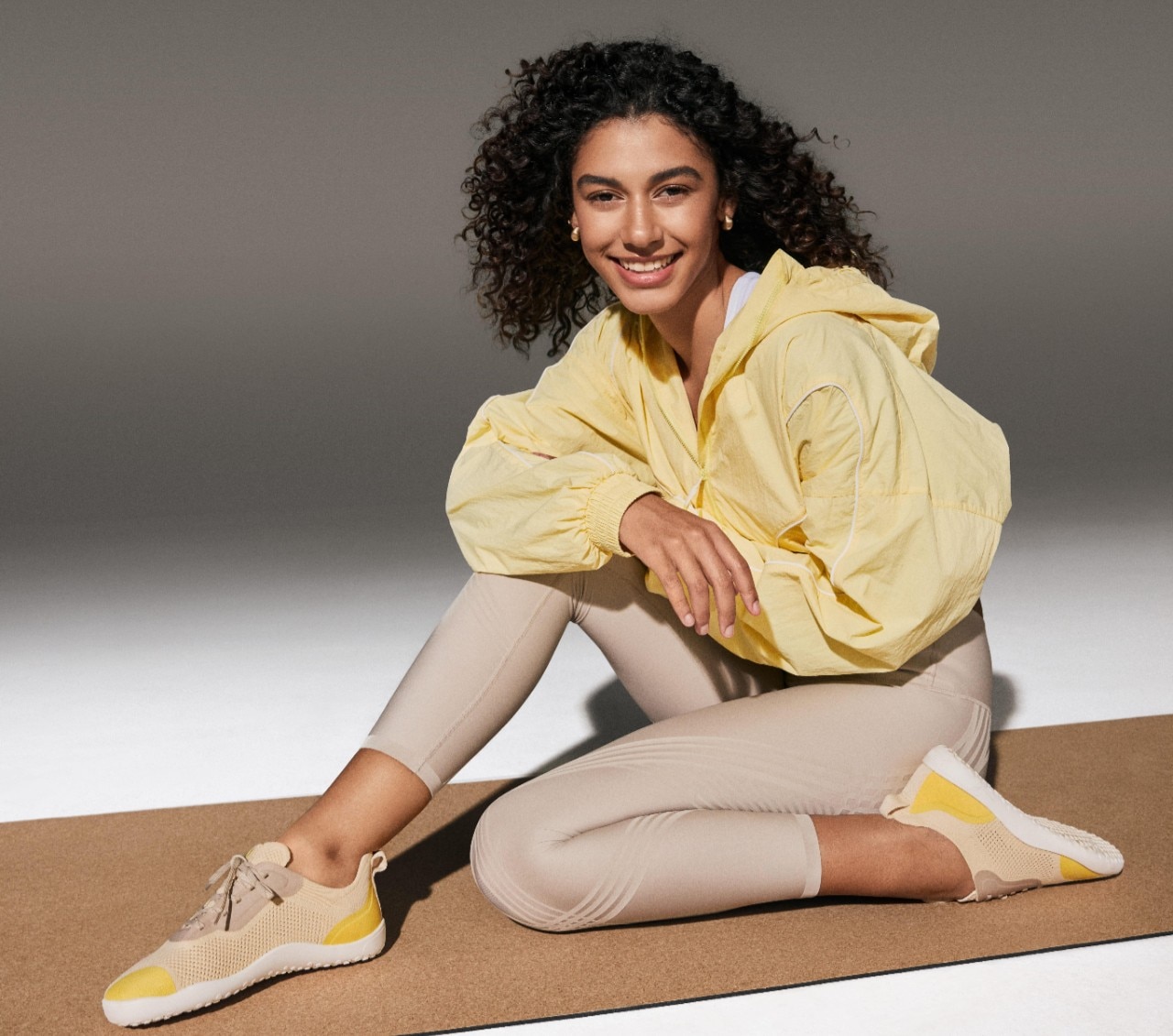
Barefoot shoes aren’t a one-size-fits-all solution. They work best for certain foot types, lifestyles, and needs.
1. People with bunions or wide feet
2. Those concerned with posture or lower-limb stress
3. People who want stronger feet
4. Individuals seeking better balance
Ready to feel the ground? Check out our beginner-friendly Barefoots collection.
How Long Does it Take to Transition?
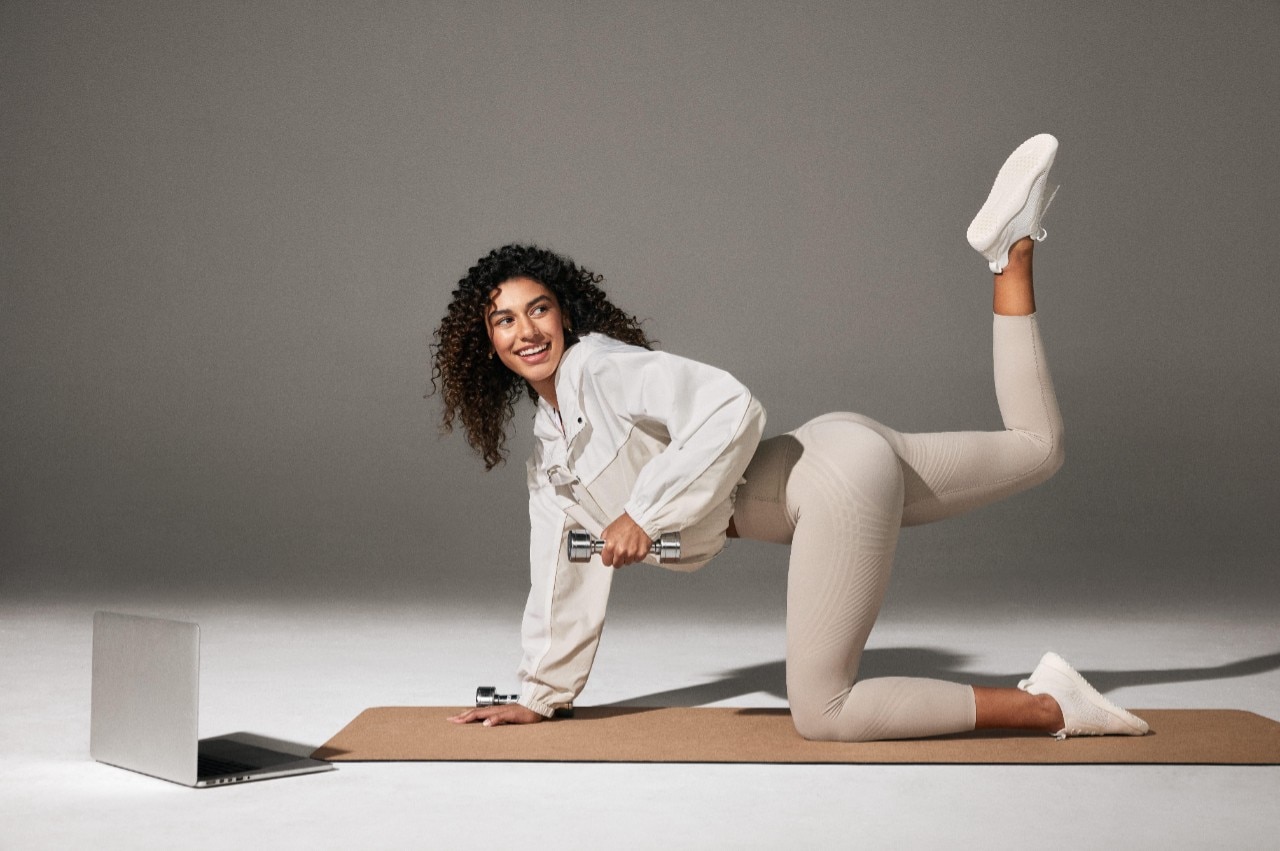
Most people need 4 to 8 weeks to fully adjust.
Start slowly and pay attention to your calves: You might feel some tightness in your lower legs—this is normal as your muscles adapt to increased activity.
Week 1: The "House Phase." Wear them for 30–60 minutes around the house.
Week 2: The "Short Walk." Take a 15-minute walk around the block or to a nearby coffee shop. Try to walk more softly.
After 2 Weeks: Gradually increase wear time and walking distance, paying close attention to foot comfort and any soreness. Over time, you may notice stronger foot muscles and improved foot awareness.
Barefoot Shoes FAQs
1. Are barefoot shoes actually good for your feet?
They can support natural movement and foot muscle activation when worn gradually. They’re not suitable for everyone.
2. How long does it take to transition to barefoot shoes?
Typically 4–8 weeks, depending on wear time and activity level.
3. Can I wear barefoot shoes if I have flat feet or high arches?
Yes, but start slowly. Some people may need added support, such as a removable insole.
4. Do barefoot shoes help with Bunions and Plantar Fasciitis?
A wide toe box can reduce pressure on bunions. For plantar fasciitis, extra support may be needed.
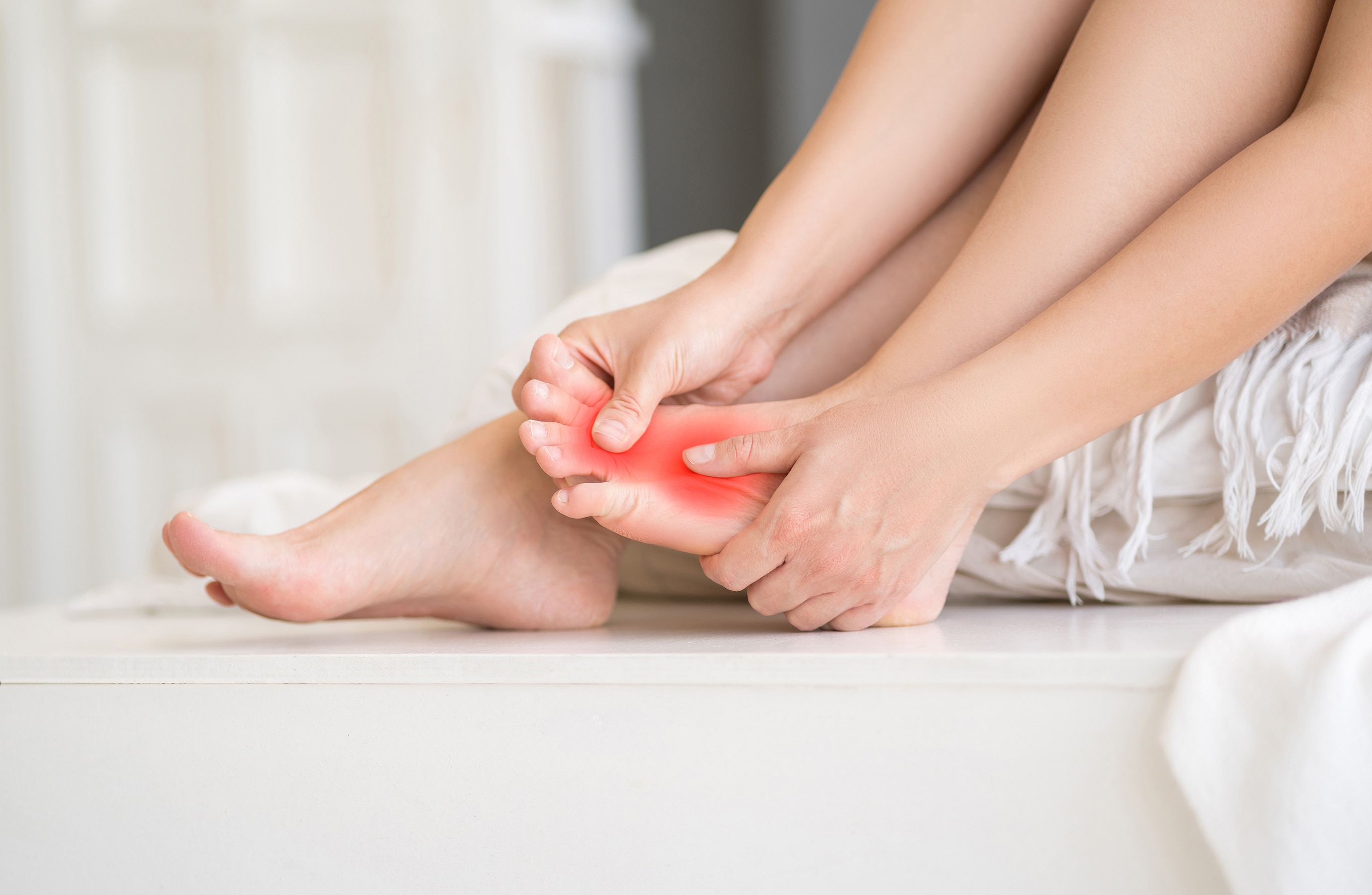
5. Why do my feet/calves hurt after wearing barefoot shoes?
Barefoot shoes activate muscles that may be underused. Mild soreness is common during transition.
6. Can I wear socks with barefoot shoes?
Yes. Thin, flexible socks work best.
© VIVAIA All Rights ReservedTerms of Service - Privacy Policy -