











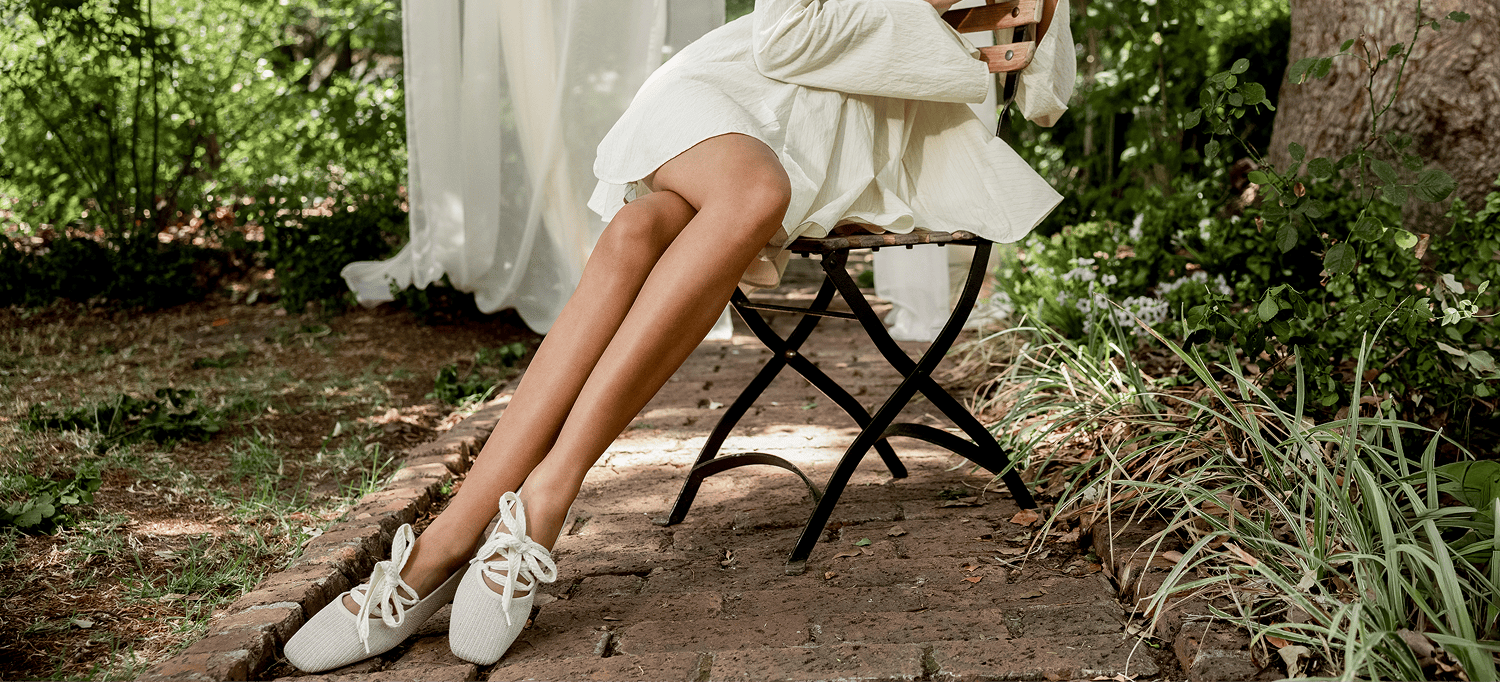
Quick Reference: White Shoes at a Wedding
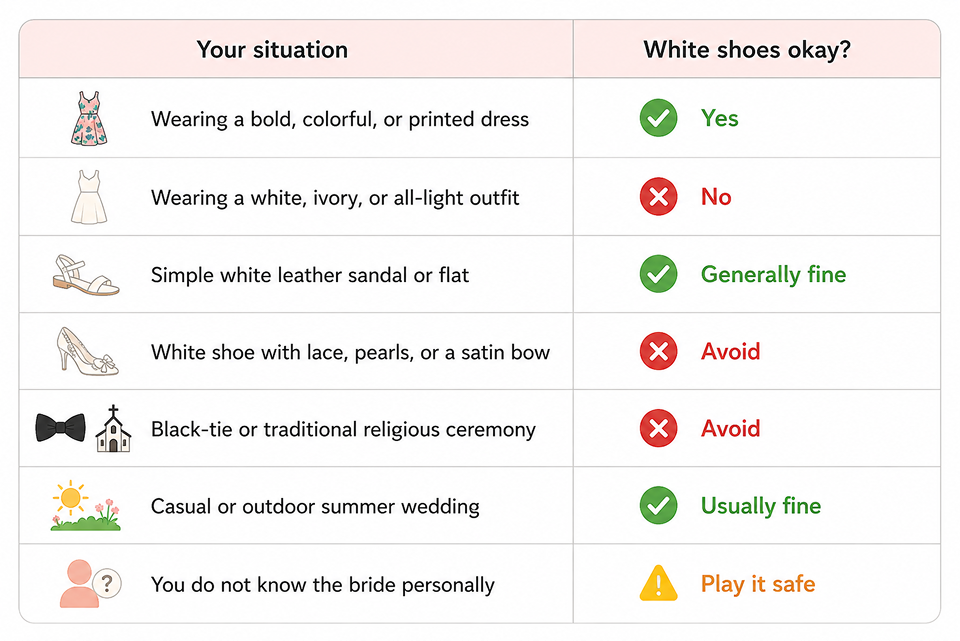
Yes, You Can Wear White Shoes to Most Weddings
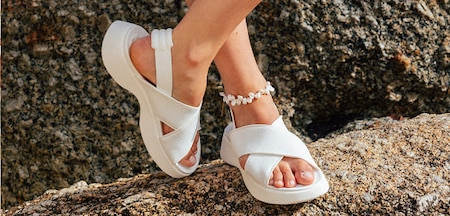
White shoes are acceptable for wedding guests as long as your overall outfit does not read as bridal. That is the standard, and it is a much lower bar than most people assume.
Three rules that cover most situations:
● White shoes with a colorful or bold-print dress are almost always fine. A shoe carries far less visual weight than a full garment. White block heels with a navy wrap dress or a floral midi does not raise any flags.
● White shoes with a white, ivory, or pale blush outfit need a second look. A head-to-toe light palette is where the etiquette concern actually lives. The shoe is not the problem; the combined effect is.
● The shoe design matters as much as the color. A clean white leather sandal or a pointed-toe flat is a fashion choice. White lace heels with pearl trim or a satin ribbon bow are bridal shoes. The more a shoe resembles something a bride would wear, the more carefully you should think about the context.
A fast gut-check: if someone took a full-body photo of your outfit at the ceremony, would anyone look twice and wonder if you were the bride? If no, the white shoes are fine.
When to Skip White Shoes at a Wedding
Some scenarios raise the stakes enough that white shoes are worth swapping out, regardless of how your outfit looks overall.
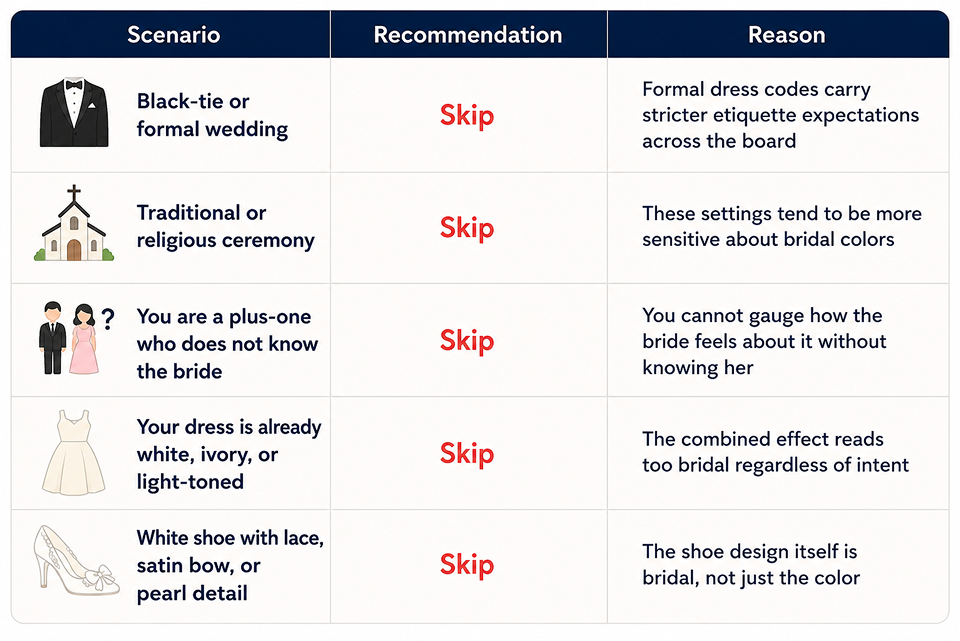
The key distinction is not whether the shoe is white. It is whether the shoe looks like bridal footwear. A white leather mule and a white lace kitten heel are both white. They are not the same signal.
Five Wedding Guest Shoe Colors That Always Work
If white feels like too much of a judgment call, these five color directions work across every wedding format and dress code without any second-guessing.
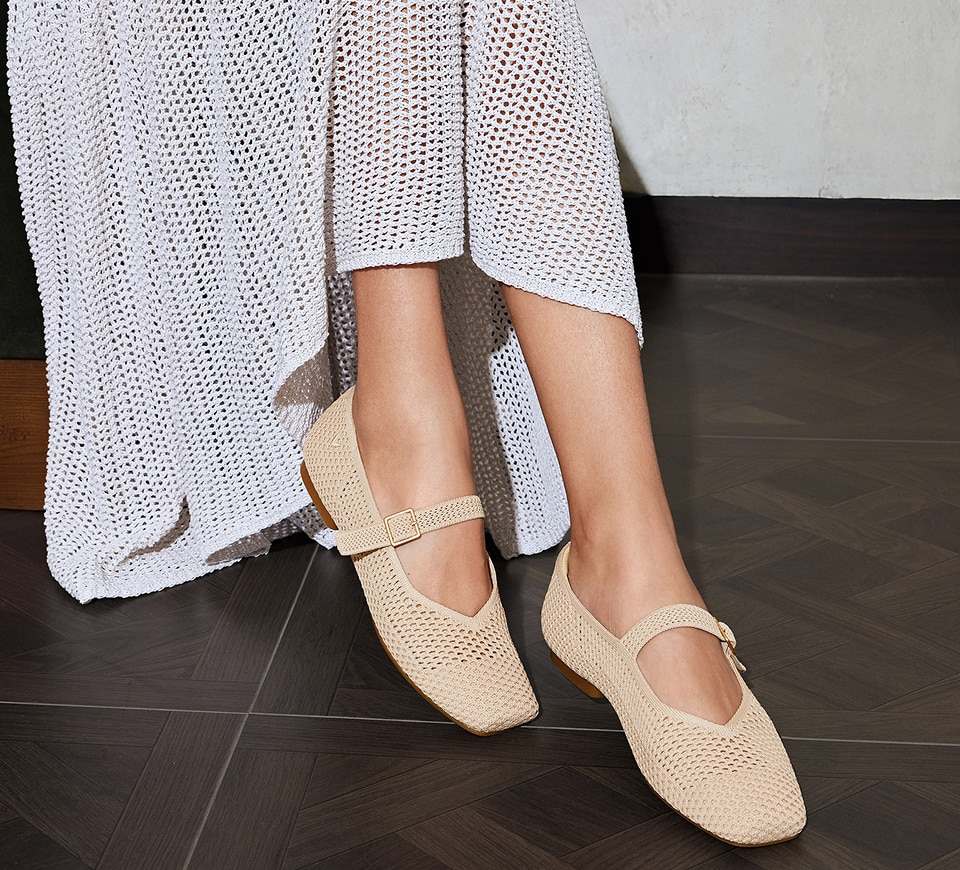
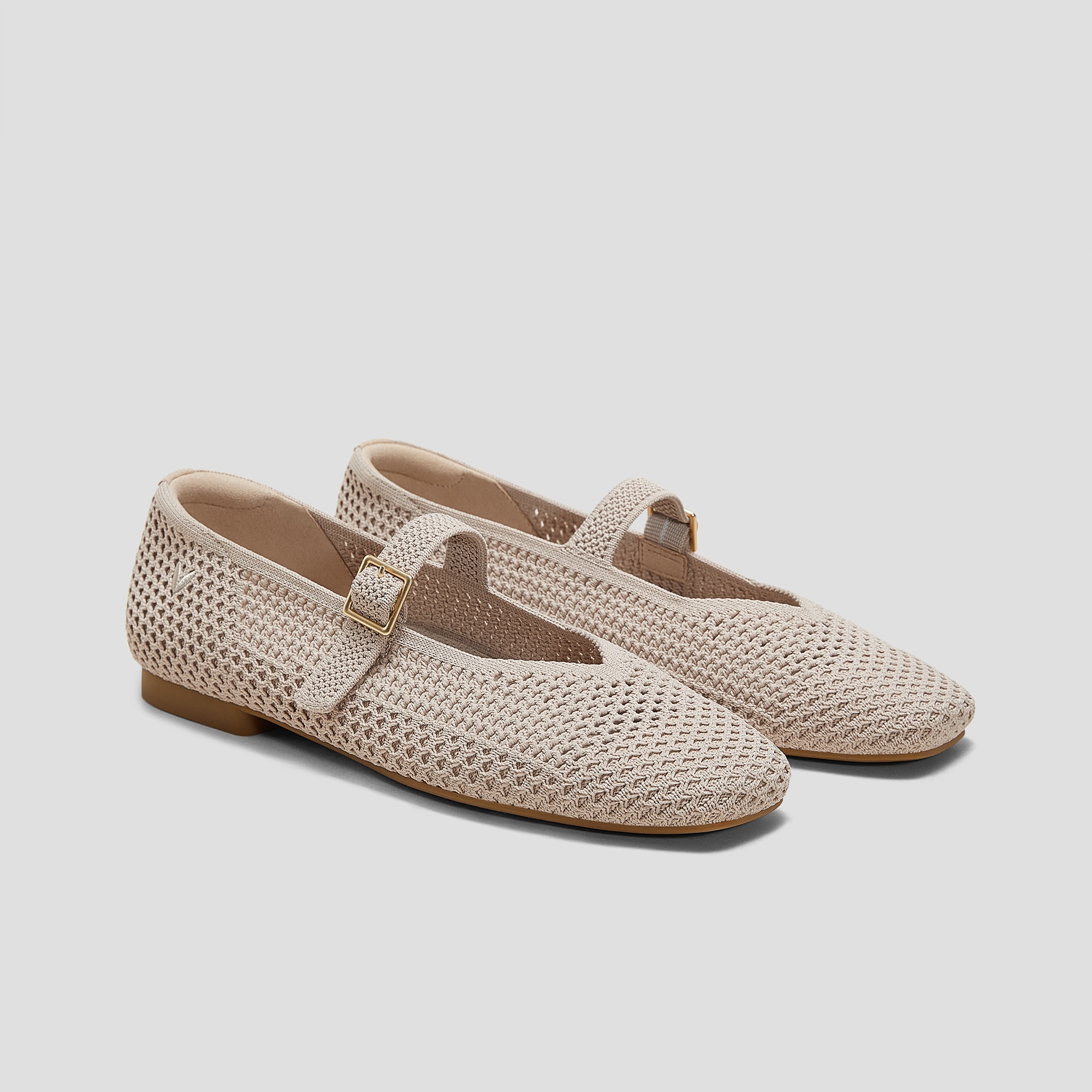
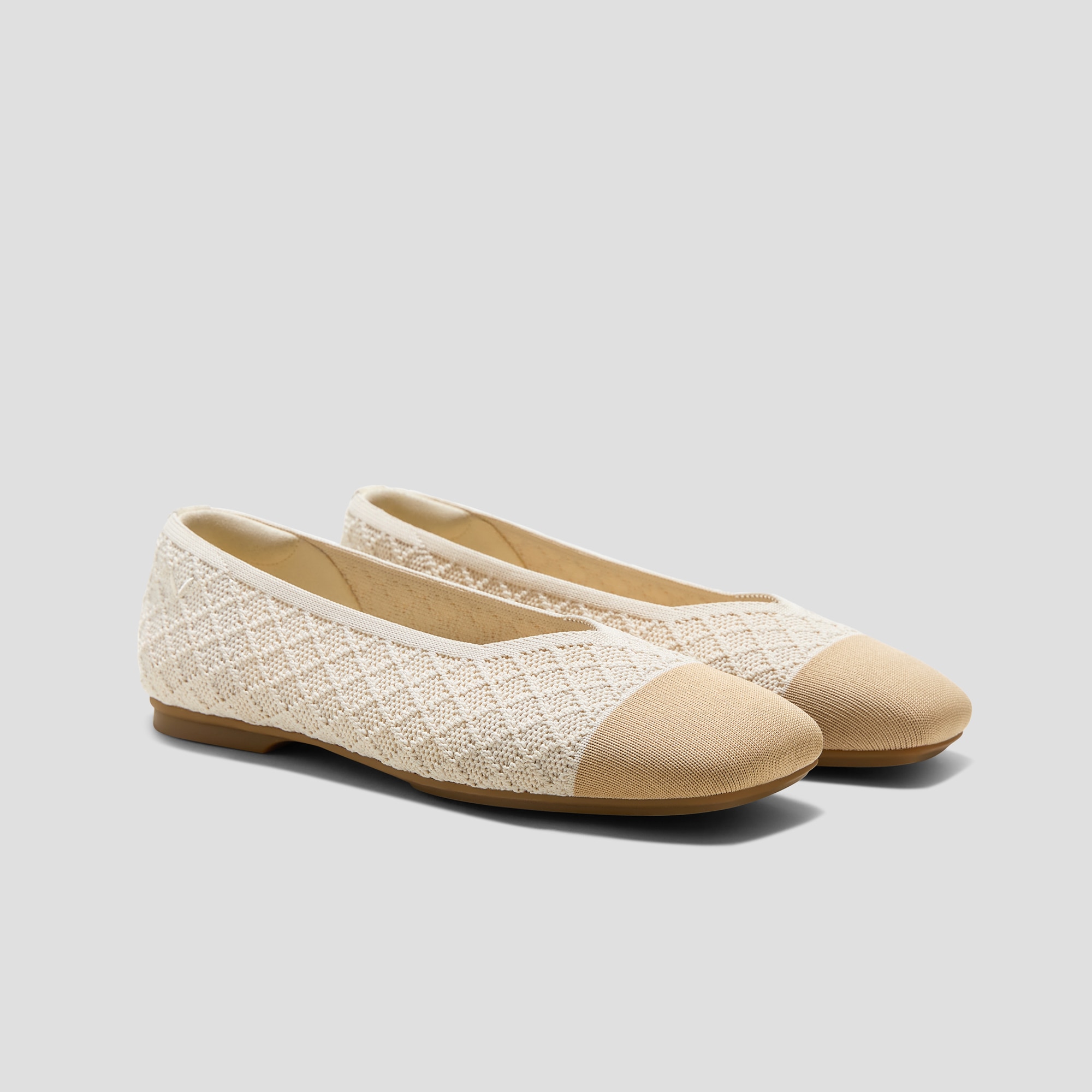
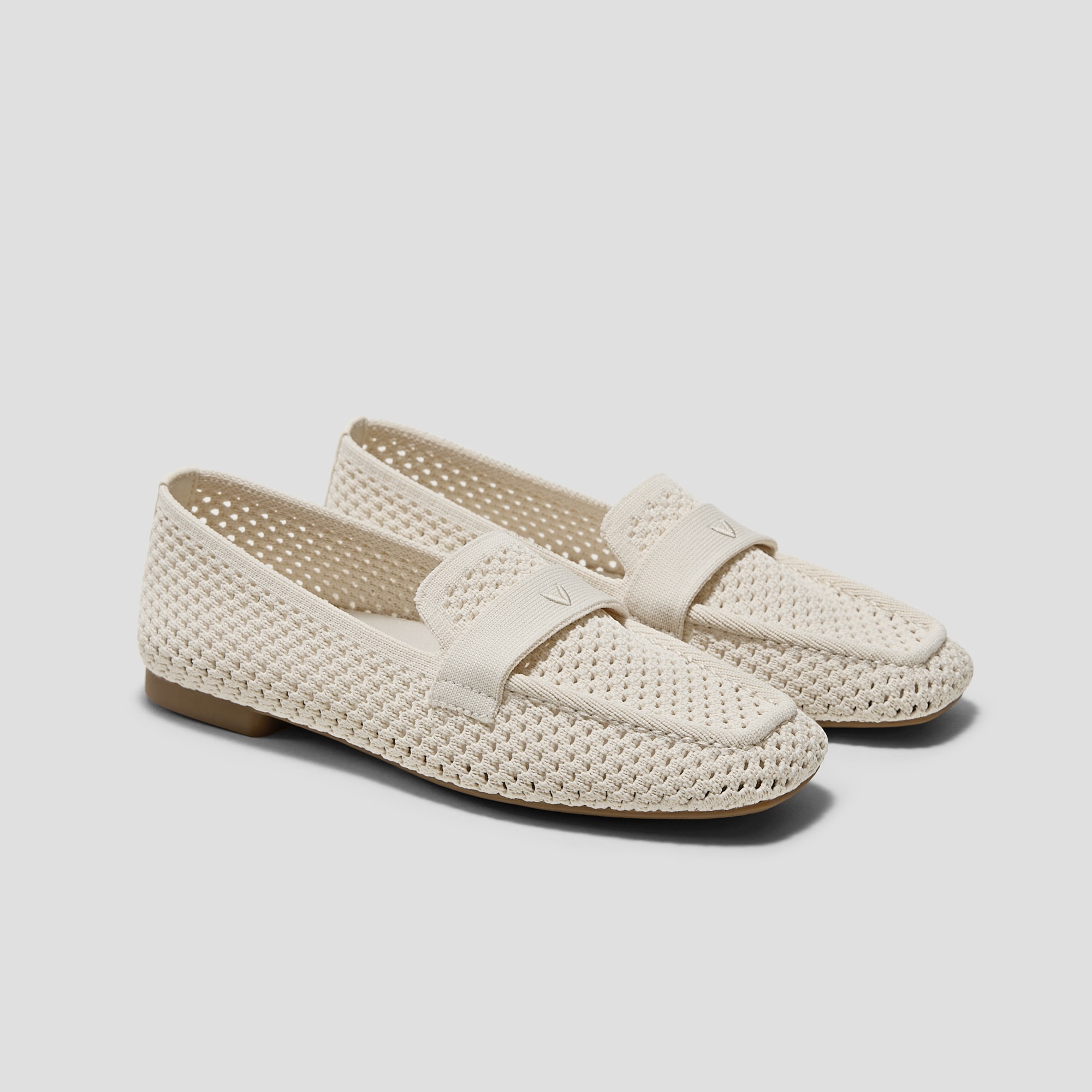
Nude and Champagne
Nude is the most searched non-bridal wedding shoe color in the US, and the reason is straightforward: it pairs with almost any dress color, creates a clean elongated line, and reads as intentional without competing with anyone else's look. Champagne adds a soft shimmer that photographs well under ceremony and reception lighting.

Metallic Gold and Silver
Gold and silver deliver the visual effect of a light-colored shoe without any color-related etiquette concerns. Both work well under warm reception lighting and pair naturally with darker dress tones: navy, black, emerald, burgundy.
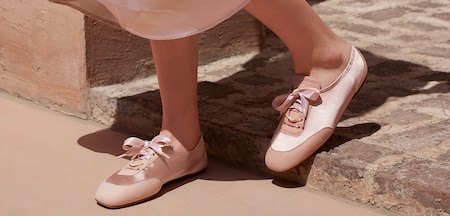
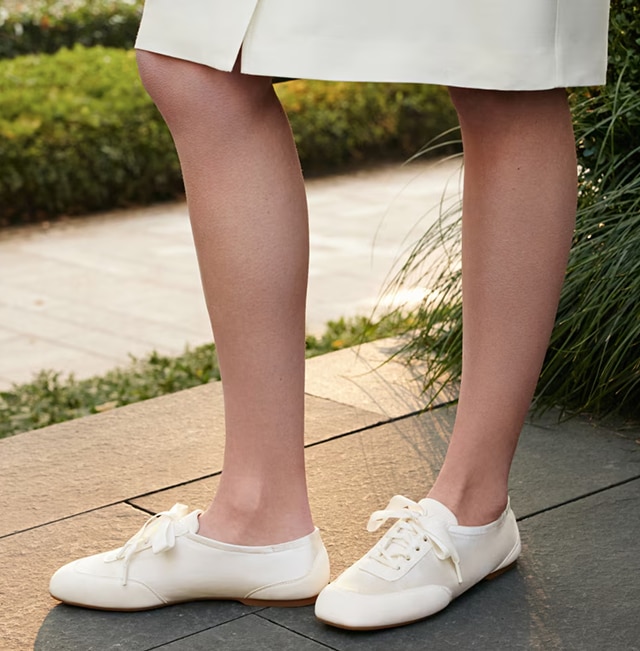
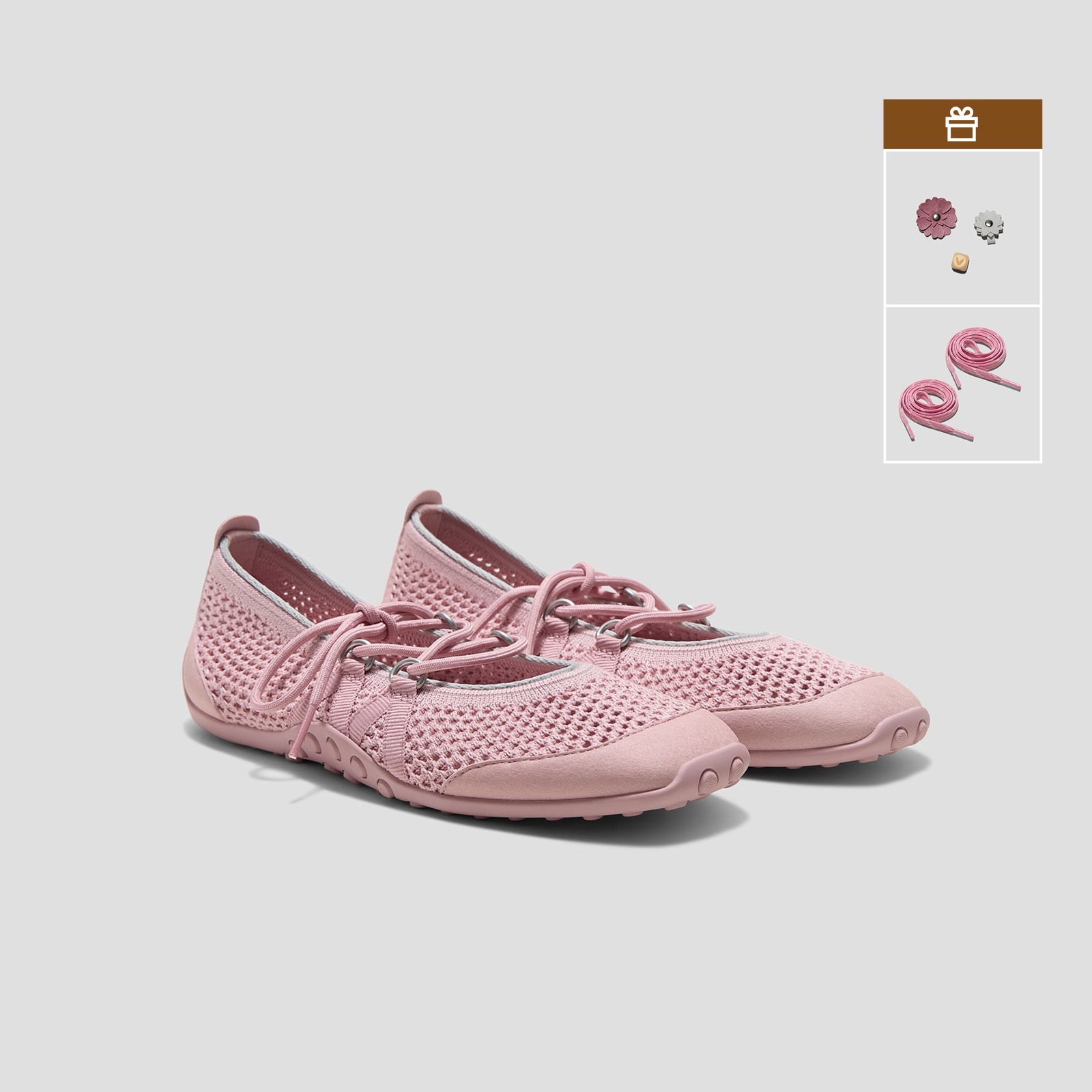
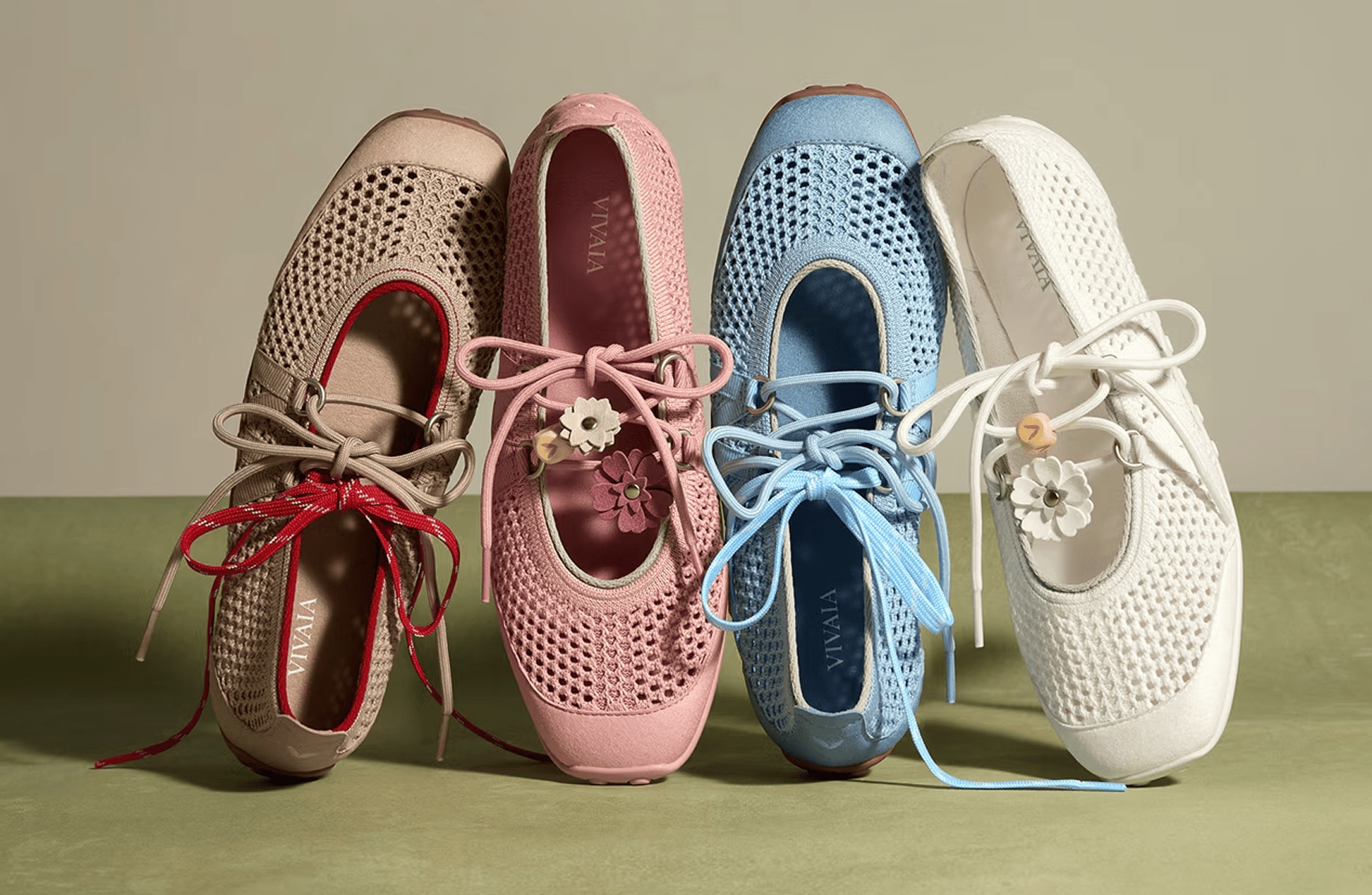
If you want the formal look of a dressy flat without the discomfort of a structured heel, the VIVAIA Cristina Sneakerina in Light Gold has satin-flat aesthetics with a triple-layer cushioned sole. Two interchangeable lace sets let you adjust the formality level of the same shoe.
Blush and Soft Pink
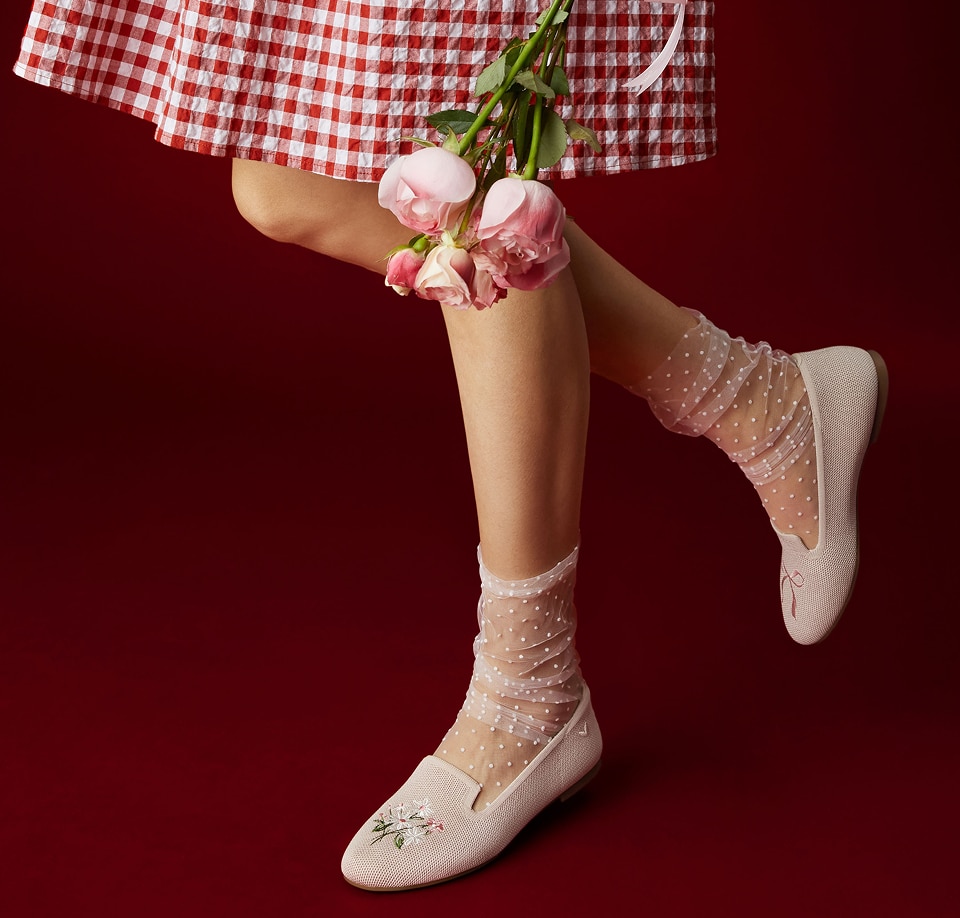
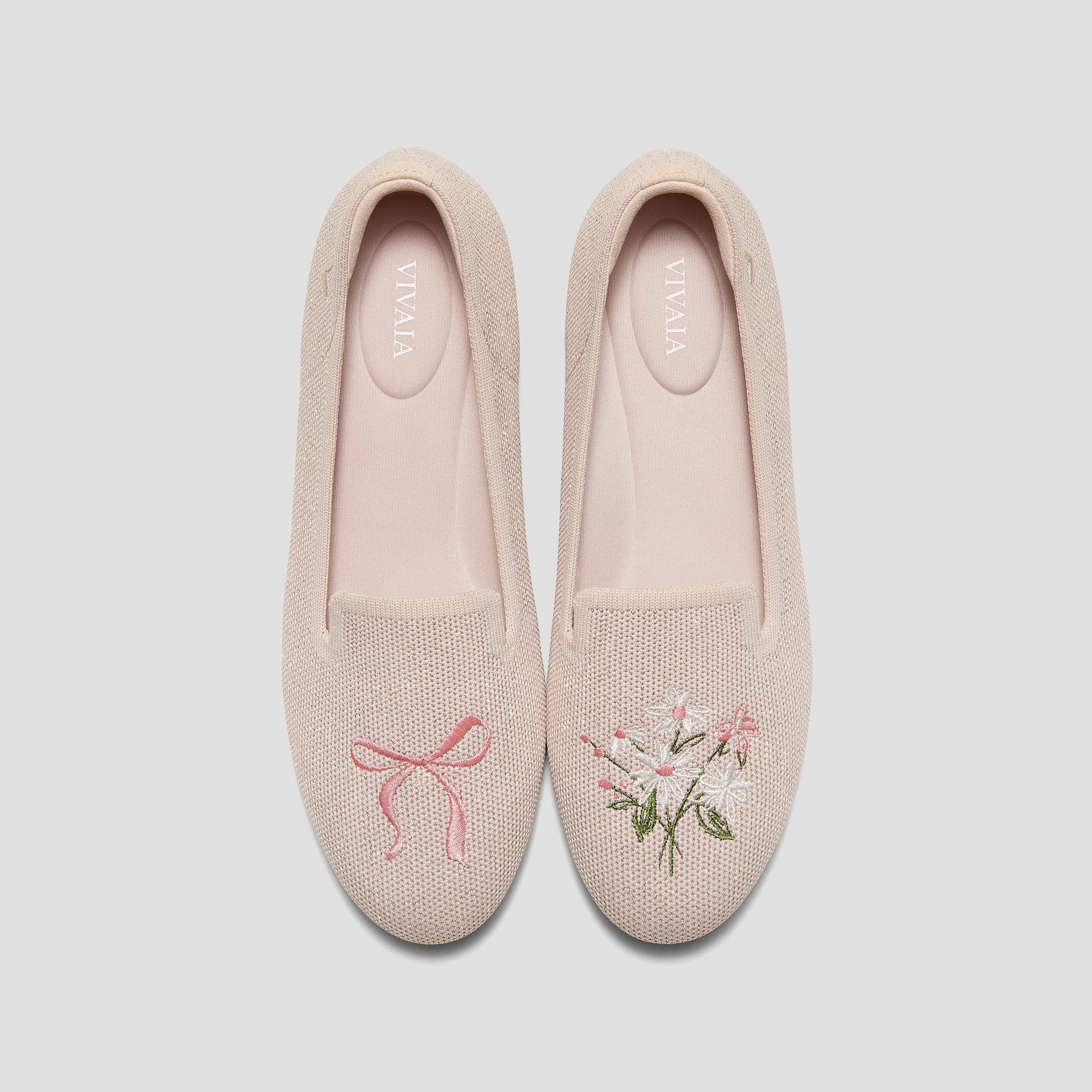
Blush is romantic without being attention-grabbing. It pairs cleanly with sage green, lavender, and ivory-base floral prints. A reliable pick for spring and outdoor weddings where warm, soft tones fit the setting.


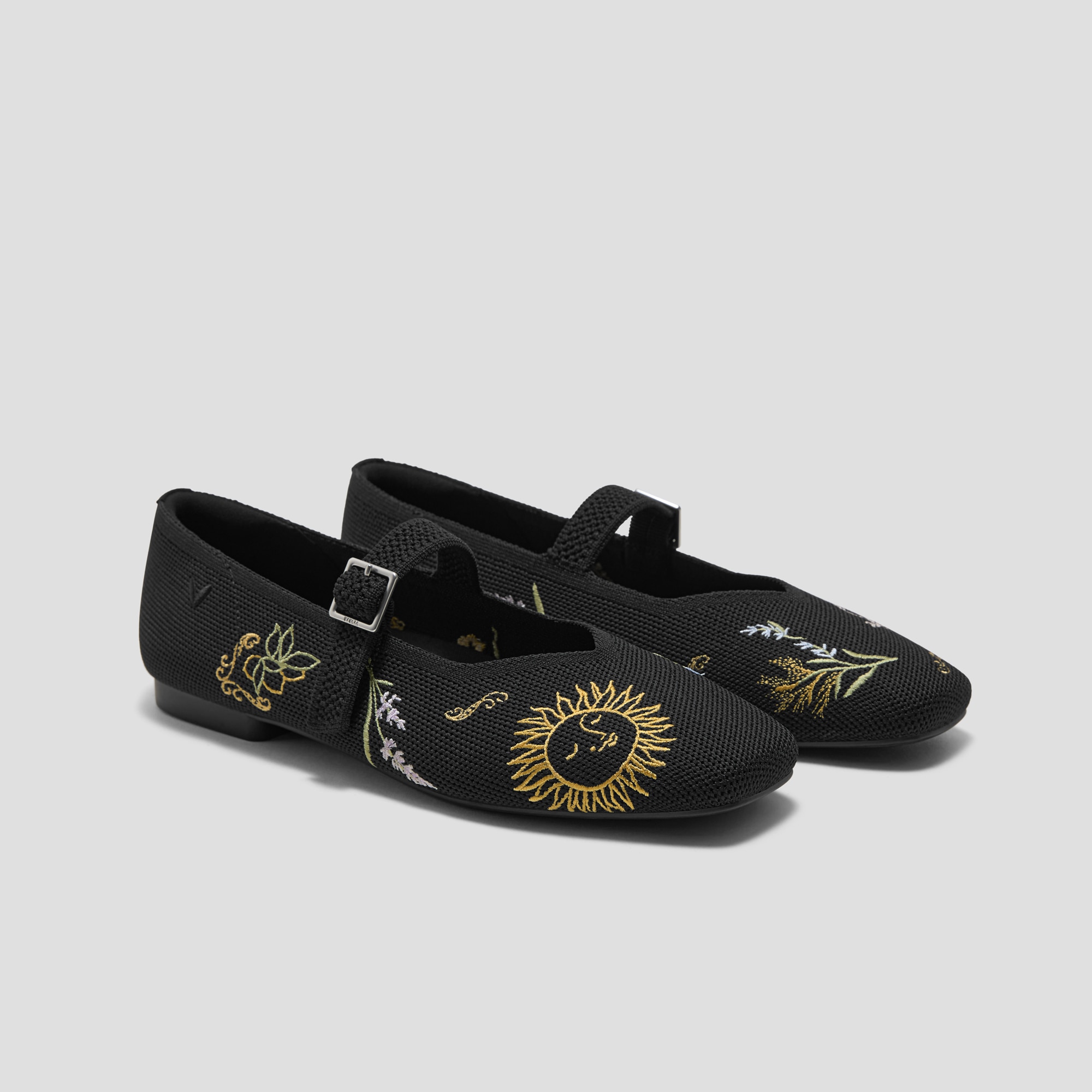
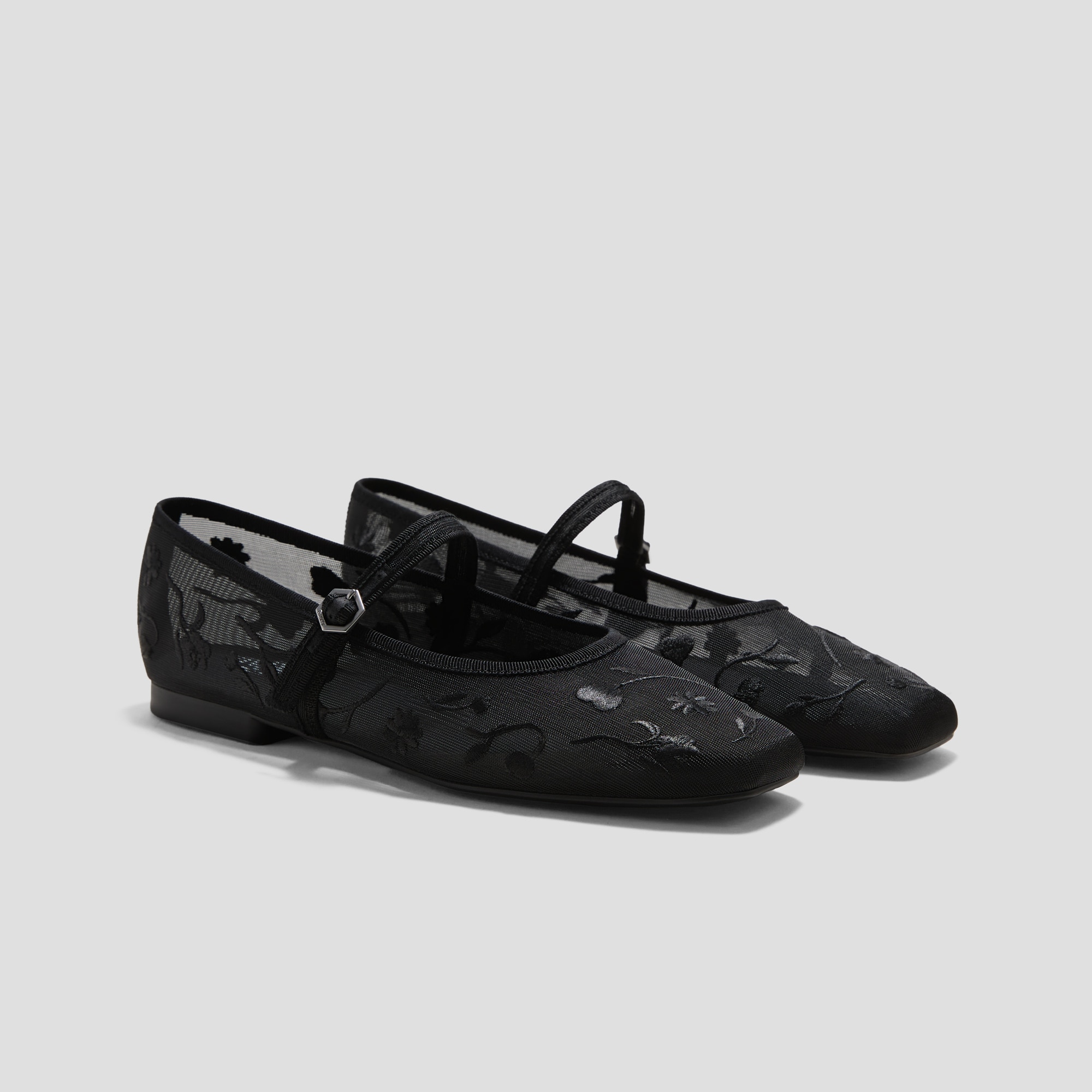
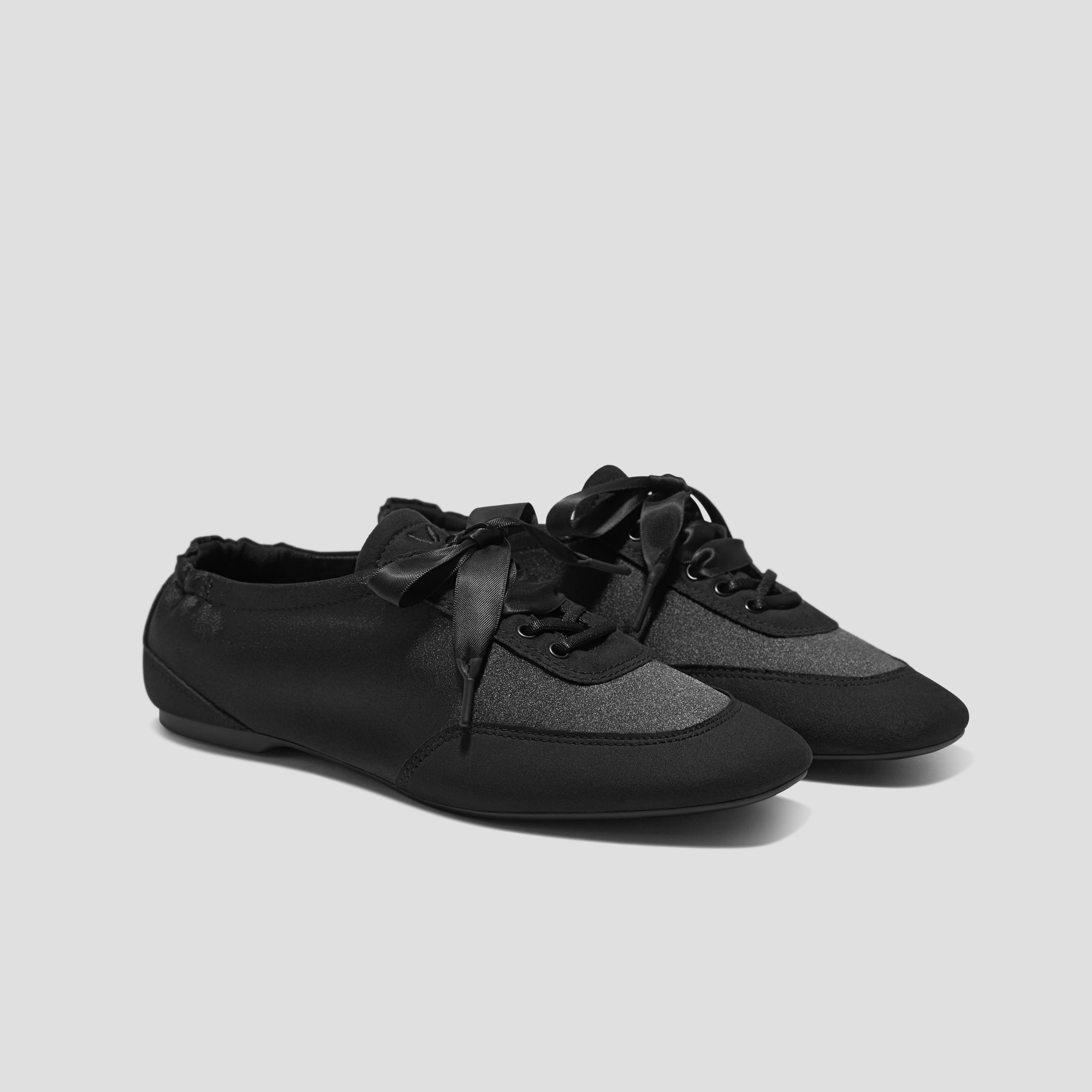
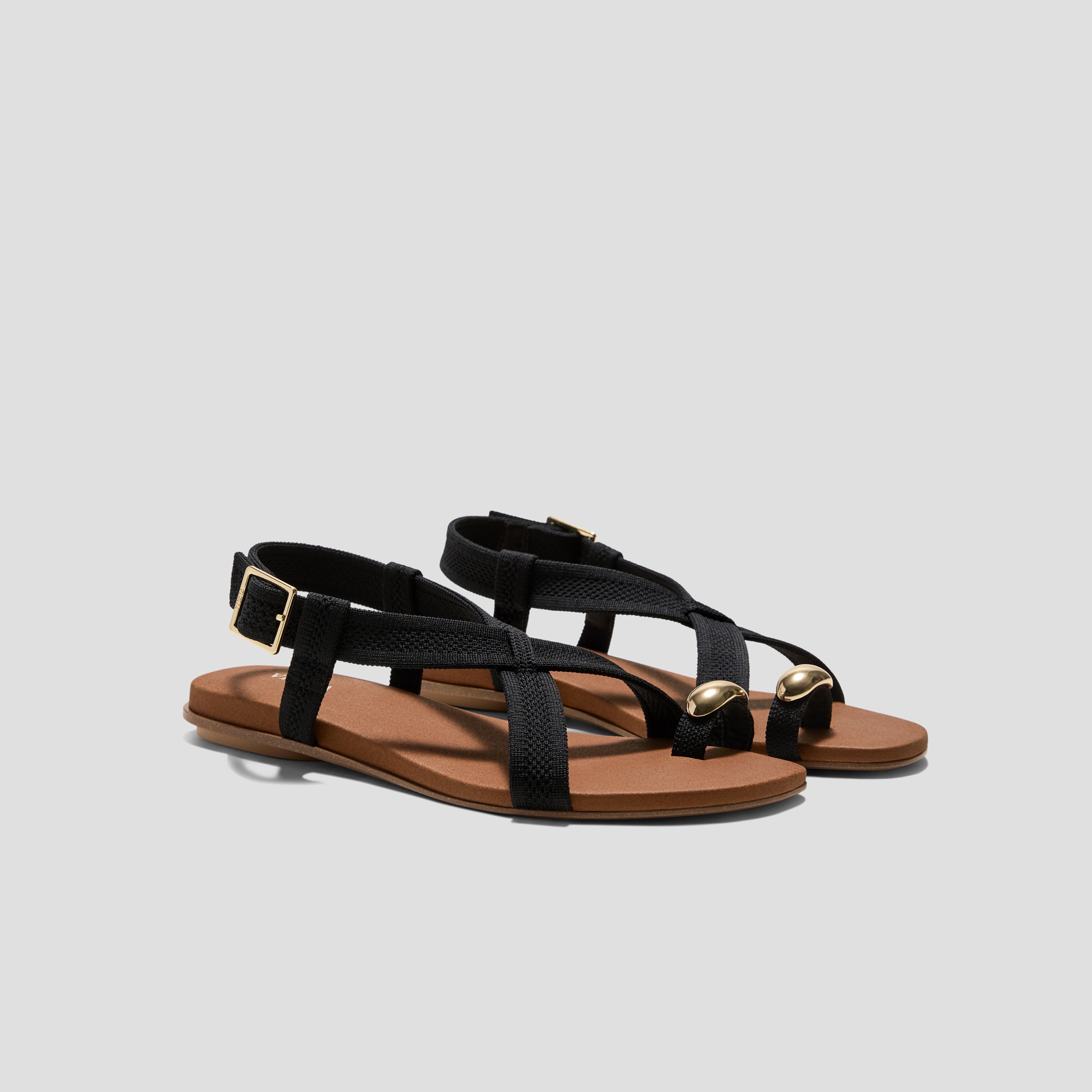
Black
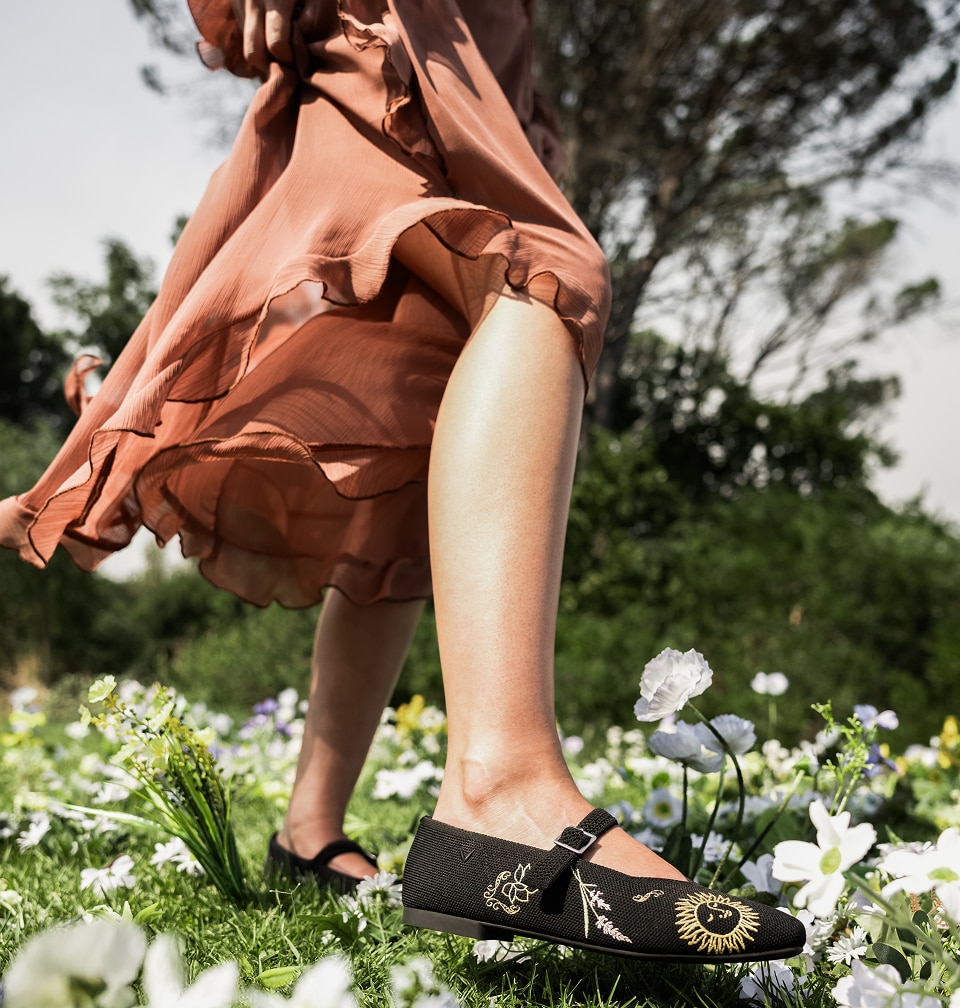
Black works at every formality level: black-tie, garden ceremony, beach reception. The idea that black is too somber for a wedding is outdated. A black shoe with a jewel-toned or printed dress is one of the strongest, most flexible combinations available.
Pastel or Jewel Tone
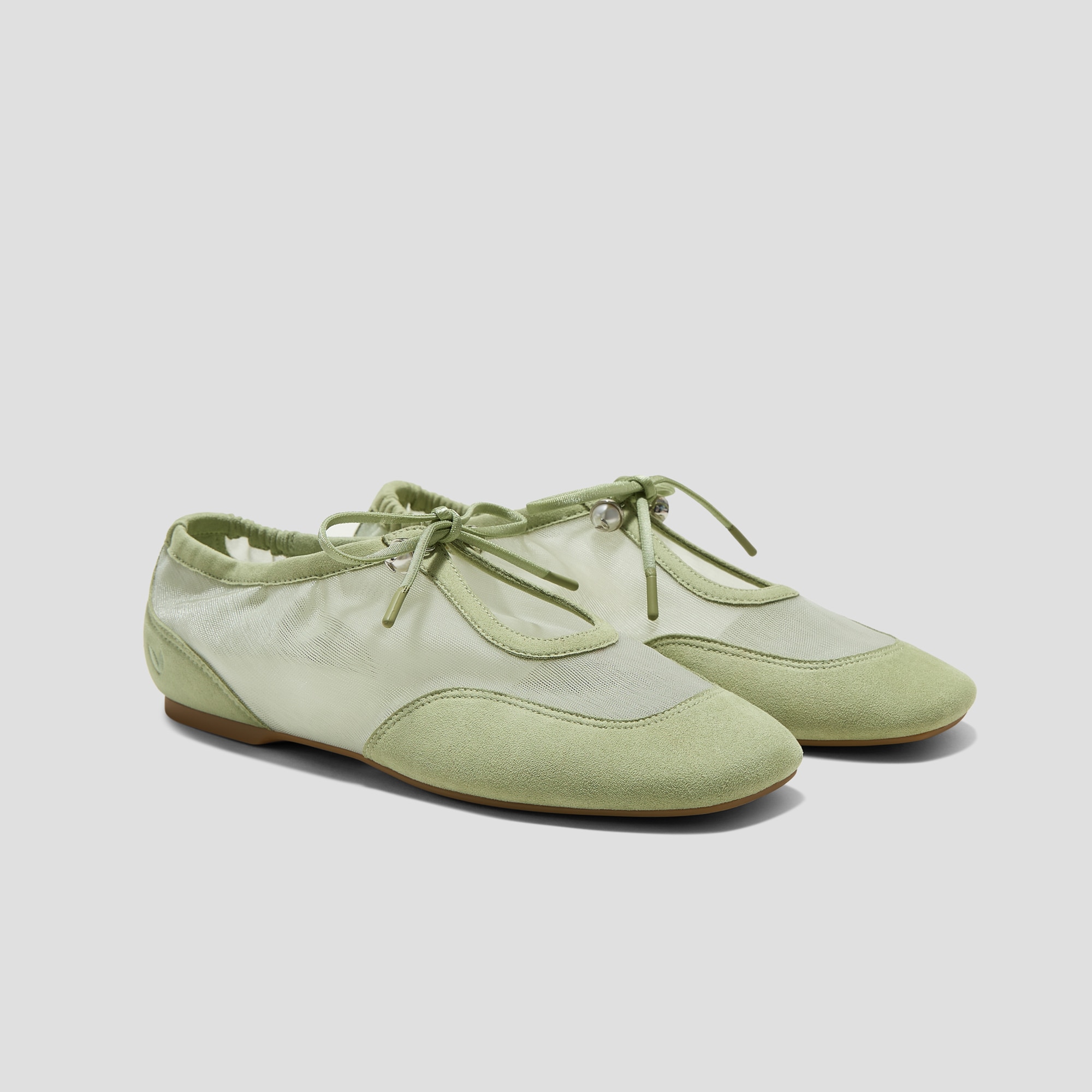
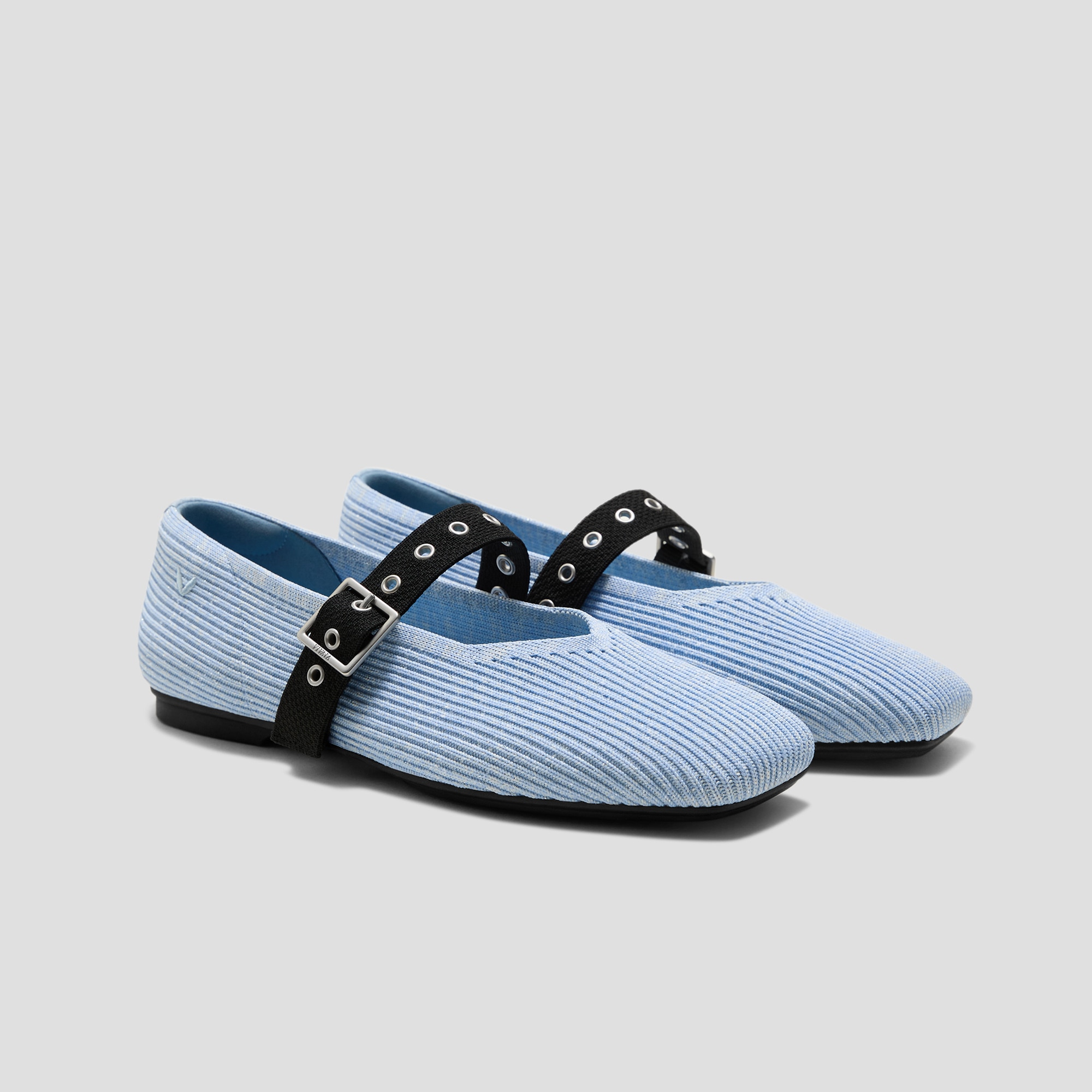
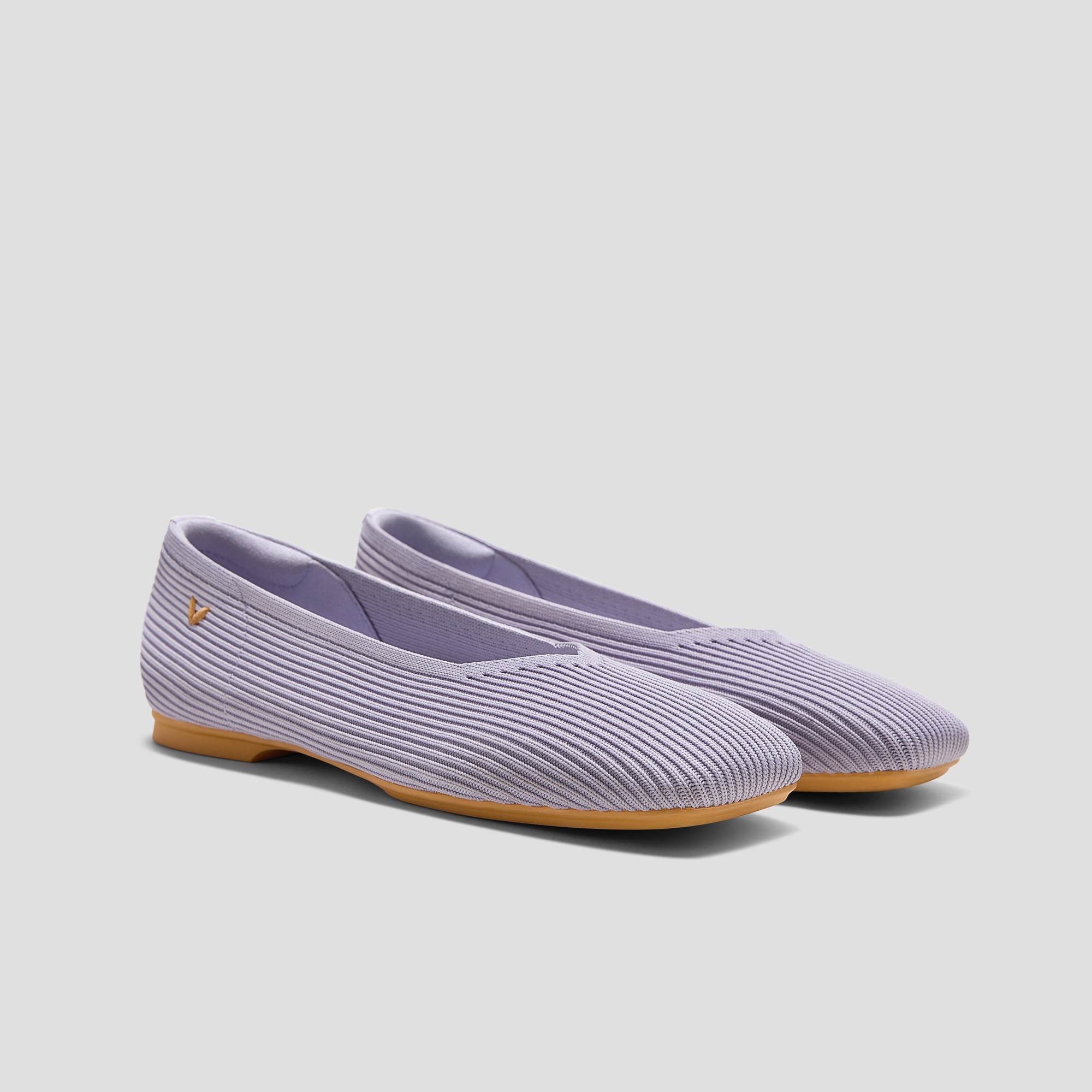
A shoe in dusty blue, lilac, or sage complements a solid-color dress without competing with it. Dusty blue flats with an ivory floral print dress, for example, direct the eye toward the pattern and let the shoe stay in the background intentionally.

How to Wear White Shoes to a Wedding Without Looking Bridal
If you have decided the white shoes are coming with you, these four styling choices keep the look clearly in guest territory.
Pair white shoes with a saturated or printed dress. Bold floral, deep emerald, rich burgundy, or cobalt blue: any of these next to a white shoe reads as deliberate styling. A pale blush dress with white shoes creates an all-light look that requires more confidence and context to carry off without raising questions.
Choose a simple shoe silhouette. White leather sandal, white pointed-toe flat, white block heel: these are fashion shoes. White lace, satin ribbon, or pearl embellishment shifts the shoe into bridal design. Avoid any hardware or trim that would look at home on an actual wedding shoe.
Add one colorful accessory. A clutch, a belt, or a pair of statement earrings in a contrasting color moves the visual focal point away from the shoes and signals that the look is intentionally put together. A warm terracotta clutch with a white shoe and a floral dress, for example, anchors the outfit in a non-bridal direction.
Use a longer hemline as a buffer. A maxi or midi-length dress covers most of the shoe. The white appears only at the toe and ankle, which reduces its visual weight in the overall look.
Choose Shoes You Feel Confident In
White shoes are not a category to avoid as a wedding guest. A simple white shoe with a bold or colorful outfit is a style choice, not a faux pas. When in doubt, nude, champagne, or metallic gold solves the uncertainty without sacrificing anything. VIVAIA's Azura and Cristina styles cover these color directions in comfortable, all-day designs. Find the right pair for your next wedding at VIVAIA.
FAQs
Q1: Is it rude to wear white shoes to a wedding?
Not inherently. The etiquette concern is about not looking bridal, which is primarily a garment issue, not a shoe color issue. White shoes alone rarely create that impression unless the shoe design is bridal (lace, pearls, satin bow) or the full outfit is already very light in color. A simple white sandal with a colorful dress is not considered rude.
Q2: What about ivory or cream shoes for a wedding guest?
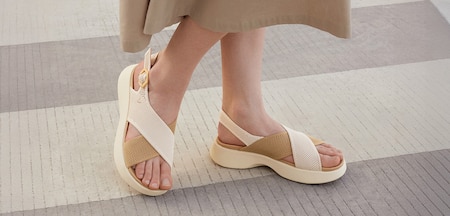
Ivory and cream carry the same etiquette consideration as white at formal or traditional weddings. These shades are closely linked to bridal wear, and at a black-tie or religious ceremony they can draw the same attention as white. At a casual or outdoor wedding, they are generally fine when paired with a clearly non-bridal outfit.
Q3: Can you wear white sneakers to a casual wedding?
Yes, at a casual or outdoor wedding. Clean white sneakers with a summer dress or a floral midi read as relaxed and intentional. At a semi-formal or formal wedding, a flat or low heel in a neutral shade is a better fit for the dress code. The venue and invitation wording are usually the clearest signals.
Q4: Does the "no white" rule still apply if the bride wears a colored dress?
The general consideration still applies. The principle is about not drawing attention away from the bride, not strictly about the color white. A head-to-toe light-colored guest outfit can still stand out even when the bride is wearing color. If you are unsure, check with the wedding party before the event.
Q5: What is the safest shoe color for any wedding?
Nude or champagne. These work across all dress codes, pair with nearly any dress color, and carry no etiquette risk at any formality level. Metallic gold or silver is a close alternative for guests who want more visual interest. Black is the most reliable option specifically for formal and black-tie events.
© VIVAIA All Rights ReservedTerms of Usage - Privacy Policy -