






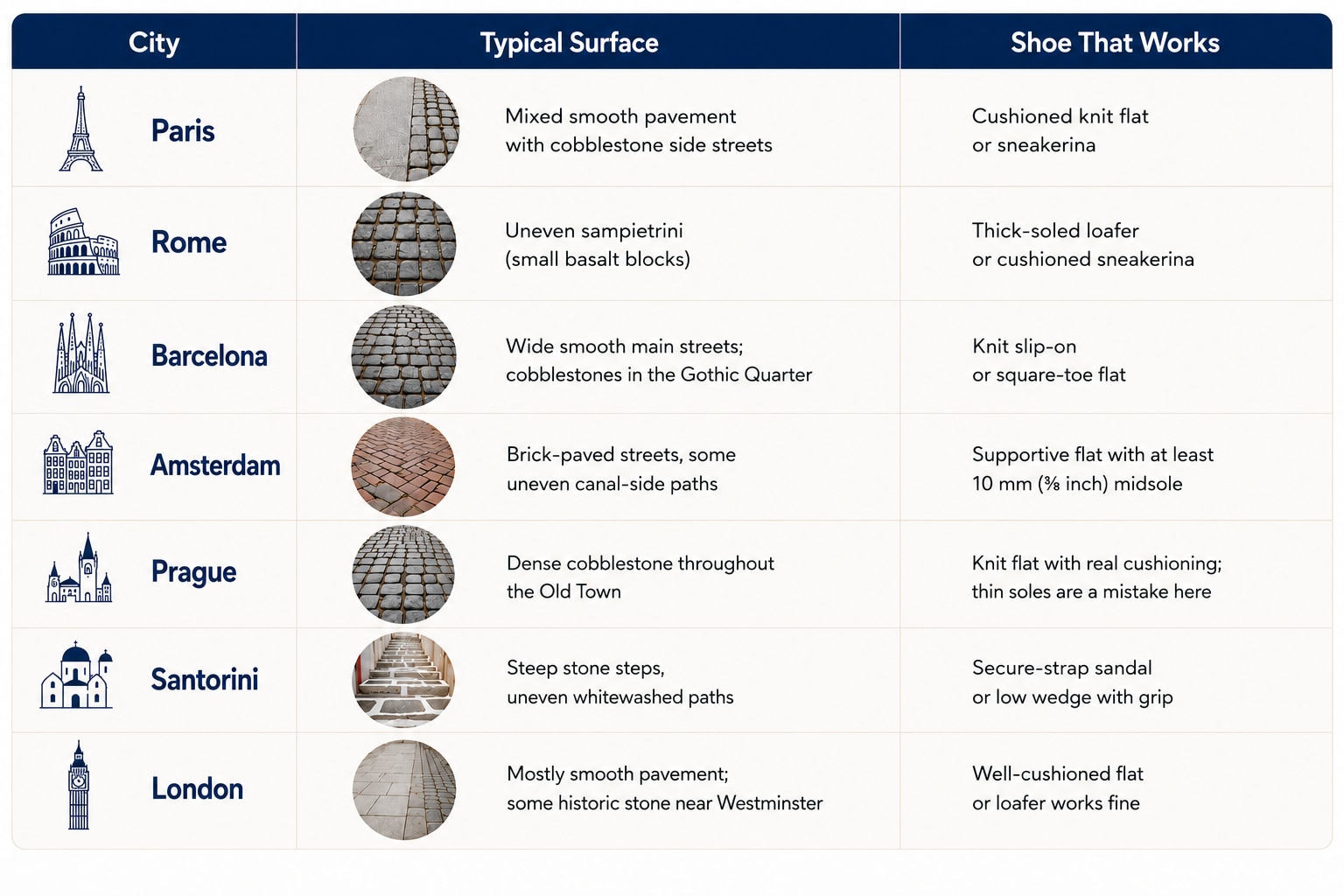
Quick-Look: Surface Conditions and Shoe Picks by City
European Streets Are Harder on Your Feet Than Expected
Many travelers figure that flat shoes cover the cobblestone situation. They don't.
What Cobblestones Do
Cobblestone surfaces (called sampietrini in Rome, pavé in Paris) are not flat. Each stone sits at a slightly different height, so every step lands on an irregular surface. Your ankle makes constant small balance corrections, recruiting more calf and ankle muscle than walking on a smooth sidewalk. A flat with minimal cushioning transfers the full hardness of each stone directly to your foot. After two hours, plantar fascia and heel fatigue set in fast.
As a general guideline, a midsole of at least 10 mm (⅜ inch) of real cushioning makes a noticeable difference on cobblestones.
The Step Count
Most European city travelers log 12,000 to 20,000 steps per day, roughly 6 to 10 miles. That's two to four times the average American's daily step count. The difference between a shoe that feels "fine" and one that genuinely supports your foot becomes clear around day three. By day five, a bad shoe choice starts affecting how much you want to do each day.
Weather and Luggage Space
European spring and summer weather changes fast: warm midday, cool evenings, occasional afternoon rain. Shoes need to hold up across that range without falling apart. Luggage space is finite. Bringing four pairs doesn't solve the problem. Fewer shoes with wider coverage per pair does.
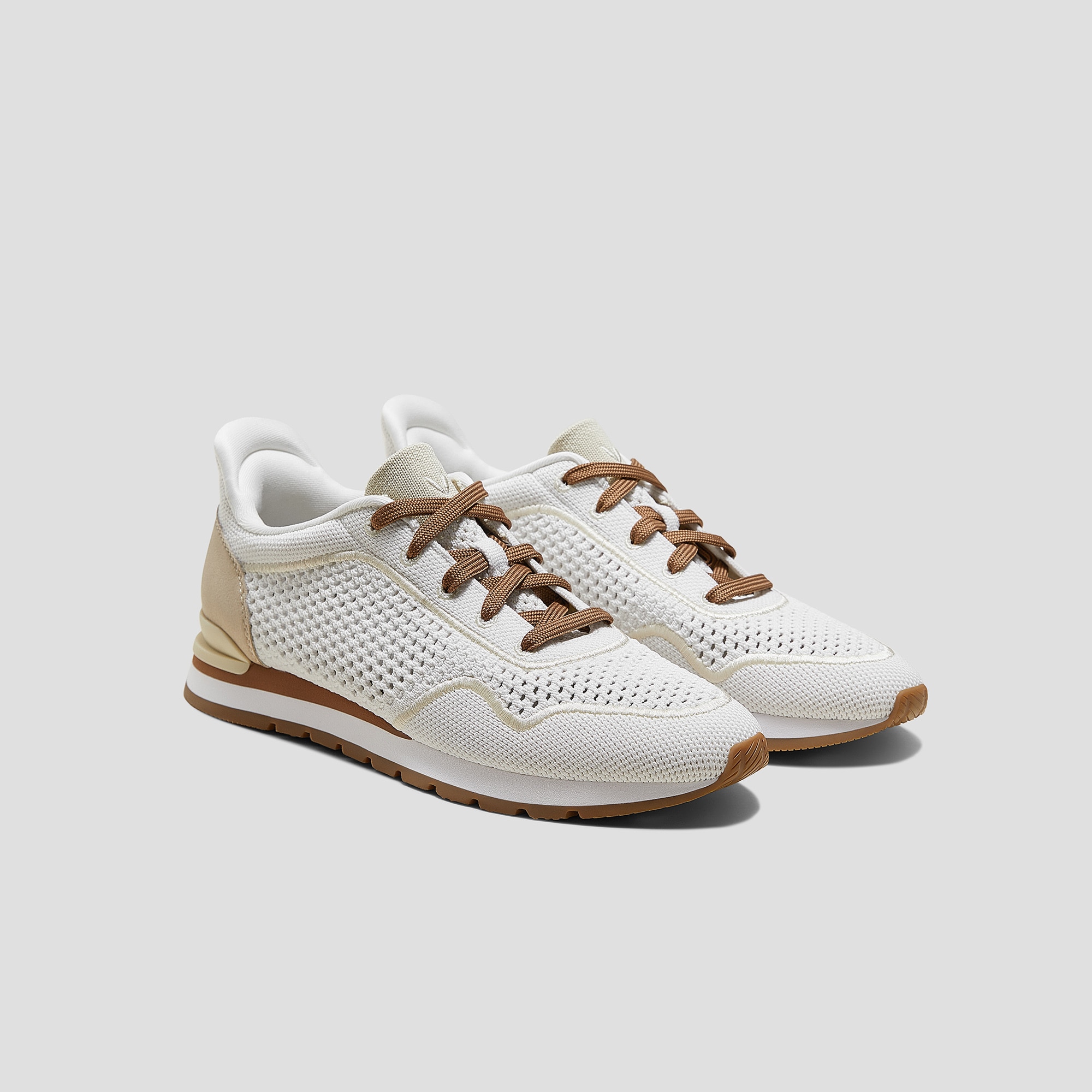

What to Look For
● Real cushioning: At least 10 mm (⅜ inch) midsole, not a decorative insole
● A secure, stable fit: Handles uneven ground without the shoe slipping around your foot
● Visual flexibility: Polished enough for dinner, relaxed enough for a market
● Low weight: Ideally under 300 g (10.5 oz) per shoe
● Machine-washable construction: More on this below, but it matters a lot
The Three Types of Shoes Worth Packing
Three shoes, three roles. Anything beyond that tends to stay in the suitcase.
Shoe 1: The All-Day Walker
This shoe goes on at 8 a.m. and comes off at 8 p.m. It needs to handle 15,000 steps on mixed surfaces without leaving your feet wrecked by dinner.
● What it needs: Genuine cushioning plus a roomier toe box. Feet swell slightly after several hours of walking, and a narrow-toe shoe becomes noticeably tighter by afternoon. A neutral color and profile that pairs with most outfits helps too.
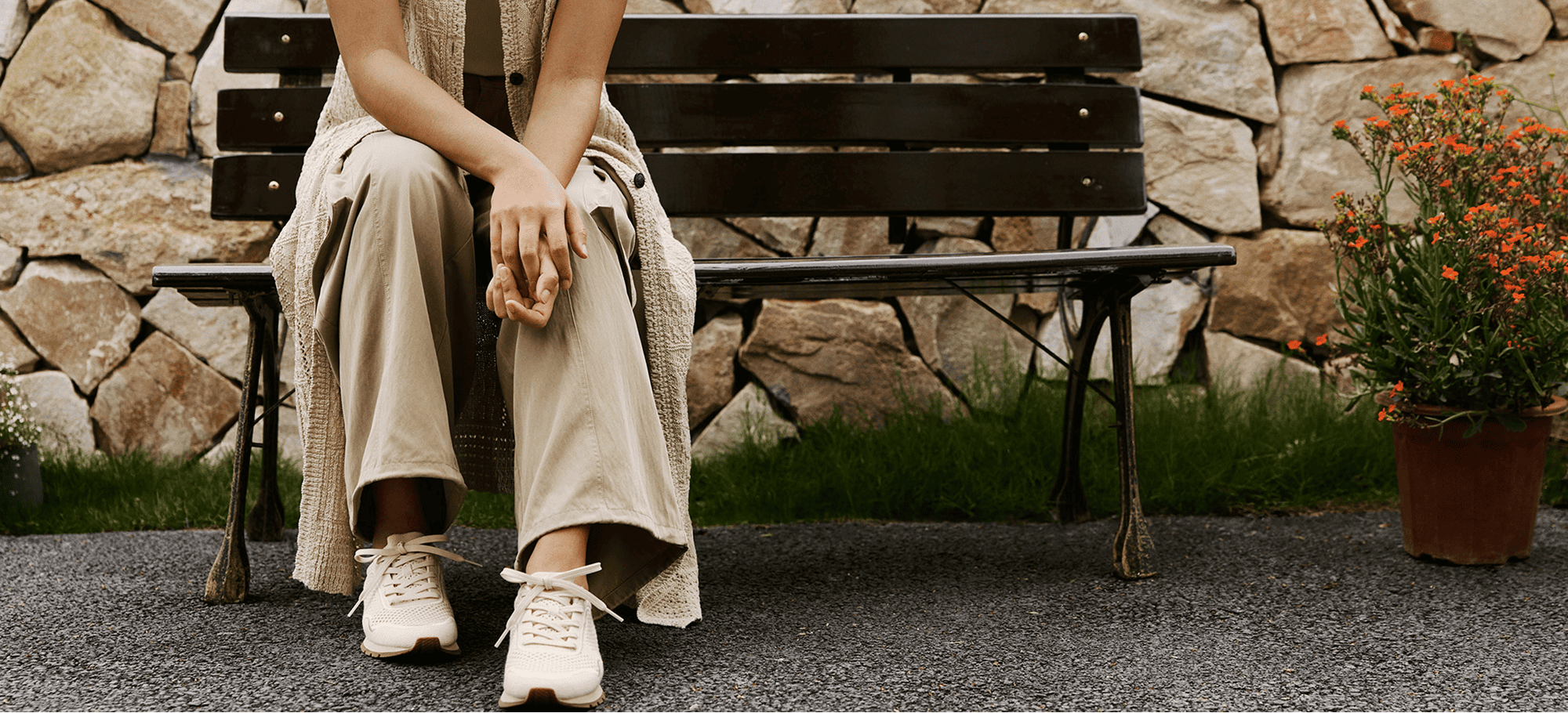
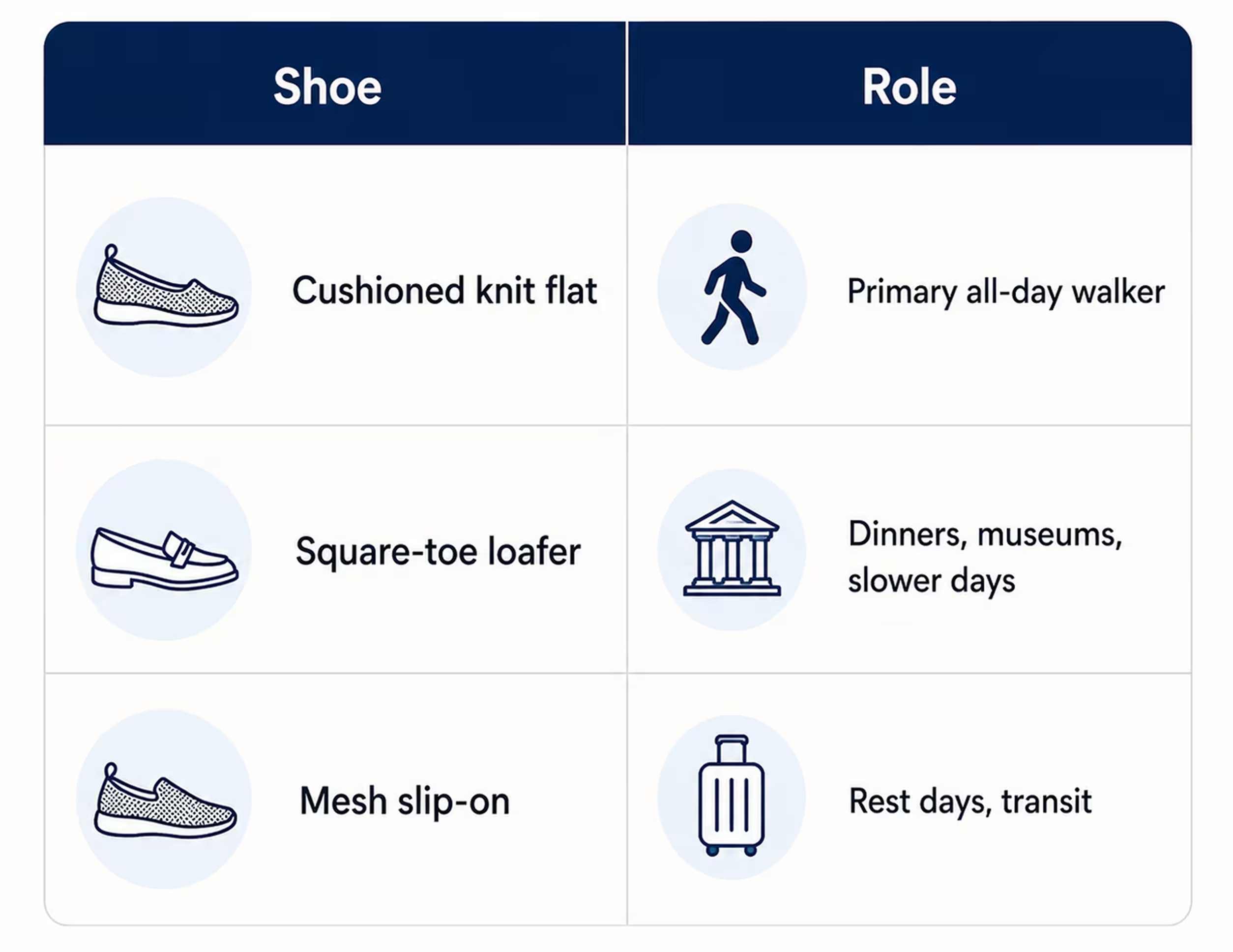
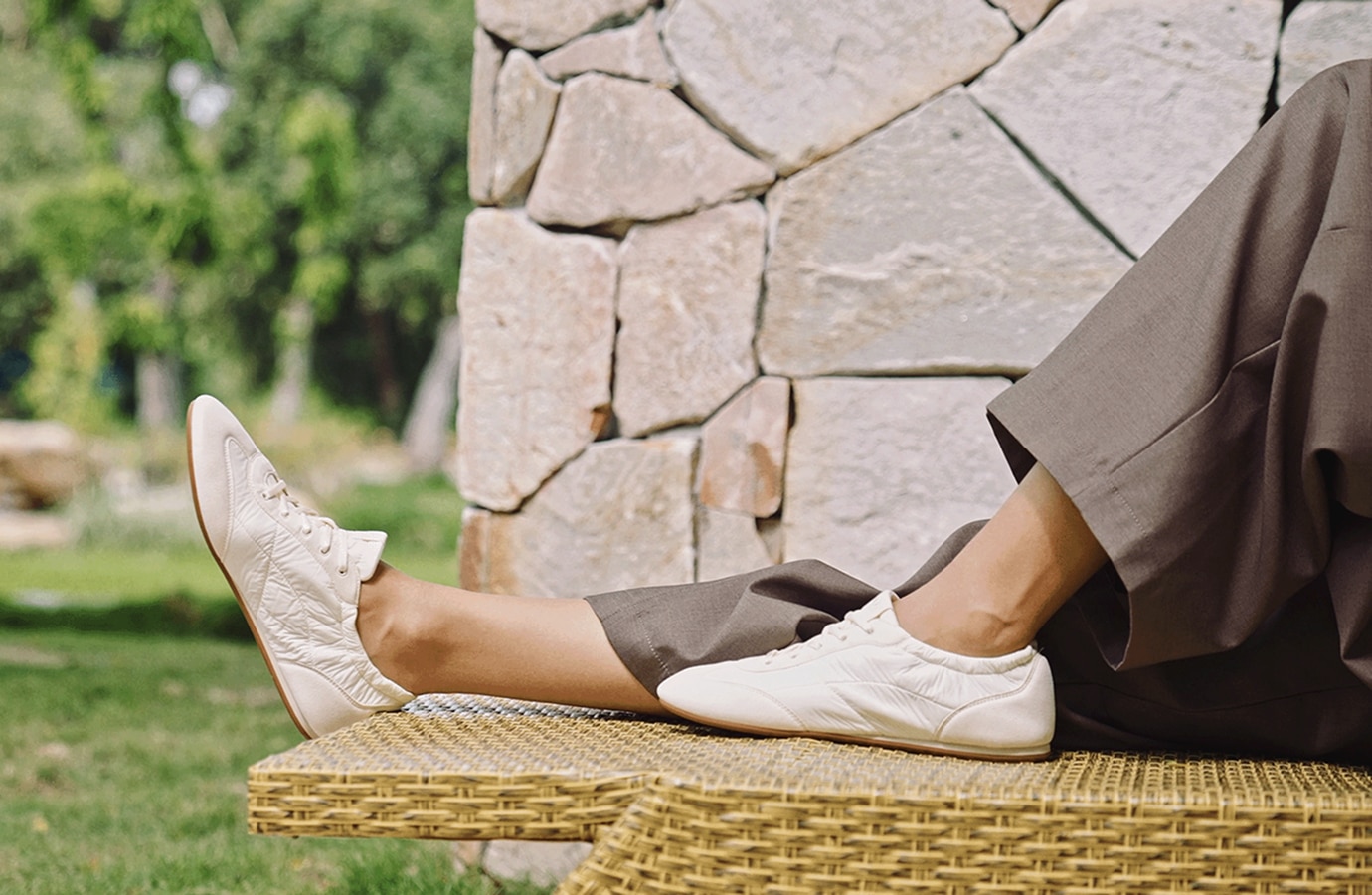
● Best silhouette: A cushioned knit flat in the sneakerina style (athletic construction, refined exterior) or a lightweight loafer with a thick outsole.
● What tends to fail: Classic ballet flats rarely have enough cushioning for this kind of mileage. Standard athletic sneakers handle the walking fine but read too casual for European city settings and can feel out of place in nicer restaurants or museums.
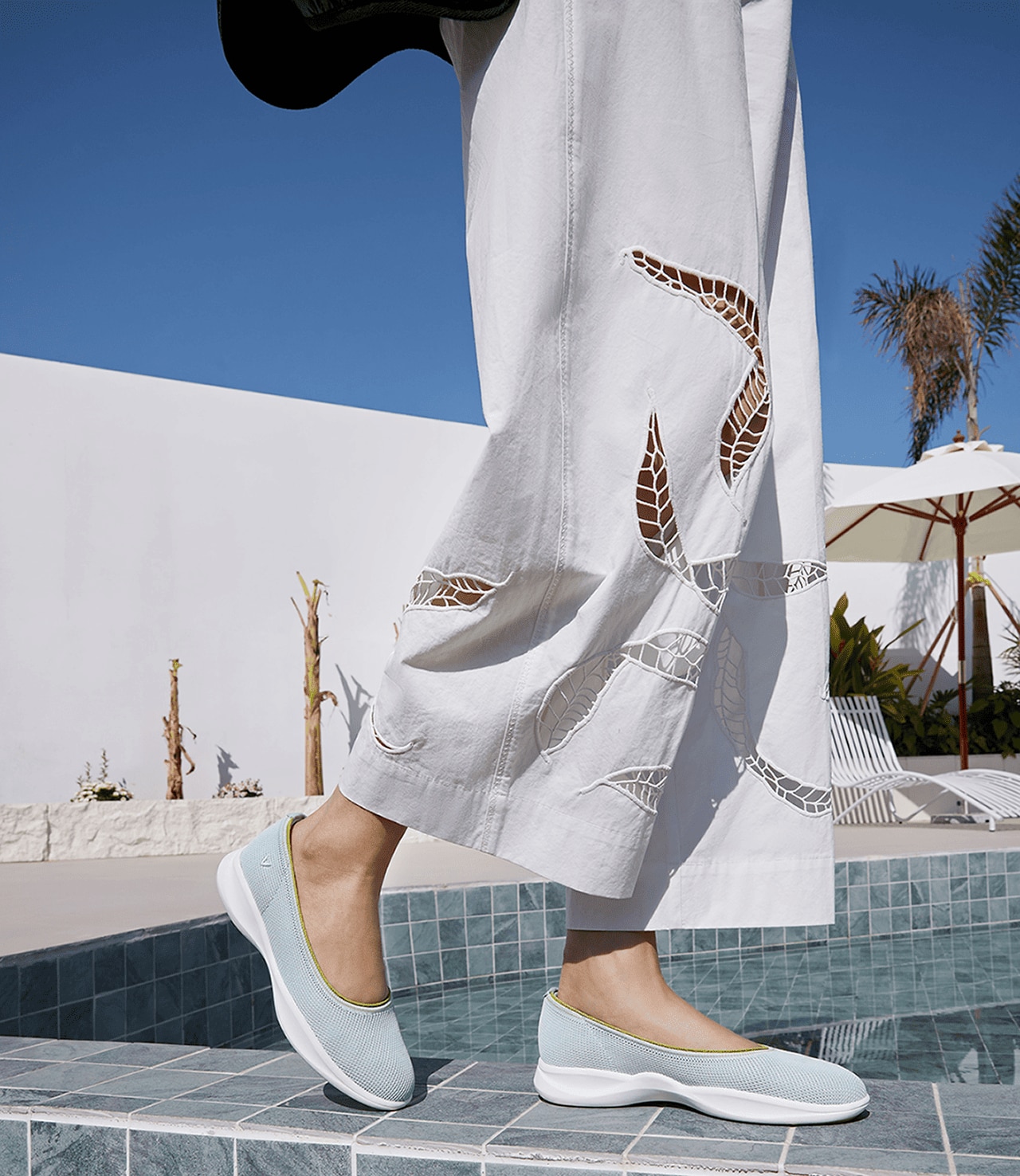
Shoe 2: The Smarter Option for Evenings
This shoe doesn't need to survive a full day of walking. It's for dinner, a museum, a nicer café where you want to look more pulled-together but won't be on your feet for more than a few hours.
● What it needs: A cleaner, more refined design, easy slip-on and off (museum bag-check lines happen constantly), and enough light weight that it doesn't feel like a wasted packing slot.
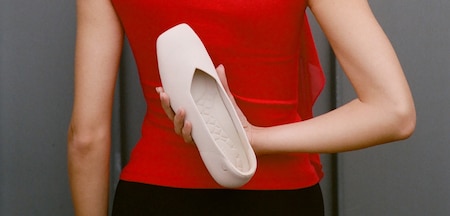
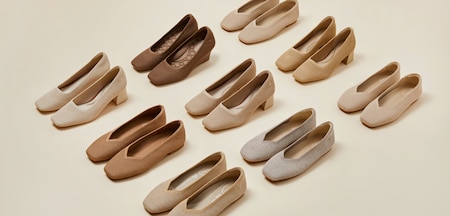
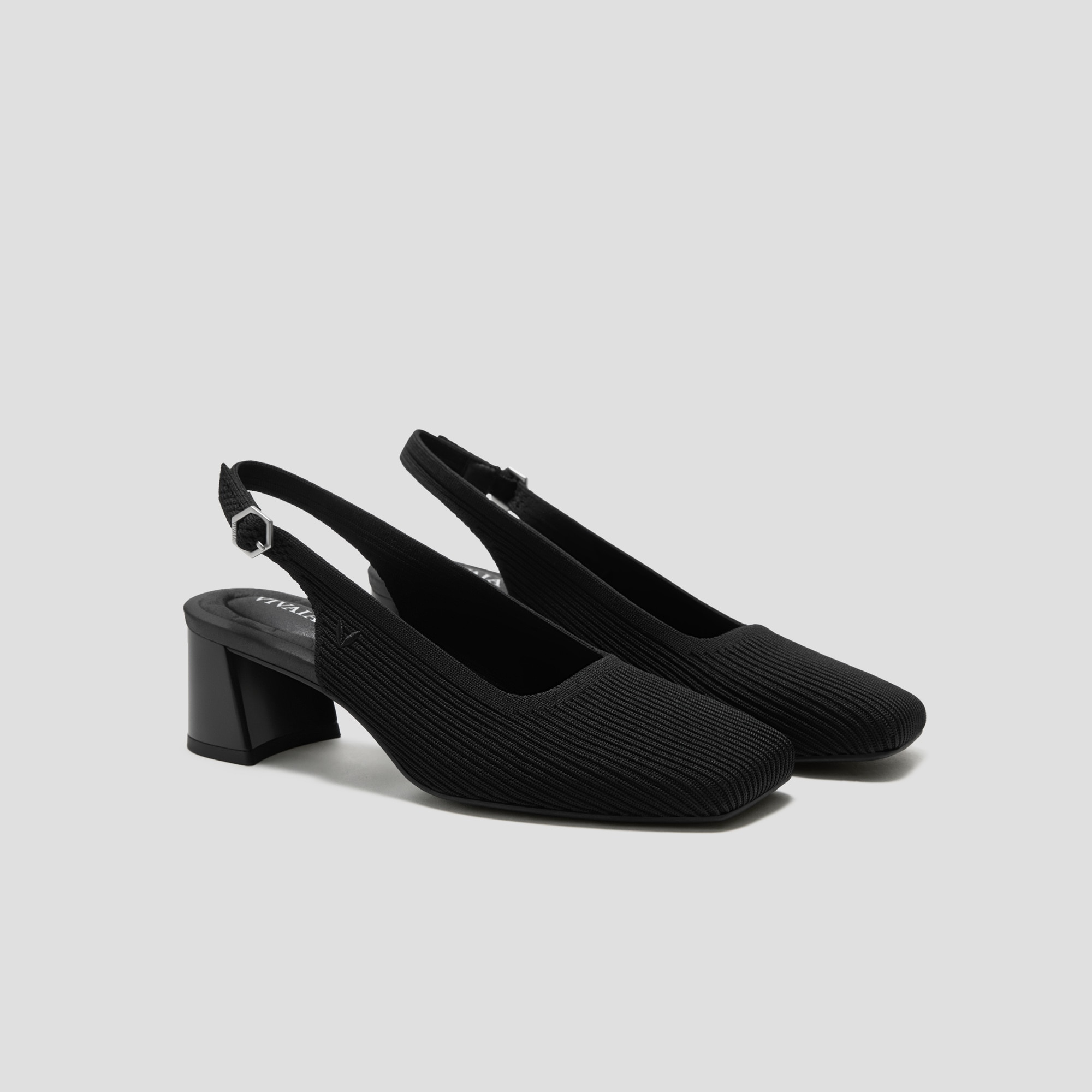
● Best silhouette: A square-toe loafer or a low slingback in a neutral color like cream, stone, or black.
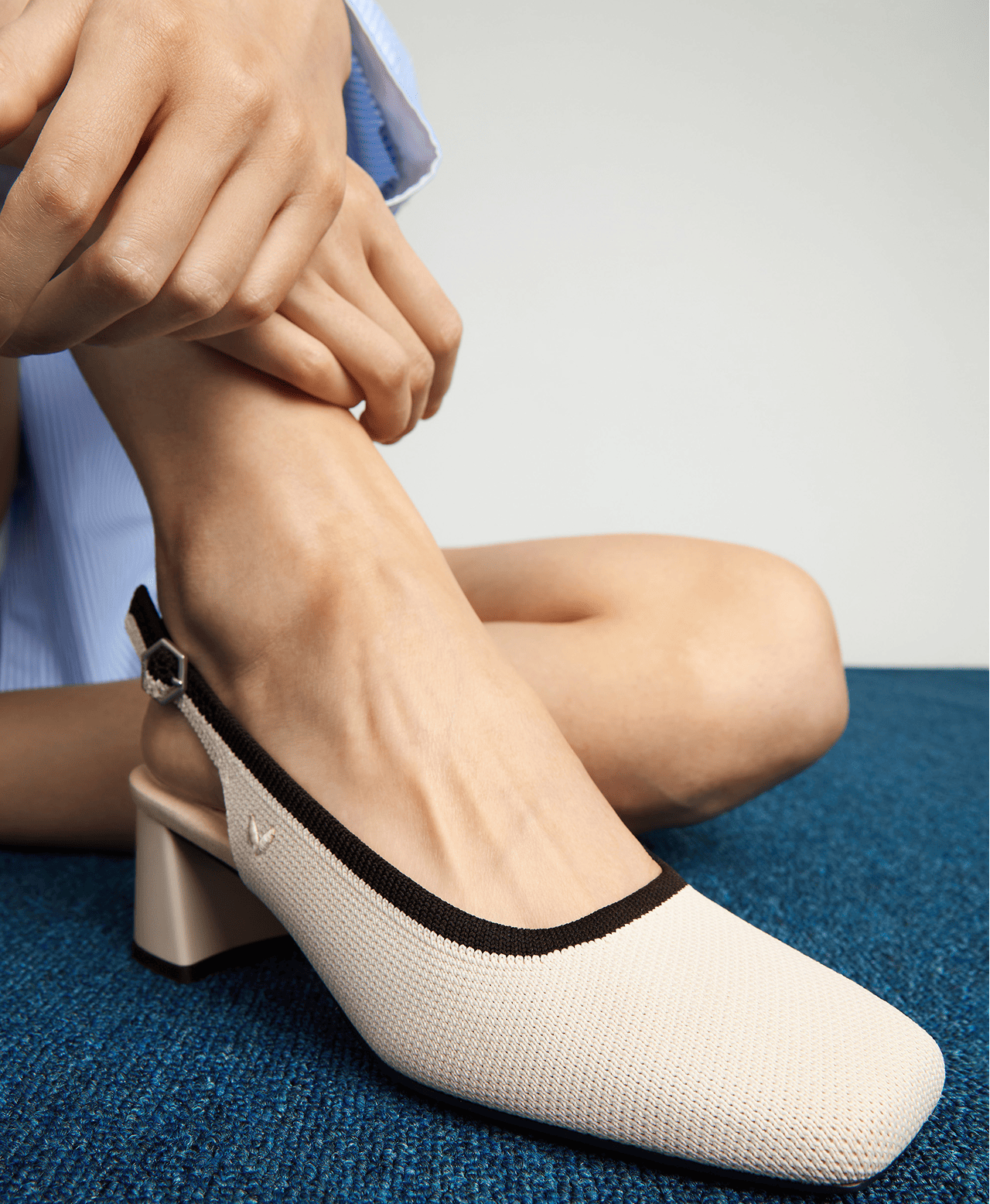
Shoe 3: The Light Rest-Day Option
Hotel runs, grocery stores, long train rides. This is not a serious walking shoe.
● What it needs: Very light, slip-on entry, small enough to tuck into a personal item bag if needed.
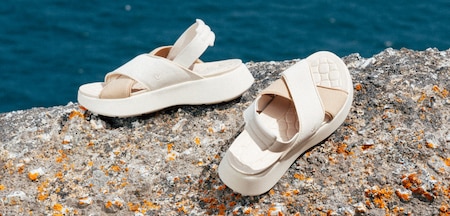
● Best silhouette: A mesh slip-on or sport sandal. You might not wear it every day, but on day nine when your feet need a break from structure, you'll be glad it's there.
● One thing worth noting: a good sneakerina in the Shoe 1 slot often covers casual dinners too, which means on a shorter trip, a separate Shoe 2 might not even be necessary.
Why Machine-Washable Matters More on a Long Trip
If you plan to spend ten days or more in Europe, machine-washable shoes become genuinely practical.
Shoes Get Dirty Faster Than Expected
Rain-wet cobblestones splash mud and grit onto the upper. Outdoor markets, street food areas, and ferry docks leave residue on the sole and sides. Two weeks of daily walking builds sweat and odor into the lining that a wipe-down can't touch. A damp cloth handles surface dirt. It doesn't handle the inside of a shoe after 14 days of summer walking.
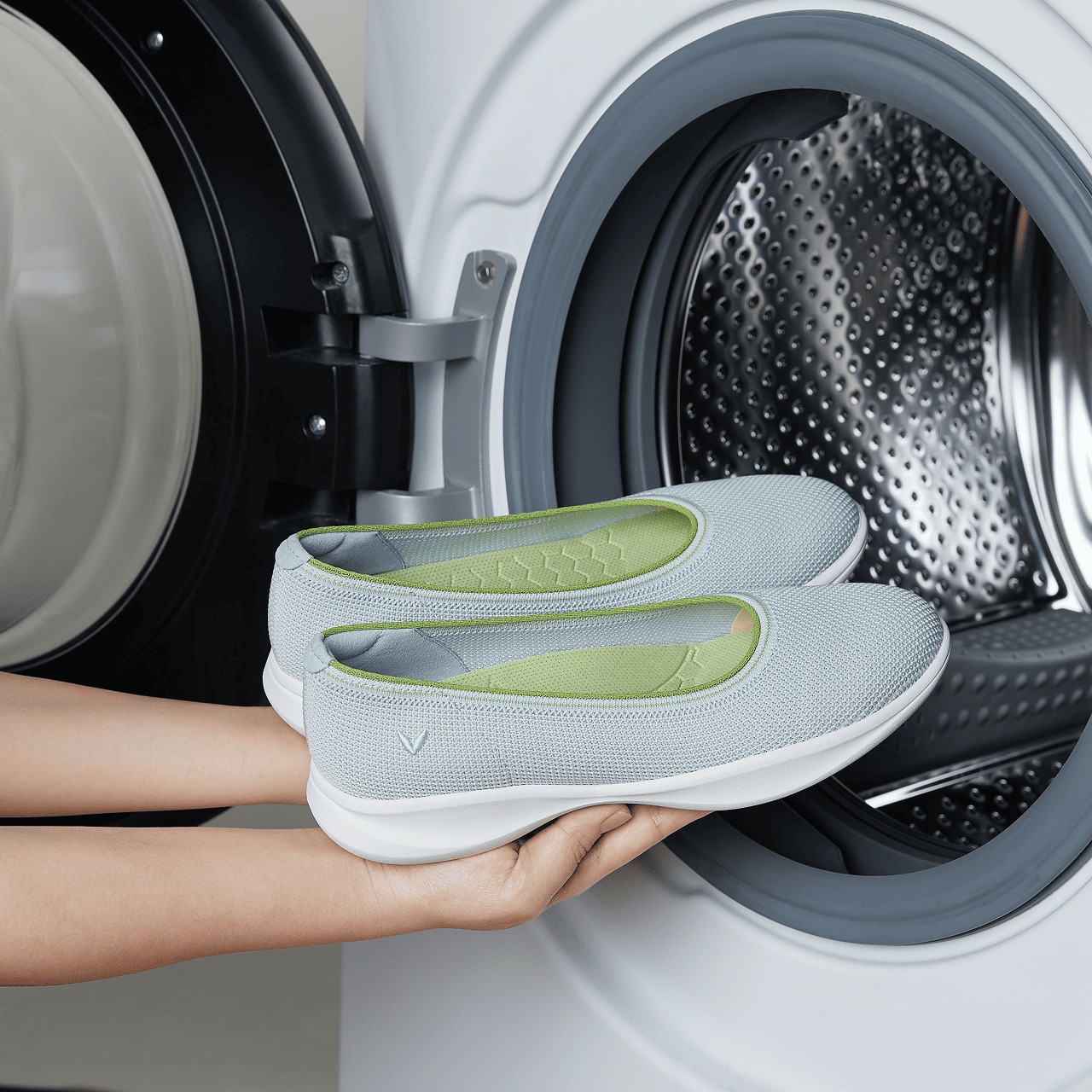
How Machine-Washable Shoes Help
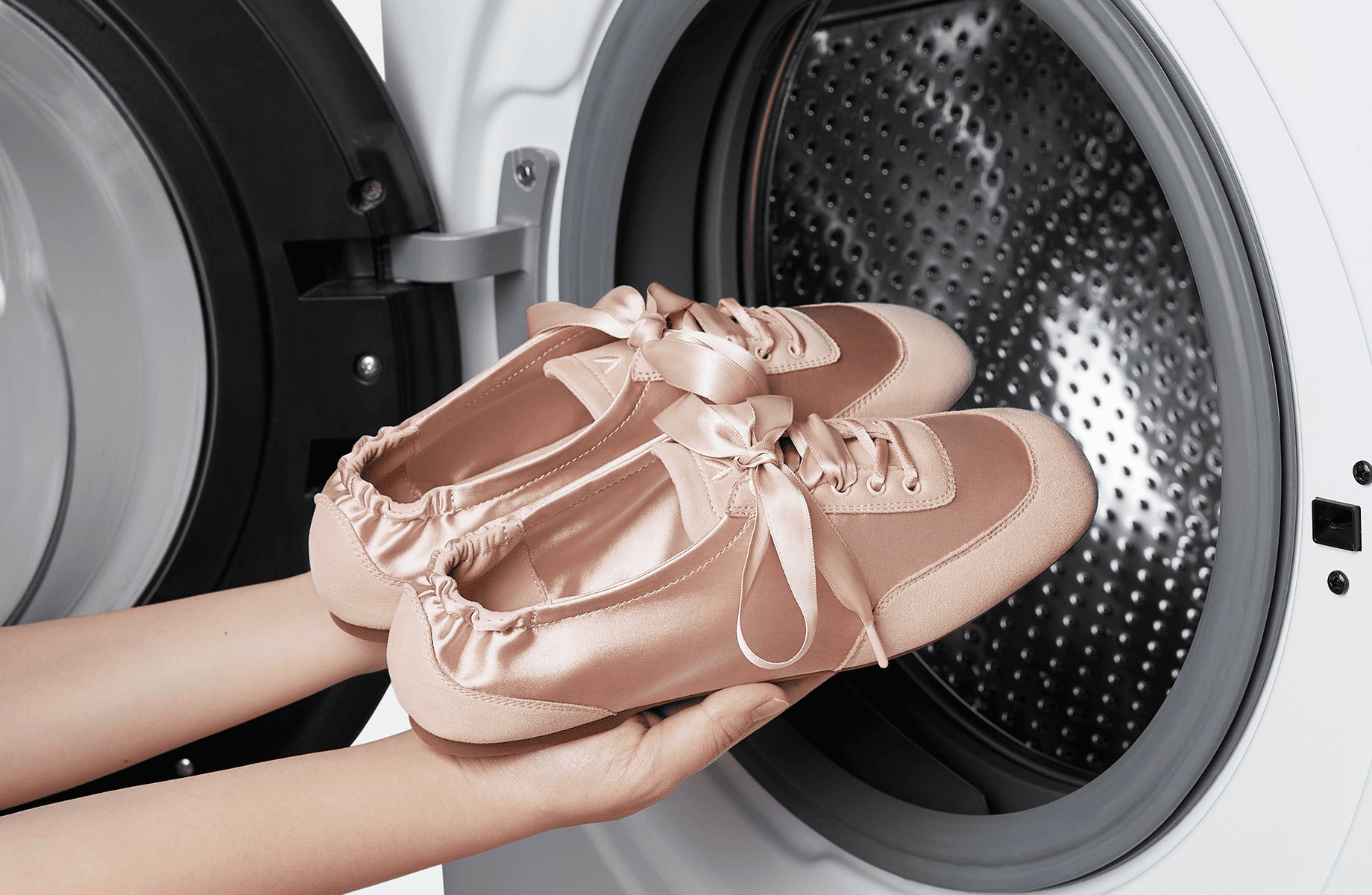
Most European apartments and many Airbnbs have a washing machine. A shoe that can go through a wash cycle gets fully refreshed overnight: lining cleaned, odor gone, fabric looking close to new. That means one pair can reset itself mid-trip rather than degrading steadily from day one. It also takes the pressure off packing a spare. If the main walking shoe can be washed, packing lighter becomes a real option.
How to Wash Knit Shoes Correctly
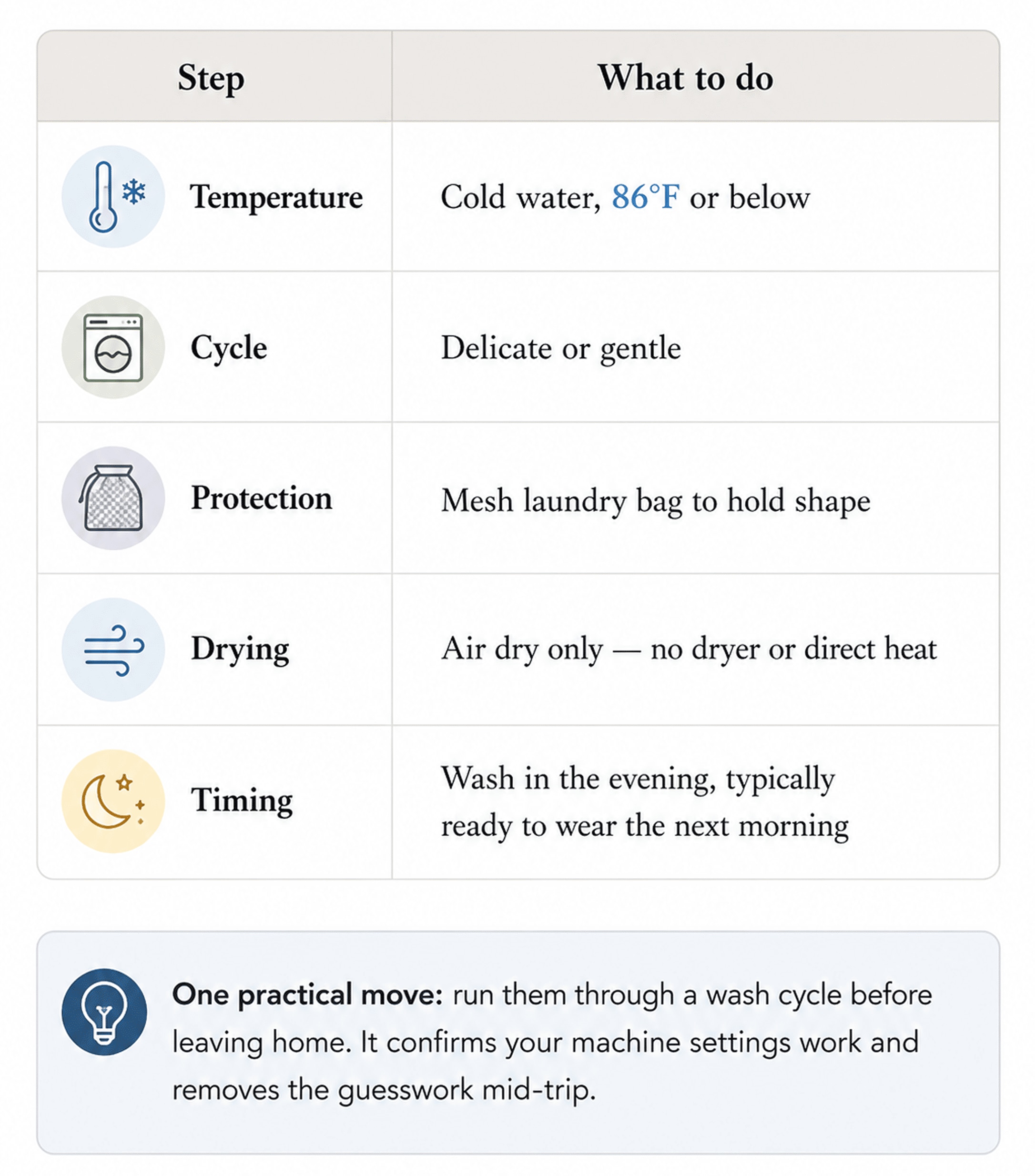
One practical move: run them through a wash cycle before leaving home. It confirms your machine settings work and removes the guesswork mid-trip.
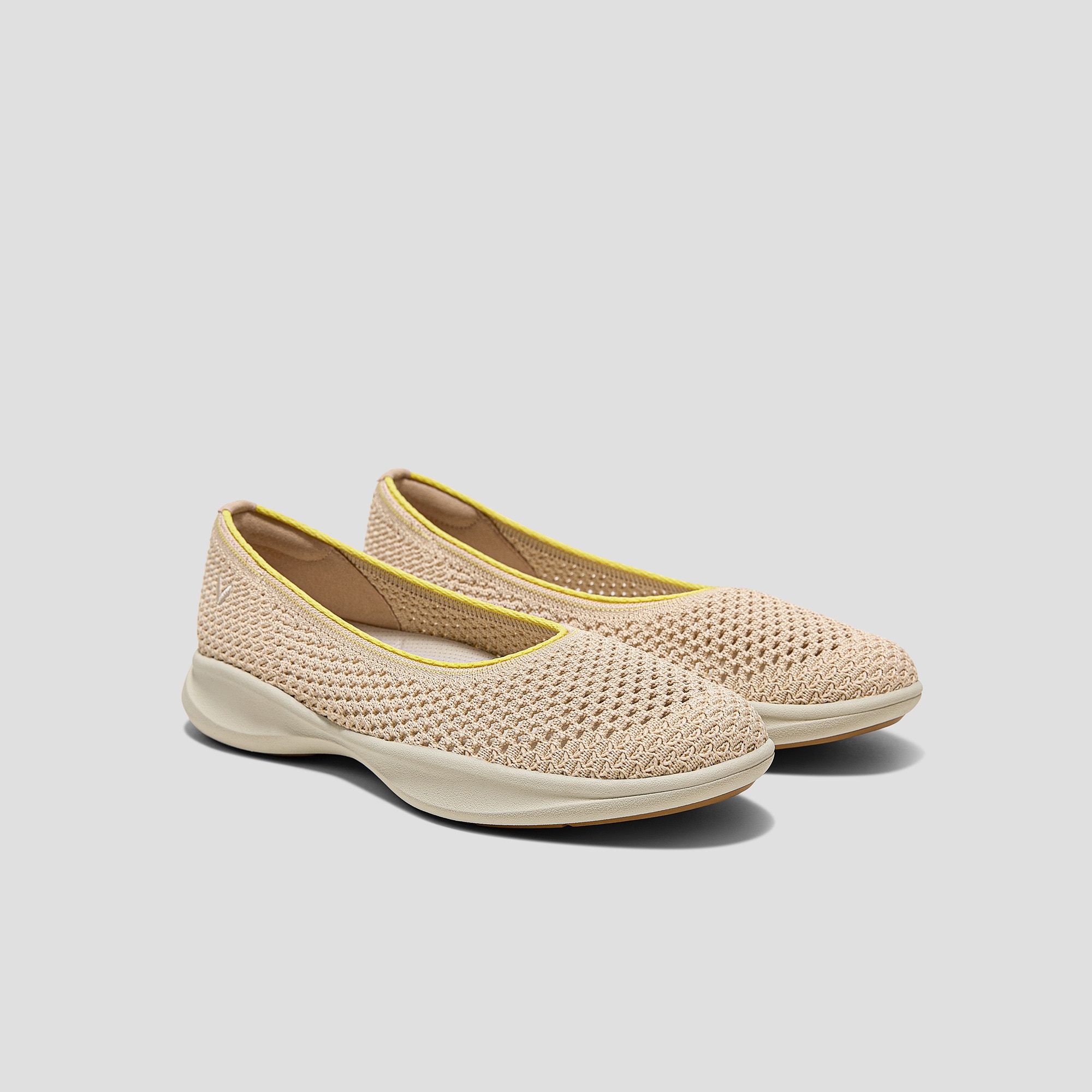
VIVAIA's 3D Eco-Knit construction is built around this. The Margot™ 3.0 and the Allday are both machine-washable and light enough to dry overnight, which makes them genuinely useful for a two-week trip rather than just around the block.
Shoes for 7 to 14 Days: What to Pack and When
7-Day Trip: Two Shoes Is Enough
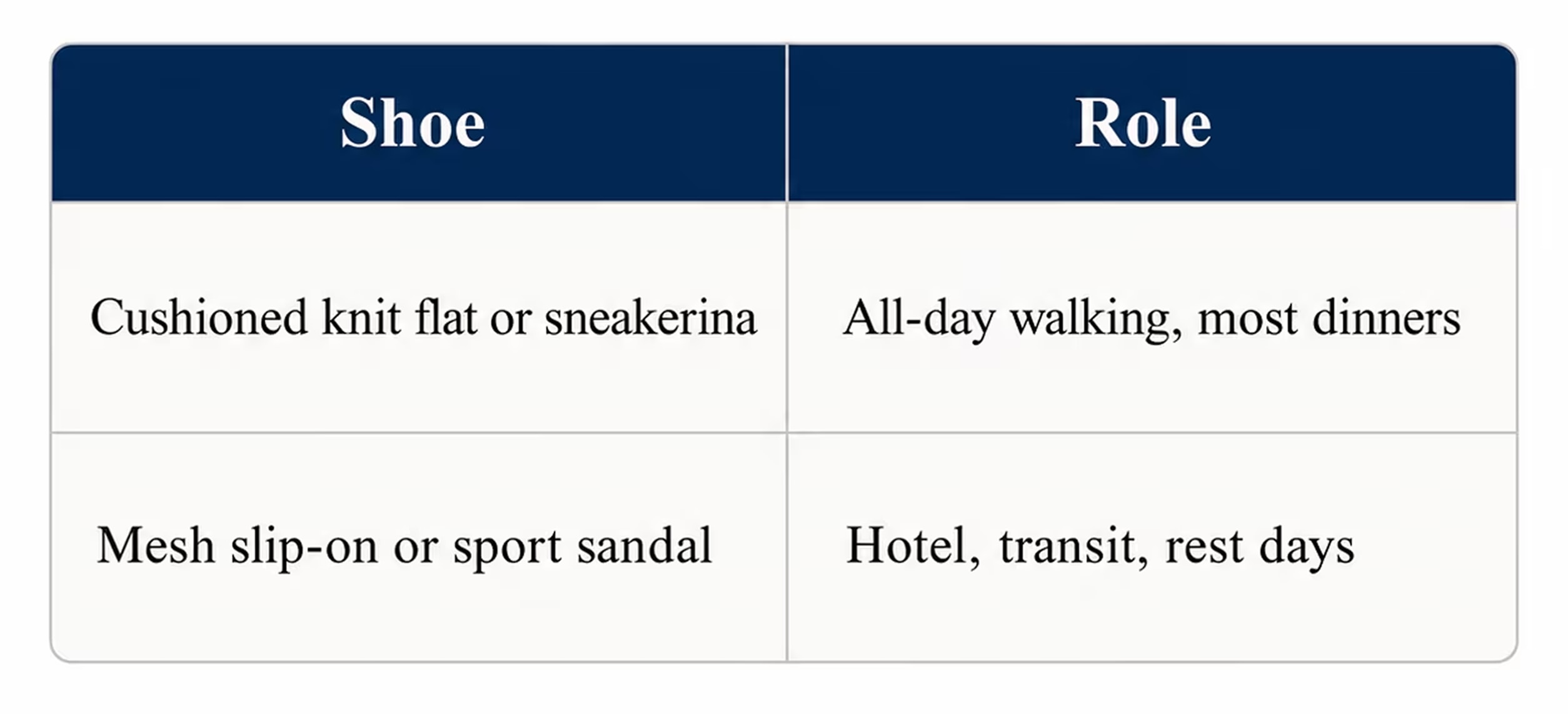
A 7-day city itinerary rarely includes formal evenings that need a dedicated dress shoe. The sneakerina slot covers most situations on its own. Keep combined weight for both shoes under 2 lbs.
10-Day Trip: Add One More
A square-toe loafer earns its place on a 10-day trip. It works for dinner, handles slower walking days, and doesn't feel like a wasted slot because it genuinely pulls double duty.
Packing tip: Use two separate dust bags, one for clean shoes and one for worn. It keeps grime off clothes inside the suitcase.
14-Day Trip: Three Shoes, and Plan for a Mid-Trip Wash
At two weeks, a shoe that can't be washed will start showing it around day ten. Build one wash cycle into the itinerary around day seven.
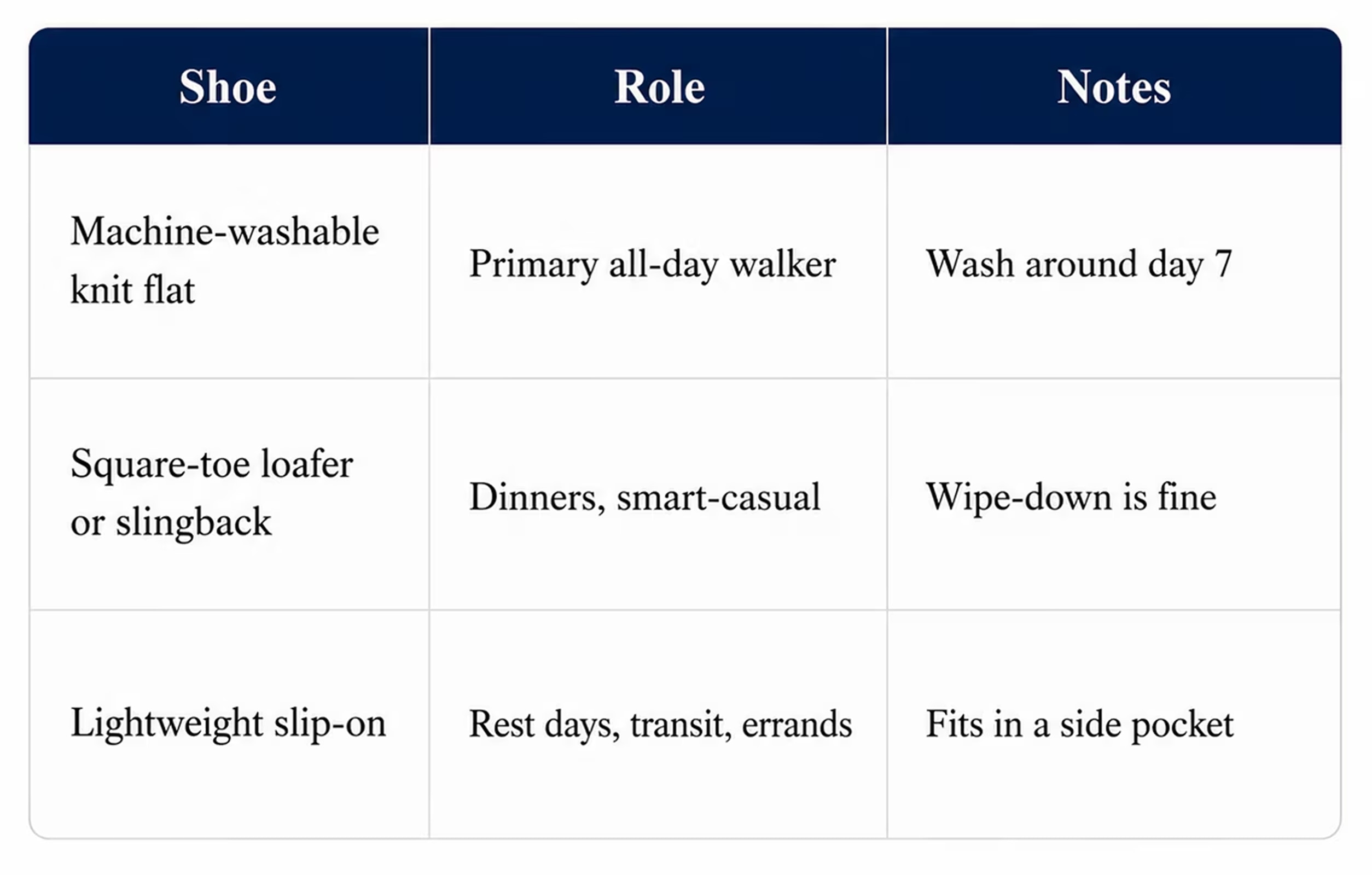
Space-saving mechanics: Place shoes in the four corners of the suitcase. Stuff socks inside each shoe to preserve the shape and free up volume elsewhere.
If the Itinerary Skews in a Specific Direction
● Mostly beach or island: Elevate the sandal to primary shoe, skip the formal loafer
● Heavy museum and cultural focus: Lean on the smart-casual shoe more often; the sandal becomes optional
● Any hiking or mountain days: The above doesn't apply — that's a separate footwear category entirely
VIVAIA picks that cover all three slots:
● All-day walker: The Margot™ 3.0 (square toe fits wider feet, 3D Eco-Knit, machine-washable)
● Smart-casual evenings: Silvie loafer (clean profile, easy on/off, refined enough for dinner)
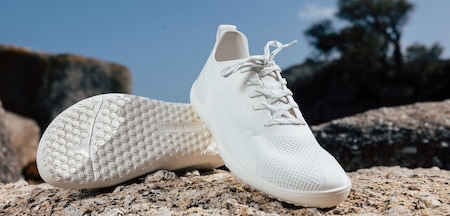
● Rest-day light option: Allday slip-on (mesh upper, light, machine-washable, compresses flat)
Two Good Shoes Beat Four Mediocre Ones
The shoes that hold up across a European trip aren't always the ones that look best on the shelf. They're the ones with real cushioning, a stable fit, and enough visual range that you're not changing footwear four times a day. Add machine-washable to that and one pair does the work of two.
VIVAIA's Walker Pro Collection was built around exactly that combination: style that doesn't sacrifice comfort, and construction that holds up to real use. Browse the collection to find the pair worth the suitcase space.
FAQ
Q1: Should I break in new shoes before a trip to Europe?
Yes. New shoes need a few days of wear to conform to your foot. Putting on a brand-new pair for day one of a 15,000-step day in Rome is a real risk. Before leaving, wear them at least three times for 2 to 3 hours each. That's enough to catch any friction points or pressure spots while you can still do something about it.
Q2: Are white sneakers a good choice for European travel?
They're common on European streets, but two practical issues come up. Cobblestone puddles and street grime show immediately on white uppers, and cleaning them takes more effort than darker colorways. Visually they also read fairly casual, which can feel off in dressier restaurants or at religious sites with dress code requirements. If white is the preference, a machine-washable version makes it much easier to manage on a longer trip.
Q3: What do you do if your shoes get soaked in the rain?
Press a dry towel against the upper right away to pull out surface water. Skip the blow dryer on direct heat — it warps knit uppers and can separate the sole from the upper. Stuff the inside with newspaper or paper towels to draw out moisture, then leave them somewhere with good airflow. Knit uppers typically dry fully in 12 to 24 hours. For leather shoes, a light conditioning wax after drying helps restore the surface.
Q4: Is it rude to wear sneaker-style shoes to dinner in Europe?
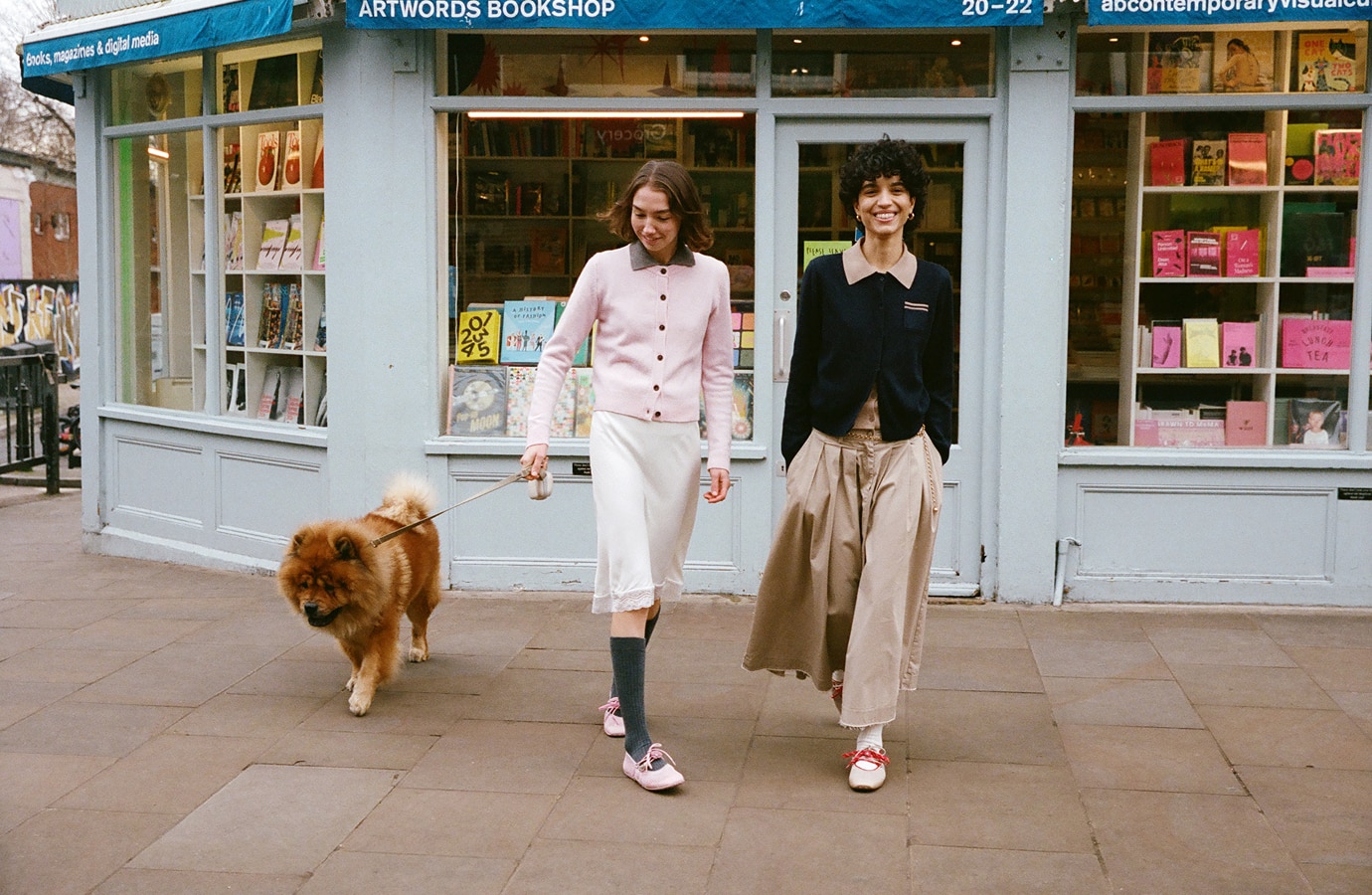
At a casual bistro, wine bar, or neighborhood restaurant, no. The sneakerina silhouette is completely normal in European cities and won't stand out. At Michelin-starred restaurants or venues with a dress code, smarter footwear fits better, but those places almost always communicate their requirements at booking. A clean loafer or simple flat handles both situations without having to think about it.
© VIVAIA All Rights ReservedTerms of Service - Privacy Policy -