






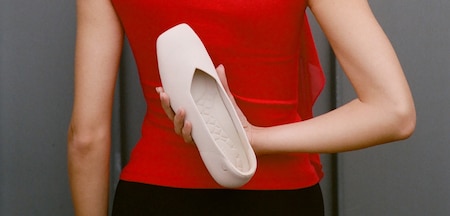
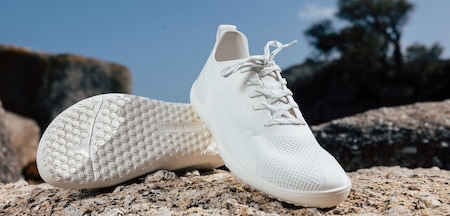

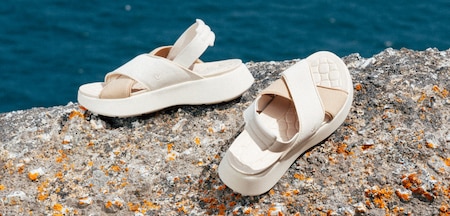
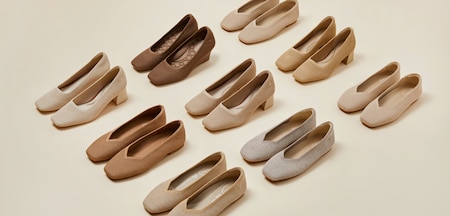



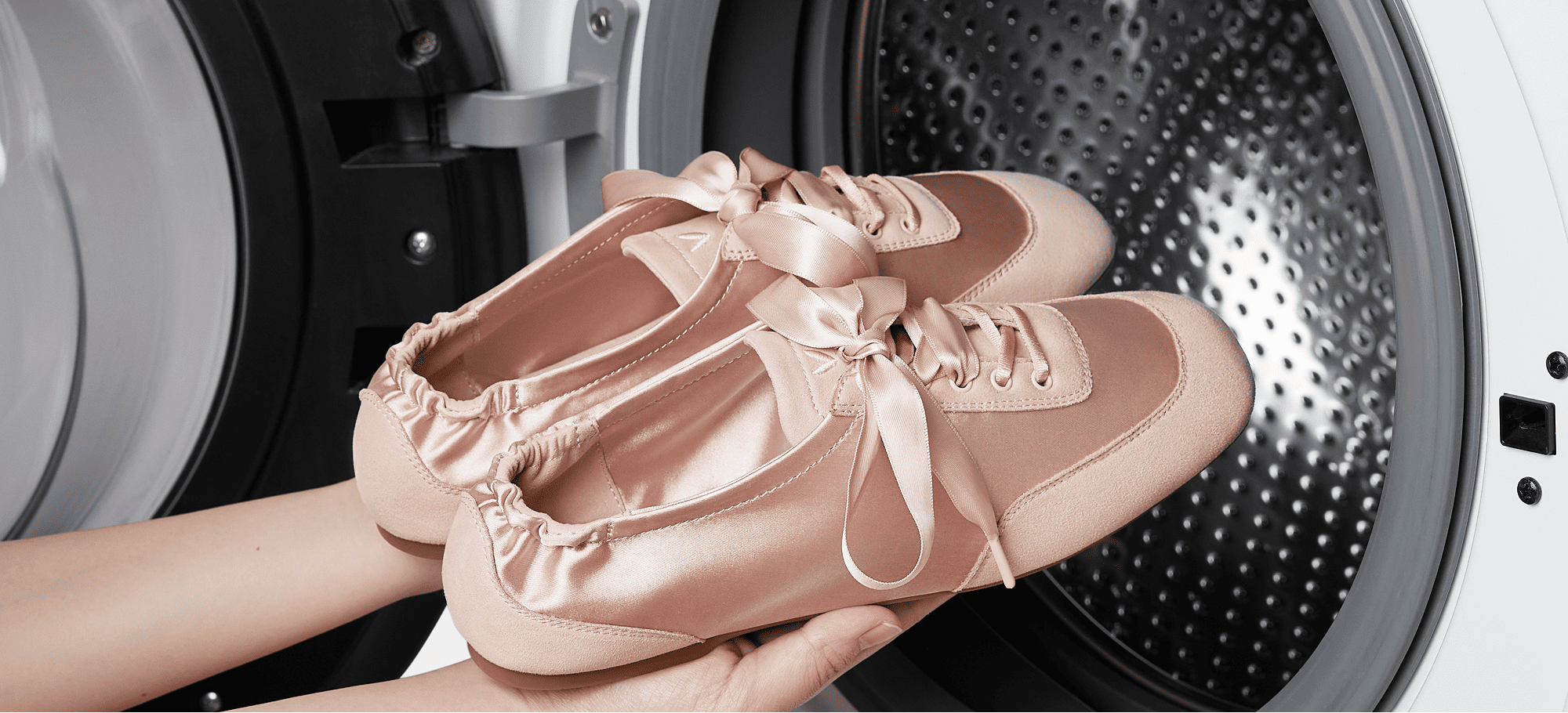
The difference comes down to materials and construction.
Here is what makes a shoe washable, how to wash it correctly, and how to tell if a brand's claim holds up.
Quick Reference: Machine Washable Shoes at a Glance
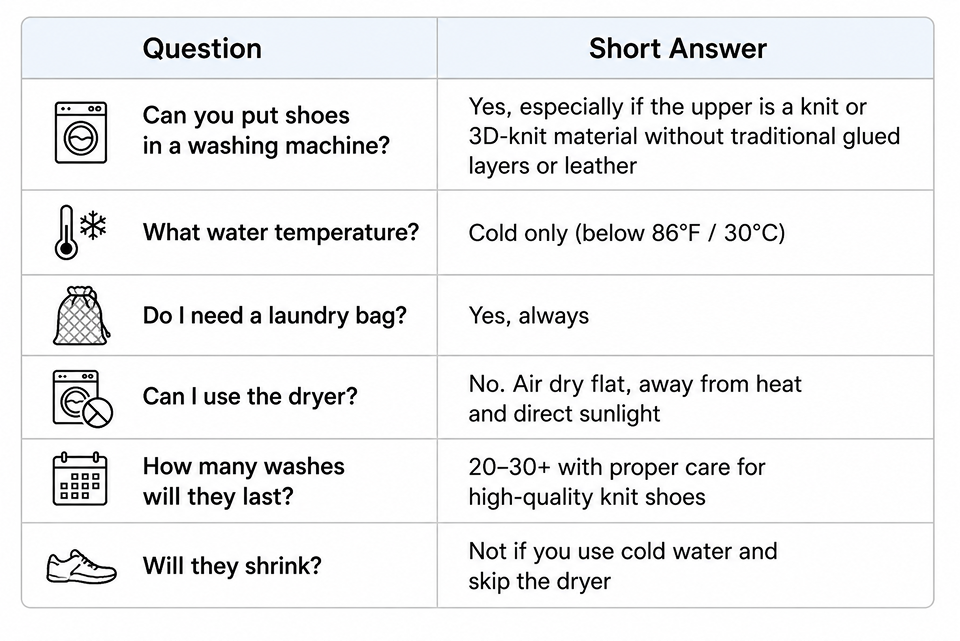
Why Most Shoes Can't Be Washed and What Makes Some Different
Standard Shoes
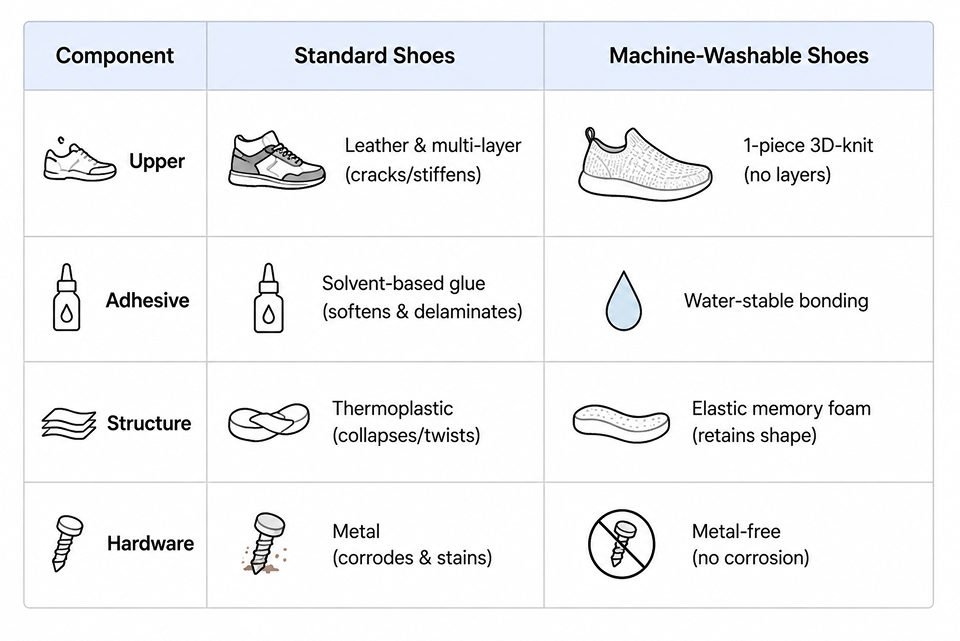
Most shoes are built from three to five or more different materials bonded together: leather uppers, fabric linings, EVA or rubber soles, metal hardware, and adhesive layers. The washing machine hits all of those materials with water, heat, and mechanical agitation at once.
Adhesive layers soften when soaked, and tumbling pulls the upper away from the sole. Leather absorbs water and loses its oils; once dry, it cracks and stiffens. Internal stiffeners in the toe box and heel are typically thermoplastic, so water and heat soften them, collapsing the toe or twisting the heel. Metal hardware corrodes and stains the upper.
Machine-Washable Shoes
A shoe designed for machine washing eliminates those failure points at the design stage. A knit or 3D-knit upper formed from a single continuous material avoids the multi-layer glues that often peel apart. Water-stable bonding methods replace solvent-based glues. Elastic memory foam insoles retain shape when wet and recover once dry. Metal-free hardware prevents corrosion.
How to Check Before You Wash
Look at the upper. If it is multiple panels of different materials stitched or glued together, machine washing is risky.
If it is a single knit material with minimal seam lines, it is far more likely to survive. Construction tells you more than a marketing label.
What Happens to Your Shoes After 10, 20, 30 Washes
But washable shoes have their unavoidable limitations: their appearance might change after too many washes.
Wash Damage Timeline
Here is a realistic timeline for well-made knit shoes washed correctly (cold water, gentle cycle, laundry bag, air dry).
● 1–10 washes: Color holds. Shape holds. Insole cushioning holds. A quality knit upper shows virtually no visible change at this stage.
● 10–20 washes: Minor pilling may appear on high-friction zones (big toe area, shoe sides). Color may fade slightly on darker shades. The structure stays intact. Pilling is cosmetic and removable with a fabric shaver.
● 20–30+ washes: Knit fibers gradually lose some elasticity. The upper may feel slightly looser. On well-constructed shoes, the shoe remains fully wearable. Swapping in a fresh insole at this stage extends overall life noticeably.
What Causes More Damage?
● High water temperature. Cold water (below 86°F / 30°C) causes minimal fiber damage. Water above 104°F / 40°C accelerates elasticity loss and color fading.
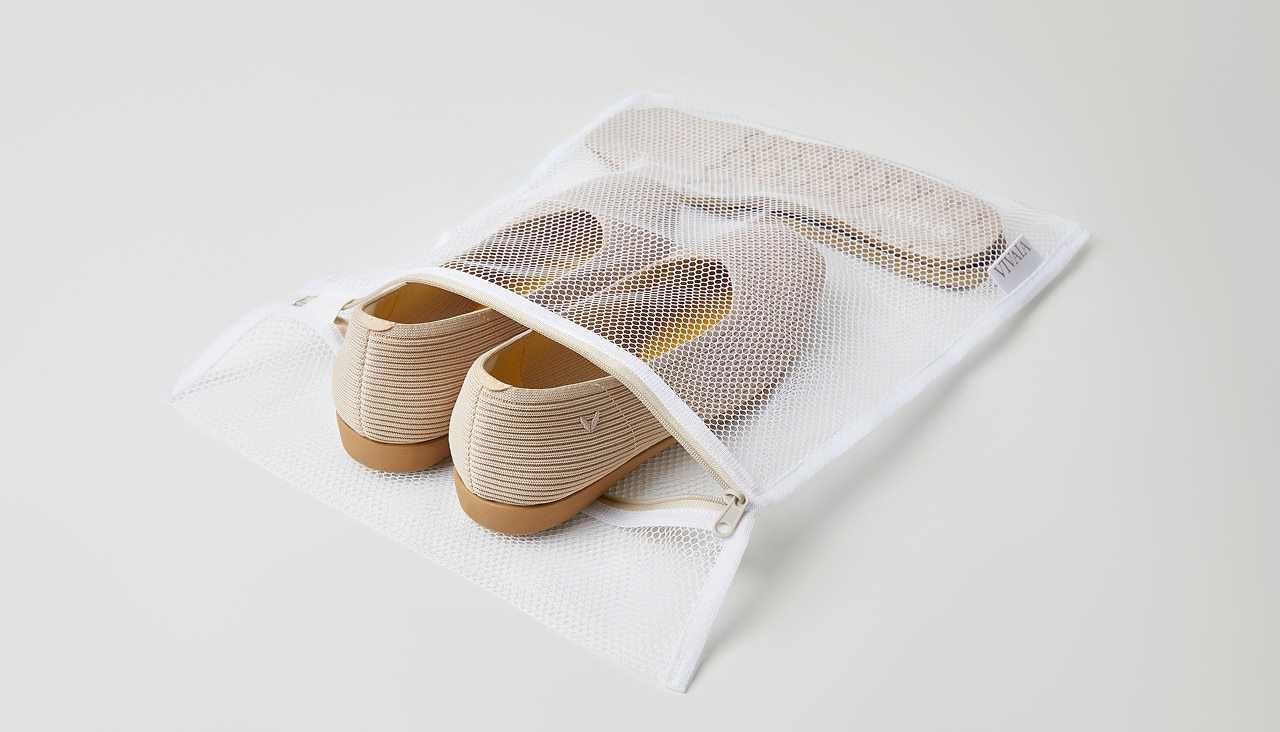
● Not using a laundry bag. Laundry bag isolates the shoe from the drum wall, reducing surface abrasion. This is a simple but effective way to extend wash life.
● High dryer heat. Dryer heat causes the fastest, most irreversible damage. Any dryer cycle can permanently shrink and warp a knit upper. Air drying is non-negotiable.
The Right Way to Wash Your Shoes (and the Mistakes That Ruin Them)
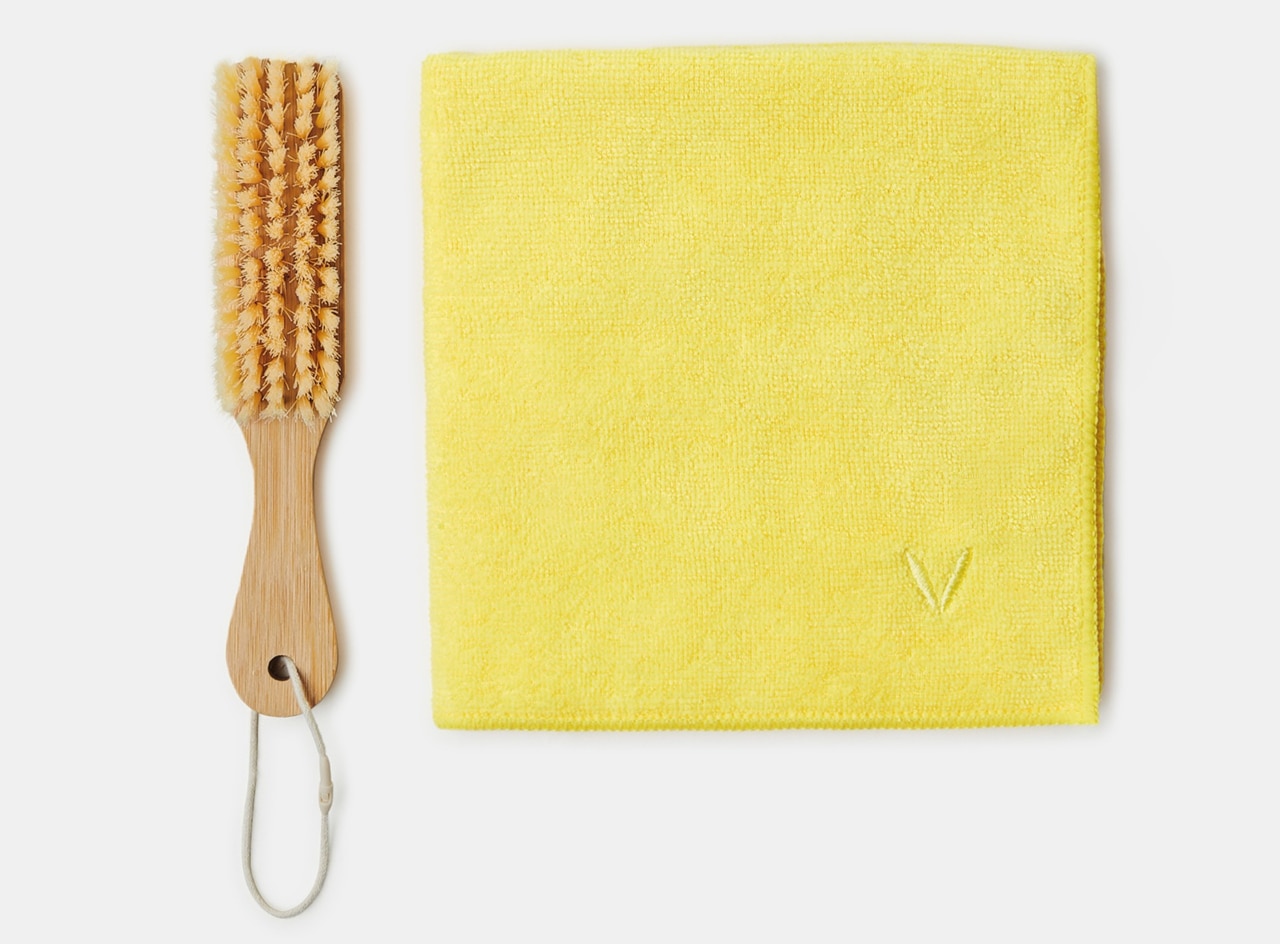
Step 1: Brush off Surface Dirt
Sweep the upper with a dry cloth or soft brush. Dried dirt lifts off easily in the wash. Wet mud dissolves and redeposits into the knit. Mistake: Tossing muddy shoes straight in.
Step 2: Remove Insoles and Laces
Wash insoles separately in a laundry bag or by hand. Remove laces to prevent them from wrapping and pulling the knit out of shape. Mistake: Leaving insoles inside, where they curl, trap moisture, and develop mildew.
Step 3: Place Shoes in a Laundry Bag
One shoe per bag, or both in one large bag. A pillowcase with a zip tie works as a stand-in. Mistake: Washing without a bag. Drum collisions damage the knit and can dent the machine interior.
Step 4: Set the Right Wash Cycle
Cold water (below 86°F / 30°C), gentle or delicate mode, low spin (400–600 RPM). Skip fabric softener; it leaves residue that blocks breathability. Mistake: Using a normal cotton cycle. High-speed spin stretches and distorts the knit.
Step 5: Use a Small Amount of Mild Liquid Detergent
Half the normal dose. Avoid powder, which does not dissolve fully in cold water and leaves white residue in the knit weave.
Step 6: Remove Shoes Immediately After the Cycle Ends
Wet shoes in a sealed machine develop a musty smell within hours.
Step 7: Air Dry Flat in a Ventilated Area
Do not hang shoes (gravity stretches wet knit). Stuff the inside with newspaper or paper towels to absorb moisture and hold shape; swap the paper every 2–3 hours. Avoid direct sunlight and all heat sources. Mistake: Using a hair dryer or placing shoes near a heater. Heat is the top cause of irreversible shrinkage in knit shoes.
How to Tell If a Brand's "Machine Washable" Claim Is Real
Five checkpoints to evaluate any washable claim before you buy.
1. Does the brand name its materials?
Specific terms like "3D knit upper" or "REPREVE recycled fiber" show a brand that understands its material performance. Vague phrases like "breathable fabric" are a yellow flag.
2. Is there an official washing guide?
Brands that stand behind the claim publish water temperature, cycle type, spin speed, bag requirements, and drying method. No instructions = weak claim.
3. What do long-term buyer reviews say?
Search the product name with "washed" and look for reviews from people who have washed the shoes five or more times. Multi-wash feedback is where the real answers are.
4. Does the return policy reflect confidence?
A brand that excludes "washing-related damage" from its warranty is acknowledging a known failure risk. Free exchanges and broad satisfaction guarantees signal higher confidence.
5. Does the brand sell or recommend wash accessories?
A dedicated wash bag or cleaning kit shows the brand has considered the full ownership experience, not only the sale.
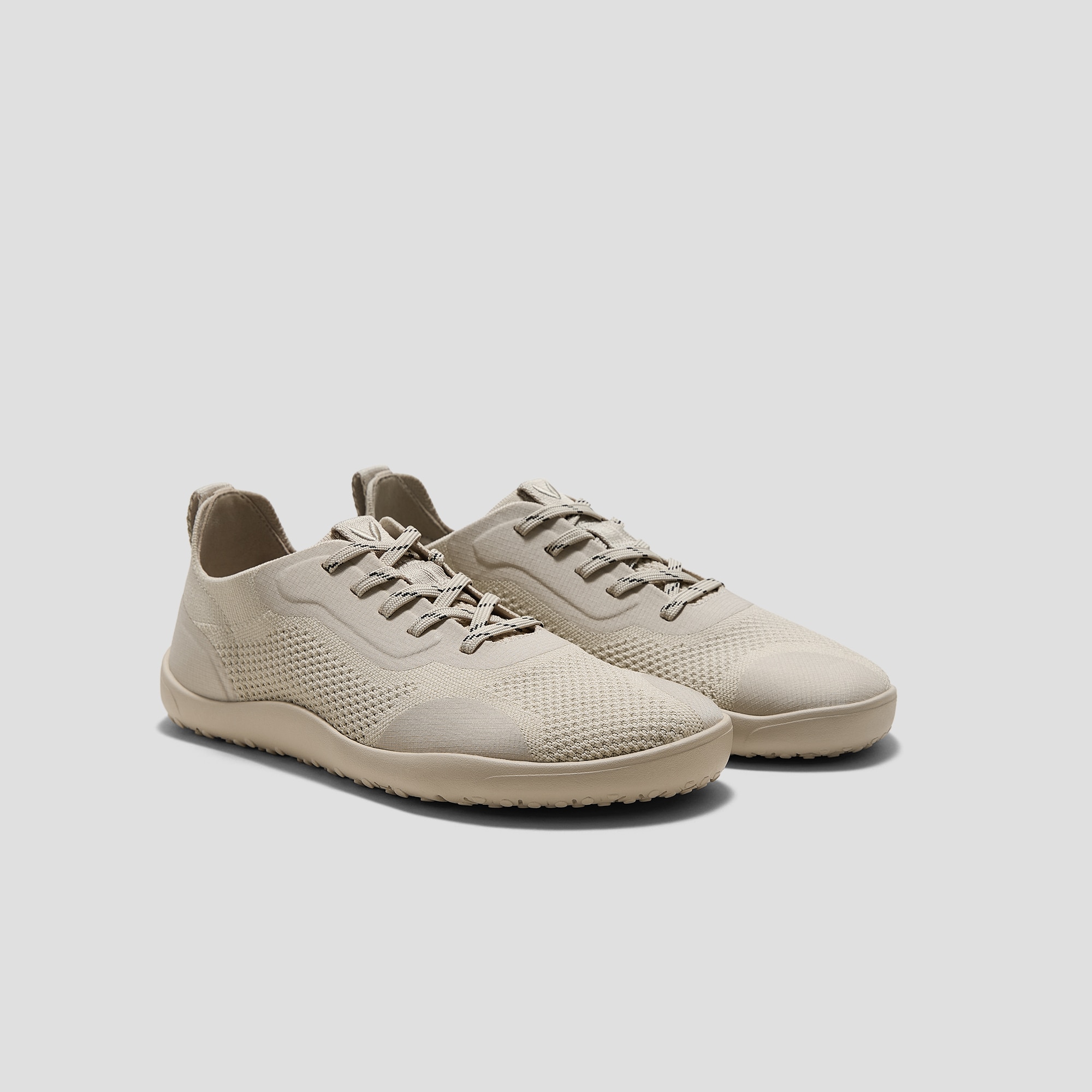
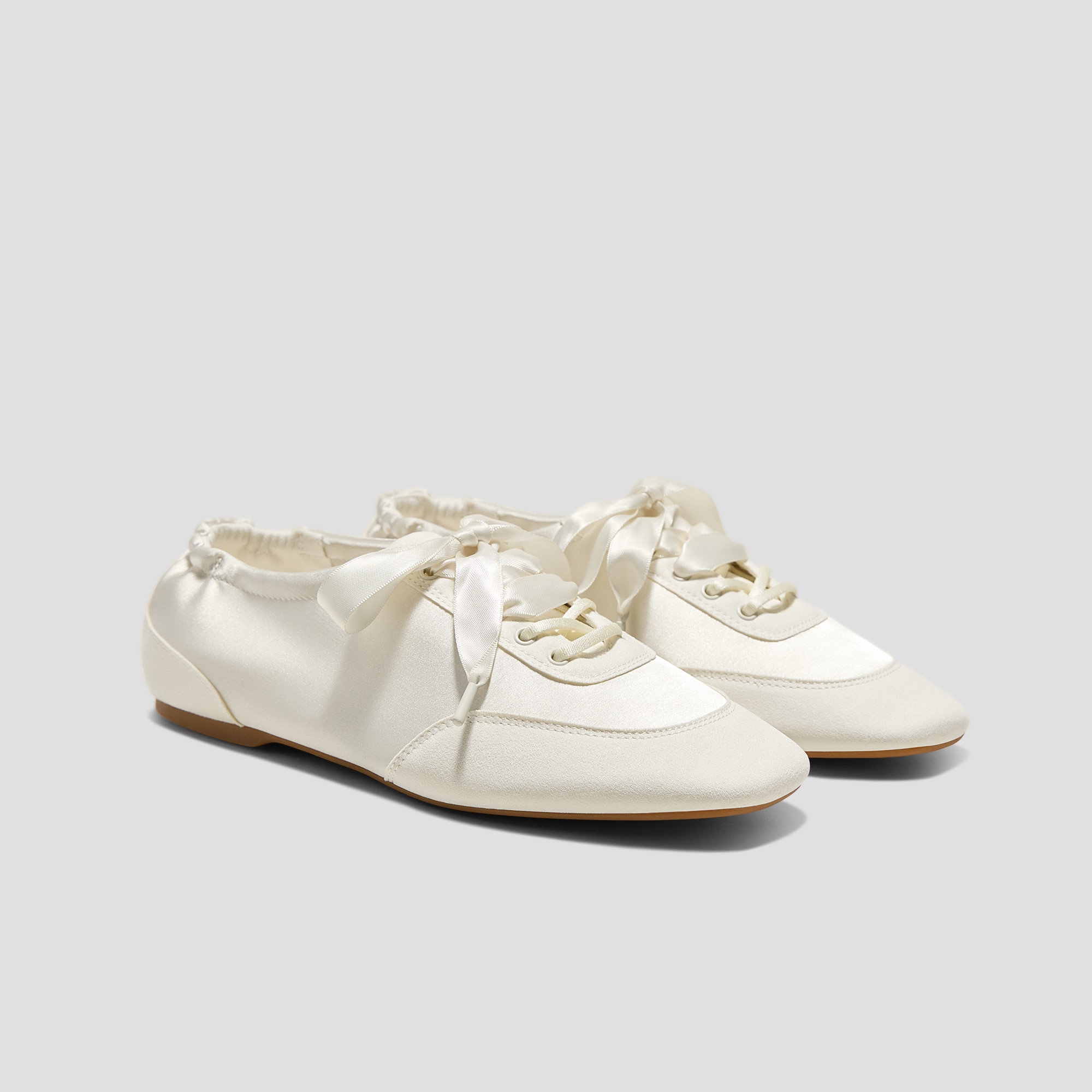


Wash, Refresh, and Flourish with VIVAIA
"Washable" shouldn't mean "wash at your own risk." The secret to shoes that look and feel brand new out of the laundry is simple: smart construction and gentle care.
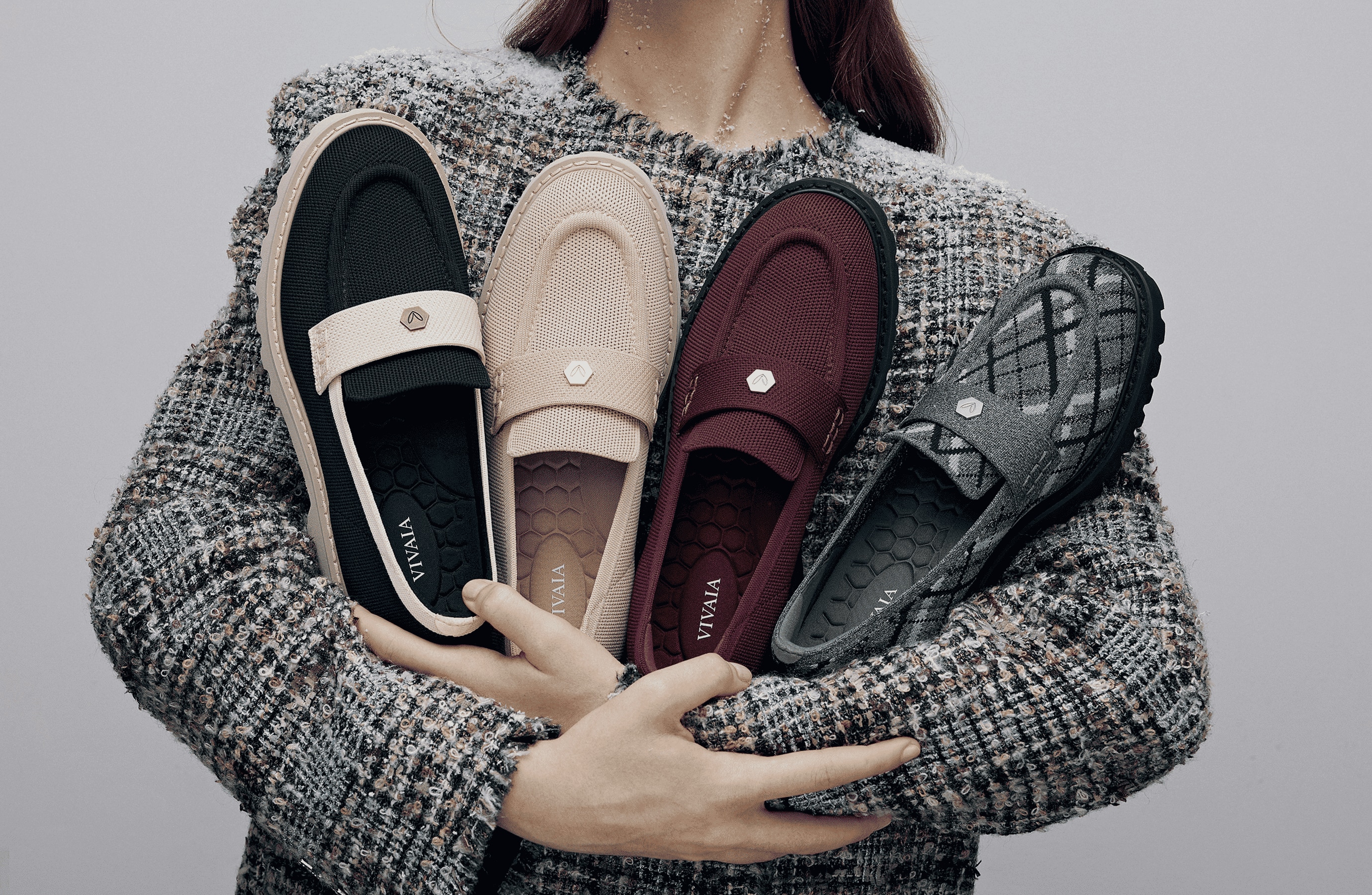
VIVAIA’s resilient mesh uppers and removable insoles are designed for effortless upkeep. A cold wash and a quick air dry help them maintain their structure and vibrant color cycle after cycle. Less time worrying about stains, more time stepping confidently into your day.
Skip the shoe-cleaning stress. Explore our washable styles, check out the quick Washing Guide, and let your everyday steps truly flourish.
FAQ
Q1: Can you hand wash shoes instead of using a washing machine?
Yes, and hand washing is gentler on the fibers. Use cold water with a small amount of mild liquid detergent. Scrub the upper lightly with a soft-bristle toothbrush, focusing on stained areas. Rinse under running cold water rather than soaking. Dry the same way as after machine washing: flat, ventilated, stuffed with paper. Hand washing works best for spot cleaning; machine washing is better for a full clean.
Q2: How often should you wash washable shoes?
For daily commute shoes worn three to four times a week, every four to six weeks is a good cadence. After travel or heavy walking days, wash soon after. If noticeable odor develops, wash right away. Weekly washing is unnecessary for most wear patterns and accelerates fiber wear.
Q3: What do you do if your washable shoes shrink after washing?
For mild shrinkage, put them on while still slightly damp and walk for 10–15 minutes. Body heat and foot shape help the fibers stretch back. A shoe stretcher inserted during air drying also helps. Severe shrinkage is usually permanent and almost always results from hot water or dryer use.
Q4: Can you wash shoes with other clothes in the same load?
Not recommended. Shoes are heavy enough to damage clothing in the spin cycle, sole dirt transfers to garments, and shoes typically need different settings. If you must combine, seal shoes in a laundry bag and use the gentler cycle.

© VIVAIA All Rights ReservedTerms of Service - Privacy Policy -