





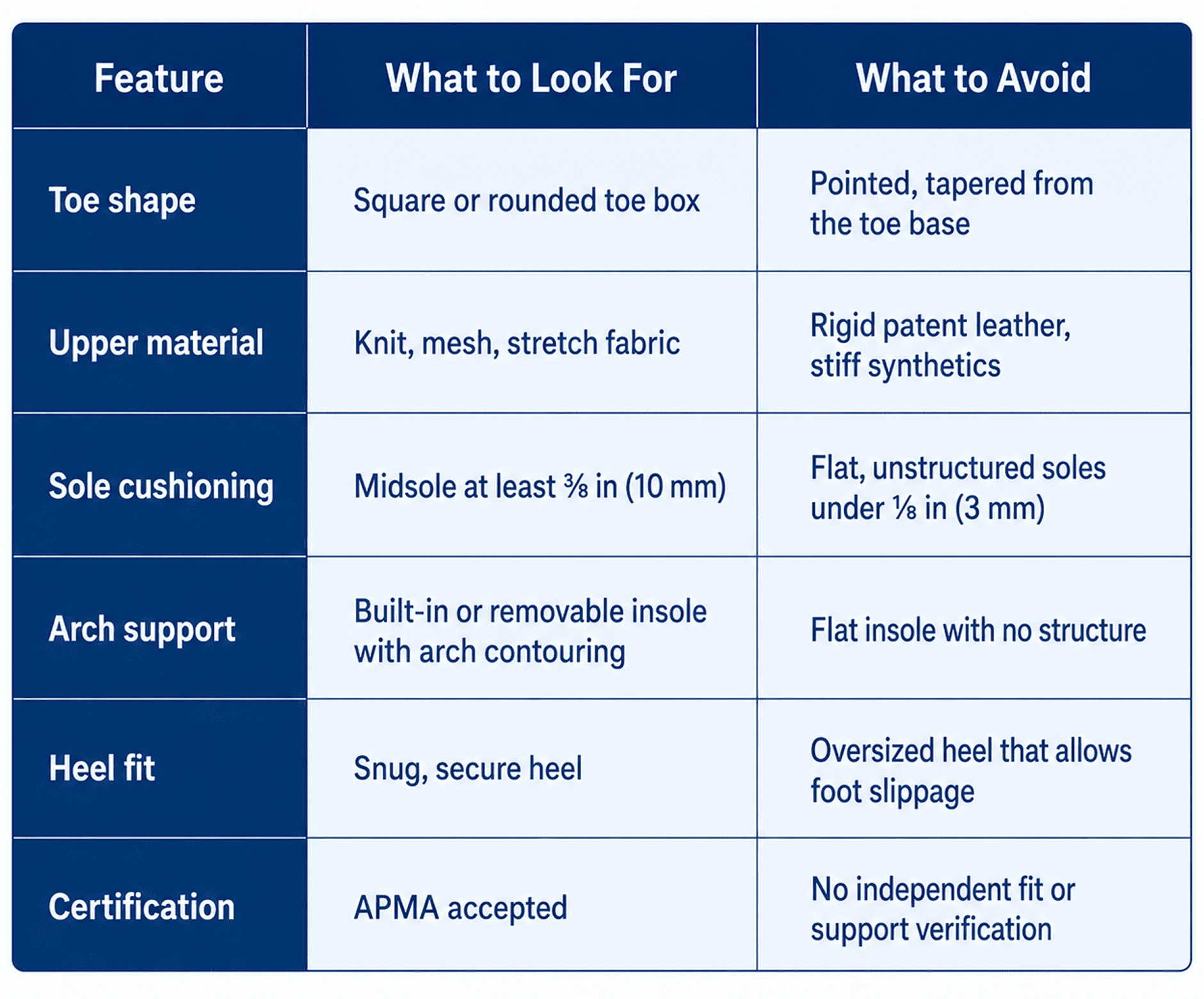
Quick Reference: What Bunion-Friendly Shoes Actually Need
What Bunions Actually Need From a Shoe (and What Makes Them Worse)
A bunion, medically called Hallux Valgus, affects an estimated 23-35% of adults, with higher rates among women, largely due to footwear choices accumulated over years.
Three Ways Shoes Affect Bunions
1. Compression at the protrusion point. When the shoe upper presses directly against the bunion, it creates friction, redness, and pain. The toe box shape is the most direct variable. Pointed shoes push the big toe inward, adding lateral pressure directly onto the bunion and accelerating misalignment.
2. Lateral squeeze across the forefoot. A narrow last compresses all the toes toward the center. This abnormal pressure distribution affects not just the bunion but the surrounding tissue, the plantar fascia, and sometimes the Achilles tendon further up the chain.
3. Vertical load on the forefoot. High heels shift body weight forward onto the ball of the foot, which is exactly where the bunion sits. This is why discomfort increases sharply in heels above 2 in (5 cm), even when the toe box is relatively wide.
Three Features That Reduce Bunion Discomfort
1. A square or wide toe box: Enough internal horizontal space for the big toe to lie flat without being pressed sideways. Square-toe shoes are currently the most bunion-compatible silhouette in the fashion market, and one of the strongest shapes in fashion right now. The rectangular geometry that makes them so visible on the runway is exactly what gives your forefoot room.
2. A soft, flexible upper: Rigid or non-stretch materials create fixed pressure points at the bunion. Knit, mesh, or stretch fabrics adapt slightly to the foot's shape and reduce concentrated friction. Knit uppers also read as intentional and modern rather than orthopedic.
3. Arch support and forefoot cushioning: Proper arch support improves overall gait mechanics and reduces impact load on the forefoot with each step. A midsole of at least ⅜ in (10 mm) makes a measurable difference in how the forefoot feels after extended walking.
Designs to Avoid
● Pointed toes
● Stiff, non-stretch uppers
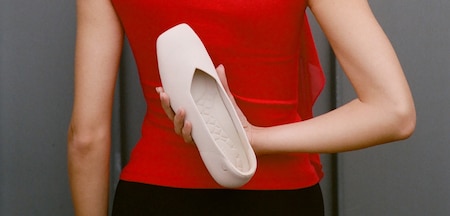
● Ultra-thin soles with no cushioning (classic ballet flat construction)
● Interior seams positioned directly at the bunion prominence
Why Most "Wide Fit" Shoes Miss the Point
"Wide fit" and "wide toe box" are not the same thing, and confusing them leads to buying shoes that still hurt.
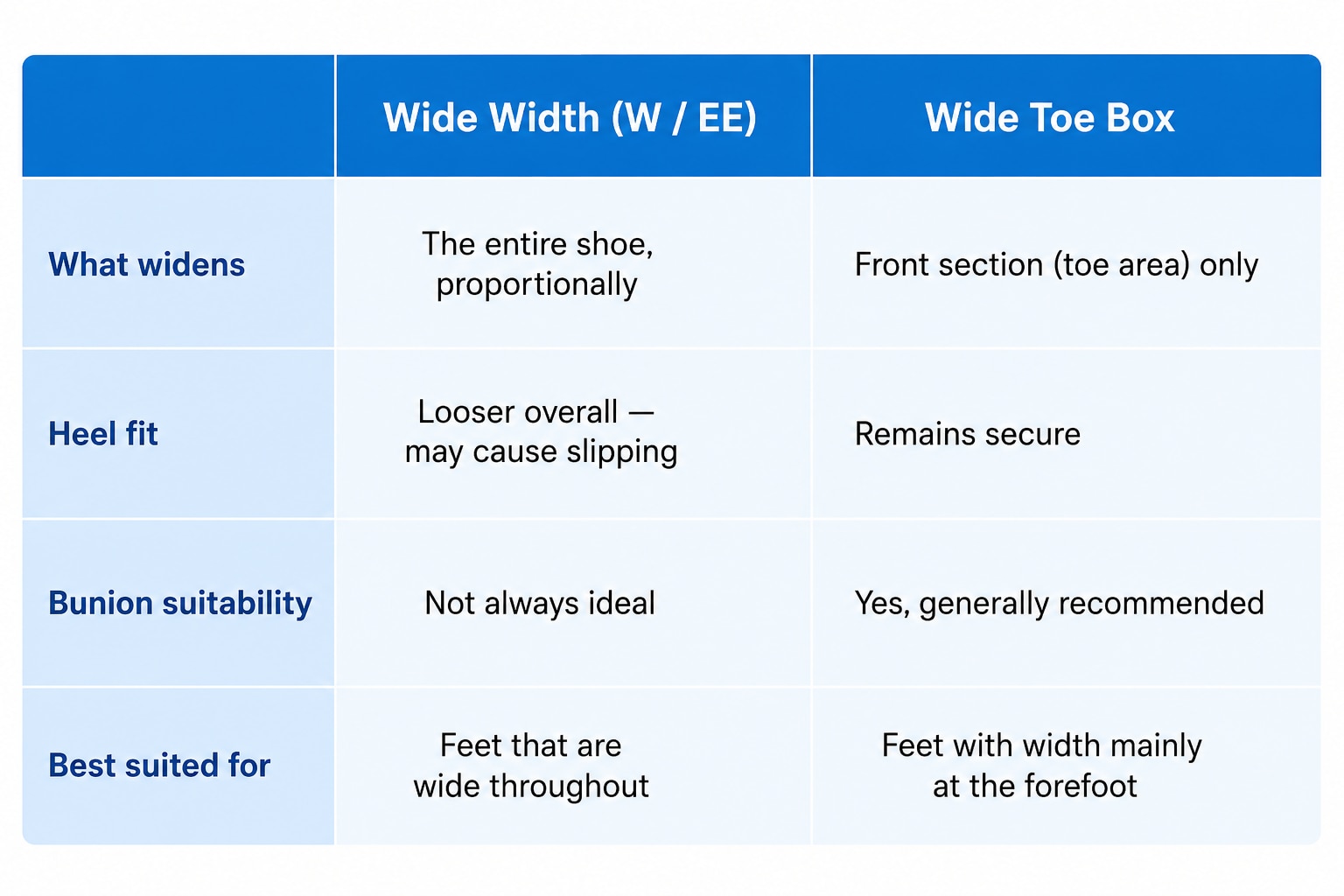
Wide Width vs. Wide Toe Box
Wide width (often labeled W or EE) scales the entire shoe proportionally: heel, midfoot, and toe box all expand together. If your foot is only wider at the forefoot, which is the typical bunion foot shape, a wide-width shoe gives you excess room at the heel. That extra space means your heel moves around inside the shoe and creates friction at a completely different location.
Wide toe box means only the front section of the shoe has generous horizontal space, while the heel and midfoot remain fitted. That's the structure bunion-prone feet actually need: roomier at the front, secure at the back.
Why Square-Toe Designs Work Better
A square toe box has a rectangular interior rather than a triangular one. The geometry is straightforward: a rectangular toe box gives the forefoot room to sit naturally, whether or not square toes happen to be in fashion.
The material factor matters equally. A square-toe shoe made from rigid leather can still create pressure at the bunion protrusion. A knit or 3D-woven upper in the same shape will flex slightly where needed and distribute pressure more evenly.
The Shoe Styles That Work Best for Bunions and Wide Feet
Bunion Compatibility by Style
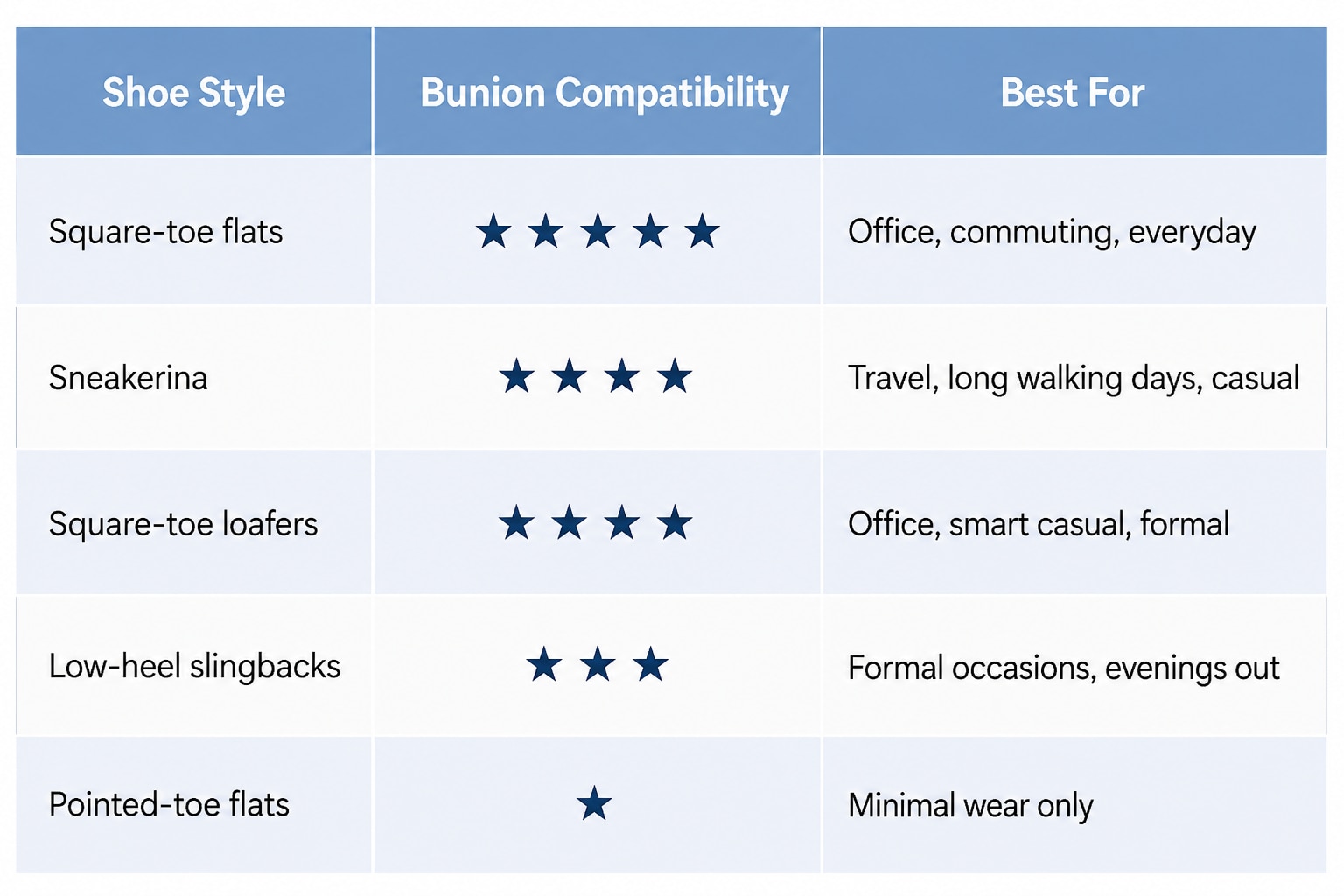
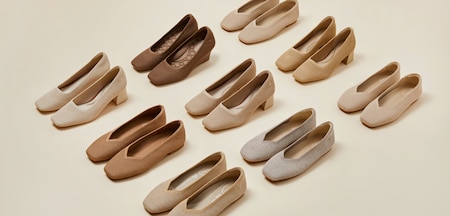
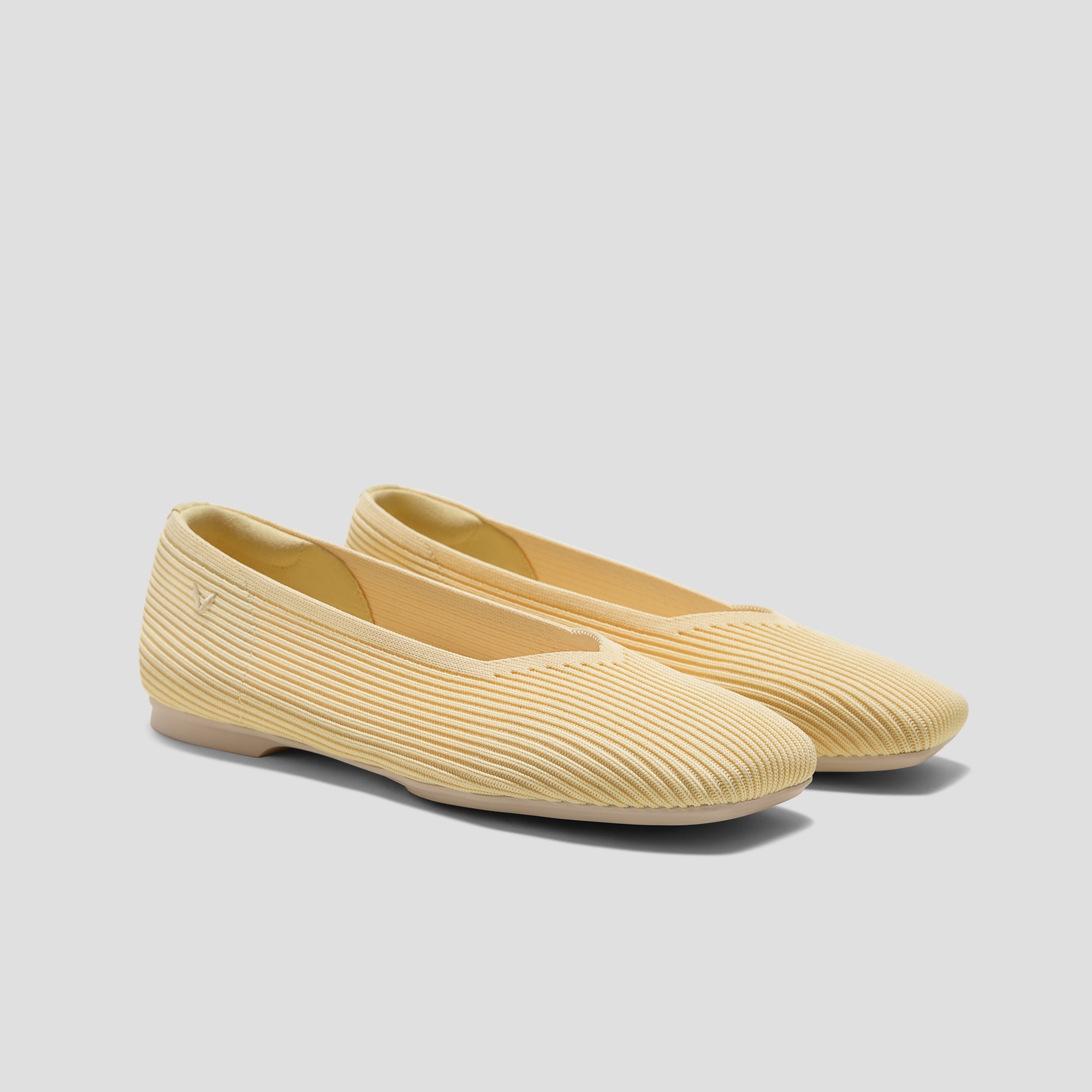
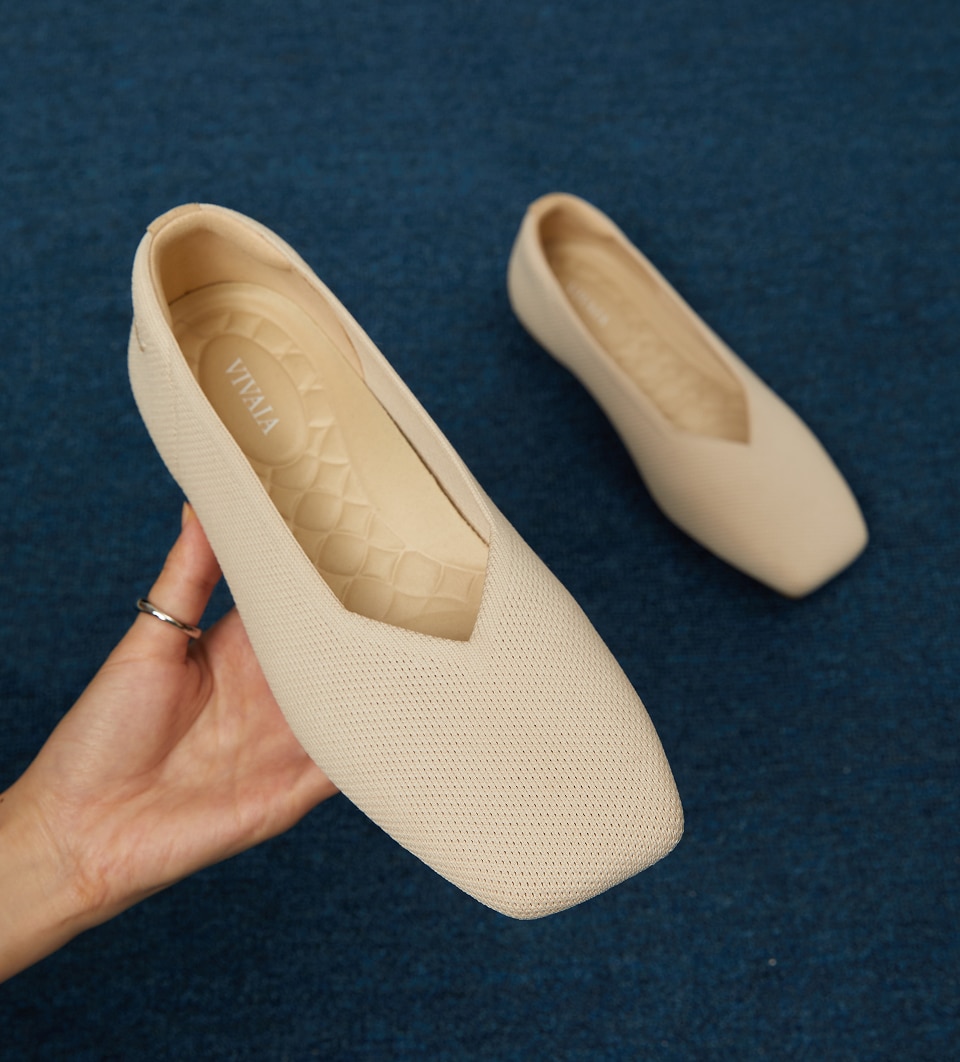
Square-Toe Flats
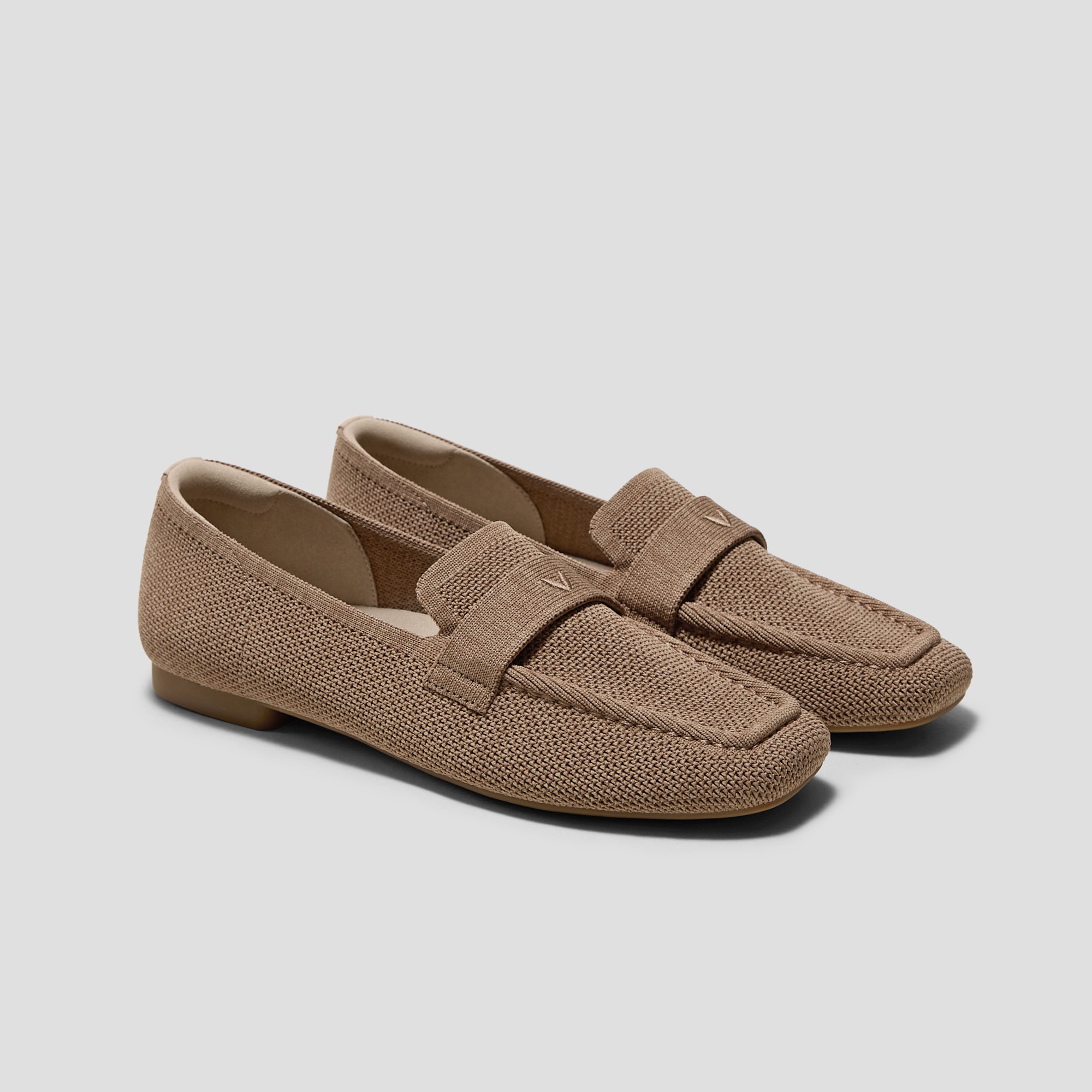
The most versatile option for daily wear, and currently one of the cleaner silhouettes in the market. The square geometry provides forefoot space, the flat sole keeps weight distribution even, and the low profile pairs equally well with tailored trousers and weekend denim.
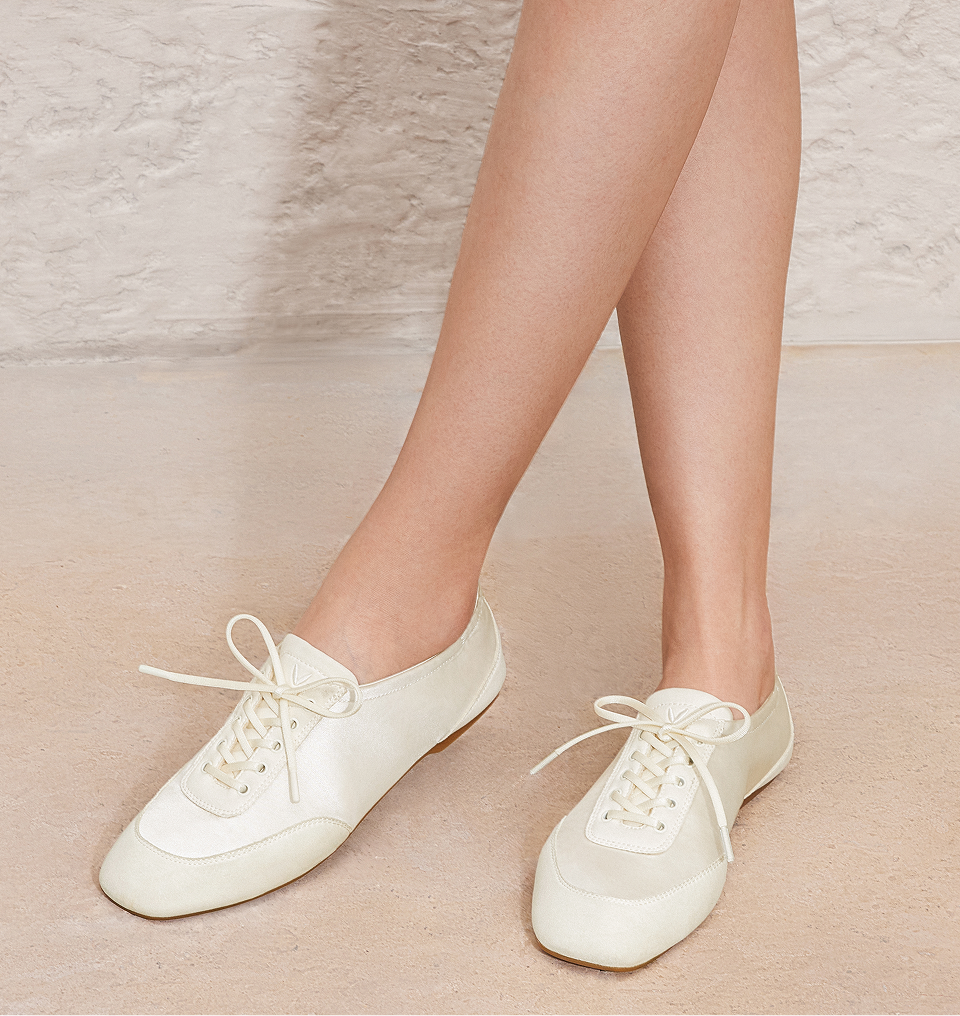
Sneakerina
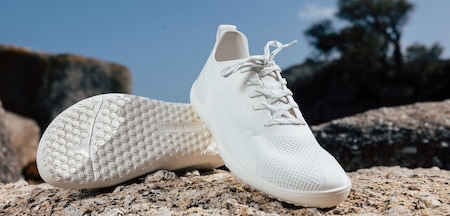
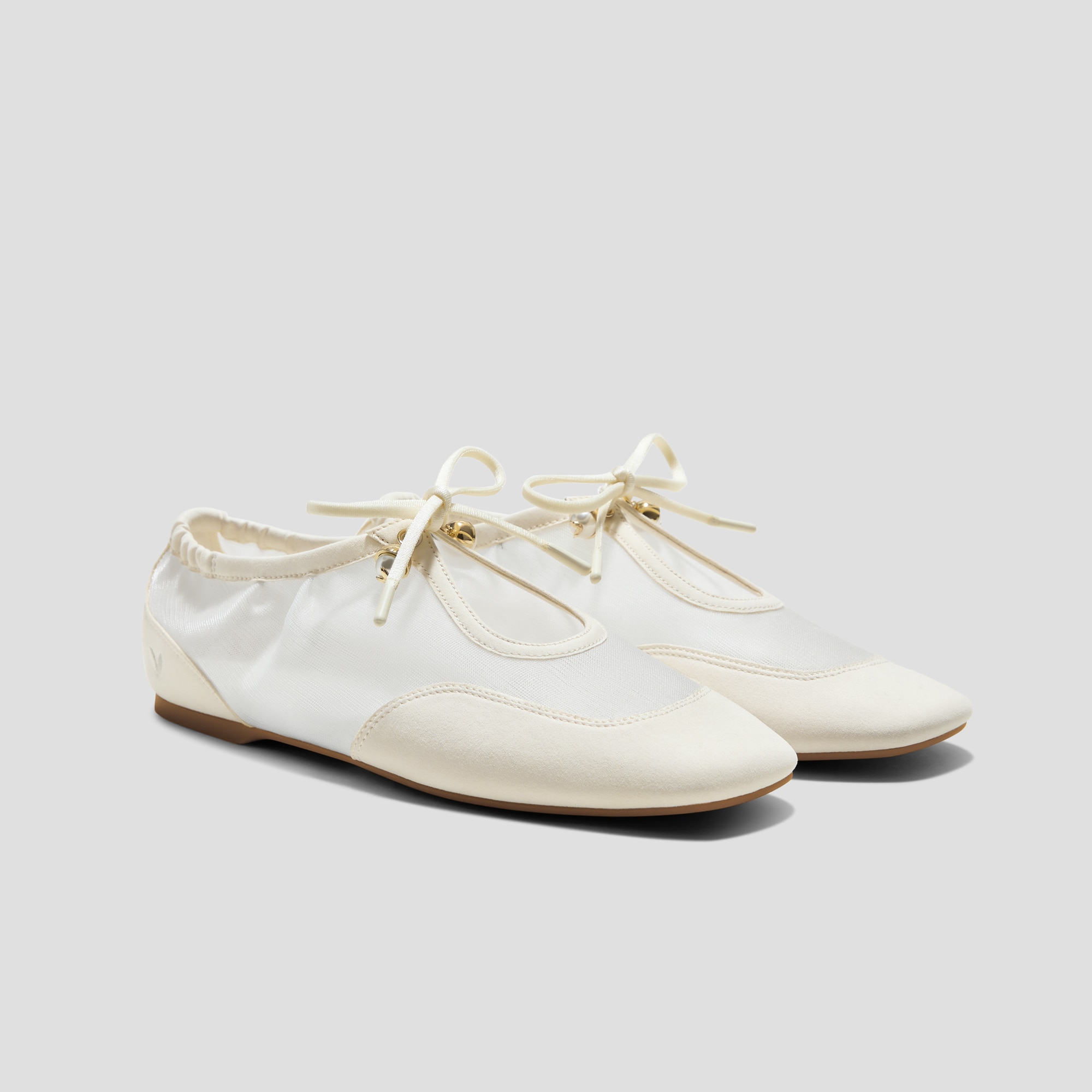
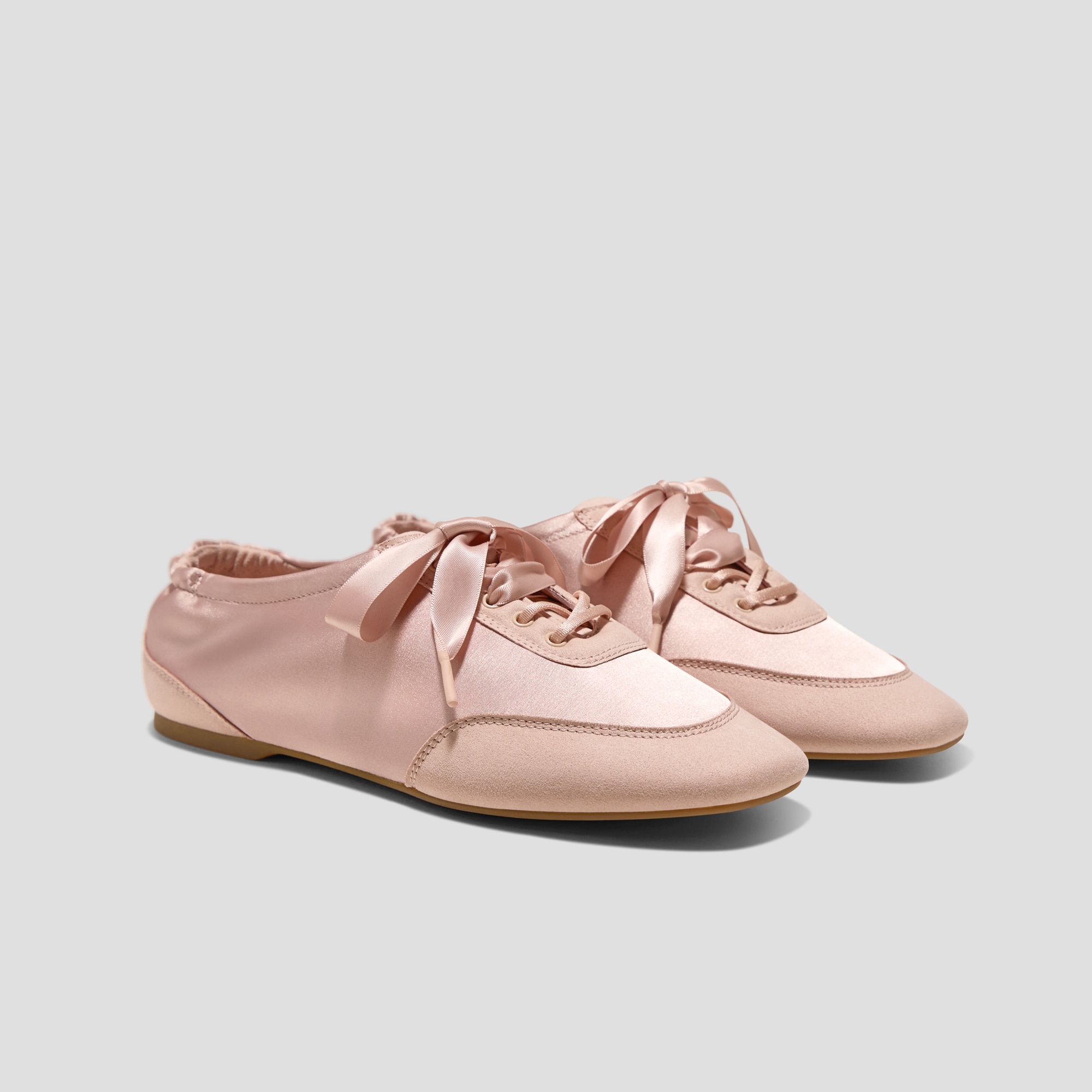
Better than traditional ballet flats for bunion-prone feet for three specific reasons: the last is wider, closer to a sneaker fit; the midsole provides real cushioning of ⅜ in (10 mm) or more, which reduces forefoot impact; and knit uppers flex where needed. The silhouette leans fashion-forward rather than athletic, which means it works with a wider range of outfits than a standard trainer.
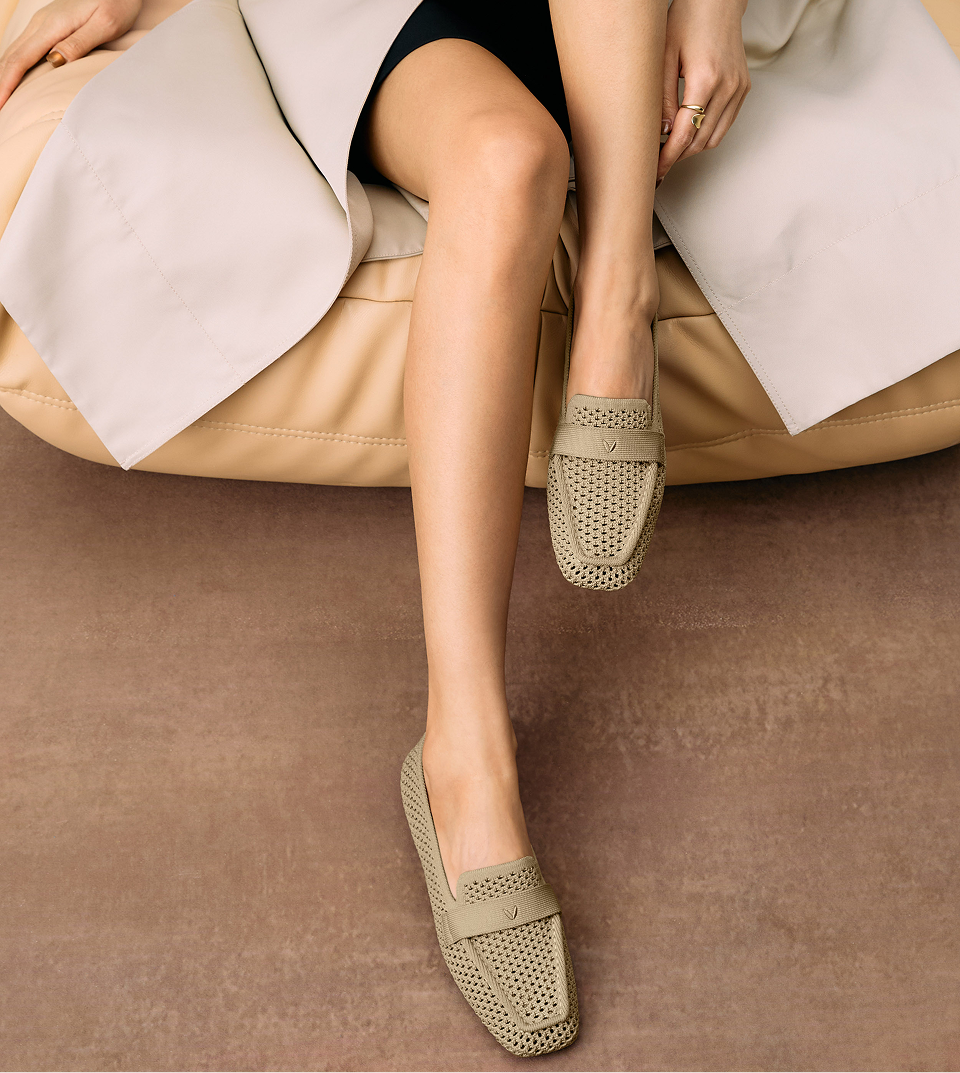
Square-Toe Loafers
The heel counter structure in a loafer keeps the foot more secure than a ballet flat, reducing the internal sliding that causes repeated friction at the bunion. A structured back combined with a wide front is a reliable combination for occasions that require something more polished.
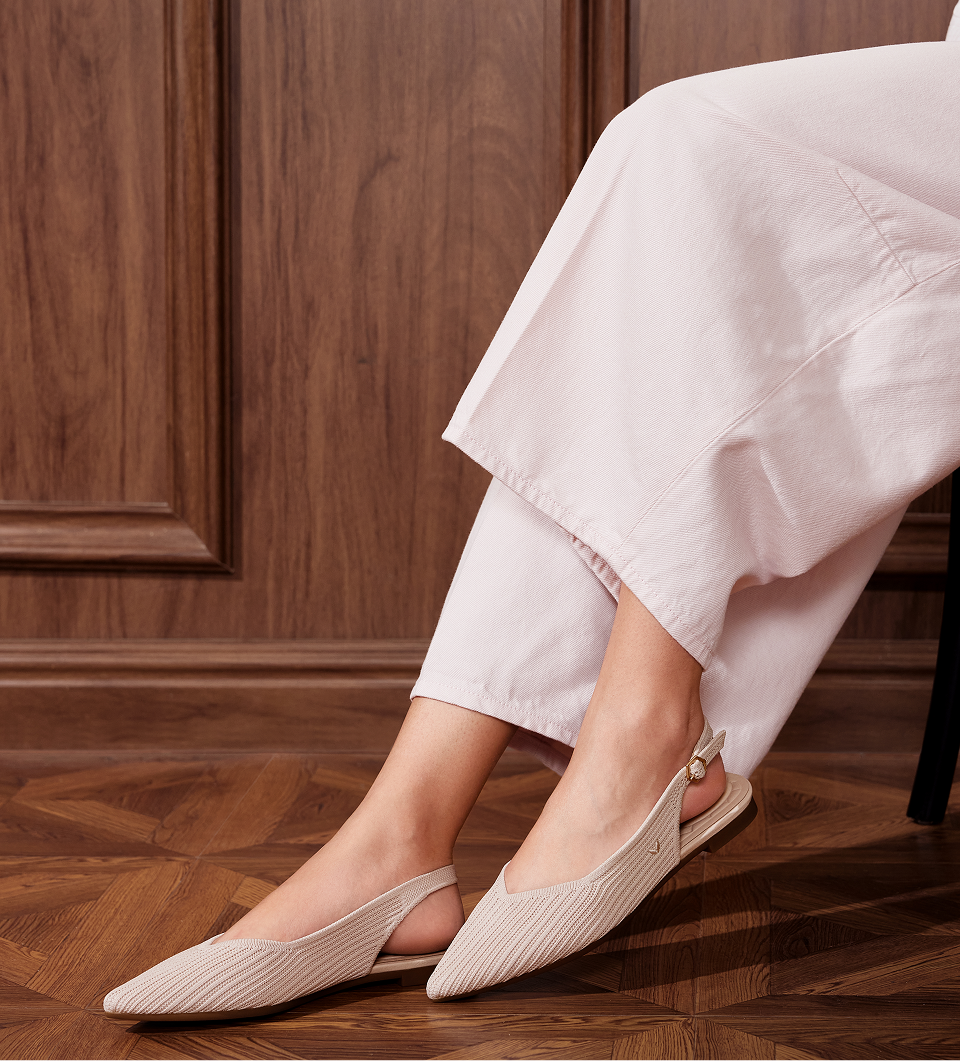
Low-Heel Slingbacks with Adjustable Straps
If a heeled shoe is needed, an adjustable slingback is more manageable than a full-coverage pump. The strap can be loosened to relieve pressure at specific points, and the open back reduces overall foot compression. Keep heel height at or below 2 in (5cm). A block or square heel distributes weight more evenly than a stiletto.
What to Check Before You Buy
1. Does the toe box have actual rectangular space? Look at the shoe from directly in front. Check whether the interior is genuinely rectangular at the toe or just slightly less tapered. Many shoes marketed as square-toe still narrow significantly inside.
2. Is the upper material flexible? Words like "knit," "woven," "mesh," or "stretch" in the product description indicate the upper will flex at pressure points. "Patent leather" or "lacquered finish" typically means less give.
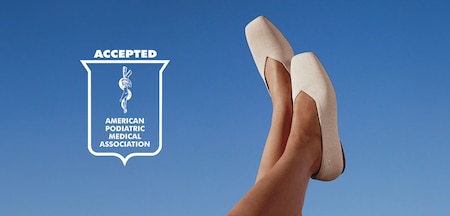
3. Is there documented arch support? A flat insole with no contouring doesn't support the arch. Check for terms like arch support or cushioned insole in the description. APMA acceptance is the most reliable independent marker.
4. Where are the internal seam lines? Internal seams near the big toe joint will rub against the bunion protrusion with every step. In product photos, look for unlined or seamless interiors. In reviews, search for "seam" or "rubbing."
5. What is the return policy? Bunion feet respond differently to the same shoe than standard feet do. A free return or exchange policy removes the risk from trying something new.
Finding Shoes That Actually Fit
Bunions and wide feet don't require choosing between shoes that look good and shoes that feel good. Square-toe geometry, flexible knit uppers, and real arch support can coexist in the same pair.
VIVAIA's Margot 3.0 holds up across each of these points: a square toe with an updated wider last designed specifically to accommodate wide feet and bunions, a 3D Eco-Knit upper with natural flex, an Artemisia insole with built-in arch support, APMA acceptance across multiple styles, and a straightforward exchange policy. Browse VIVAIA to see what that combination looks like in practice.
Frequently Asked Questions
Q1: Can wearing the right shoes stop a bunion from getting worse?
The right shoes won't reverse an existing bunion, but they can meaningfully slow its progression. Continuous pressure and lateral squeezing are the main drivers of worsening misalignment, and footwear is the most consistent daily factor affecting both. If pain is already affecting how you walk, a podiatrist consultation alongside better footwear is the more complete approach.
Q2: Are pointed-toe shoes always bad for bunions?
Not categorically. Some pointed-toe shoes taper only at the very tip, leaving adequate space in the area where the big toe actually sits. The issue is when the shoe narrows starting from the base of the toe box, which is the most common pointed-toe construction. Check the shoe from the front and assess whether there's horizontal space at the widest part of your forefoot, not at the tip.
Q3: Are flat shoes always better than heels for bunions?
Generally yes, but the heel height threshold matters. A heel at 1–1.5 in (3–4 cm) in a wide-toe-box shoe puts relatively limited extra load on the forefoot. The more problematic design is a heel above 2 in (5 cm) combined with a narrow last, which shifts full body weight forward onto the bunion area. If heels are needed, a block heel under 2 in (5 cm) in a wide-toe shoe is a practical middle ground.
Q4: Do toe separators or bunion pads help when worn inside shoes?
Silicone toe separators can provide cushioning between toes and some pressure relief for mild bunions, particularly in wider shoes where there's space to accommodate them. They don't correct bone position. If the shoe is already fitted closely, adding a pad or separator reduces the available space and can increase pressure rather than reduce it.
© VIVAIA All Rights ReservedTerms of Service - Privacy Policy -