





Quick Reference: Loafer Styling by Outfit Type
Why Loafers Work in Spring 2026
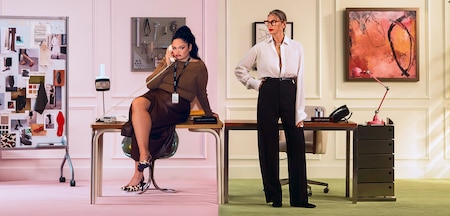
The loafer's position in 2026 isn't random. Dressing habits have been shifting away from the pandemic-era full-casual default (the constant rotation of sneakers and athleisure) toward what fashion circles are calling "intentional polish": dressing more deliberately without returning to formal footwear. Loafers sit exactly at that intersection. They carry enough visual weight to look considered, without the fatigue of a heel.
The Silhouettes Getting the Most Attention
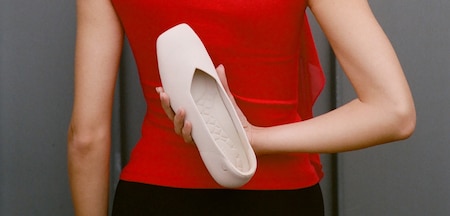
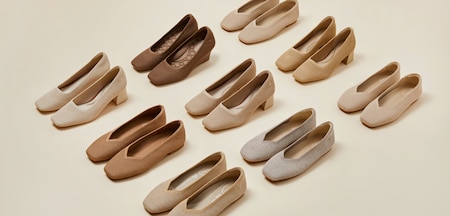
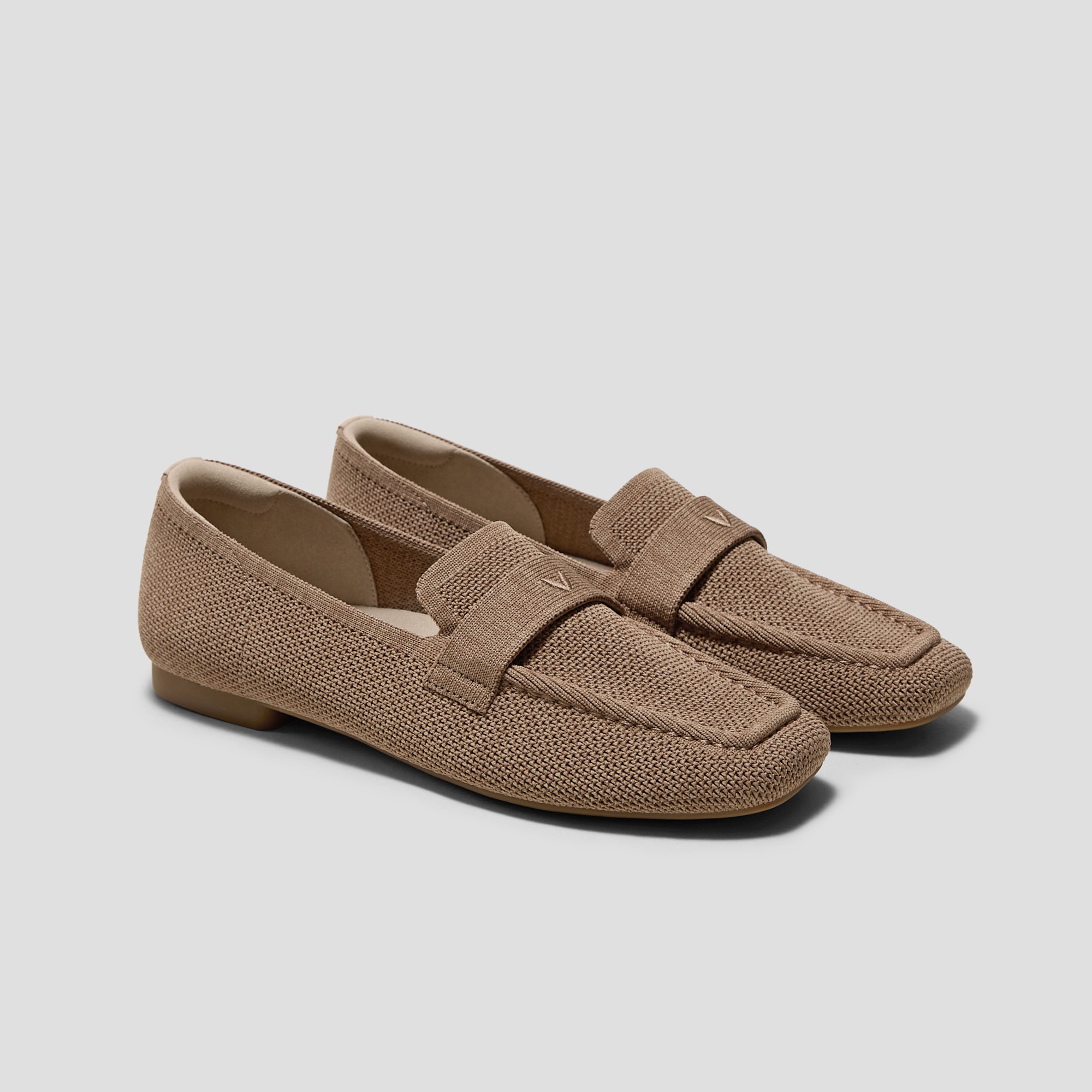
● Square toe. This is the detail separating a current loafer from a dated one. The geometric shape reads modern rather than conservative, and it's the silhouette getting consistent attention heading into spring 2026. A rounded toe still works and reads classic. A heavily pointed toe leans toward formal in a way that fights the relaxed polish loafers are supposed to bring.
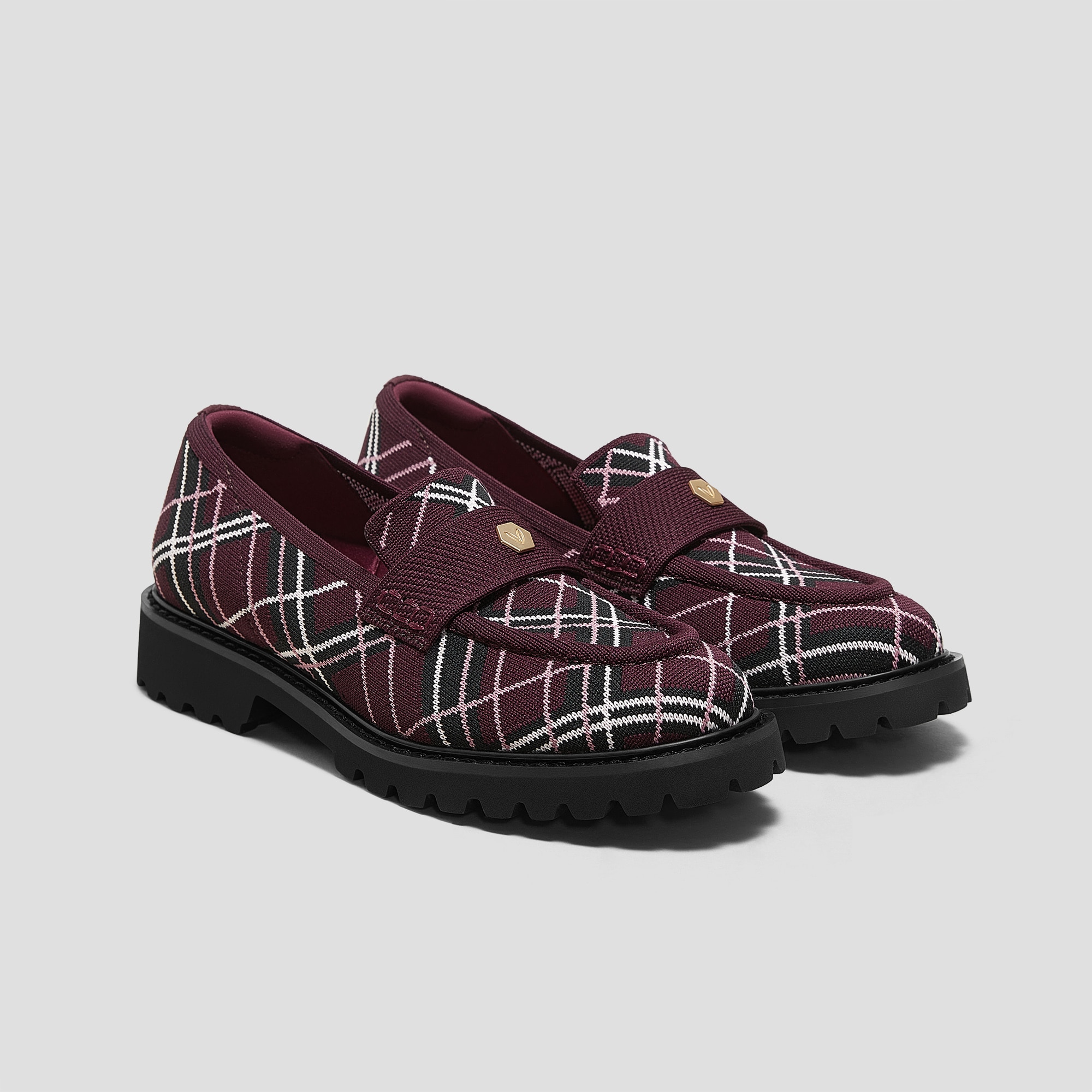
● Streamlined, low-profile construction. Chunky platform soles are fading. The loafers getting traction in 2026 are sleek and close to the ground, which also makes them more versatile across outfit types.
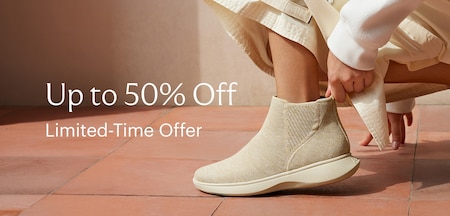
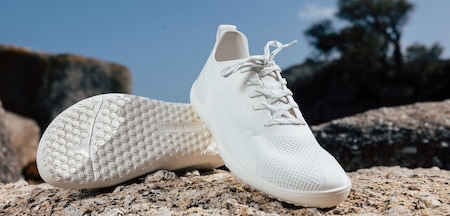
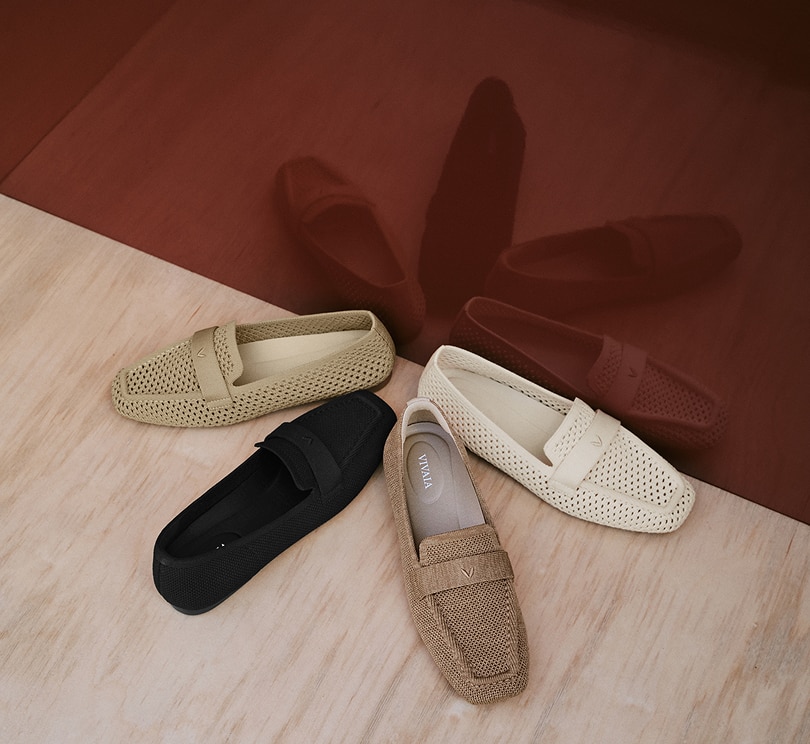
● Material variety. Leather remains the standard. Knit and mesh constructions are gaining attention because they combine the visual silhouette of a loafer with comfort closer to a sneaker, relevant for anyone planning to wear them for more than two hours.
Why Loafers Don't Expire
The loafer has been in rotation across multiple decades and fashion cycles. It's a shape that sits at the exact intersection of formal and casual without fully belonging to either. Buying a well-made pair now carries far less trend risk than most spring 2026 recommendations, because a good loafer outlasts the season it was purchased in.


The One Detail That Makes or Breaks a Loafer Outfit
Most loafer styling advice focuses on what to pair them with. The more useful question is how the shoe shows up in the outfit, and that comes down to how much of the shoe is visible.
Expose Your Ankles
A loafer's visual impact depends on the shoe being seen. The upper (the visible top part of the shoe) carries the design. If the hem of your pants covers it, the loafer disappears and you're left with just a toe peeking out. The goal is to make sure the full upper is visible, which means managing hem length before anything else.
The measurement that works consistently: hem landing at or just above the inner ankle bone. That position shows the full shoe, creates a small gap of skin or sock that separates the pant from the shoe, and visually extends the leg line.
How This Plays Out With Different Bottoms
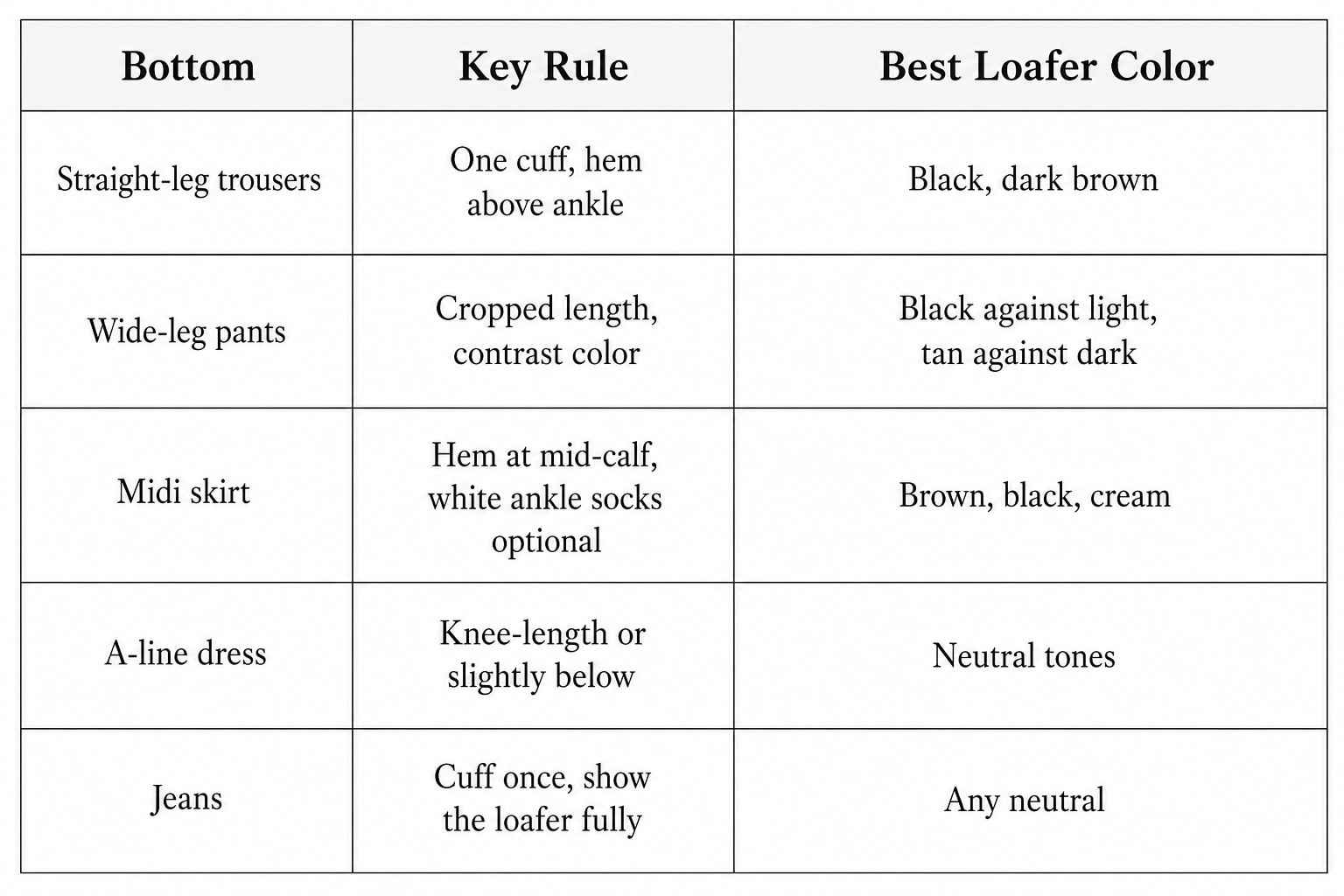
● Straight-leg or tapered trousers: One clean cuff. A single fold puts the hem right above the ankle and resolves the length issue in seconds.
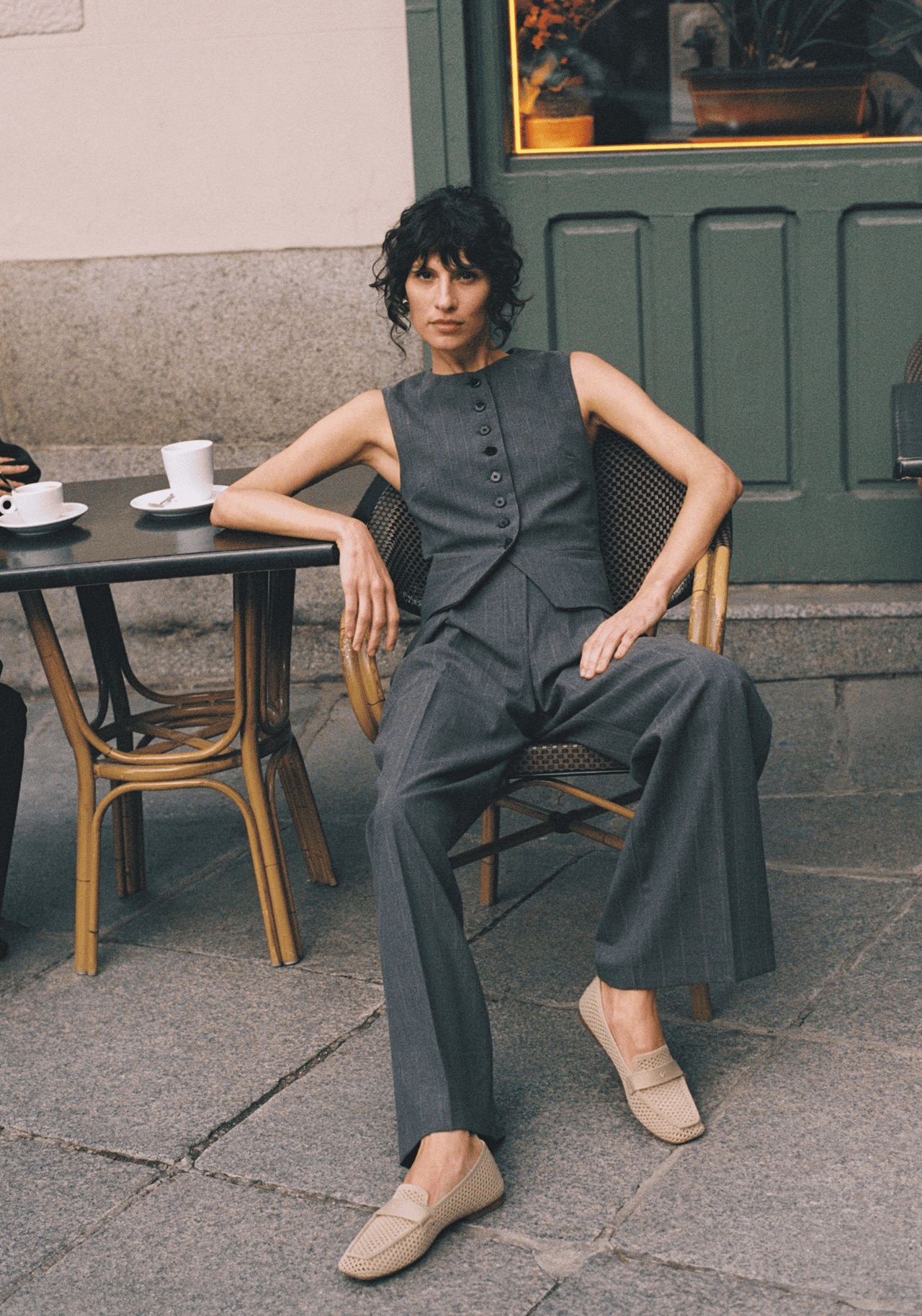
● Wide-leg pants: This is where most people struggle. Full-length wide-leg pants pool over a flat shoe and swallow it entirely. The fix is cropped-to-ankle wide-leg pants (not floor-length), or a single outward fold at the hem. The other non-negotiable is color contrast. A light loafer under cream linen pants vanishes. A dark loafer under the same pants creates the visual boundary that makes both the pant and the shoe readable.
● Midi skirts: The skirt hem landing at mid-calf leaves a stretch of leg between the hem and the shoe. That gap is doing work: it keeps the proportion from feeling heavy at the bottom. A hem too close to the ankle compresses everything and shortens the leg visually.
Socks as a Styling Layer
Ankle socks with loafers stayed relevant through 2025 and into 2026. Two options worth knowing:
● White ankle socks: Adds a visual layer and a break between the hem and the shoe. Reads deliberate rather than accidental. Pairs especially well with midi skirts and A-line dresses.
● Skin-tone ankle socks: Maintains the appearance of bare legs while protecting the inside of the shoe. Cleaner look, better for warmer days.
One rule: the sock top should not go above the inner ankle bone. Higher than that and it interrupts the proportions the whole outfit is built on.
Five Outfits That Work With Loafers
Look 1: Office-Ready Straight-Leg Trousers
● What to wear: Dark straight-leg trousers (navy, charcoal, or black) in a 9/10 length, or full-length with one cuff. Loose white or light-colored button-down, front half tucked into the waistband. Black or dark brown square-toe loafer. Structured tote or small top-handle bag.
● Why it works: The half-tuck defines a waist without requiring a fitted top. The silhouette stays clean without looking stiff. The loafer carries enough visual formality to make this work-appropriate without being severe.
Look 2: Weekend Jeans and a Relaxed Top
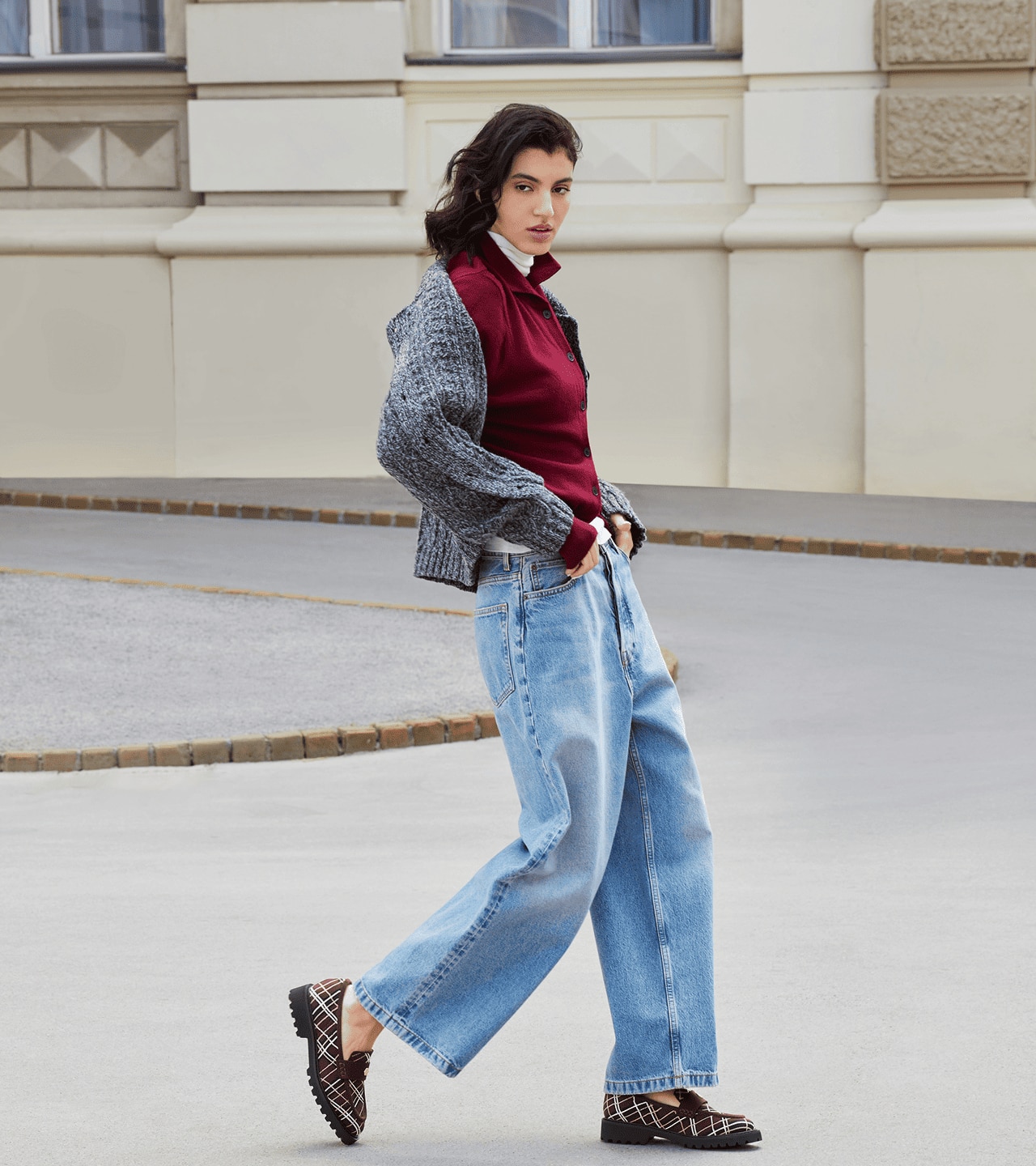
● What to wear: Straight-leg or slightly tapered jeans, cuffed once at the ankle. Oversized cotton button-down or wide-rib knit, one corner of the hem tucked in casually. Cream or oat-colored square-toe loafer. Thin-strap small bag or canvas tote.
● Why it works: An oversized top with no tuck tends to read like an unfinished outfit. One corner tucked in signals intention. It's a small change that makes the whole look feel deliberate. The light-colored loafer against denim works because the contrast is built into the fabric choice.
Look 3: Spring Dress
● What to wear: A-line or relaxed-fit dress, knee-length or slightly below. Solid color or small print. Brown or black loafer. White ankle socks. Small crossbody or structured mini bag.
● Why it works: Dress plus loafer plus white ankle sock is a combination that consistently reads as considered rather than casual. The white sock creates a transition between the dress hem and the shoe that prevents the look from going flat. Skip the white sock if the temperature calls for it; bare leg works too, especially with solid-color dresses.
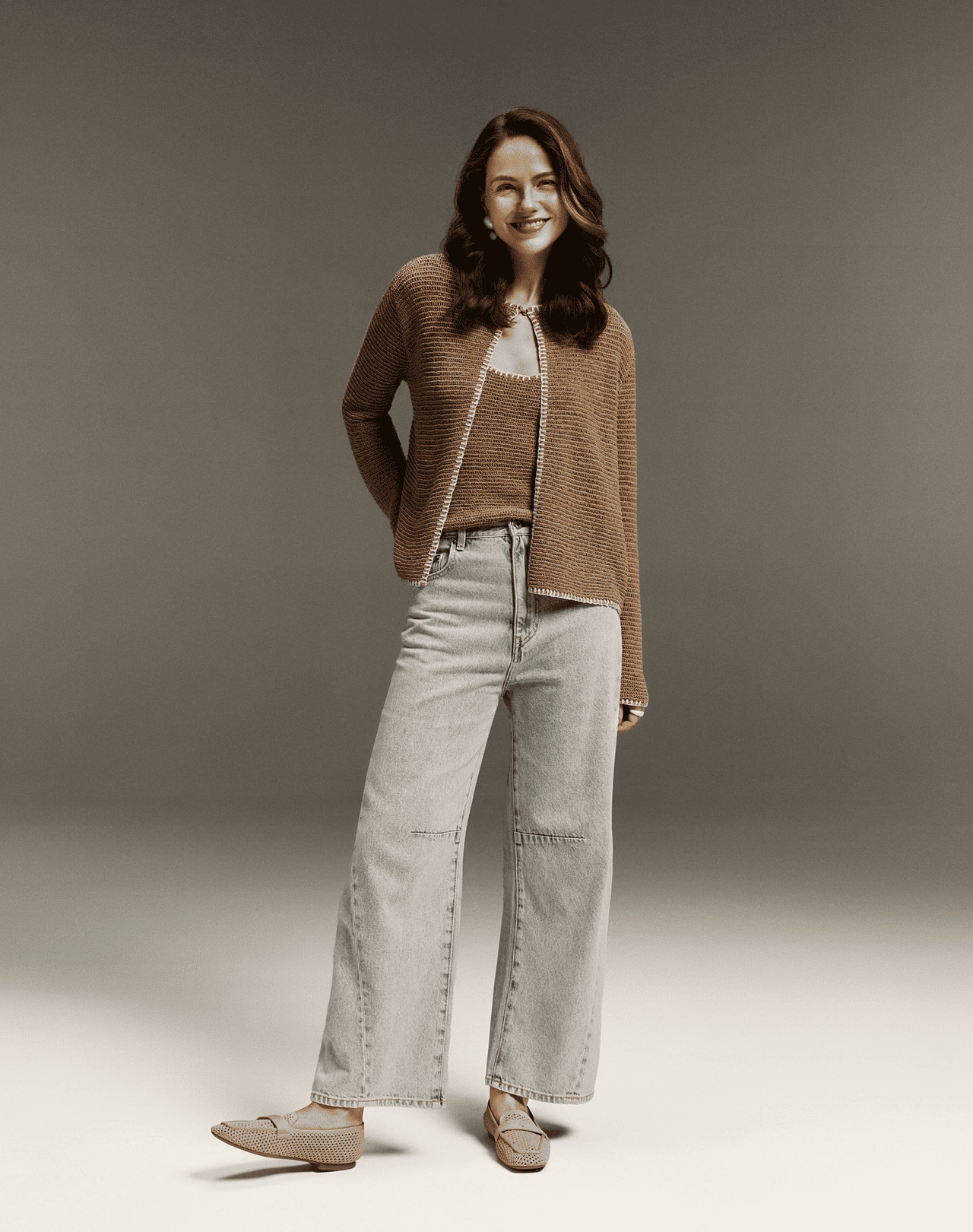
Look 4: Wide-Leg Pants
● What to wear: Ankle-length wide-leg pants in a light neutral (linen-weight, beige, cream, or soft tan). Fitted sleeveless top or slim ribbed knit, fully tucked in. Dark loafer in black, deep brown, or chocolate, clearly contrasting the pant color.
● Why it works: Two things have to be right for wide-leg pants and loafers to land: the pant length (ankle, not floor) and the color relationship (clear contrast, not tonal). When both are correct, the loafer grounds the volume of the pant and the silhouette reads intentional. When either is off, the whole outfit starts to read as underdressed.
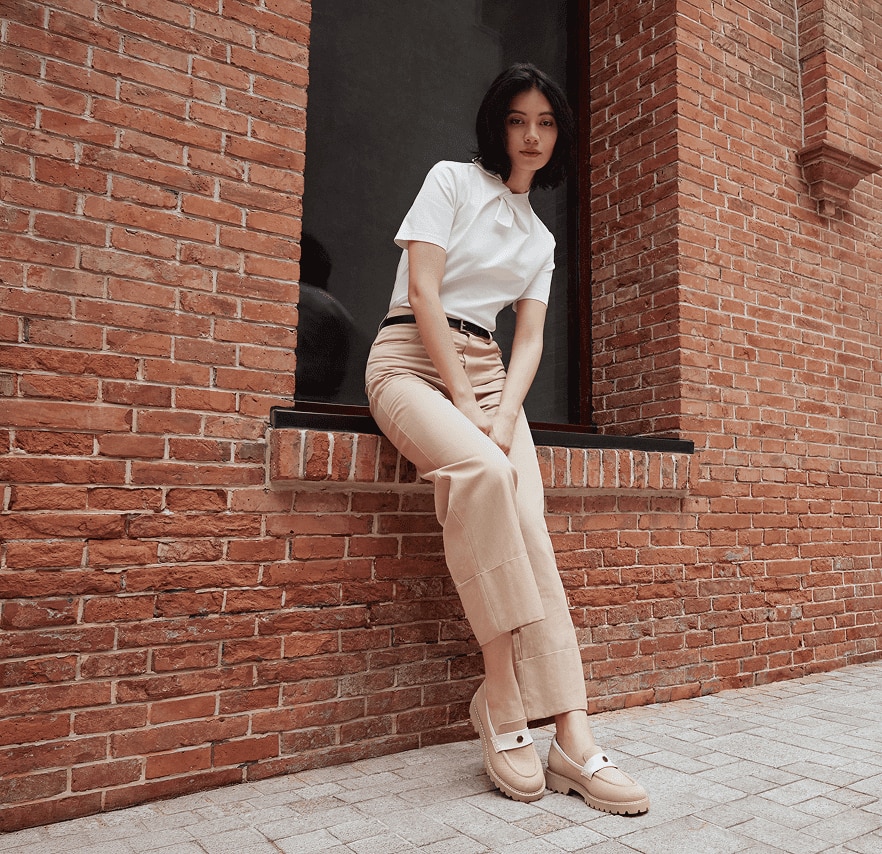
Look 5: Midi Skirt
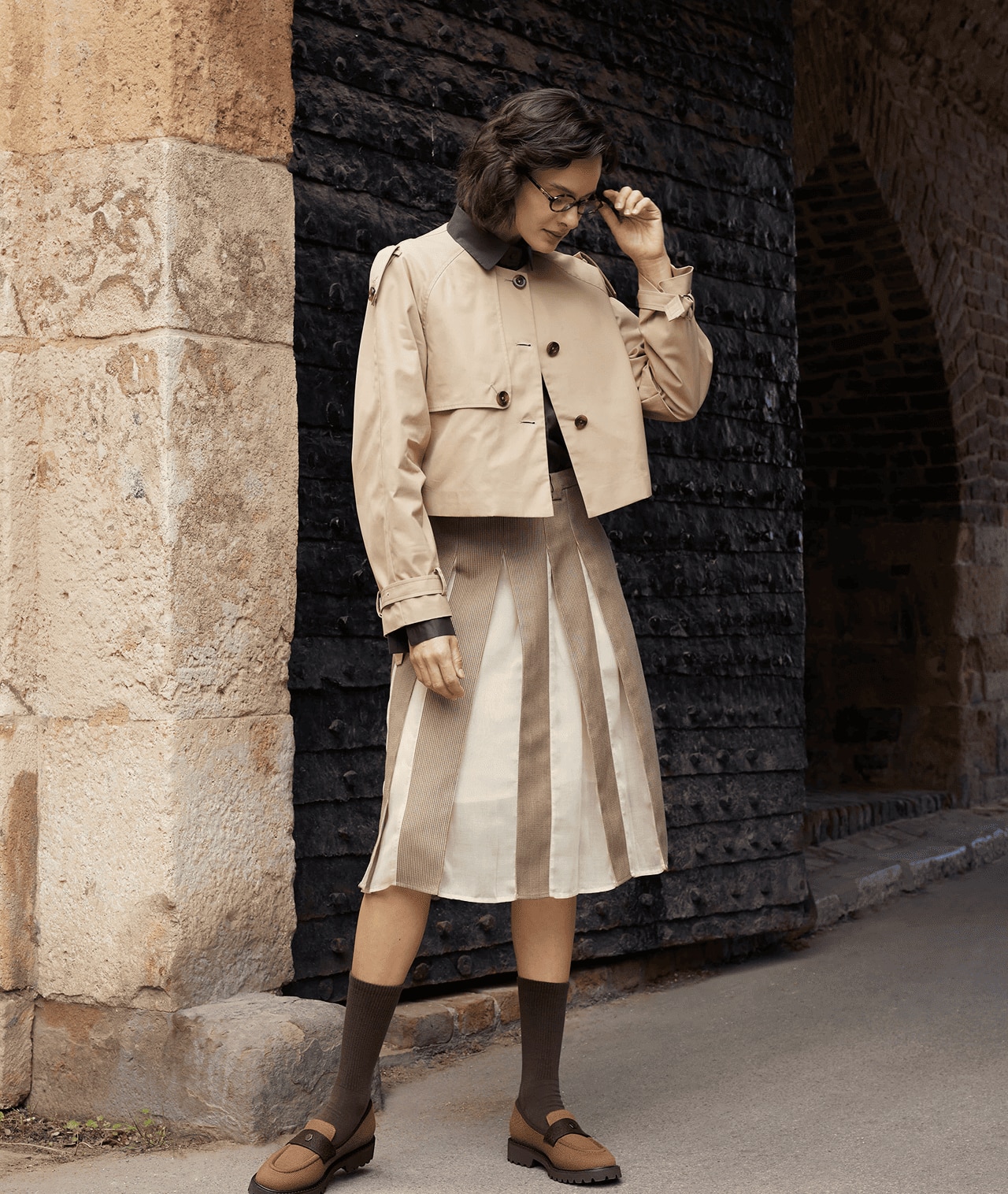
● What to wear: A-line or straight midi skirt with hem at mid-calf (roughly 4 to 6 inches below the knee). Solid color or vertical stripe. Fitted top or tucked-in light knit. Loafer in a tone close to the skirt color (tan with beige, black with charcoal) rather than a contrast. Structured hand-carry bag.
● Why it works: Matching the loafer tone to the skirt creates a continuous color line from hem to floor, which reads as an elongated leg rather than a shoe attached to a skirt. This is the midi skirt formula showing up most consistently in 2026 street style.
What to Avoid When Wearing Loafers
Pants That Cover the Shoe Completely
Full-length trousers dragging over a flat shoe don't just hide the shoe. They shorten the leg and make the whole outfit look slightly undone. Cuff the hem, get the pants hemmed, or choose a cropped cut. The shoe needs to be visible to do its job.
Athletic Outerwear With an Otherwise Polished Outfit
A loafer reads polished. A zip-up athletic jacket or hoodie reads the opposite. Wearing them together doesn't create an interesting contrast; it creates a look that seems unfinished. If the top half is casual, it needs to be casual in a different register: an oversized linen shirt, a loose blazer, a wide-rib knit. Those read relaxed without fighting the shoe's formality.
Pointed-Toe Styles Marketed as Loafers
The market has many shoes labeled "loafers" with heavily pointed toes. A sharply pointed toe is a different visual language, closer to a formal flat or a dressy mule. The relaxed-polish quality that makes loafers work in 2026 is specific to round, square, or "chisel" (softly squared) toes. A heavily pointed version edges toward overdressed in casual contexts and loses the ease that makes the silhouette worth wearing.
Defaulting to No Socks Without Considering the Alternative
Wearing loafers without socks is a valid choice, but it is a choice, not a default. Many outfits that feel flat improve immediately with a white ankle sock. If a loafer look isn't quite working, adding a sock is the fastest fix to try before reconsidering the whole outfit.
Find Your Pair
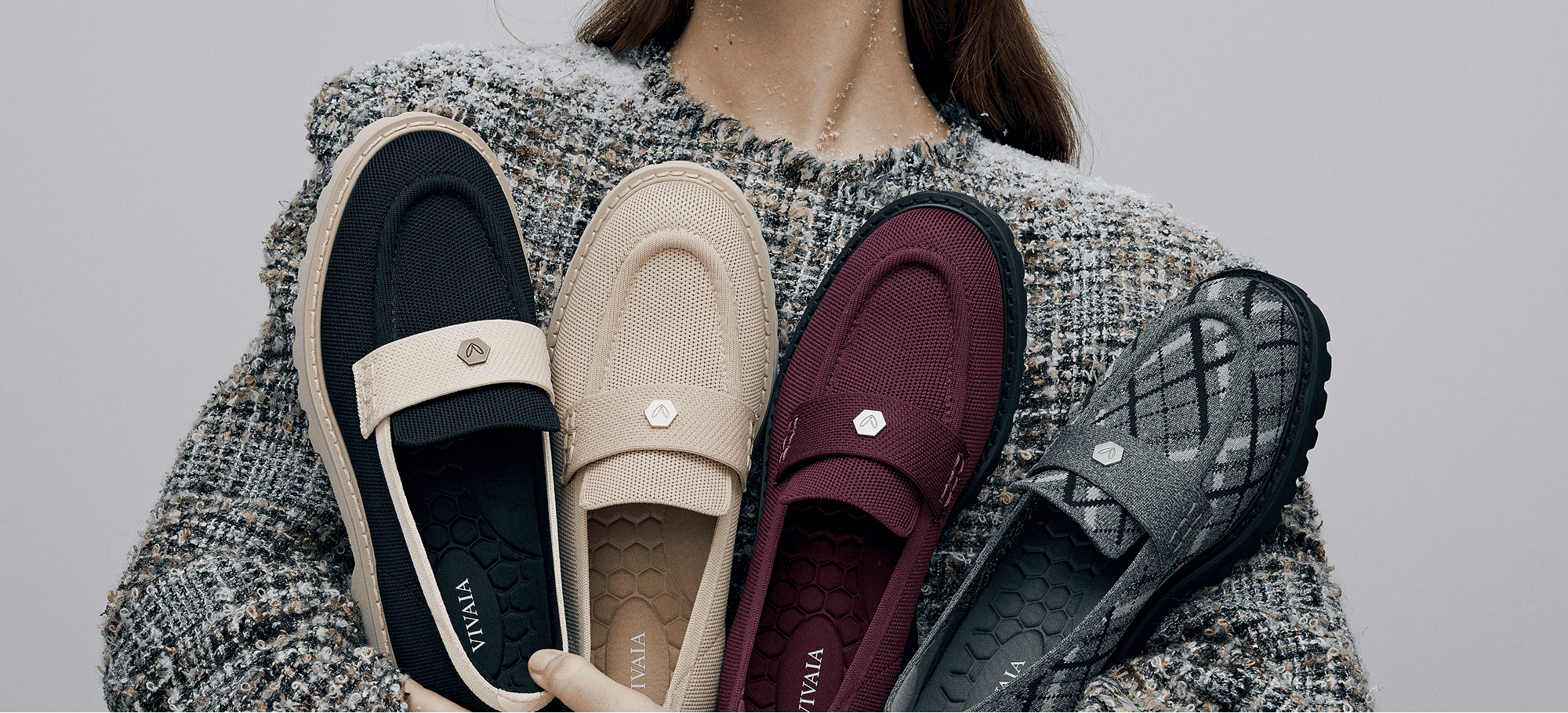
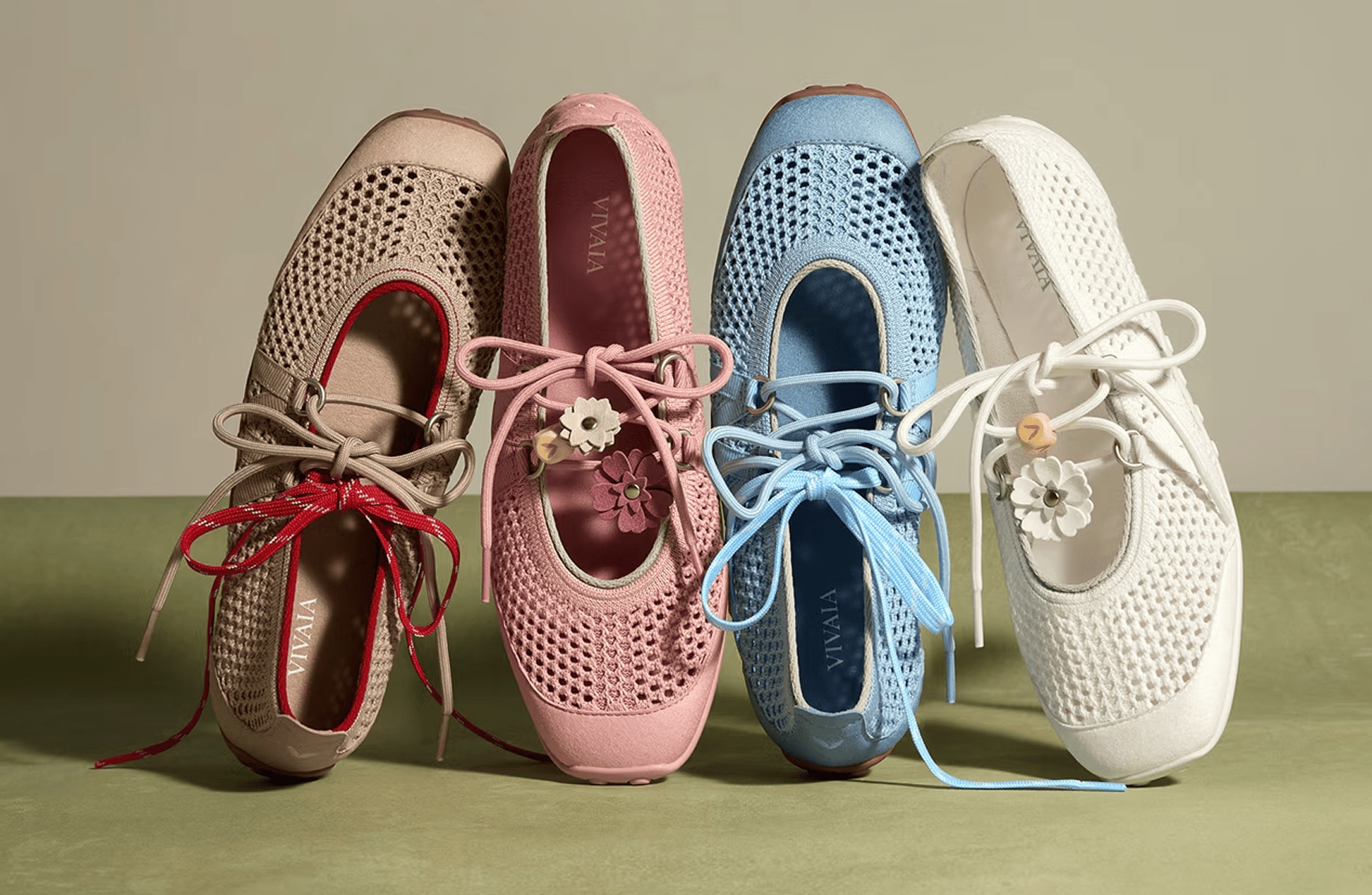
A well-chosen loafer covers more ground in a wardrobe than almost any other flat: office days, weekend markets, spring dinners, casual travel. The toe shape and construction matter more than the brand story. VIVAIA's Silvie loafer is built around a square toe, comes in versatile neutrals, and is designed for all-day comfort. Browse the collection and find the pair that earns a spot in your regular rotation.
FAQ
Q1: Can you wear loafers with bare legs in spring?
Yes, and it's one of the cleaner spring combinations. Bare legs plus a loafer reads light and warm-weather appropriate. The proportional note: if the skirt or dress is long (below mid-calf), the bare leg between hem and shoe can look like a gap rather than a design choice. Knee-length or just below works best for bare-leg loafer styling.
Q2: Are loafers comfortable enough to wear all day?
It depends on the construction. Traditional leather-sole loafers with minimal cushioning are not built for 8-plus hours of walking, because the flat sole transfers impact directly to the foot. Loafers with a cushioned insole and a flexible outsole are a different situation. When evaluating comfort, look for: midsole thickness of at least 3/8 inch of real cushioning material, a removable insole, and a toe box that doesn't compress your foot after a few hours of wear.
Q3: What's the difference between a loafer and a mule?
A loafer has a closed heel; your foot is fully enclosed. A mule has an open back, with the heel exposed. A backless loafer (a hybrid silhouette gaining traction in spring 2026) is the middle ground: it has the front of a loafer but an open heel, making it functionally closer to a mule. All three style similarly, but mules and backless loafers have slightly less secure wear and tend to look less formal than a fully enclosed loafer.
Q4: How do you keep loafers from slipping off your heel?
Three things help. Self-adhesive heel grips (thin silicone or leather pads that stick to the inside back of the shoe) are widely available at drugstores for under $10 and make a noticeable difference. When buying, check the heel fit rather than just the overall length; heel slippage is usually a width fit issue, not a size issue. Knit or stretch-material loafers also conform to the foot more readily than rigid leather and tend to slip less as a result.

© VIVAIA All Rights ReservedTerms of Service - Privacy Policy -